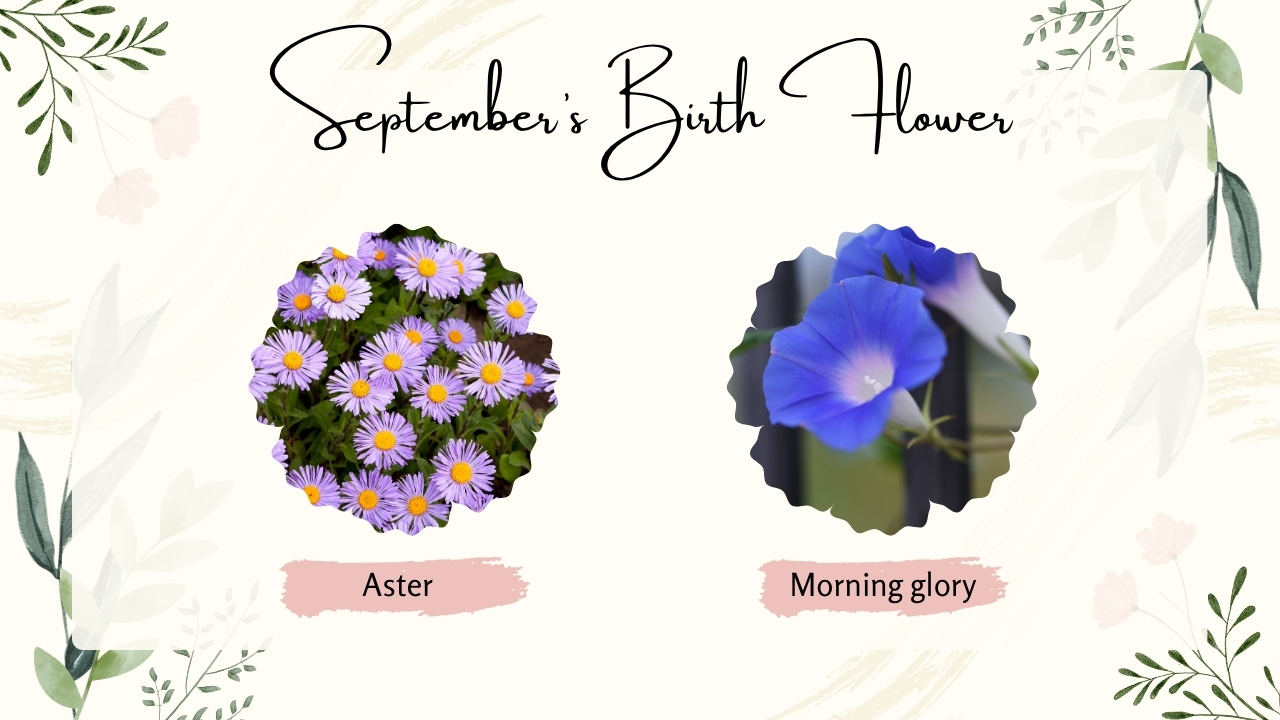
If you’re born in September, your birth flower is the elegant Aster, with the vibrant Morning Glory often recognized as a secondary birth flower. Asters symbolize wisdom, faith, and love, while morning glories represent affection, renewal, and the fleeting beauty of life.
These two flowers beautifully capture the spirit of early autumn. As summer begins to fade and cooler days approach, asters and morning glories bring bursts of color to gardens, reminding us that the transition between seasons can be just as vibrant as the peak of summer.
Let’s take a closer look at why these flowers represent September and what makes them so meaningful.
Why September Has Two Birth Flowers
Birth flowers are part of a long-standing tradition that connects each month of the year with blooms that are naturally in season during that time. In many cases, a month has more than one associated flower because different cultures and historical sources highlighted different plants.
September marks the shift from summer into autumn in many parts of the United States. Gardens begin to change color, and flowers that thrive in slightly cooler conditions start to bloom more prominently.
Asters and morning glories both flourish around this time of year, making them natural symbols for people born in September.
But their connection goes beyond timing. Their symbolism—wisdom, love, renewal, and resilience—reflects qualities often associated with those born during this transitional month.
Aster: The Star of September Gardens
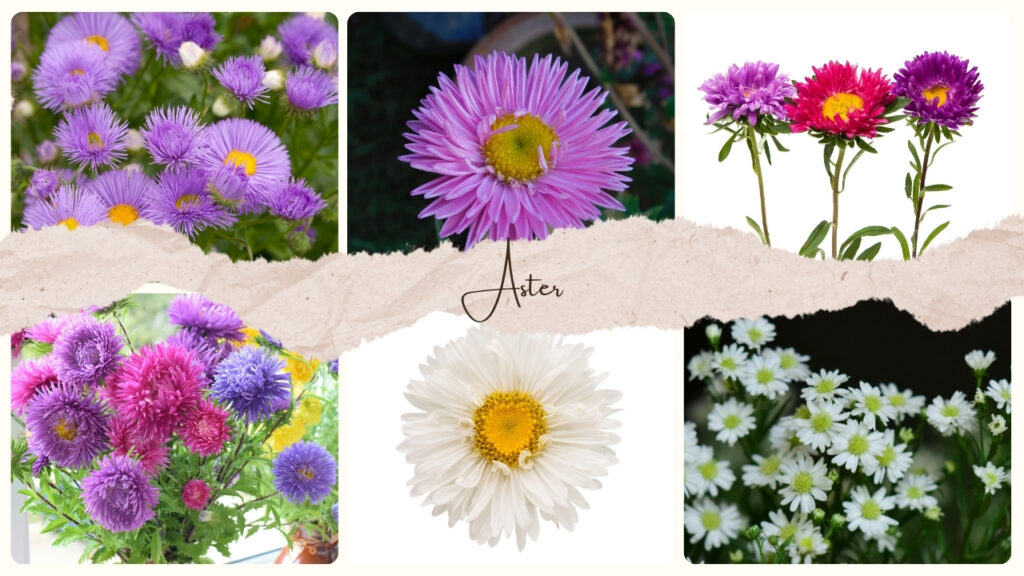
The primary birth flower of September is Aster, a cheerful bloom that resembles a small daisy.
What Makes Asters Unique
Asters are known for their star-shaped flowers, which is actually where their name comes from. The word “aster” comes from the Greek word for star, perfectly describing the radiating petals surrounding the flower’s center.
These plants bloom in late summer and early fall, just when many other flowers begin to fade. Because of this timing, asters help keep gardens colorful well into autumn.
They’re also popular with pollinators such as butterflies and bees, making them a valuable addition to wildlife-friendly gardens.
Symbolism of Asters
Throughout history, asters have carried powerful symbolic meanings.
Common interpretations include:
- Wisdom
- Faith and devotion
- Love and patience
- Elegance and refinement
In ancient Greek mythology, asters were believed to have grown from the tears of the goddess Astraea. Because of this story, the flower became associated with hope and celestial beauty.
During the Victorian era, asters were often included in bouquets to symbolize deep love and trust.
Colors and Varieties
Asters appear in a wide range of beautiful colors, including:
- Purple
- Blue
- Pink
- White
- Lavender
Purple asters are among the most common and are often linked with wisdom and royalty. Blue varieties symbolize calmness and serenity, while pink asters can represent affection and romance.
With dozens of species and hybrids available, asters remain a favorite among gardeners looking to extend the blooming season.
Why Asters Represent September Births
Asters are closely connected to September not only because of their blooming season but also because of their symbolism.
September is often associated with reflection, learning, and new beginnings—especially with the start of the school year and the gradual shift toward autumn.
The symbolism of wisdom and patience fits perfectly with these themes. Just as asters bloom confidently at the end of summer, they represent maturity and thoughtful strength.
For many people born in September, asters serve as a symbol of inner wisdom and enduring beauty.
Morning Glory: The Secondary September Birth Flower
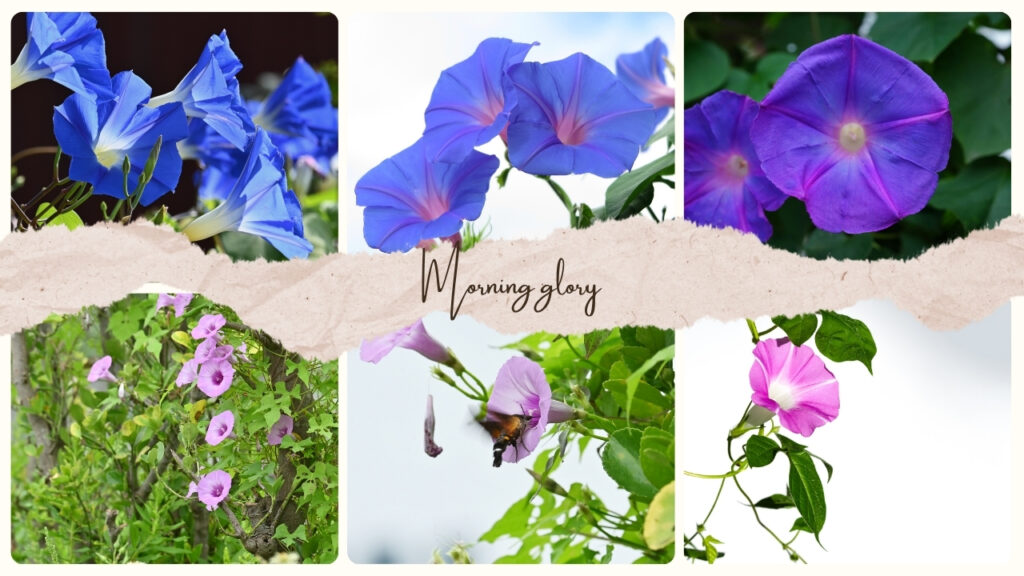
The second flower associated with September birthdays is the beautiful Morning Glory.
Morning glories are climbing vines known for their trumpet-shaped flowers that open in the early morning and close by afternoon.
The Charm of Morning Glories
Morning glory flowers are famous for their vibrant colors and delicate petals.
They commonly appear in shades such as:
- Deep blue
- Purple
- Pink
- White
- Magenta
These vines grow quickly and can cover fences, trellises, and garden arches with lush greenery and bright blooms.
Because each flower lasts only a short time before fading, morning glories have become symbolic of life’s fleeting beauty.
Symbolism of Morning Glories
Morning glories carry several meaningful symbolic interpretations.
They are often associated with:
- Affection and love
- Renewal and new beginnings
- Resilience
- The fleeting nature of time
Their daily blooming cycle—opening with the sunrise and closing later in the day—reminds us of the importance of appreciating each moment.
In many cultures, morning glories symbolize both optimism and the passage of time.
Why Morning Glories Represent September Births
Morning glories thrive during the warm days and cooler nights of early fall.
Their climbing nature and vibrant colors reflect energy, growth, and creativity—traits often linked with individuals born in September.
Because they bloom with the sunrise, they also symbolize fresh starts and new opportunities, which aligns well with the seasonal transition that September brings.
Choosing September Birth Flowers for Gifts
Both asters and morning glories make thoughtful birthday gifts for someone born in September.
A bouquet of asters is perfect when you want to express admiration, loyalty, or deep affection. Their bright colors and star-like shape create an uplifting and elegant arrangement.
Morning glories, while less commonly used in bouquets due to their delicate nature, are wonderful garden gifts. A potted morning glory vine can be a meaningful symbol of renewal and personal growth.
Some floral arrangements even combine asters with other late-summer blooms to celebrate the vibrant beauty of September.
The Meaning Behind September’s Birth Flowers
Birth flowers offer a fascinating way to connect people with the natural world and the changing seasons.
Asters represent wisdom, love, and faith, while morning glories symbolize affection, renewal, and the fleeting beauty of life.
Together, they reflect the thoughtful, vibrant spirit of September—a month that bridges the warmth of summer with the calm reflection of autumn.
For anyone born during this time of year, these flowers serve as a beautiful reminder that even as seasons change, beauty and growth continue to flourish.