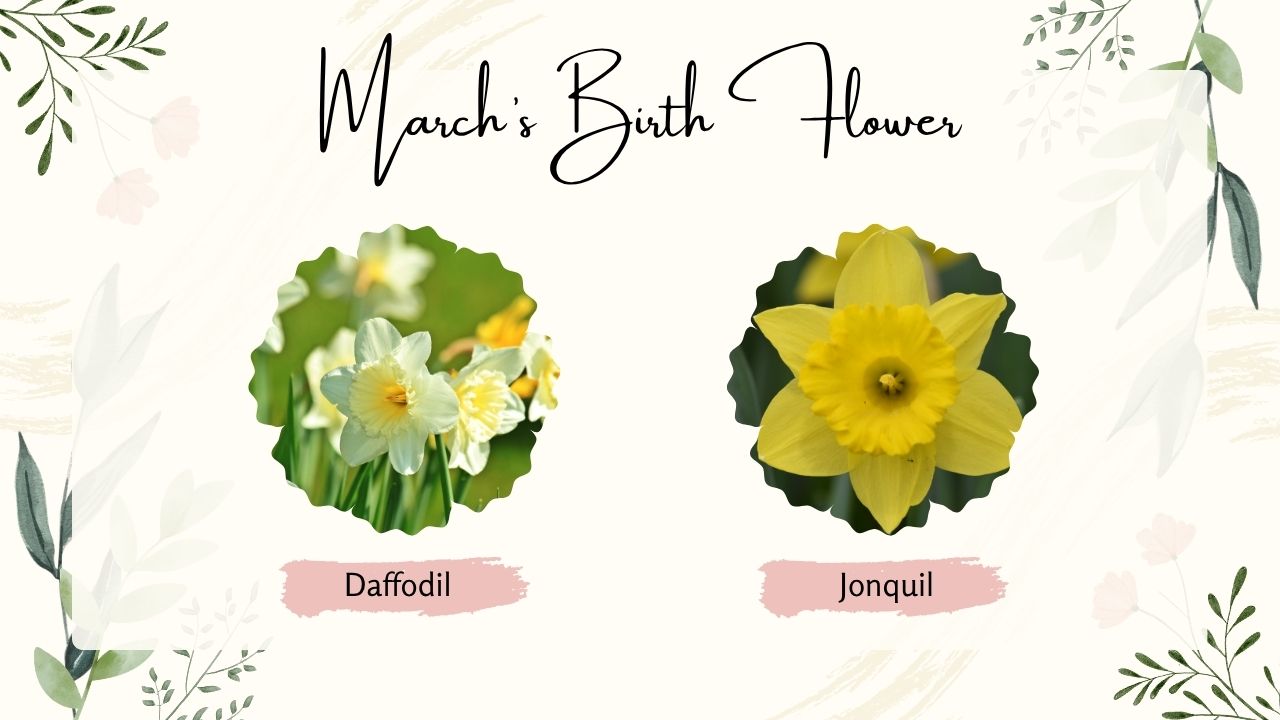
If you’re looking for a quick answer: March has two birth flowers—the daffodil and the jonquil. Both belong to the Narcissus family and symbolize renewal, hope, and new beginnings—fitting for a month that bridges winter and spring.
But that simple answer doesn’t quite capture the charm of March’s flowers. These blooms aren’t just decorative—they tell a story. A story about seasonal change, emotional renewal, and the quiet optimism that comes when the world begins to wake up again.
Let’s explore that story in a way that goes beyond the usual “facts list” and gets into what makes March’s birth flowers truly meaningful.
A Month That Feels Like a Turning Point
March isn’t just another page on the calendar. It’s a transition.
The frost starts to loosen its grip. Days stretch a little longer. The air carries a hint of warmth. And suddenly—almost quietly—flowers begin to appear.
Among the first to break through the cold soil are daffodils and jonquils.
That timing matters. These flowers aren’t just associated with March because of tradition—they define the feeling of March. They are nature’s way of saying, “We made it through winter.”
Meet the Star of March: The Daffodil
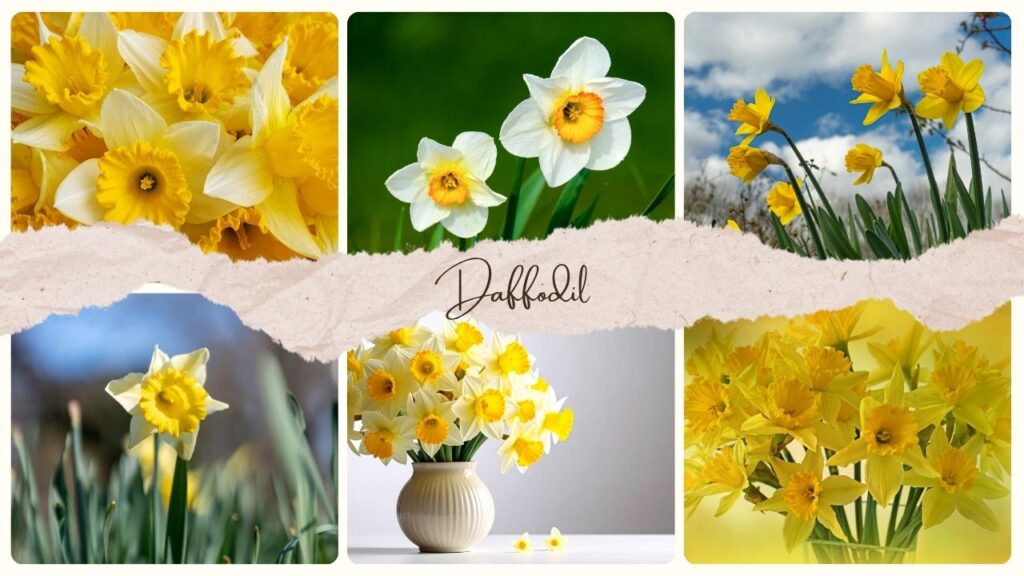
The daffodil is the most widely recognized birth flower for March, and for good reason. It’s bold, cheerful, and impossible to ignore once it blooms.
What Makes the Daffodil Special?
Daffodils typically feature bright yellow or white petals with a trumpet-shaped center. That iconic shape gives them a personality—almost like they’re announcing spring’s arrival.
But beyond their appearance, daffodils carry deep symbolism:
- New beginnings – They bloom at the start of spring
- Hope and renewal – A reminder that life returns after dormancy
- Positivity – Their bright color lifts moods instantly
- Resilience – They grow even in chilly early-spring conditions
In many cultures, seeing the first daffodil is considered a good omen. Some traditions even say that if the first daffodil you see is in a cluster, it signals prosperity for the year ahead.
A Personal Note on Daffodils
There’s something oddly comforting about daffodils. They don’t wait for perfect conditions. They bloom anyway.
That alone makes them feel like more than just a flower—they’re a mindset.
The Often Overlooked Companion: The Jonquil
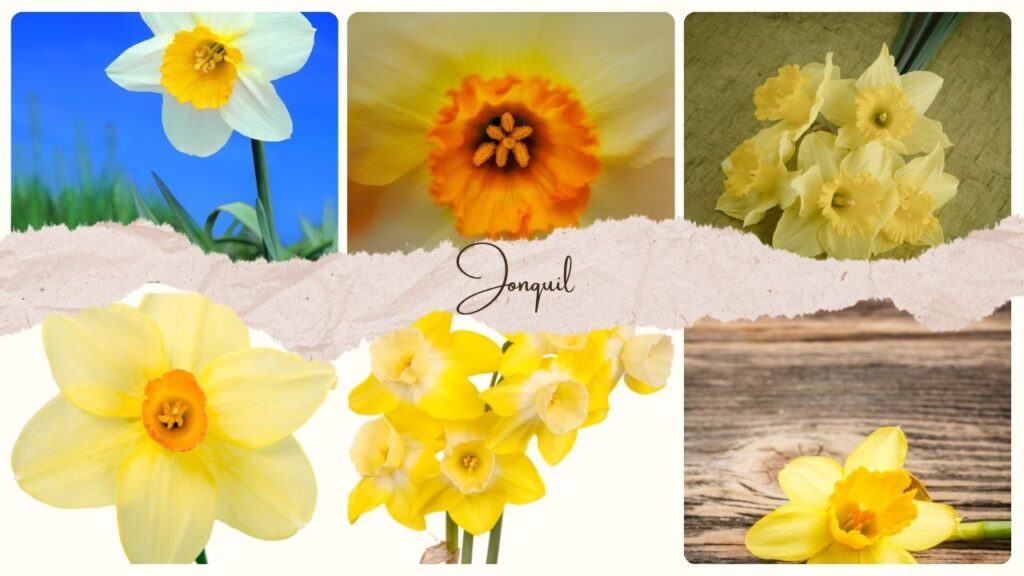
While daffodils take center stage, jonquils quietly share the spotlight as March’s second birth flower.
At first glance, they may look similar—and that’s because they’re closely related. But jonquils have their own identity.
How Jonquils Are Different
Jonquils tend to have:
- Smaller blooms
- Multiple flowers on one stem
- A stronger, sweet fragrance
- Darker green, slender leaves
They feel a bit more delicate, a bit more refined compared to the bold daffodil.
Symbolism of the Jonquil
Jonquils carry slightly different meanings:
- Affection and desire
- Friendship and warmth
- Return of love
- Optimism with emotional depth
If daffodils are about bright beginnings, jonquils are about emotional renewal.
Together, they create a fuller picture of what March represents—not just change in nature, but change within us.
Why March Has Two Birth Flowers
Most months have one primary birth flower, but March gets two—and that’s not random.
Historically, different regions and traditions recognized different members of the Narcissus family. Over time, both daffodils and jonquils became associated with March due to their shared blooming period and symbolism.
Instead of choosing one over the other, both were embraced.
And honestly, it makes sense. March isn’t a simple month—it’s layered. Some days still feel like winter, while others hint at spring. Having two flowers reflects that duality perfectly.
The Symbolism Behind March’s Flowers
If you zoom out, both daffodils and jonquils tell the same overarching story.
They are about transition.
1. Renewal After Hardship
Winter can feel long—literally and metaphorically. March’s flowers remind us that difficult seasons don’t last forever.
2. Quiet Strength
These flowers don’t bloom in ideal conditions. They push through cold soil and uncertain weather. That resilience is part of their meaning.
3. Fresh Starts
March marks the beginning of new cycles. Whether it’s a new goal, a new mindset, or a new chapter, these flowers symbolize starting again.
4. Joy in Simplicity
There’s nothing overly complex about a daffodil or jonquil. And yet, they bring immediate joy. Sometimes, that’s all it takes.
Cultural and Historical Significance
March’s birth flowers have been admired for centuries across different cultures.
In Greek Mythology
The daffodil is linked to the myth of Narcissus, a figure known for his beauty and self-reflection. While the story has darker undertones, it gave rise to the flower’s scientific name, Narcissus.
Over time, however, the flower’s meaning evolved into something more positive—less about vanity and more about renewal.
In European Traditions
In parts of Europe, daffodils are associated with prosperity. It’s said that bringing a single daffodil into the home might bring misfortune—but bringing a bunch invites good luck.
In Modern Symbolism
Today, daffodils are often used as symbols of hope, especially in awareness campaigns and charitable causes. Their association with new beginnings makes them powerful in both personal and collective contexts.
March Birth Flowers and Personality Traits
People born in March are often described as:
- Creative and imaginative
- Emotionally intuitive
- Optimistic yet thoughtful
- Adaptable and resilient
Interestingly, these traits align closely with the symbolism of daffodils and jonquils.
If you’re born in March, your birth flower reflects a personality that can handle change while still finding beauty in it.
When and Where These Flowers Bloom
Daffodils and jonquils typically bloom in early to mid-spring, depending on the climate.
In the United States:
- Southern regions may see blooms as early as late February
- Northern areas often experience peak blooms in March or early April
They thrive in:
- Well-drained soil
- Full or partial sunlight
- Mild spring temperatures
One of their best qualities is that they’re low-maintenance. Once planted, they often return year after year without much effort.
How to Use March Birth Flowers in Everyday Life
You don’t have to be a gardener to appreciate March’s birth flowers. There are plenty of ways to bring their energy into your life.
1. Gifts That Feel Thoughtful
A bouquet of daffodils or jonquils makes a meaningful birthday gift for someone born in March. It’s personal without being overcomplicated.
2. Home Decor
Even a small vase of daffodils can brighten a room instantly. Their color adds warmth, especially during the tail end of winter.
3. Symbolic Reminders
You can use these flowers as a reminder of growth. Whether it’s a photo, artwork, or even a journal reference, they can represent progress and renewal.
4. Gardening Projects
Planting daffodil bulbs in the fall means you’ll have blooms ready by March. It’s a simple way to create something to look forward to.
A Different Way to Think About Birth Flowers
Instead of seeing birth flowers as just another tradition, it helps to think of them as seasonal symbols.
March’s flowers aren’t just assigned—they’re earned by the time of year.
They appear when the world is still uncertain, when winter hasn’t fully left. That makes them more meaningful than flowers that bloom in perfect conditions.
They represent hope that shows up early—before everything is guaranteed.
Final Thoughts
March’s birth flowers—the daffodil and the jonquil—aren’t just pretty blooms. They’re storytellers.
They capture the essence of a month that sits between endings and beginnings. They remind us that growth doesn’t wait for perfect timing. And they quietly encourage us to keep moving forward, even when things still feel a little cold.
If you’re born in March, your birth flower isn’t just about beauty—it’s about resilience, optimism, and the promise of something new.
And honestly, that’s a pretty powerful thing to carry with you.