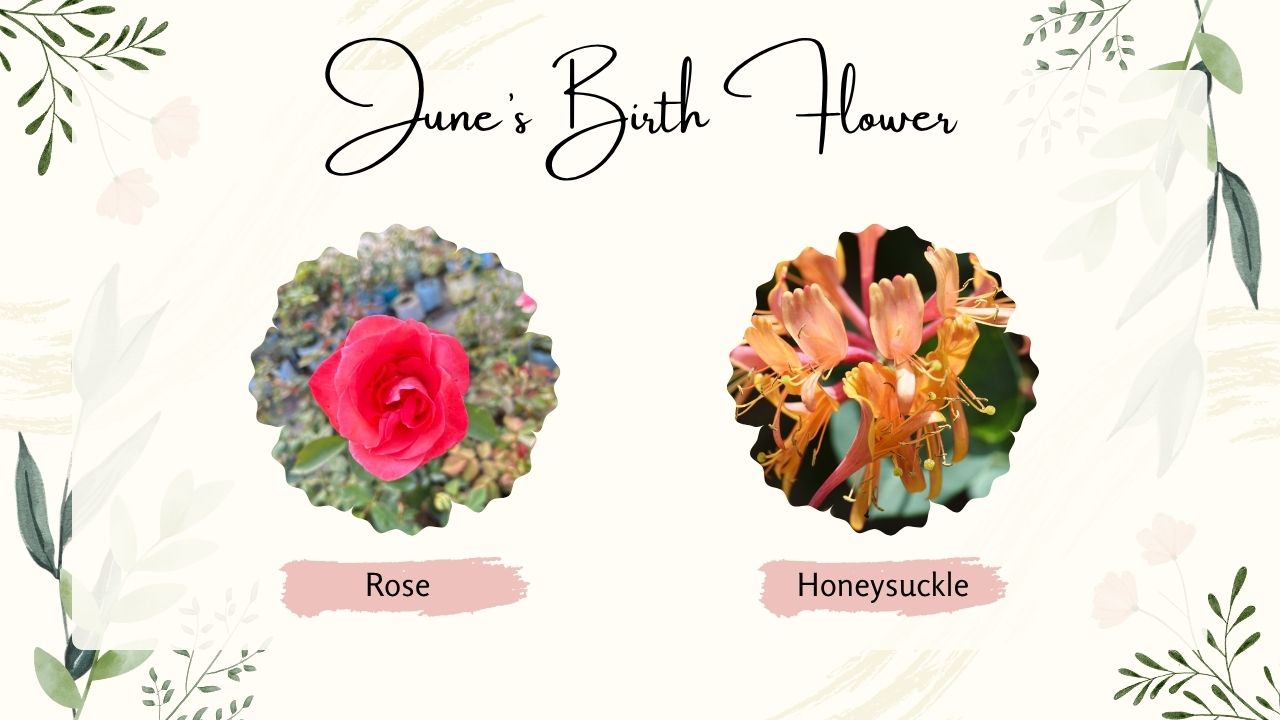
June’s birth flowers are the Rose and the Honeysuckle—two blooms that couldn’t be more fitting for the start of summer. If you’re looking for a quick answer, here it is: the Rose symbolizes love, beauty, and passion, while the Honeysuckle represents devotion, happiness, and sweet affection.
But like most things tied to nature and tradition, there’s much more beneath the surface. These flowers aren’t just decorative—they carry centuries of meaning, cultural symbolism, and emotional depth. And together, they paint a vivid picture of what June is all about: warmth, connection, and full expression.
Let’s take a deeper look at why these two flowers represent June, what they symbolize, and how they continue to show up in everyday life.
Why June Has Two Birth Flowers
By the time June arrives, spring has fully transitioned into summer. Gardens are no longer waking up—they’re thriving. Because of this abundance, more than one flower became associated with the month.
The Rose earned its place due to its universal symbolism and long-standing cultural importance across the world. It’s one of the most recognized flowers in history, often linked to love and beauty.
The Honeysuckle, on the other hand, represents the lighter, more carefree side of early summer. With its sweet fragrance and climbing vines, it reflects growth, joy, and the feeling of being surrounded by life in full bloom.
Instead of competing, these two flowers complement each other—one bold and iconic, the other soft and nostalgic.
The Rose: A Timeless Symbol of Love and Beauty
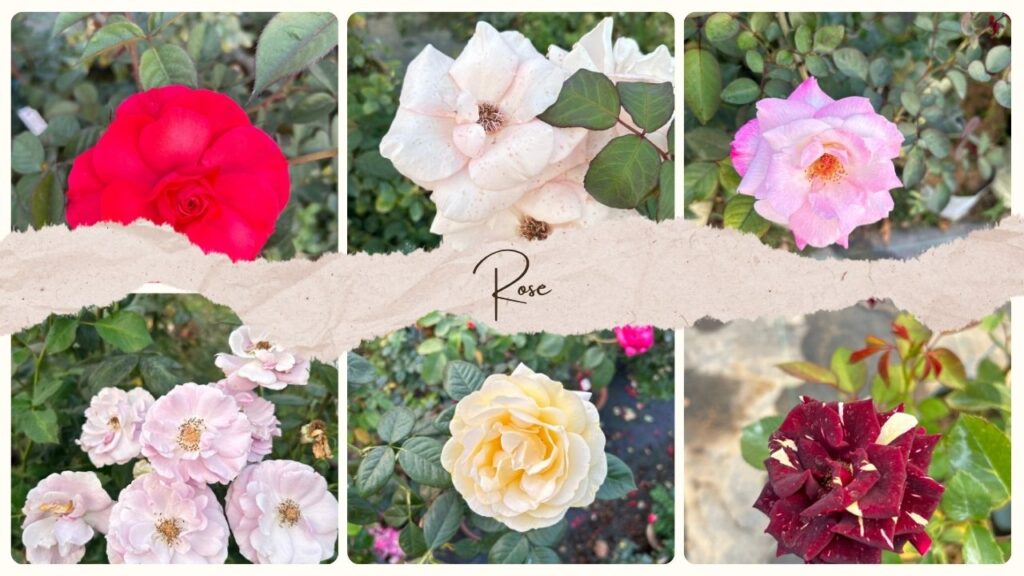
Few flowers carry as much meaning as the rose. It’s been used for centuries to express emotions that words sometimes can’t.
What the Rose Represents
At its core, the rose is a symbol of:
- Love and romance
- Passion and desire
- Beauty and elegance
- Honor and respect
But here’s where it gets interesting—the meaning of a rose can change depending on its color.
- Red roses symbolize deep love and passion
- White roses represent purity and new beginnings
- Yellow roses stand for friendship and joy
- Pink roses express gratitude and admiration
This versatility is one reason the rose became June’s primary birth flower—it can reflect a wide range of emotions and relationships.
A Flower With Deep Historical Roots
Roses have been cultivated for thousands of years. They appear in ancient Greek and Roman mythology, often associated with goddesses of love like Aphrodite and Venus.
They’ve also played a role in major historical events, such as England’s “Wars of the Roses,” where different colored roses symbolized rival factions.
If you’re curious about the plant itself, the Royal Horticultural Society offers a detailed look at the many varieties and how they’re grown.
Why the Rose Represents June
June is often associated with weddings, celebrations, and emotional connections. It’s a month where people gather, celebrate milestones, and spend more time outdoors.
The rose fits perfectly into this picture—it’s expressive, vibrant, and deeply tied to human emotion.
Honeysuckle: The Sweet Symbol of Devotion and Joy
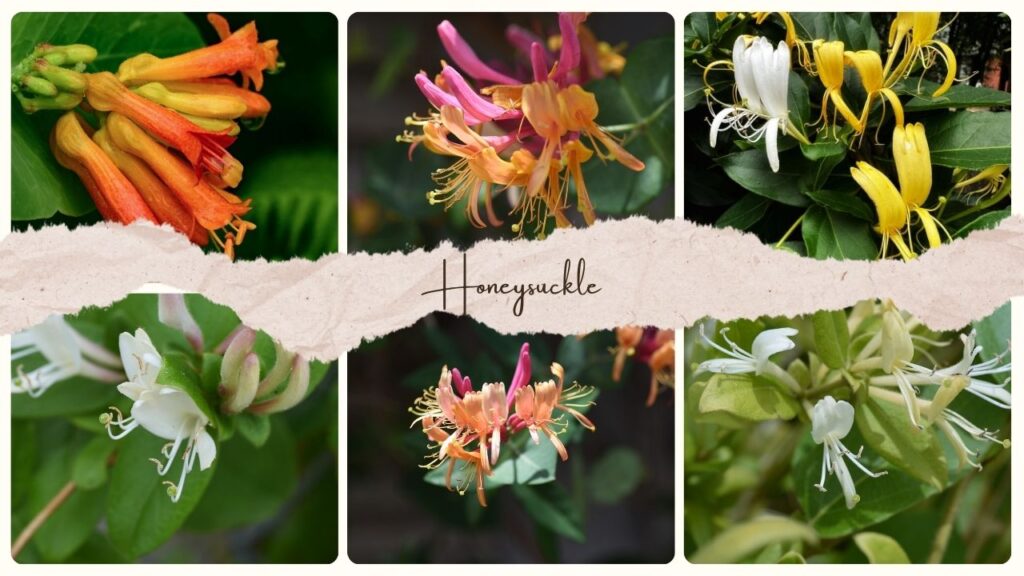
If the rose is the star of the show, the honeysuckle is the quiet charm that completes the scene.
This climbing plant produces delicate, tubular flowers that release a sweet, almost nostalgic fragrance—especially in the evening.
What Honeysuckle Symbolizes
Honeysuckle is often associated with:
- Devotion and lasting bonds
- Happiness and positivity
- Sweetness in relationships
- New beginnings and growth
There’s something inherently comforting about honeysuckle. It doesn’t demand attention, but once you notice it, it’s hard to forget.
A Flower Rich in Folklore
In many cultures, honeysuckle was believed to bring good luck and protect against negativity. Some traditions even suggested that bringing honeysuckle into the home could attract love and harmony.
Its name comes from the sweet nectar found inside the flowers—a small detail that adds to its symbolism of sweetness and affection.
Why It Complements the Rose
While the rose often represents bold, passionate love, honeysuckle leans toward steady, enduring affection.
Together, they capture two sides of relationships—the excitement of romance and the comfort of lasting connection.
What June’s Birth Flowers Say About Personality
Birth flowers are often used as a fun way to describe personality traits, and June’s flowers suggest a balance of warmth and depth.
People born in June are often seen as:
- Loving and expressive
- Naturally charming and social
- Loyal and emotionally connected
- Optimistic with a strong sense of joy
The rose brings intensity and passion, while honeysuckle adds a layer of sweetness and sincerity.
It’s this combination that makes June-born individuals feel both vibrant and grounded.
How June’s Birth Flowers Show Up in Everyday Life
You don’t have to look far to see how these flowers influence the world around us.
Weddings and Celebrations
June is one of the most popular months for weddings, and roses are often the centerpiece of bridal bouquets and decorations.
Honeysuckle, with its soft fragrance, is sometimes used in garden-themed weddings or outdoor ceremonies.
Gifts With Meaning
If you’re giving someone a birthday gift in June, choosing flowers with symbolic meaning can make it more personal.
- A bouquet of roses can express love, appreciation, or admiration
- Honeysuckle-inspired gifts (like scented candles or perfumes) can symbolize warmth and happiness
Even small touches can make a gift feel more thoughtful.
Gardening and Outdoor Spaces
Both flowers can also inspire your garden design.
- Roses add structure, color, and elegance
- Honeysuckle brings a natural, flowing feel with its climbing vines
Together, they create a space that feels both lively and inviting.
The Deeper Meaning Behind June’s Flowers
If you step back and look at the bigger picture, June’s birth flowers tell a story about connection.
The rose speaks to the emotions we express openly—the love we celebrate, the admiration we share, the beauty we recognize.
Honeysuckle, on the other hand, represents the quieter side of relationships—the loyalty, the comfort, and the small moments that make connections meaningful.
June sits at a point in the year where everything feels alive and possible. These flowers reflect that energy—not just in how they look, but in what they symbolize.
Final Thoughts
So, what is June’s birth flower?
It’s both the Rose and the Honeysuckle—two flowers that together represent love, joy, and lasting connection.
The rose brings bold emotion and timeless beauty. The honeysuckle adds sweetness and quiet devotion. And when you put them together, they capture the essence of June perfectly.
Whether you’re celebrating a birthday, planning a garden, or simply curious about floral symbolism, these two blooms offer more than just visual appeal—they offer meaning.
And sometimes, that’s exactly what makes something worth remembering.