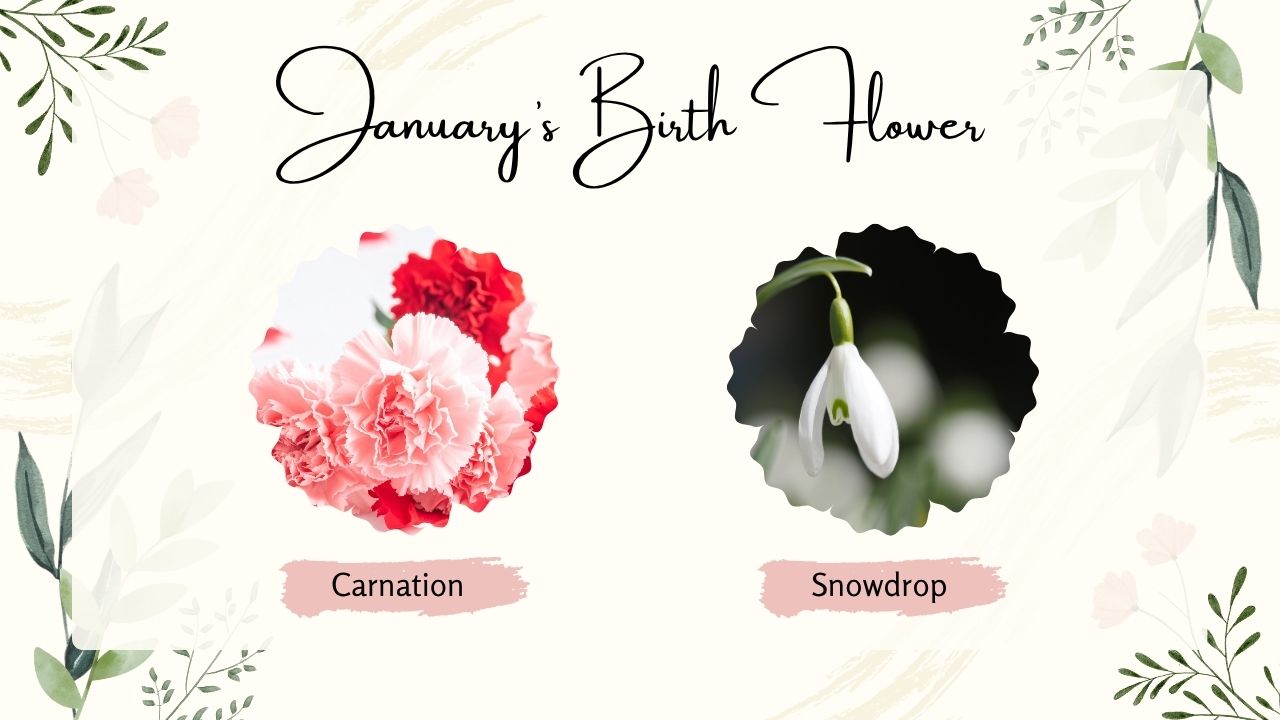
January’s birth flower is the carnation, with the snowdrop often recognized as a secondary birth flower for the month.
If you were born in January—or you’re choosing a meaningful gift for someone who was—these flowers carry rich symbolism tied to love, hope, and fresh beginnings. While the carnation is known for its layered beauty and wide range of colors, the snowdrop represents resilience and quiet strength, blooming even in the coldest winter months.
In this guide, we’ll explore everything you need to know about January’s birth flowers—from their meanings and history to how to grow them and use them in meaningful ways.
Why does January have two birth flowers?
January has two birth flowers—carnation and snowdrop—because of evolving traditions over time. Originally, the carnation was recognized as the primary birth flower due to its availability and long-standing symbolism. However, the snowdrop was later added because it naturally blooms in late winter and better represents the season of January. Today, both are accepted, giving people more symbolic and aesthetic choices.
January’s Primary Birth Flower: Carnation
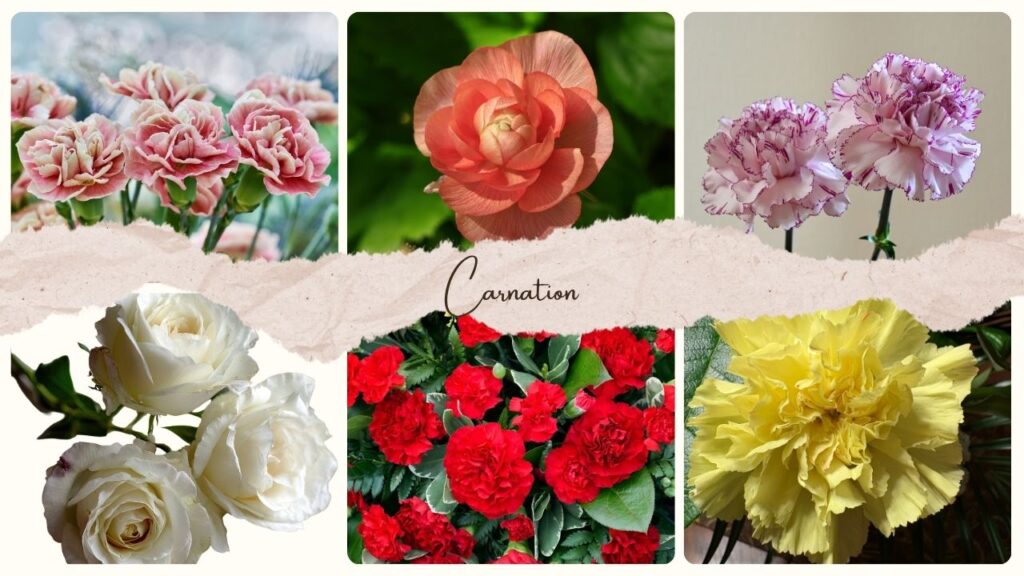
The carnation is the most widely accepted birth flower for January. Scientifically known as Dianthus caryophyllus, this flower has been cherished for centuries across different cultures.
What Does the Carnation Symbolize?
Carnations are deeply symbolic flowers, and their meanings often depend on their color. In general, they represent:
- Love and fascination
- Distinction and admiration
- Devotion and loyalty
What makes carnations special is their versatility. Whether used in celebrations, memorials, or everyday bouquets, they carry a message that feels both personal and timeless.
Carnation Color Meanings
Each carnation color tells a slightly different story, which makes them even more meaningful as a birth flower gift.
- Red carnations symbolize deep love and admiration
- Pink carnations are often associated with gratitude and a mother’s love
- White carnations represent purity, innocence, and good luck
- Yellow carnations can signify disappointment or rejection (less commonly used in gifts)
- Purple carnations symbolize capriciousness or unpredictability
If you’re gifting carnations to someone born in January, pink or red varieties are usually the safest and most heartfelt choices.
A Brief History of Carnations
Carnations have a long and fascinating history. They are believed to have originated in the Mediterranean region and have been cultivated for over 2,000 years.
The name Dianthus comes from Greek words meaning “divine flower.” This alone tells you how highly they were regarded in ancient times.
Carnations have also played roles in cultural traditions. For example, they are often used in ceremonies, celebrations, and even political symbolism in different parts of the world.
Why Carnations Are Linked to January
Carnations are linked to January mainly because they are one of the few flowers that remain available and resilient during winter.
Their symbolism also fits the month perfectly. Carnations represent love, admiration, and devotion—themes that align with fresh beginnings and meaningful connections at the start of the year.
Over time, this combination of winter availability and timeless symbolism made carnations the primary birth flower for January.
January’s Secondary Birth Flower: Snowdrop
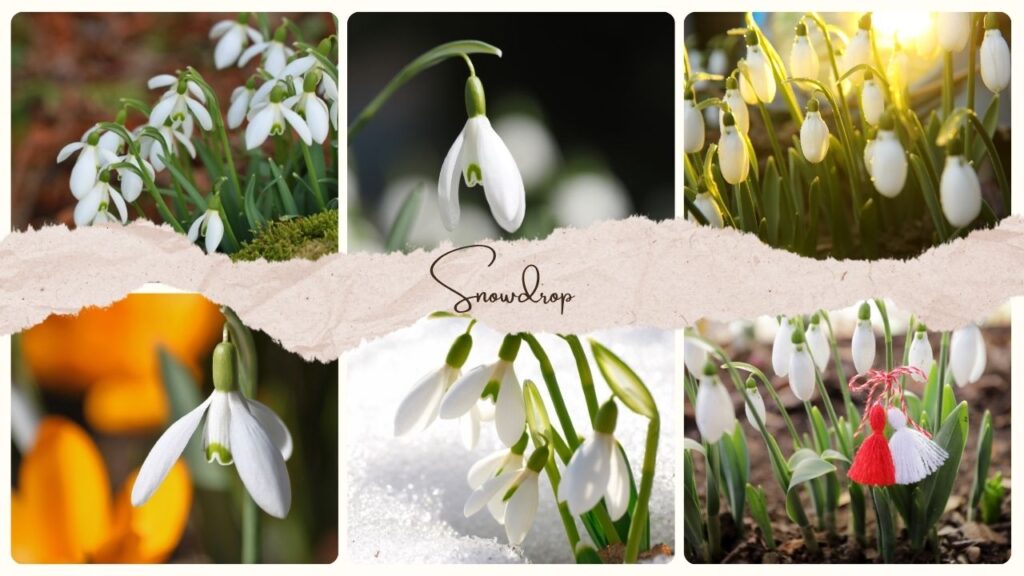
While carnations take center stage, the snowdrop (Galanthus) is also recognized as a birth flower for January.
What Does the Snowdrop Represent?
Snowdrops are delicate white flowers that bloom in late winter, often pushing through snow. Because of this, they symbolize:
- Hope
- Renewal
- New beginnings
- Resilience
There’s something quietly powerful about a flower that blooms when everything else is still dormant. That’s exactly why snowdrops are associated with strength and optimism.
Why Snowdrops Are Linked to January
January is a month of fresh starts—but it’s also cold, quiet, and often challenging. Snowdrops perfectly reflect this duality. They remind us that even in difficult conditions, growth is still possible.
This makes them a meaningful symbol for people born in January—individuals often seen as strong, determined, and quietly resilient.
Carnation vs. Snowdrop: What’s the Difference?
While both flowers represent January, they offer different symbolic vibes.
Carnation
- Bold and expressive
- Associated with love and admiration
- Available in many colors
Snowdrop
- Minimal and delicate
- Associated with hope and renewal
- Typically white
If carnations are about expressing emotion outwardly, snowdrops are about inner strength and quiet endurance.
Why Birth Flowers Matter
Birth flowers are similar to birthstones—they provide a symbolic way to connect personality traits, emotions, and life themes to a specific time of year.
For January-born individuals, these flowers reflect:
- Emotional depth
- Loyalty and devotion
- Strength during difficult times
- A sense of renewal and fresh perspective
In my experience, birth flowers often feel more personal than generic gifts. They carry meaning without needing explanation.
How to Use January Birth Flowers
If you’re looking to incorporate January’s birth flowers into gifts or daily life, there are plenty of creative options.
1. Birthday Bouquets
A bouquet of carnations is a classic and meaningful gift. You can personalize it further by choosing colors that reflect your message.
For example:
- Pink carnations for appreciation
- Red carnations for romantic love
- White carnations for a fresh start
Adding a few snowdrops (if available) can make the arrangement even more unique.
2. Home Décor
Carnations are long-lasting flowers, making them perfect for home decoration. They can brighten up a room during the winter months when fresh blooms are less common.
Snowdrops, on the other hand, are ideal for subtle, minimalist arrangements.
3. Tattoos and Personal Symbolism
Many people choose birth flowers as tattoo designs. Carnations, with their layered petals, create visually striking designs, while snowdrops offer a more understated, elegant look.
4. Weddings and Special Events
January weddings often incorporate carnations because they are affordable, durable, and available year-round. Their symbolism of love and devotion makes them especially fitting.
How to Grow Carnations
If you enjoy gardening, carnations are a great addition to your garden.
Basic Growing Tips
- Sunlight: Full sun is ideal
- Soil: Well-drained soil is essential
- Watering: Keep soil moist but not soggy
- Spacing: Allow good air circulation to prevent disease
Carnations are relatively low-maintenance and can thrive in many climates, making them a favorite among beginner gardeners.
How to Grow Snowdrops
Snowdrops require a slightly different approach since they are bulb plants.
Basic Growing Tips
- Planting Time: Fall is the best time to plant bulbs
- Light: Partial shade to full sun
- Soil: Moist, well-drained soil
- Watering: Keep soil lightly moist
Once established, snowdrops tend to naturalize, meaning they come back year after year with minimal effort.
Fun Facts About January’s Birth Flowers
Here are a few interesting details you might not know:
- Carnations are one of the longest-lasting cut flowers
- They are often used in perfumes due to their subtle clove-like scent
- Snowdrops contain compounds that have been studied for medical use
- In some cultures, carnations are associated with good luck and protection
These little details add even more depth to their symbolism.
Choosing the Perfect January Flower Gift
When selecting a birth flower gift, think about the personality of the person receiving it.
- For someone expressive and emotional, carnations are a great fit
- For someone calm, resilient, and introspective, snowdrops might feel more meaningful
You can also combine both for a layered message—love paired with hope.
Final Thoughts
January’s birth flowers—the carnation and the snowdrop—tell a powerful story about love, strength, and new beginnings.
The carnation brings warmth, emotion, and connection, while the snowdrop quietly reminds us that even in the coldest seasons, life continues to grow. Together, they perfectly capture what January represents: a fresh start filled with possibility.
If you’re celebrating a January birthday or simply looking for a meaningful floral symbol, these flowers offer more than just beauty—they carry a message that lasts long after the petals fade.