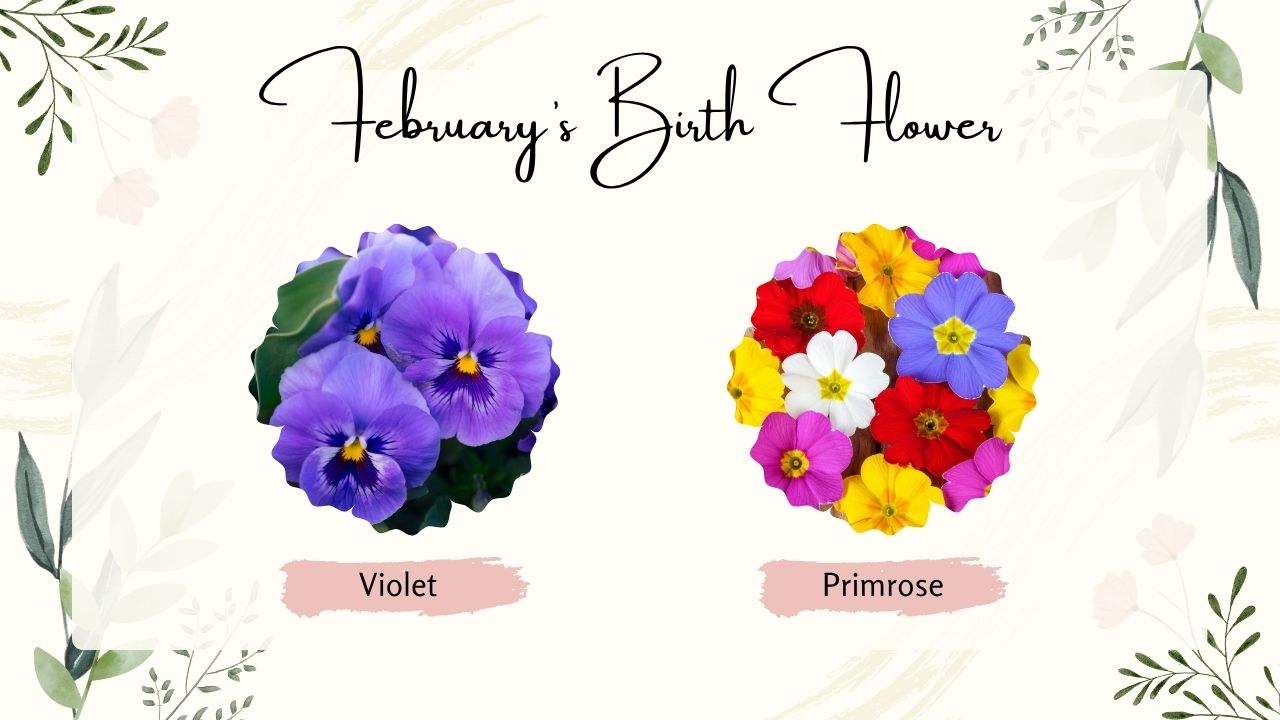
While many people associate February exclusively with roses—thanks to Valentine’s Day—the actual birth flowers for the month are the violet and the primrose.
It’s a surprising detail, especially since roses dominate store shelves every February. But when you look beyond commercial trends, February’s true birth flowers tell a much richer story—one rooted in quiet love, emotional depth, and the promise of renewal just beneath winter’s surface.
If January represents endurance, February feels more introspective. It’s about meaningful connections, subtle beauty, and the kind of love that lasts. That’s exactly what violets and primroses symbolize.
Let’s explore why these flowers define February—and why they might be more meaningful than roses ever could.
Why February’s Birth Flowers Feel Different
Not all birth flowers are bold or attention-grabbing. February’s flowers stand out because they do the opposite.
Violets grow low and often go unnoticed unless you’re looking for them. Primroses bloom early, quietly signaling that winter won’t last forever. Together, they reflect a personality that values depth over display.
People born in February are often described as:
- Thoughtful rather than loud
- Loyal rather than fleeting
- Emotionally strong, even if they don’t show it openly
These qualities align perfectly with the symbolism of both flowers.
Violet: The Flower of Quiet Loyalty
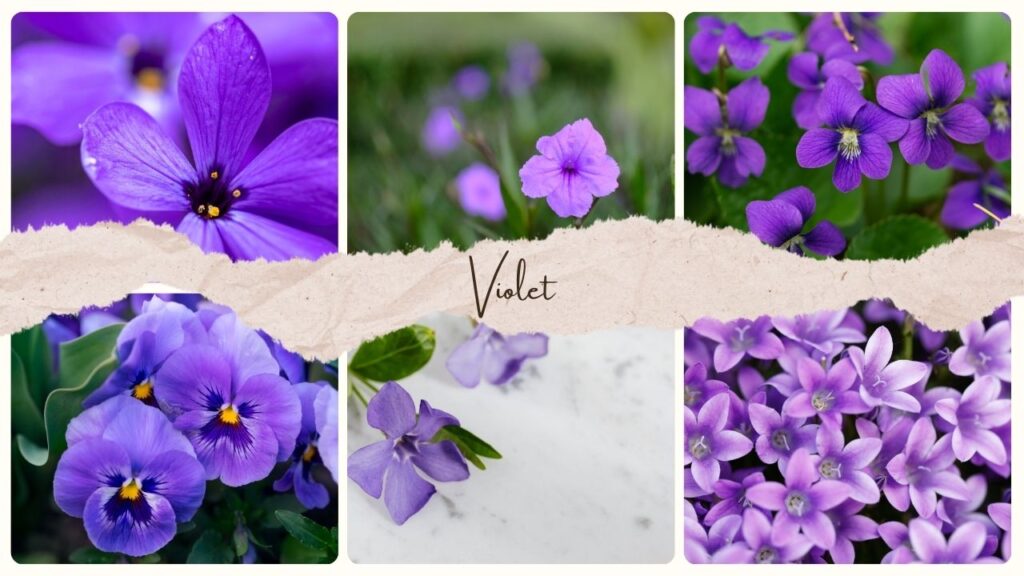
The violet (Viola) is February’s primary birth flower, and it carries a kind of understated elegance that’s hard to ignore once you notice it.
Unlike showy blooms, violets don’t try to dominate a space. They sit close to the ground, often tucked beneath leaves, yet their color—usually a rich purple or deep blue—draws you in.
What Makes Violets So Meaningful?
Violets symbolize:
- Faithfulness and loyalty
- Modesty and humility
- Deep, enduring love
- Spiritual awareness
There’s something almost poetic about a flower that represents love without needing to announce it. In many ways, violets are the opposite of roses. They don’t shout—they stay.
A Historical Perspective
Violets have been admired for centuries. In ancient Greece, they were associated with love and fertility. In Victorian England, they became a symbol of faithfulness—often exchanged between lovers as a quiet promise.
Writers and poets have also referenced violets as symbols of sincerity. Their meaning has remained consistent over time, which is rare in floral symbolism.
The Psychology of Violet Lovers
If someone connects with violets, they’re often:
- Emotionally intuitive
- Deep thinkers
- Loyal in relationships
- Drawn to authenticity over appearance
From my experience, people who prefer violets tend to value meaning over trends. They’re not easily impressed—but they’re deeply appreciative.
Why the Violet Represents February Births?
The violet fits February naturally because it thrives in cooler conditions and blooms quietly without needing attention—just like the mood of the month itself.
More importantly, its symbolism of loyalty, modesty, and deep emotional connection reflects the personality traits often associated with February-born individuals. It represents love that is steady and enduring, making it a meaningful match for a month linked to Valentine’s Day—but in a more subtle and lasting way than roses.
Primrose: The First Whisper of Spring
If violets represent steady love, primroses represent beginnings.
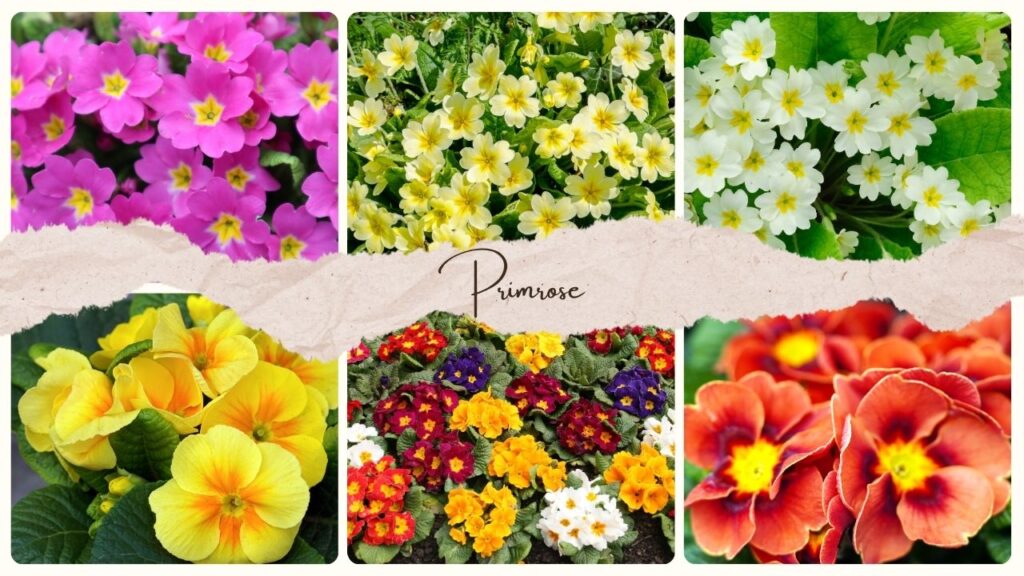
The primrose (Primula) is February’s secondary birth flower, and its name literally means “first rose.” Despite the name, it’s not related to roses at all—it stands on its own as a symbol of early renewal.
What Does the Primrose Represent?
Primroses symbolize:
- Young love
- Fresh starts
- Devotion
- Hope and renewal
They bloom early—sometimes even before winter fully ends. That timing gives them a special kind of symbolism: the idea that something new can begin even before the old has completely faded.
A Seasonal Symbol That Makes Sense
February is a transitional month. It’s still cold, but there’s a subtle shift happening. Days get slightly longer. The air changes. There’s a feeling—hard to describe—that something is coming.
Primroses capture that feeling perfectly.
They’re not the full arrival of spring. They’re the hint of it.
Cultural Meaning of Primroses
In folklore, primroses were often associated with protection and love. In some traditions, giving a primrose meant “I can’t live without you.”
That’s a powerful message for such a delicate flower.
Why the Primrose Represents February Births?
The primrose represents February because it blooms early, often before winter has fully ended. This makes it a symbol of change, hope, and new beginnings—all key themes of the month.
It complements the violet by adding the idea of fresh emotional starts, reflecting how February is not just about lasting love, but also about new connections and possibilities.
Violet vs. Primrose: Two Sides of February
What makes February’s birth flowers unique is how well they complement each other.
Violet
- Represents lasting love
- Feels grounded and steady
- Symbolizes emotional depth
Primrose
- Represents new love
- Feels light and hopeful
- Symbolizes fresh beginnings
Together, they tell a complete story: love that begins, and love that endures.
This dual symbolism makes February one of the most emotionally rich months when it comes to birth flowers.
Why Roses Took Over February (But Don’t Belong There)
It’s impossible to talk about February flowers without mentioning roses.
Roses became associated with February largely because of Valentine’s Day and the commercialization of romantic gifting. Over time, they overshadowed the actual birth flowers.
But here’s the interesting part: roses symbolize passion and romance, while February’s true flowers focus on loyalty and emotional connection.
One is intense. The other is lasting.
That’s why, in many ways, violets and primroses feel more authentic to the month.
How to Use February Birth Flowers in Real Life
Understanding these flowers is one thing. Using them meaningfully is another.
1. Personalized Gifts That Feel Thoughtful
Instead of defaulting to roses, gifting violets or primroses shows intention. It tells the person you’ve thought beyond the obvious.
A small bouquet of violets, for example, can carry more emotional weight than a dozen roses.
2. Customized Calendars (Highly Underrated)
Just like with January’s flowers, February’s birth flowers work beautifully in customized calendars.
You can:
- Feature violets or primroses in February’s design
- Add a short line like “Violet – Symbol of Loyalty”
- Highlight important dates like birthdays or anniversaries
This transforms a simple calendar into something personal and meaningful.
3. Home Styling with Seasonal Meaning
Adding violets or primrose-inspired décor can subtly reflect the season.
Think:
- Floral prints
- Minimal arrangements
- Soft purple or pastel color palettes
It’s a quiet way to bring symbolism into everyday life.
4. Digital and Creative Uses
These flowers also work well in:
- Birthday graphics
- Social media posts
- Printable planners
- Greeting cards
Their softer aesthetic stands out in a world full of bold, overused designs.
Growing Violet and Primrose at Home
If you enjoy gardening, both flowers are relatively approachable.
Growing Violets
- Prefer partial shade
- Thrive in cool conditions
- Need well-drained, slightly moist soil
- Spread naturally over time
Violets are great for ground cover and can create a soft, natural look in gardens.
Growing Primroses
- Do well in partial shade
- Prefer moist, rich soil
- Bloom in early spring
- Work well in borders and containers
Primroses are ideal if you want early color in your garden before most plants wake up.
A Few Interesting Facts You Might Not Know
- Violets are edible and sometimes used in desserts and teas
- They have been used in herbal remedies for centuries
- Primroses were once believed to open the door to fairy realms in folklore
- Both flowers are associated with themes of protection and emotional healing
These little details add depth to their symbolism and make them even more fascinating.
Final Thoughts
February’s birth flowers—the violet and the primrose—offer something rare: symbolism that feels both personal and timeless.
They don’t rely on bold colors or dramatic presence. Instead, they represent something deeper—loyalty, renewal, and the quiet strength of love that lasts.
And maybe that’s the real takeaway here.
While roses may dominate February in popular culture, they don’t define it. Violets and primroses do—softly, consistently, and meaningfully.
If you’re celebrating a February birthday or simply looking for a flower that carries real emotional weight, these two are more than enough.