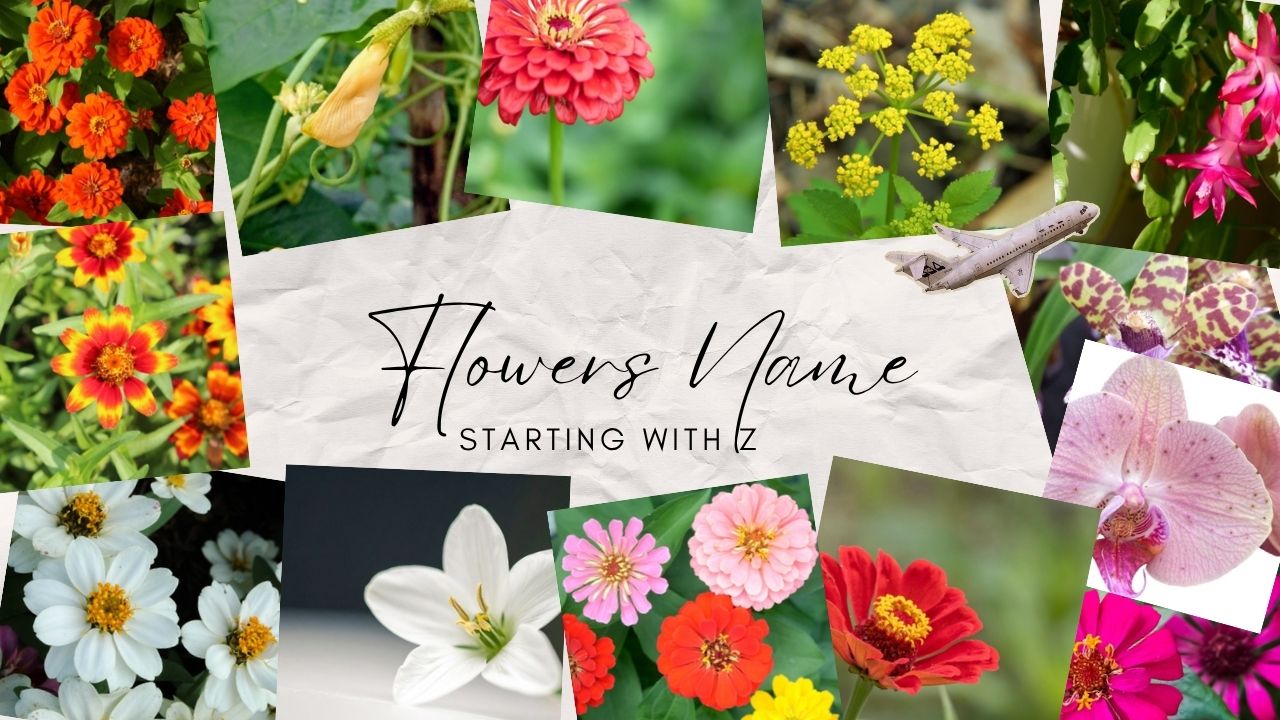
Hi there! Reaching the letter Z in our flower A–Z journey feels a bit like discovering a hidden corner of the botanical world. While Z-flowers are not very common, they include some fascinating and beautiful plants that deserve a spot in the spotlight.
From the colorful zinnia to the delicate zephyranthes (rain lily) and tropical zygopetalum orchids, these flowers offer unique shapes, vivid colors, and fascinating growing habits.
Below is a carefully curated list of 20 real flowers that begin with “Z”, complete with essential details and beginner-friendly growing tips.
1. Zinnia
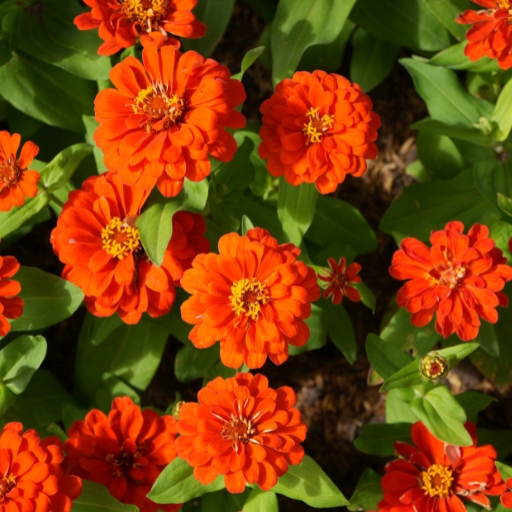
Scientific Name: Zinnia elegans
Native Region: Mexico, Central America
Blooming Time: Summer to fall
Flower Colors: Red, pink, yellow, orange, white, purple
Aroma: Mild
Interesting Facts:
- One of the easiest flowers to grow from seed
- A favorite for butterflies and pollinators
How to Plant / Growing Tips:
- Plant in full sun
- Use well-drained soil
- Water moderately
- Deadhead to encourage blooms
2. Zephyranthes (Rain Lily)
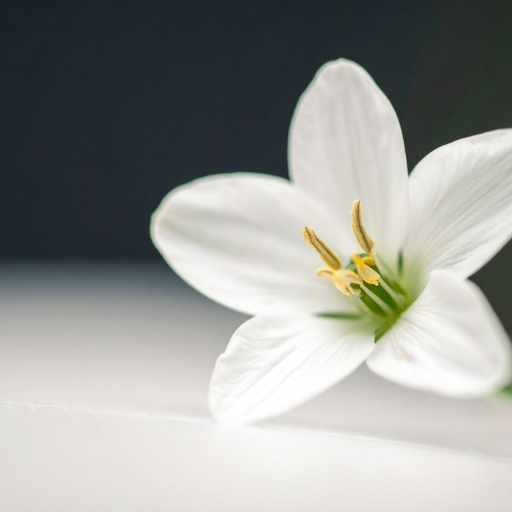
Scientific Name: Zephyranthes spp.
Native Region: Americas
Blooming Time: Late spring to summer
Flower Colors: White, pink, yellow
Aroma: Light
Interesting Facts:
- Often blooms suddenly after rainfall
- Also called “fairy lily”
How to Plant / Growing Tips:
- Plant in full sun
- Use well-drained soil
- Water after dry periods
- Allow bulbs to naturalize
3. Zygopetalum Orchid
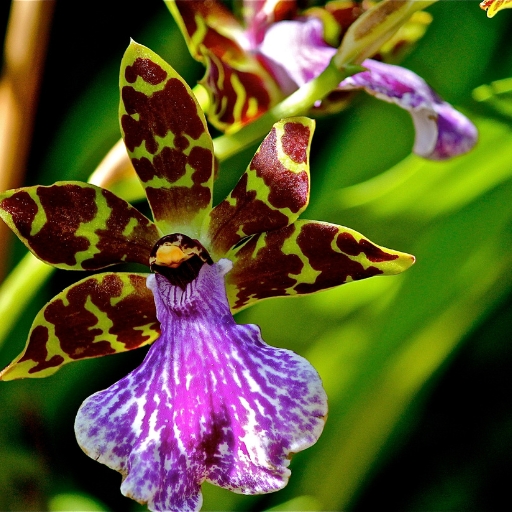
Scientific Name: Zygopetalum spp.
Native Region: South America
Blooming Time: Fall to winter
Flower Colors: Purple, green, burgundy
Aroma: Strong, sweet fragrance
Interesting Facts:
- Known for its dramatic color patterns
- Popular among orchid collectors
How to Plant / Growing Tips:
- Grow in bright indirect light
- Use orchid potting mix
- Maintain humidity
- Water regularly but avoid soggy soil
4. Zantedeschia (Calla Lily)
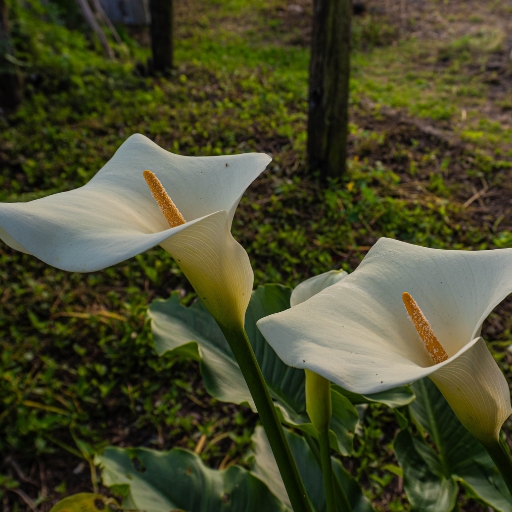
Scientific Name: Zantedeschia aethiopica
Native Region: South Africa
Blooming Time: Spring to summer
Flower Colors: White, yellow, pink, purple
Aroma: Light
Interesting Facts:
- Despite the name, not a true lily
- Popular wedding flower
How to Plant / Growing Tips:
- Plant in full sun to partial shade
- Use moist, well-drained soil
- Water regularly
- Mulch around roots
5. Zauschneria (California Fuchsia)
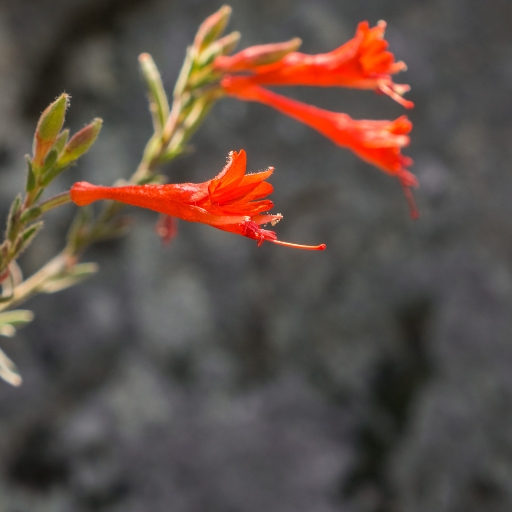
Scientific Name: Epilobium canum
Native Region: Western North America
Blooming Time: Summer to fall
Flower Colors: Bright red, orange
Aroma: Mild
Interesting Facts:
- Attracts hummingbirds
- Drought tolerant
How to Plant / Growing Tips:
- Plant in full sun
- Use well-drained soil
- Water lightly once established
- Prune after flowering
6. Zinnia Haageana (Mexican Zinnia)
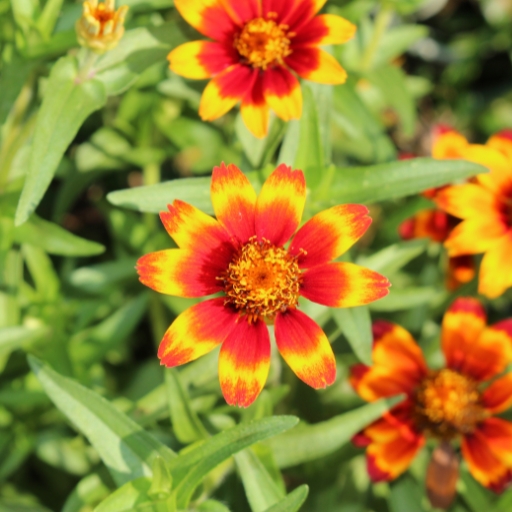
Scientific Name: Zinnia haageana
Native Region: Mexico
Blooming Time: Summer to fall
Flower Colors: Yellow, orange, red
Aroma: Mild
Interesting Facts:
- Smaller but very vibrant flowers
- Excellent pollinator plant
How to Plant / Growing Tips:
- Plant in full sun
- Use well-drained soil
- Water moderately
- Deadhead regularly
7. Zizia (Golden Alexanders)

Scientific Name: Zizia aurea
Native Region: North America
Blooming Time: Spring
Flower Colors: Yellow
Aroma: Mild
Interesting Facts:
- Native wildflower
- Important host plant for swallowtail butterflies
How to Plant / Growing Tips:
- Plant in full sun to partial shade
- Use moist soil
- Water moderately
- Suitable for wildflower gardens
8. Zelkova Flower
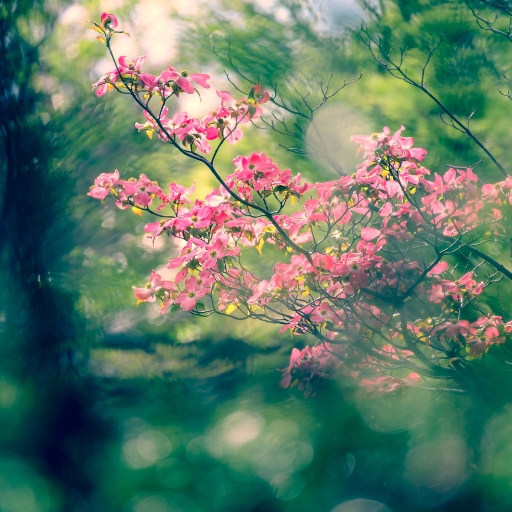
Scientific Name: Zelkova serrata
Native Region: East Asia
Blooming Time: Spring
Flower Colors: Greenish
Aroma: Mild
Interesting Facts:
- Primarily grown as an ornamental tree
- Related to elm trees
How to Plant / Growing Tips:
- Plant in full sun
- Use well-drained soil
- Water during early growth
- Allow space for mature size
9. Zornia Flower

Scientific Name: Zornia diphylla
Native Region: Tropical regions worldwide
Blooming Time: Summer
Flower Colors: Yellow
Aroma: Mild
Interesting Facts:
- Small but colorful wildflower
- Often found in grasslands
How to Plant / Growing Tips:
- Plant in full sun
- Use sandy soil
- Water lightly
- Thrives in warm climates
10. Zygophyllum Flower
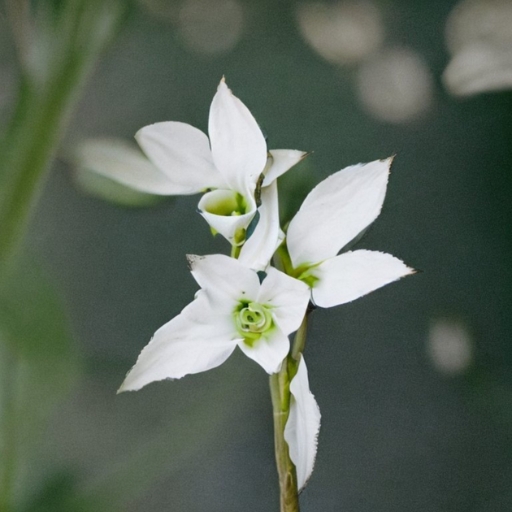
Scientific Name: Zygophyllum spp.
Native Region: Africa, Middle East
Blooming Time: Spring
Flower Colors: Yellow
Aroma: Mild
Interesting Facts:
- Adapted to desert environments
- Succulent leaves conserve water
How to Plant / Growing Tips:
- Plant in full sun
- Use sandy soil
- Water sparingly
- Ideal for xeriscaping
11. Zaluzianskya (Night Phlox)
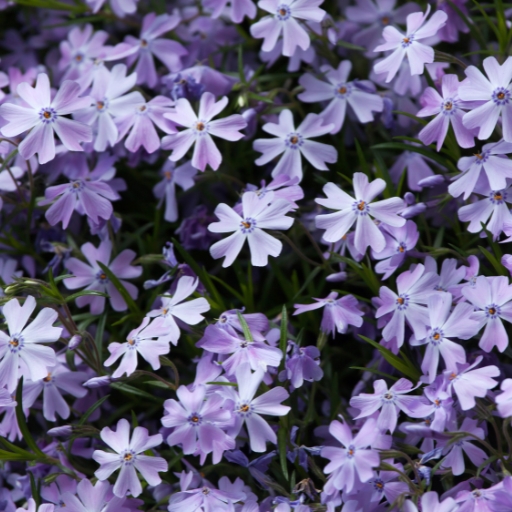
Scientific Name: Zaluzianskya capensis
Native Region: South Africa
Blooming Time: Summer
Flower Colors: White with purple backs
Aroma: Strong sweet fragrance at night
Interesting Facts:
- Flowers open at night
- Extremely fragrant evening bloom
How to Plant / Growing Tips:
- Plant in full sun
- Use well-drained soil
- Water moderately
- Ideal for evening gardens
12. Zinnia Angustifolia

Scientific Name: Zinnia angustifolia
Native Region: Mexico
Blooming Time: Summer to fall
Flower Colors: Yellow, orange
Aroma: Mild
Interesting Facts:
- Heat and drought tolerant
- Compact plant suitable for borders
How to Plant / Growing Tips:
- Plant in full sun
- Use well-drained soil
- Water moderately
- Great for containers
13. Zinnia Peruviana
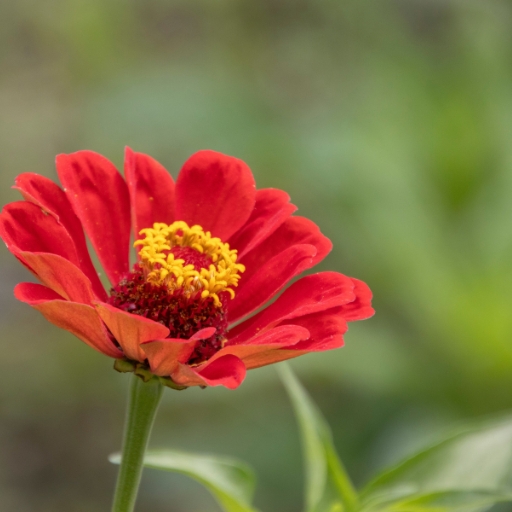
Scientific Name: Zinnia peruviana
Native Region: South America
Blooming Time: Summer
Flower Colors: Red, orange
Aroma: Mild
Interesting Facts:
- Smaller wild species of zinnia
- Very hardy in warm climates
How to Plant / Growing Tips:
- Plant in full sun
- Use well-drained soil
- Water lightly
- Easy to grow from seeds
14. Zygosepalum Orchid
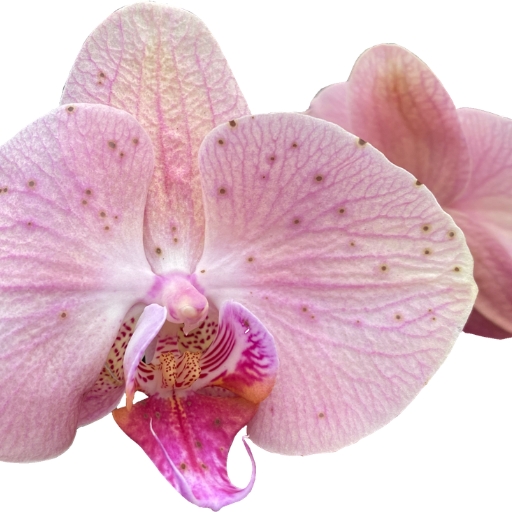
Scientific Name: Zygosepalum spp.
Native Region: South America
Blooming Time: Winter
Flower Colors: Purple, green
Aroma: Mild
Interesting Facts:
- Rare orchid genus
- Attractive spotted petals
How to Plant / Growing Tips:
- Grow in bright indirect light
- Use orchid mix
- Maintain humidity
- Water regularly
15. Zanthoxylum Flower
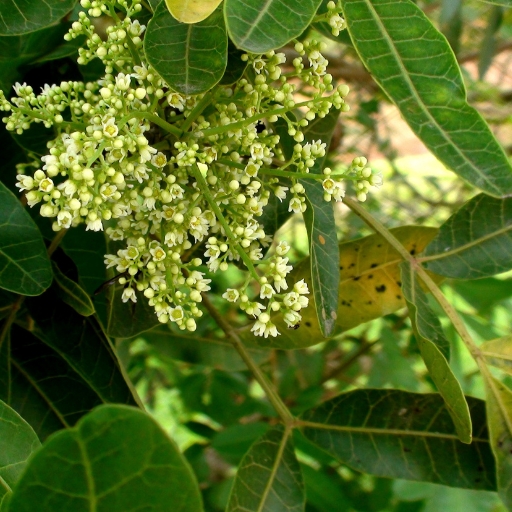
Scientific Name: Zanthoxylum americanum
Native Region: North America
Blooming Time: Spring
Flower Colors: Greenish yellow
Aroma: Mild
Interesting Facts:
- Known as prickly ash
- Related to Sichuan pepper
How to Plant / Growing Tips:
- Plant in full sun
- Use well-drained soil
- Water moderately
- Protect from strong wind
16. Zinnia Marylandica
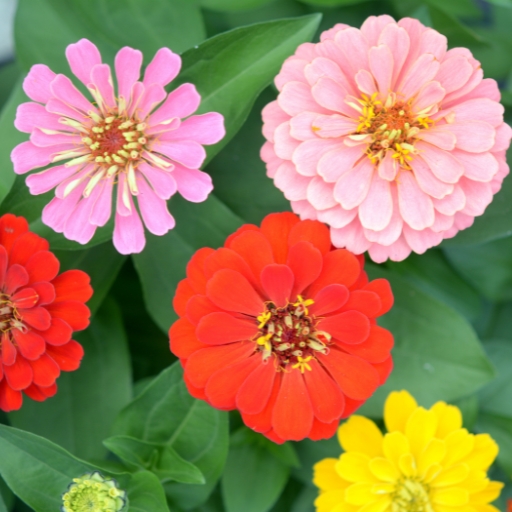
Scientific Name: Zinnia marylandica
Native Region: Hybrid origin (United States)
Blooming Time: Summer to fall
Flower Colors: Orange, yellow, red
Aroma: Mild
Interesting Facts:
- Highly disease-resistant hybrid
- Continuous blooming variety
How to Plant / Growing Tips:
- Plant in full sun
- Use fertile soil
- Water moderately
- Deadhead to extend blooming
17. Zinnia Profusion Series
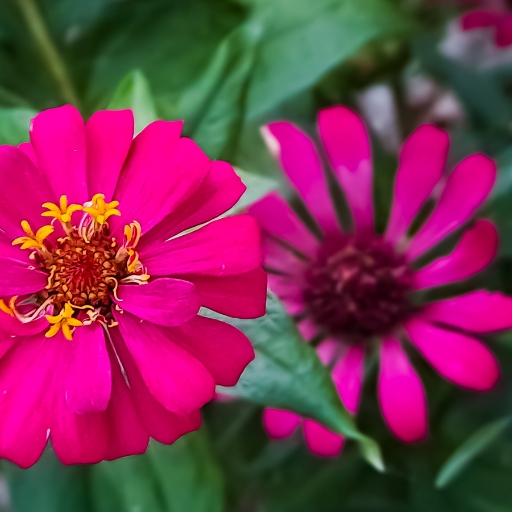
Scientific Name: Zinnia hybrida
Native Region: Hybrid cultivar
Blooming Time: Summer to fall
Flower Colors: Pink, orange, white
Aroma: Mild
Interesting Facts:
- Award-winning garden variety
- Extremely long blooming season
How to Plant / Growing Tips:
- Plant in full sun
- Use well-drained soil
- Water regularly
- Great for borders
18. Zygocactus Flower (Christmas Cactus)
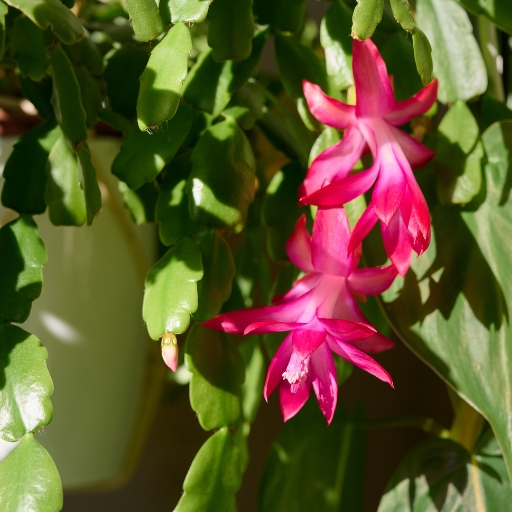
Scientific Name: Schlumbergera bridgesii
Native Region: Brazil
Blooming Time: Winter
Flower Colors: Pink, red, white
Aroma: Mild
Interesting Facts:
- Popular winter houseplant
- Blooms around Christmas
How to Plant / Growing Tips:
- Grow in bright indirect light
- Use well-drained potting soil
- Water moderately
- Avoid direct sun
19. Zygopetalum Mackayi
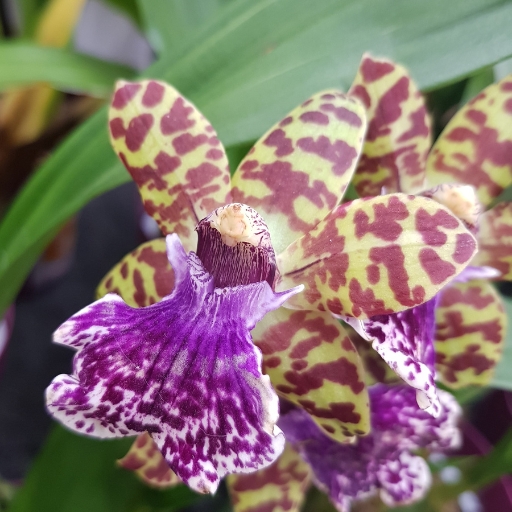
Scientific Name: Zygopetalum mackayi
Native Region: Brazil
Blooming Time: Winter
Flower Colors: Purple, green
Aroma: Strong fragrance
Interesting Facts:
- One of the most fragrant orchids
- Long-lasting blooms
How to Plant / Growing Tips:
- Grow in indirect light
- Use orchid mix
- Maintain humidity
- Water regularly
20. Zinnia Zahara Series
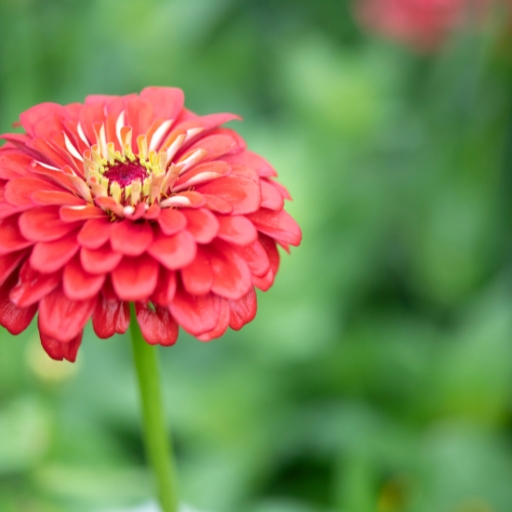
Scientific Name: Zinnia hybrida
Native Region: Hybrid cultivar
Blooming Time: Summer to fall
Flower Colors: Yellow, red, pink
Aroma: Mild
Interesting Facts:
- Highly drought tolerant
- Excellent landscape flower
How to Plant / Growing Tips:
- Plant in full sun
- Use well-drained soil
- Water moderately
- Remove faded flowers
Final Thoughts
Flowers that start with the letter Z may be rare, but they certainly don’t lack beauty. From the colorful charm of zinnias to the exotic elegance of zygopetalum orchids and the fragrant nighttime bloom of Zaluzianskya, these plants offer plenty of personality for gardeners who enjoy something unique.
Now here’s a simple question for you: Which of these “Z” flowers would you love to grow and showcase in your garden?