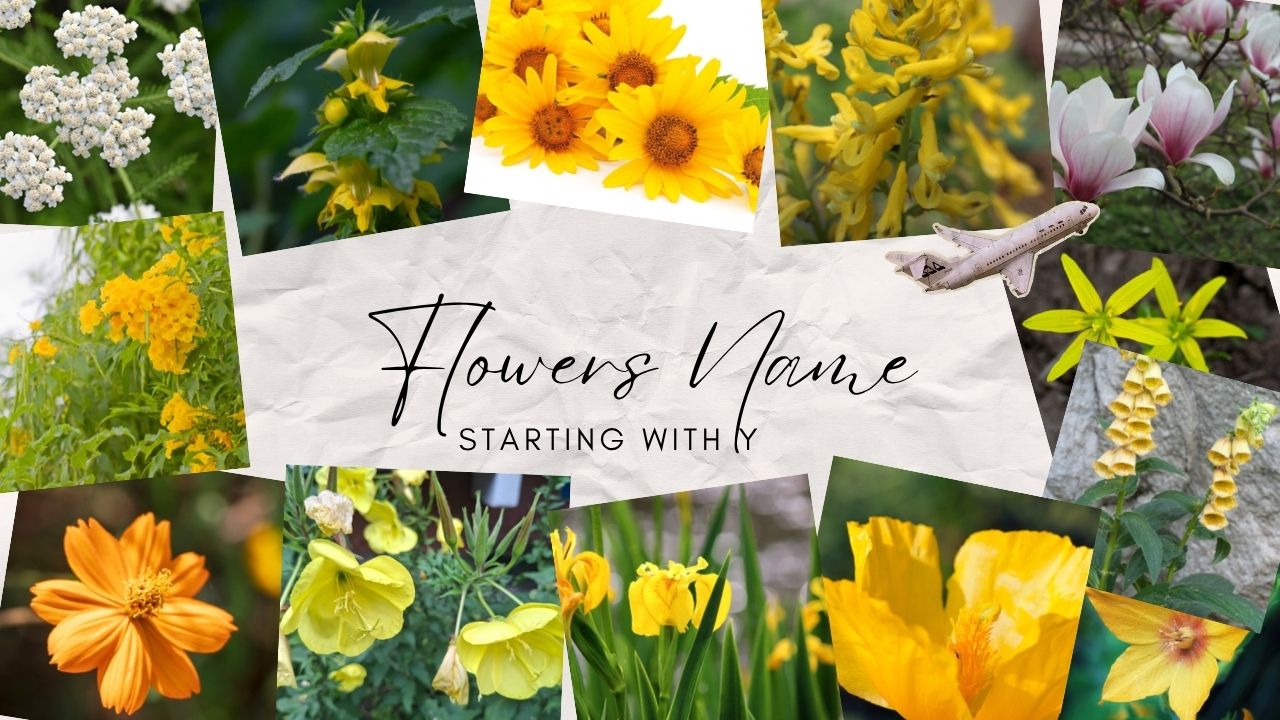
Hi again! As we continue our journey through the A–Z flower series, we’ve arrived at the letter Y, a category that may be small but still holds some charming botanical surprises. While not as common as many other letters, Y-flowers bring distinctive beauty and interesting garden value.
Below is a carefully curated list of 20 real flowers that begin with “Y.” Each one includes helpful details and beginner-friendly growing tips so gardeners can understand how these uncommon plants thrive.
1. Yarrow
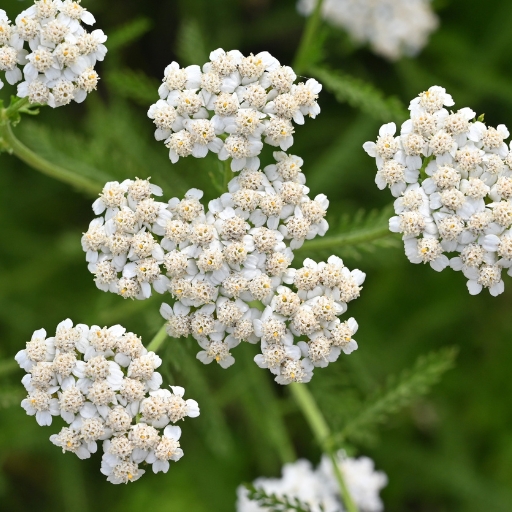
Scientific Name: Achillea millefolium
Native Region: Europe, Asia, North America
Blooming Time: Late spring to early fall
Flower Colors: White, yellow, pink, red
Aroma: Herbal, slightly spicy
Interesting Facts:
- Known for its medicinal properties
- Attracts butterflies and pollinators
How to Plant / Growing Tips:
- Plant in full sun
- Use well-drained soil
- Water lightly once established
- Divide plants every few years
2. Yellow Archangel
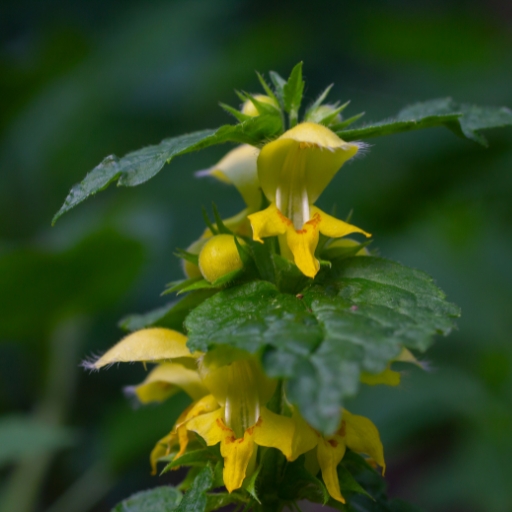
Scientific Name: Lamium galeobdolon
Native Region: Europe
Blooming Time: Spring
Flower Colors: Yellow
Aroma: Mild
Interesting Facts:
- A fast-growing ground cover
- Leaves often have attractive silver markings
How to Plant / Growing Tips:
- Plant in partial shade
- Use moist, well-drained soil
- Water moderately
- Trim to control spread
3. Yellow Bells
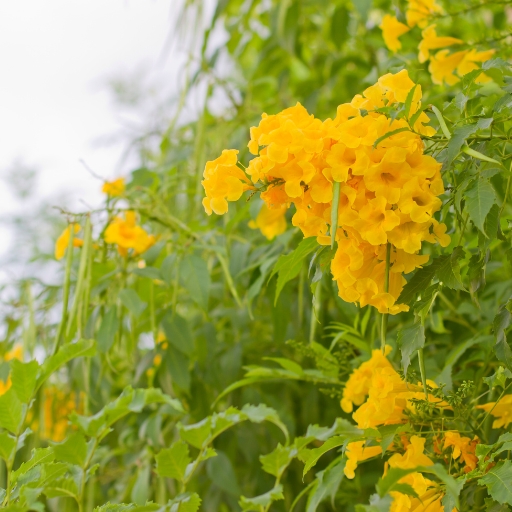
Scientific Name: Tecoma stans
Native Region: Americas
Blooming Time: Spring to fall
Flower Colors: Bright yellow
Aroma: Mild
Interesting Facts:
- Also called “Esperanza”
- Attractive to hummingbirds
How to Plant / Growing Tips:
- Plant in full sun
- Use well-drained soil
- Water moderately
- Prune regularly for shape
4. Yellow Cosmos
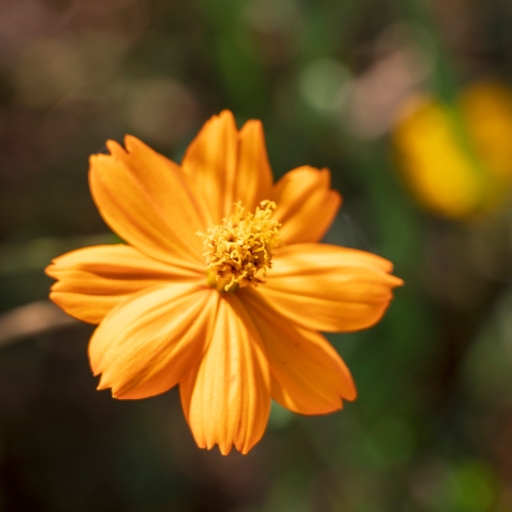
Scientific Name: Cosmos sulphureus
Native Region: Mexico
Blooming Time: Summer to fall
Flower Colors: Yellow, orange
Aroma: Mild
Interesting Facts:
- Heat-tolerant annual flower
- Excellent pollinator plant
How to Plant / Growing Tips:
- Plant in full sun
- Use well-drained soil
- Water moderately
- Deadhead to prolong blooms
5. Yellow Daylily
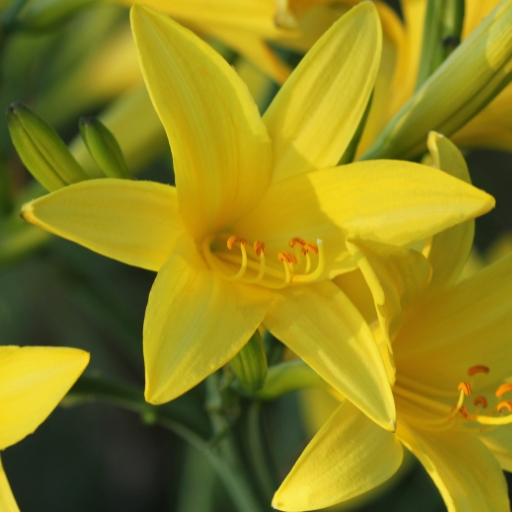
Scientific Name: Hemerocallis lilioasphodelus
Native Region: Asia
Blooming Time: Late spring to summer
Flower Colors: Yellow
Aroma: Light sweet fragrance
Interesting Facts:
- Each bloom lasts only one day
- Extremely hardy perennial
How to Plant / Growing Tips:
- Plant in full sun
- Use well-drained soil
- Water regularly
- Divide clumps every few years
6. Yellow Flag Iris
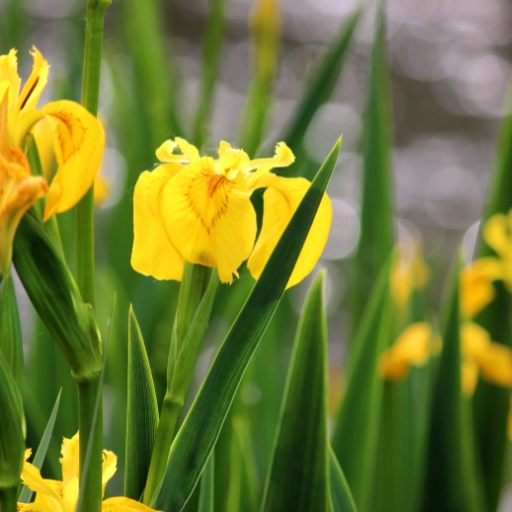
Scientific Name: Iris pseudacorus
Native Region: Europe, Asia
Blooming Time: Spring to early summer
Flower Colors: Yellow
Aroma: Mild
Interesting Facts:
- Common in wetlands and pond edges
- Tall, elegant iris species
How to Plant / Growing Tips:
- Plant in full sun
- Use moist soil
- Water frequently
- Ideal for water gardens
7. Yellow Foxglove
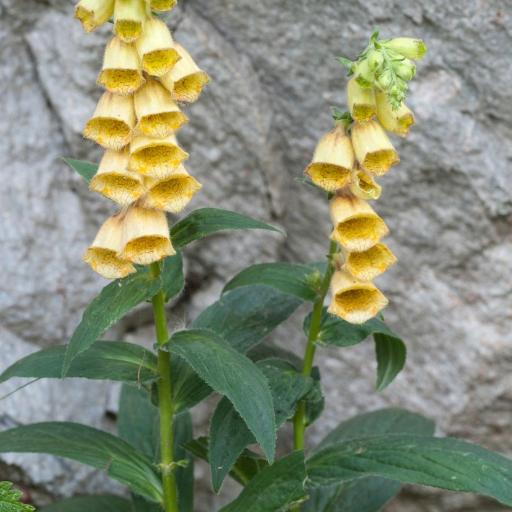
Scientific Name: Digitalis grandiflora
Native Region: Europe
Blooming Time: Early summer
Flower Colors: Pale yellow
Aroma: Mild
Interesting Facts:
- Related to the classic purple foxglove
- Attractive to bees
How to Plant / Growing Tips:
- Plant in partial shade
- Use well-drained soil
- Water regularly
- Protect from strong wind
8. Yellow Hornpoppy
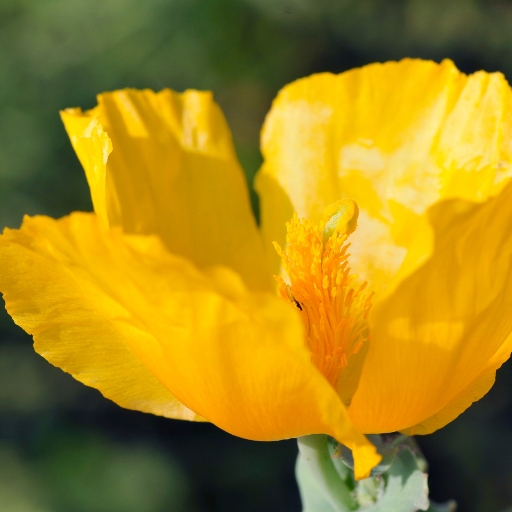
Scientific Name: Glaucium flavum
Native Region: Europe, Mediterranean
Blooming Time: Late spring to summer
Flower Colors: Yellow
Aroma: Mild
Interesting Facts:
- Coastal wildflower
- Produces long seed pods
How to Plant / Growing Tips:
- Plant in full sun
- Use sandy soil
- Water lightly
- Drought tolerant
9. Yellow Loosestrife
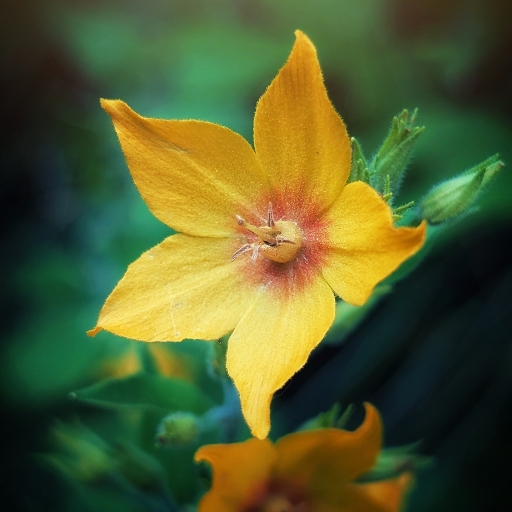
Scientific Name: Lysimachia punctata
Native Region: Europe
Blooming Time: Summer
Flower Colors: Yellow
Aroma: Mild
Interesting Facts:
- Bright star-shaped flowers
- Spreads quickly in gardens
How to Plant / Growing Tips:
- Plant in full sun
- Use moist soil
- Water regularly
- Control spreading roots
10. Yellow Star Flower
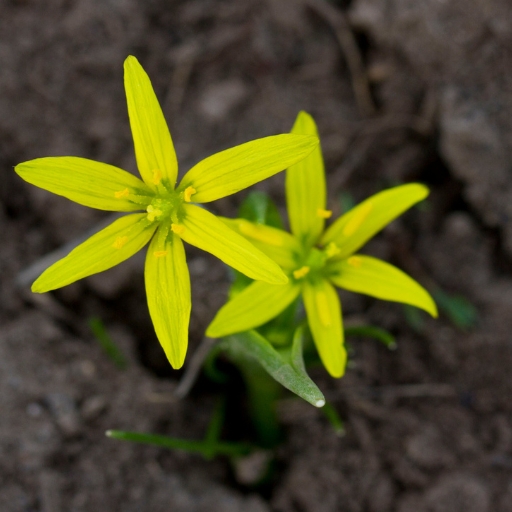
Scientific Name: Hypoxis hirsuta
Native Region: North America
Blooming Time: Spring to summer
Flower Colors: Yellow
Aroma: Mild
Interesting Facts:
- Native prairie wildflower
- Star-shaped petals
How to Plant / Growing Tips:
- Plant in full sun
- Use well-drained soil
- Water moderately
- Great for natural gardens
11. Yellow Toadflax
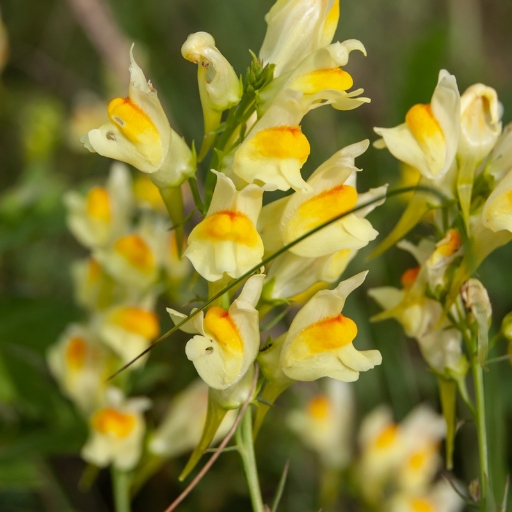
Scientific Name: Linaria vulgaris
Native Region: Europe, Asia
Blooming Time: Summer
Flower Colors: Yellow
Aroma: Mild
Interesting Facts:
- Snapdragons-like flowers
- Often found in wild meadows
How to Plant / Growing Tips:
- Plant in full sun
- Use well-drained soil
- Water moderately
- Easy to grow from seed
12. Yellow Trillium
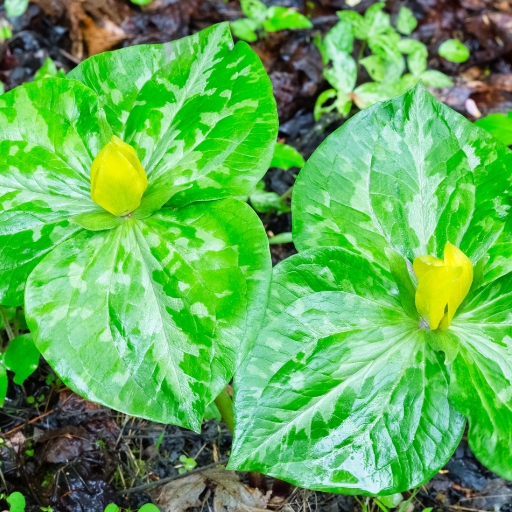
Scientific Name: Trillium luteum
Native Region: North America
Blooming Time: Spring
Flower Colors: Yellow
Aroma: Lemon-like scent
Interesting Facts:
- Woodland perennial
- Three-petaled flowers
How to Plant / Growing Tips:
- Plant in shade
- Use rich, moist soil
- Water regularly
- Avoid disturbing roots
13. Yellow Wood Sorrel
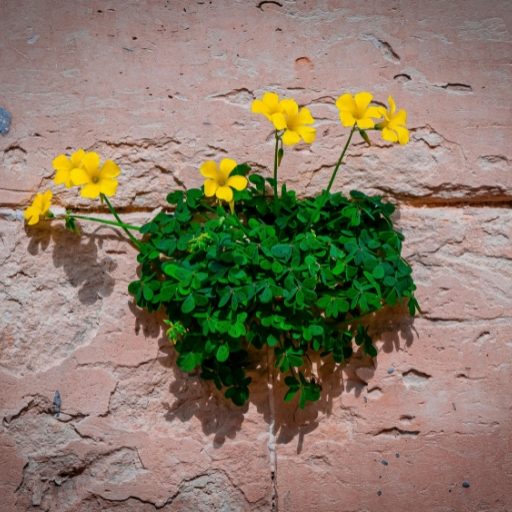
Scientific Name: Oxalis stricta
Native Region: North America
Blooming Time: Spring to fall
Flower Colors: Yellow
Aroma: Mild
Interesting Facts:
- Leaves resemble clover
- Edible leaves with sour taste
How to Plant / Growing Tips:
- Plant in full sun
- Use well-drained soil
- Water moderately
- Easy self-seeding plant
14. Yulan Magnolia
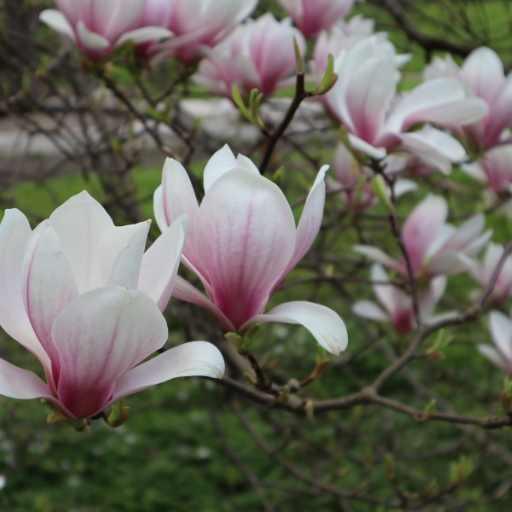
Scientific Name: Magnolia denudata
Native Region: China
Blooming Time: Early spring
Flower Colors: White
Aroma: Sweet fragrance
Interesting Facts:
- One of the oldest cultivated magnolias
- Large elegant blossoms
How to Plant / Growing Tips:
- Plant in full sun to partial shade
- Use rich, well-drained soil
- Water regularly
- Protect from strong winds
15. Yellow Corydalis
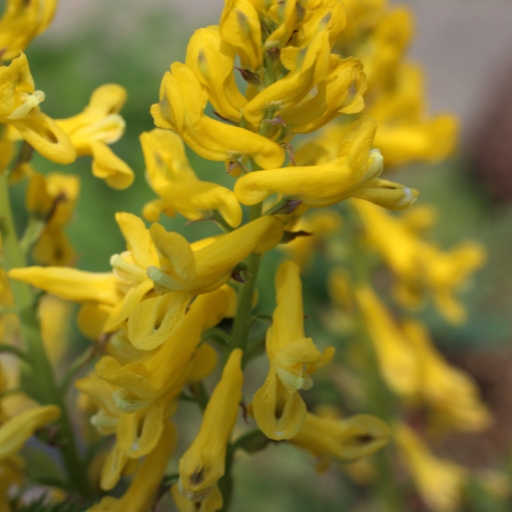
Scientific Name: Corydalis lutea
Native Region: Europe
Blooming Time: Spring to fall
Flower Colors: Yellow
Aroma: Mild
Interesting Facts:
- Long blooming period
- Excellent shade garden plant
How to Plant / Growing Tips:
- Plant in partial shade
- Use well-drained soil
- Water regularly
- Allow self-seeding
16. Yellow Daisy
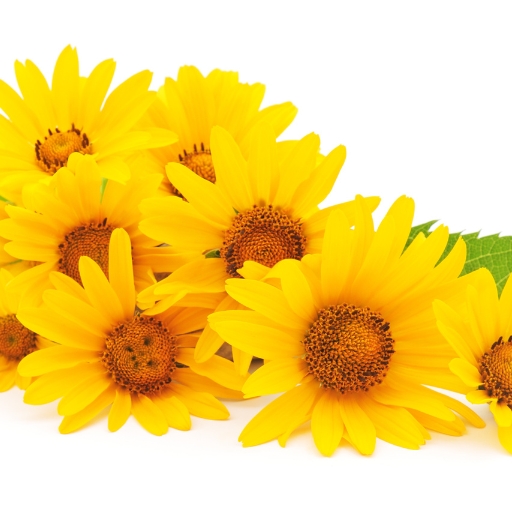
Scientific Name: Euryops pectinatus
Native Region: South Africa
Blooming Time: Winter to spring
Flower Colors: Yellow
Aroma: Mild
Interesting Facts:
- Bright daisy-like blooms
- Popular ornamental shrub
How to Plant / Growing Tips:
- Plant in full sun
- Use well-drained soil
- Water moderately
- Prune to maintain shape
17. Yellow Crown Imperial
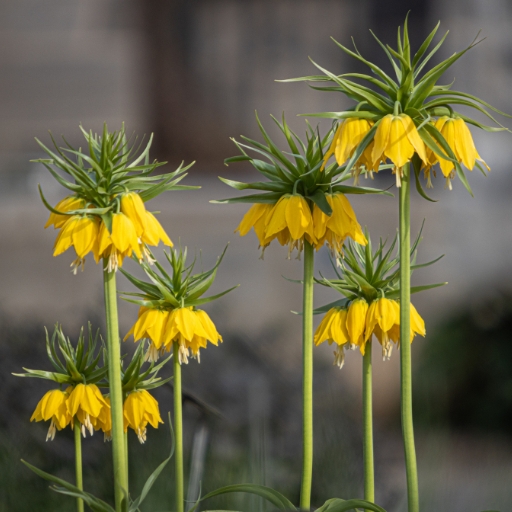
Scientific Name: Fritillaria imperialis
Native Region: Asia
Blooming Time: Spring
Flower Colors: Yellow, orange
Aroma: Strong musky scent
Interesting Facts:
- Tall, dramatic flower spikes
- Natural pest deterrent
How to Plant / Growing Tips:
- Plant bulbs in fall
- Use well-drained soil
- Grow in full sun
- Water moderately
18. Yellow Monkeyflower
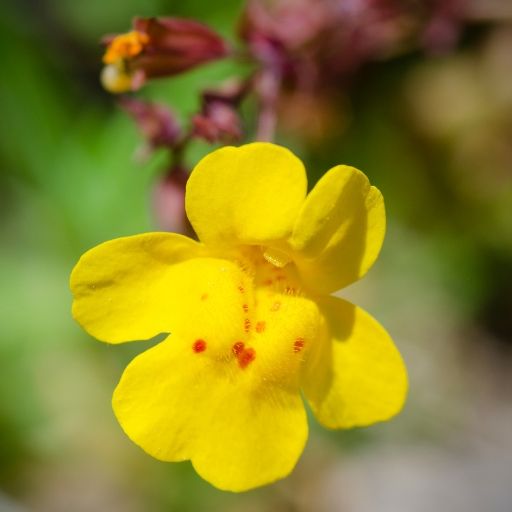
Scientific Name: Mimulus guttatus
Native Region: North America
Blooming Time: Spring to summer
Flower Colors: Yellow
Aroma: Mild
Interesting Facts:
- Named for its smiling flower shape
- Thrives near water
How to Plant / Growing Tips:
- Plant in partial shade
- Use moist soil
- Water regularly
- Ideal for pond edges
19. Yellow Evening Primrose
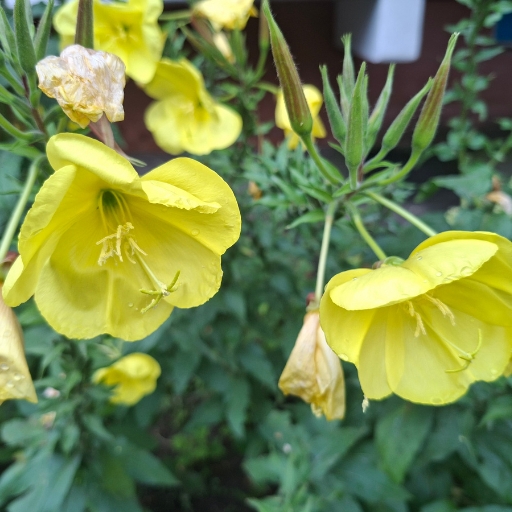
Scientific Name: Oenothera biennis
Native Region: North America
Blooming Time: Summer
Flower Colors: Yellow
Aroma: Light fragrance
Interesting Facts:
- Flowers open in the evening
- Seeds used for oil
How to Plant / Growing Tips:
- Plant in full sun
- Use well-drained soil
- Water moderately
- Allow self-seeding
20. Yellow Balsam
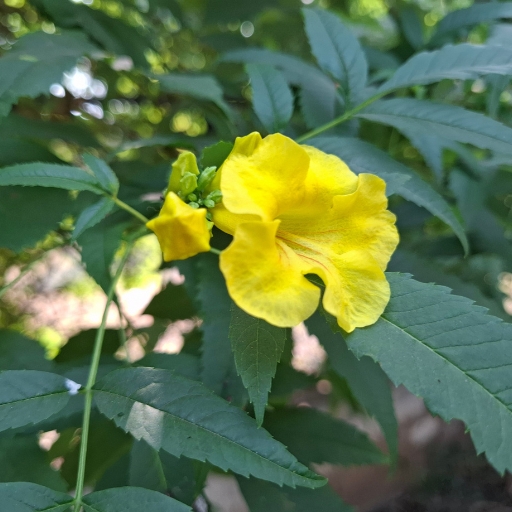
Scientific Name: Impatiens pallida
Native Region: North America
Blooming Time: Summer
Flower Colors: Yellow
Aroma: Mild
Interesting Facts:
- Also called “jewelweed”
- Seed pods burst when touched
How to Plant / Growing Tips:
- Plant in partial shade
- Use moist soil
- Water regularly
- Thrives in woodland areas
Final Thoughts
Flowers that start with the letter Y may be uncommon, but they still bring plenty of beauty and character to a garden. From the hardy charm of yarrow to the delicate elegance of Yulan magnolia, these blooms offer unique colors, fragrances, and ecological benefits that make them worth discovering.
Now here’s a simple question for you: Which of these “Y” flowers would you love to grow in your garden this season?