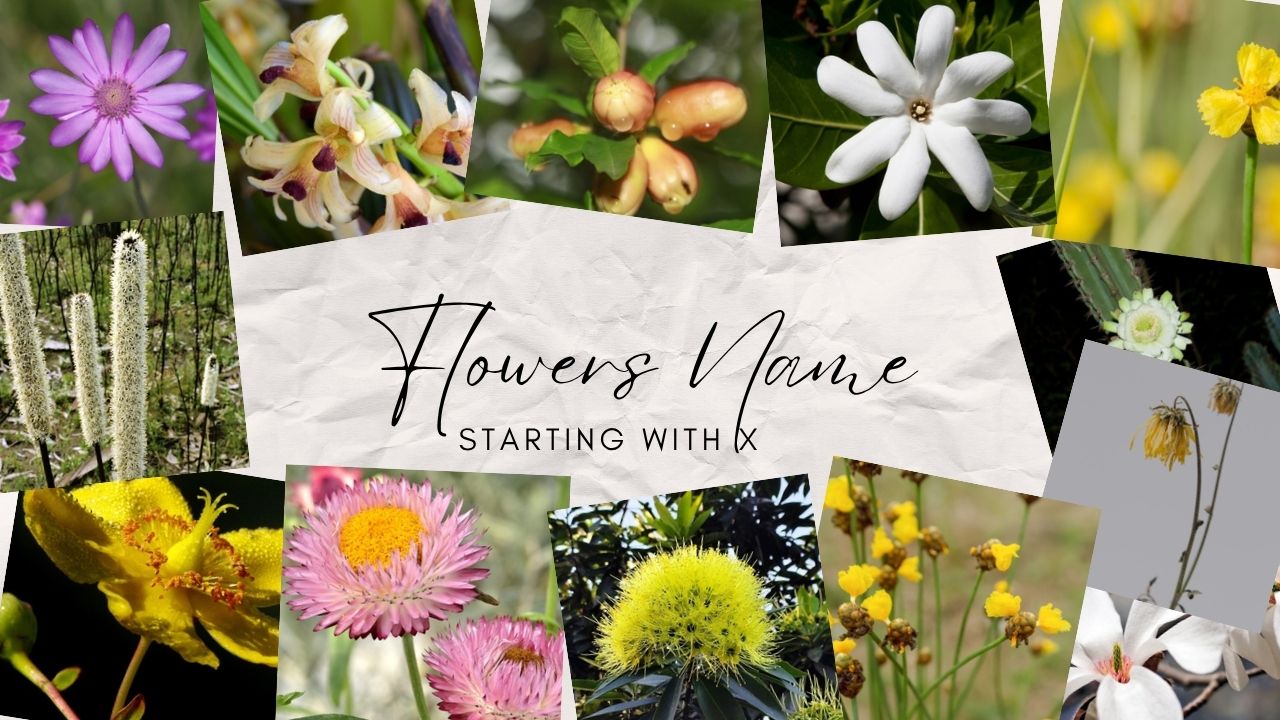
Hi there! If you’ve been exploring our A–Z flower series, you may have noticed that some letters bring a long list of familiar blooms—while others lead us into more unusual territory. The letter X is one of the rarest in the floral world, making this list especially interesting for curious gardeners and plant lovers.
Below is a carefully curated list of 20 real flowers connected with botanical names that begin with “X.” Many come from specialized genera or species used in botanical gardens and collectors’ gardens. Each entry includes helpful growing tips so gardeners can learn how these unique plants grow and thrive.
1. Xeranthemum (Everlasting Flower)
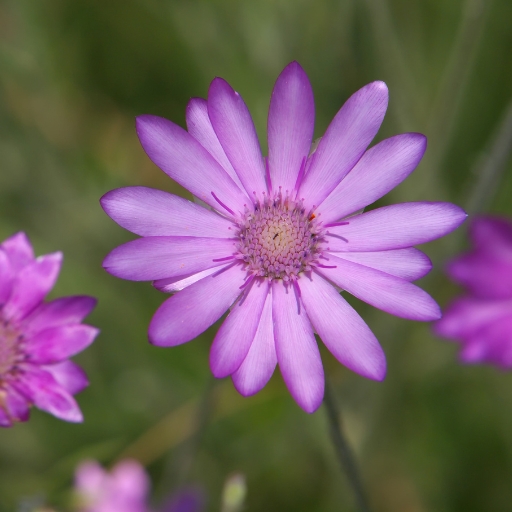
Scientific Name: Xeranthemum annuum
Native Region: Mediterranean region
Blooming Time: Summer
Flower Colors: Purple, pink, white
Aroma: Mild
Interesting Facts:
- Known as an “everlasting flower” because it retains shape when dried
- Popular in dried floral arrangements
How to Plant / Growing Tips:
- Plant in full sun
- Use well-drained soil
- Water lightly
- Ideal for dry climates
2. Xanthoceras (Yellowhorn Flower)
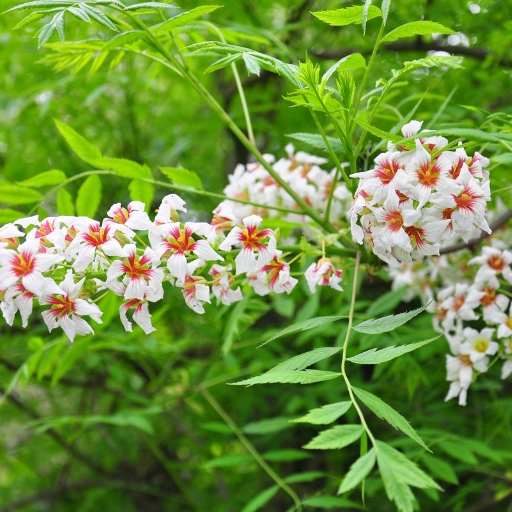
Scientific Name: Xanthoceras sorbifolium
Native Region: Northern China
Blooming Time: Spring
Flower Colors: White with red or yellow centers
Aroma: Light fragrance
Interesting Facts:
- Flowers resemble small orchids
- Produces edible seeds
How to Plant / Growing Tips:
- Plant in full sun
- Use well-drained soil
- Water moderately
- Protect young trees from strong wind
3. Xylosma Flower
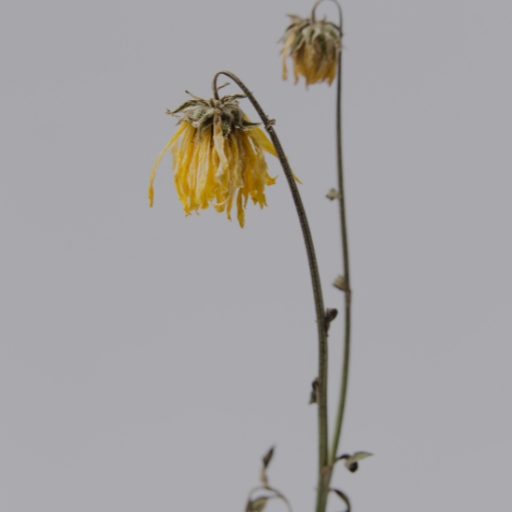
Scientific Name: Xylosma congestum
Native Region: East Asia
Blooming Time: Spring
Flower Colors: Yellow-green
Aroma: Light
Interesting Facts:
- Often used as a hedge plant
- Flowers attract pollinators
How to Plant / Growing Tips:
- Plant in full sun
- Use well-drained soil
- Water regularly during establishment
- Trim to maintain shape
4. Xylopia Flower
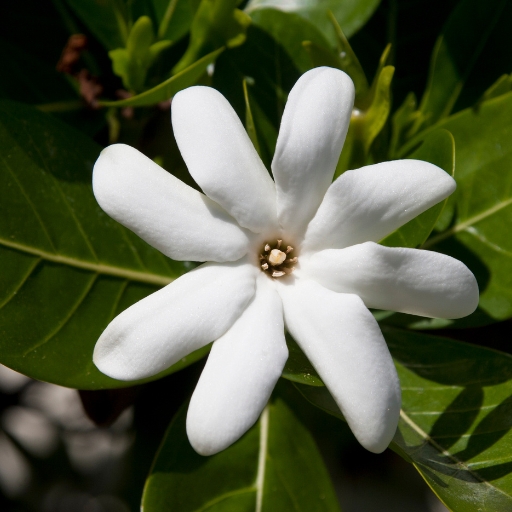
Scientific Name: Xylopia aromatica
Native Region: Tropical Americas
Blooming Time: Spring to summer
Flower Colors: Yellow, cream
Aroma: Spicy fragrance
Interesting Facts:
- Belongs to the custard apple family
- Fruits sometimes used as spice
How to Plant / Growing Tips:
- Plant in warm climates
- Use fertile soil
- Water regularly
- Protect from frost
5. Xerochrysum (Strawflower)
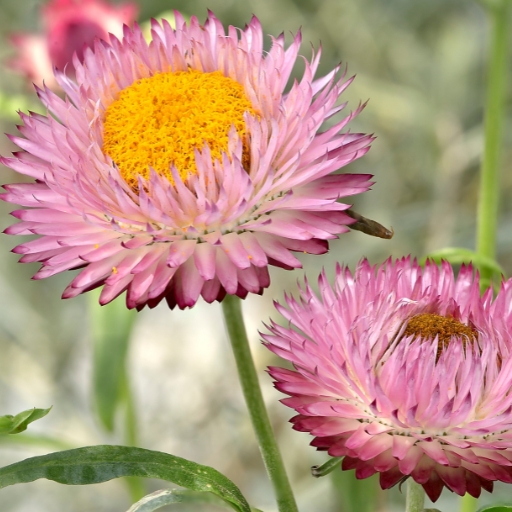
Scientific Name: Xerochrysum bracteatum
Native Region: Australia
Blooming Time: Summer to fall
Flower Colors: Yellow, orange, pink, red
Aroma: Mild
Interesting Facts:
- Another popular everlasting flower
- Maintains color even when dried
How to Plant / Growing Tips:
- Plant in full sun
- Use well-drained soil
- Water moderately
- Deadhead to prolong blooms
6. Xanthostemon Flower
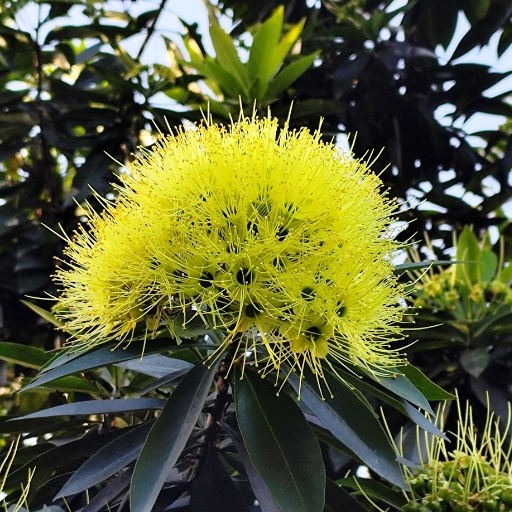
Scientific Name: Xanthostemon chrysanthus
Native Region: Australia
Blooming Time: Spring to summer
Flower Colors: Bright yellow
Aroma: Mild
Interesting Facts:
- Also called the “Golden Penda”
- Spectacular clusters of golden blooms
How to Plant / Growing Tips:
- Plant in full sun
- Use fertile soil
- Water regularly
- Ideal for warm climates
7. Xanthium Flower
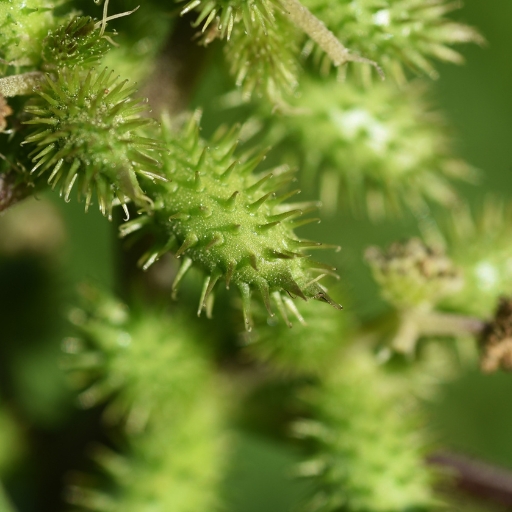
Scientific Name: Xanthium strumarium
Native Region: Americas
Blooming Time: Summer
Flower Colors: Greenish
Aroma: Mild
Interesting Facts:
- Produces burr-like seed pods
- Often found in wild habitats
How to Plant / Growing Tips:
- Plant in full sun
- Use well-drained soil
- Water moderately
- Thrives in disturbed soils
8. Xanthosoma Flower
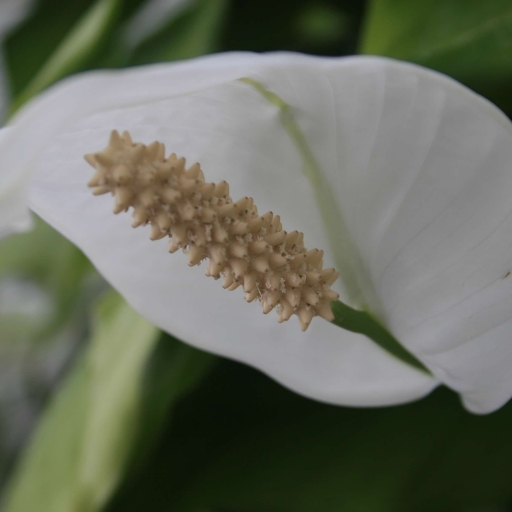
Scientific Name: Xanthosoma sagittifolium
Native Region: Tropical Americas
Blooming Time: Rarely cultivated for flowers
Flower Colors: Cream
Aroma: Mild
Interesting Facts:
- Related to elephant ear plants
- Mainly grown for foliage and edible roots
How to Plant / Growing Tips:
- Plant in warm climates
- Use rich, moist soil
- Water regularly
- Provide partial shade
9. Xanthoparmelia Flower
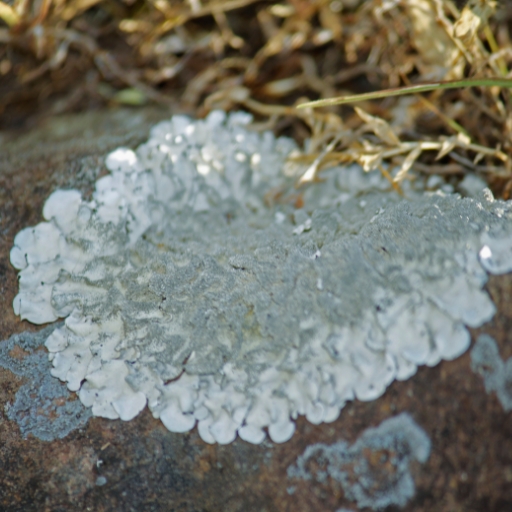
Scientific Name: Xanthoparmelia spp.
Native Region: Worldwide
Blooming Time: N/A (lichen reproductive structures)
Flower Colors: Yellowish
Interesting Facts:
- A lichen rather than a typical flowering plant
- Often found on rocks and bark
How to Plant / Growing Tips:
- Naturally grows on rocks
- Requires clean air
- No cultivation needed
10. Xylocarpus Flower
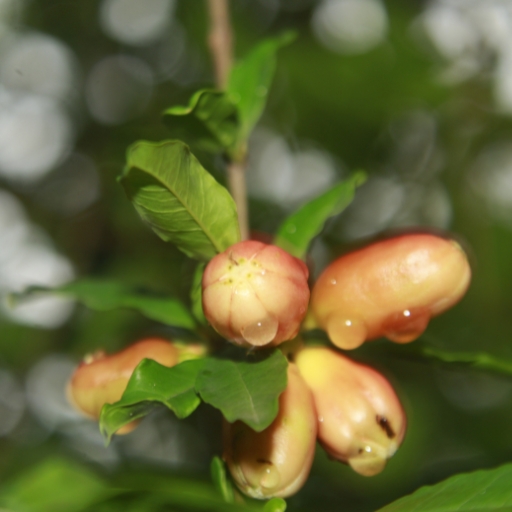
Scientific Name: Xylocarpus granatum
Native Region: Indo-Pacific mangrove forests
Blooming Time: Spring
Flower Colors: White
Aroma: Light
Interesting Facts:
- Mangrove tree species
- Produces large woody fruits
How to Plant / Growing Tips:
- Plant in tropical climates
- Use coastal or wet soils
- Water regularly
- Suitable for coastal areas
11. Xanthorrhoea Flower
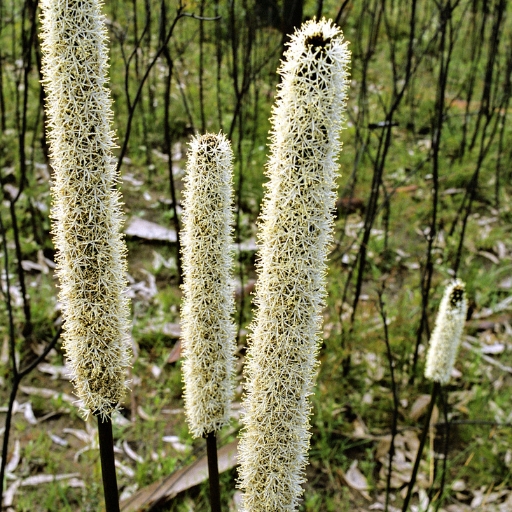
Scientific Name: Xanthorrhoea australis
Native Region: Australia
Blooming Time: Summer
Flower Colors: Cream, white
Aroma: Mild
Interesting Facts:
- Known as “grass tree”
- Tall flower spikes attract pollinators
How to Plant / Growing Tips:
- Plant in full sun
- Use sandy soil
- Water lightly
- Slow-growing plant
12. Xylobium Orchid
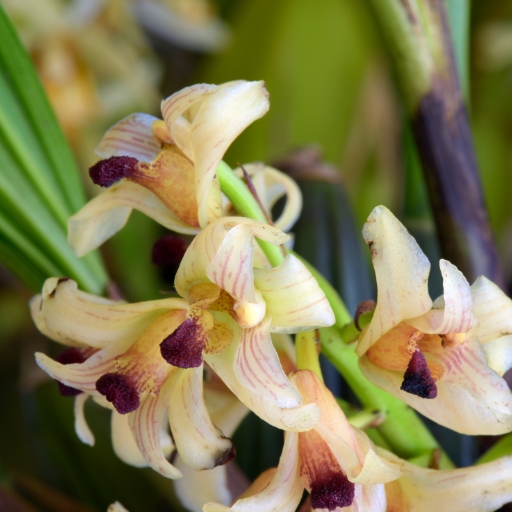
Scientific Name: Xylobium variegatum
Native Region: Central and South America
Blooming Time: Spring
Flower Colors: Yellow, brown
Aroma: Mild
Interesting Facts:
- Rare orchid species
- Grows in tropical forests
How to Plant / Growing Tips:
- Grow in orchid mix
- Provide bright indirect light
- Maintain humidity
- Water regularly
13. Xylophylla Flower
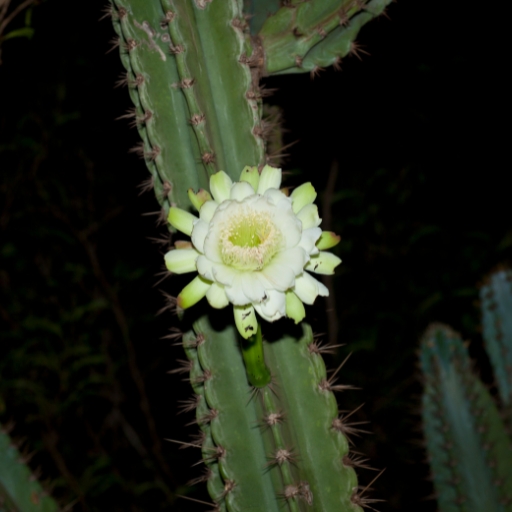
Scientific Name: Phyllanthus epiphyllanthus
Native Region: Caribbean
Blooming Time: Summer
Flower Colors: Small white flowers
Aroma: Mild
Interesting Facts:
- Flowers grow directly from leaf-like structures
- Unique botanical form
How to Plant / Growing Tips:
- Plant in warm climates
- Use well-drained soil
- Water moderately
- Provide partial shade
14. Xanthostigma Flower
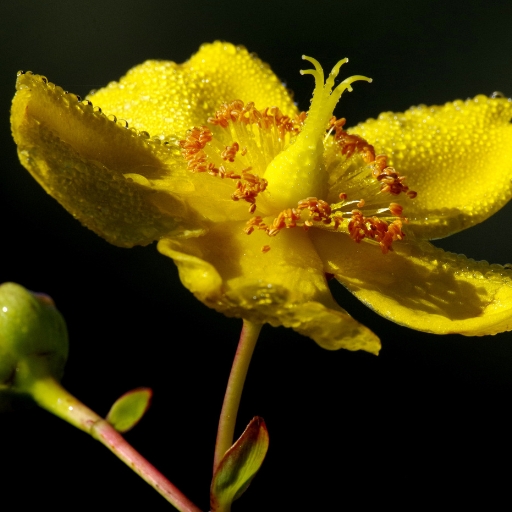
Scientific Name: Xanthostigma spp.
Native Region: Southeast Asia
Blooming Time: Spring
Flower Colors: Yellow
Aroma: Mild
Interesting Facts:
- Small ornamental shrub
- Attractive for pollinators
How to Plant / Growing Tips:
- Plant in full sun
- Use well-drained soil
- Water moderately
- Suitable for warm climates
15. Xyris (Yellow-Eyed Grass Flower)
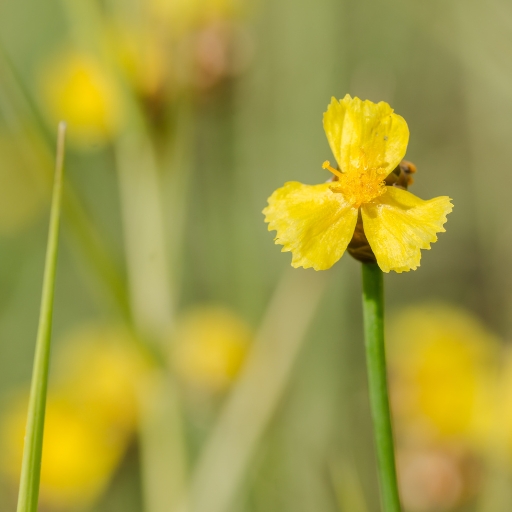
Scientific Name: Xyris spp.
Native Region: Americas, Australia
Blooming Time: Summer
Flower Colors: Yellow
Aroma: Mild
Interesting Facts:
- Grows in wetlands
- Grass-like leaves with bright flowers
How to Plant / Growing Tips:
- Plant in moist soil
- Provide full sun
- Water regularly
- Ideal for wetland gardens
16. Xyridaceae Flower
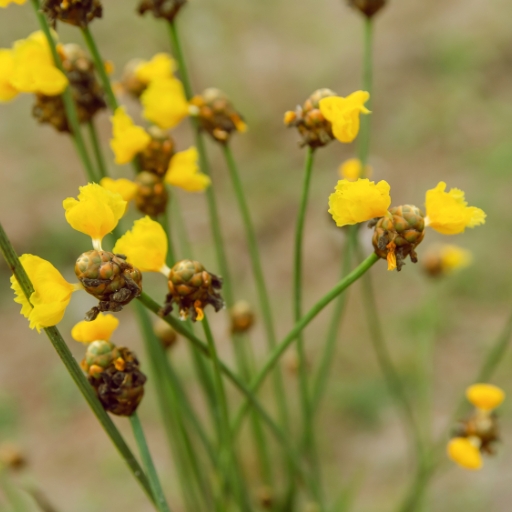
Scientific Name: Xyridaceae spp.
Native Region: Tropical regions worldwide
Blooming Time: Summer
Flower Colors: Yellow
Interesting Facts:
- Family related to yellow-eyed grass
- Often grows in marshlands
How to Plant / Growing Tips:
- Plant in wet soil
- Provide full sun
- Maintain moisture
17. Xanthocarpus Flower
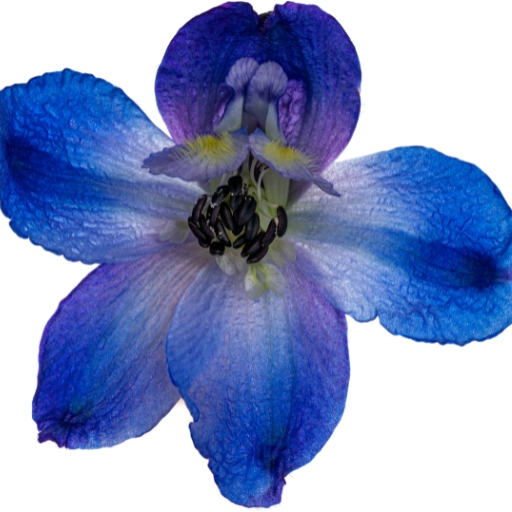
Scientific Name: Xanthocarpus spp.
Native Region: Tropical Asia
Blooming Time: Spring
Flower Colors: Yellow
Aroma: Mild
Interesting Facts:
- Rare botanical species
- Grown mainly in botanical collections
How to Plant / Growing Tips:
- Plant in warm climates
- Use fertile soil
- Water regularly
18. Xanthophyta Flower
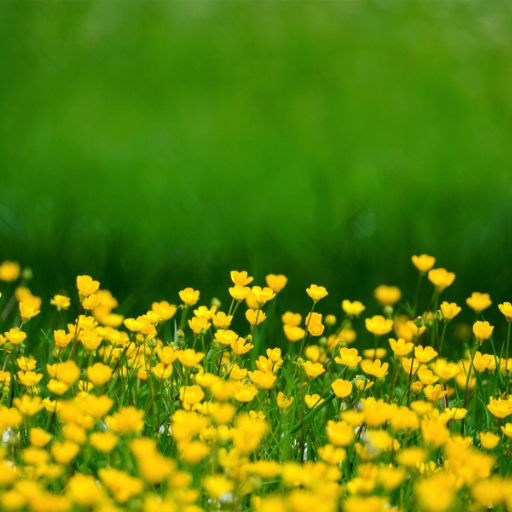
Scientific Name: Xanthophyta spp.
Native Region: Worldwide
Blooming Time: N/A
Interesting Facts:
- Yellow-green algae group
- Important in aquatic ecosystems
How to Plant / Growing Tips:
- Naturally occurs in aquatic habitats
19. Xylotheca Flower
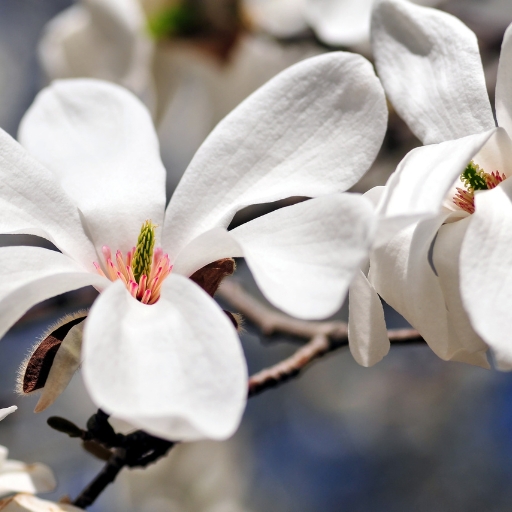
Scientific Name: Xylotheca kraussiana
Native Region: Africa
Blooming Time: Spring
Flower Colors: White, yellow
Aroma: Mild
Interesting Facts:
- Small shrub producing delicate flowers
- Fruits resemble miniature pumpkins
How to Plant / Growing Tips:
- Plant in full sun
- Use well-drained soil
- Water moderately
20. Xanthoceras Flower (Chinese Flowering Chestnut)
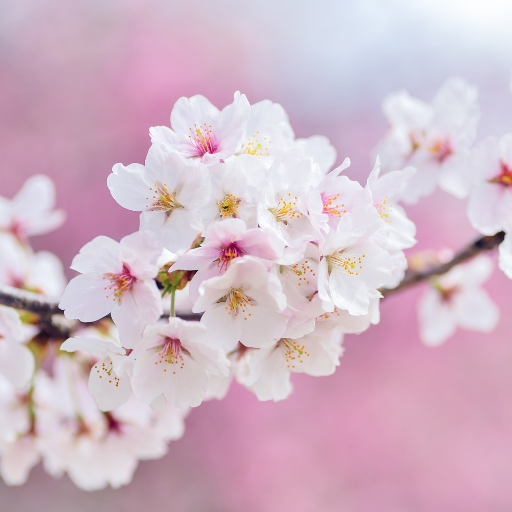
Scientific Name: Xanthoceras sorbifolium
Native Region: China
Blooming Time: Spring
Flower Colors: White with red centers
Aroma: Light
Interesting Facts:
- Ornamental flowering tree
- Seeds sometimes used for oil production
How to Plant / Growing Tips:
- Plant in full sun
- Use well-drained soil
- Water regularly
Final Thoughts
Flowers that start with the letter X are among the rarest in the plant world, but they offer fascinating botanical diversity. From the beautiful Xeranthemum and Xerochrysum to the unusual Xyris and tropical Xanthoceras, these plants prove that even the most uncommon letters in the alphabet still hold incredible botanical treasures.
Now here’s a simple question for you: Which of these rare “X” flowers would you love to add to your garden or plant collection?