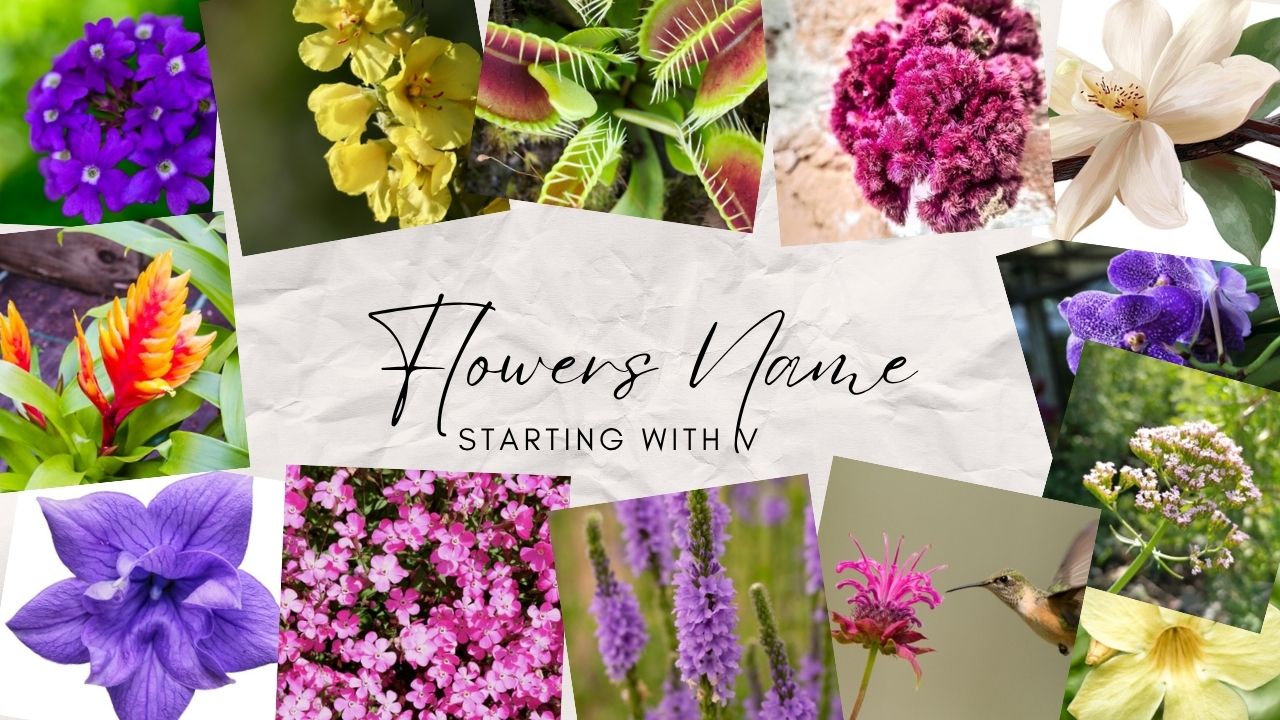
If you’re looking for flowers that start with the letter V, you’ll discover a surprisingly diverse group of plants—from delicate woodland blooms to vibrant garden ornamentals. While “V” flowers may not be as widely known as roses or tulips, they include many fascinating species like verbena, violets, and valerian that bring color, fragrance, and pollinator-friendly benefits to any garden.
Below is a carefully curated list of 20 real flowers that begin with “V”, each with essential details and simple growing tips to help beginners and experienced gardeners alike.
1. Verbena
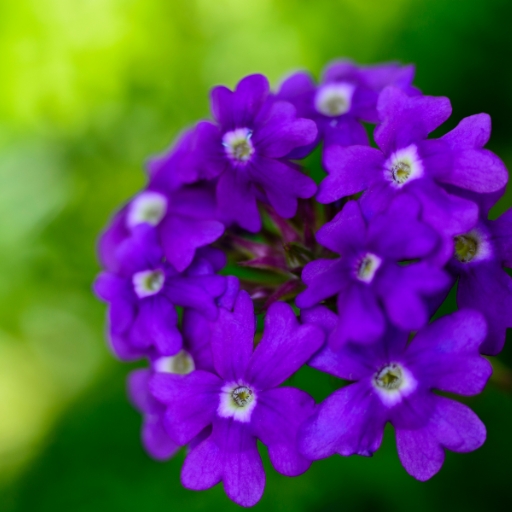
Scientific Name: Verbena spp.
Native Region: Americas, Europe
Blooming Time: Spring to fall
Flower Colors: Purple, pink, red, white
Aroma: Light
Interesting Facts:
- A favorite among butterflies and bees
- Often used in hanging baskets and borders
How to Plant / Growing Tips:
- Plant in full sun
- Use well-drained soil
- Water moderately
- Deadhead to encourage blooming
2. Violet
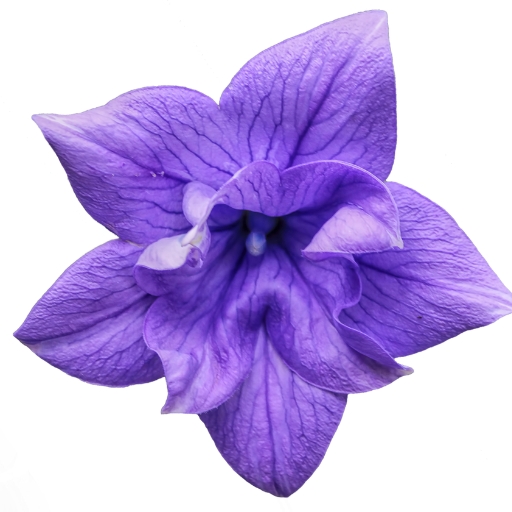
Scientific Name: Viola odorata
Native Region: Europe, Asia
Blooming Time: Spring
Flower Colors: Purple, blue, white
Aroma: Sweet, delicate fragrance
Interesting Facts:
- Symbolizes modesty and faithfulness
- Often used in perfumes and culinary dishes
- If you are born in February, the violet is the birth flower for you.
How to Plant / Growing Tips:
- Plant in partial shade
- Use moist, well-drained soil
- Water regularly
- Great for woodland gardens
3. Valerian
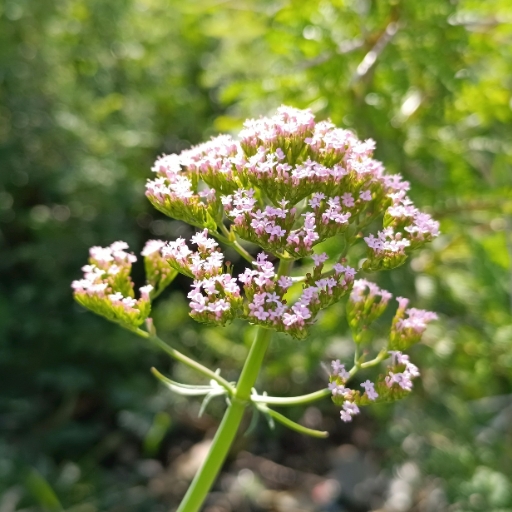
Scientific Name: Valeriana officinalis
Native Region: Europe, Asia
Blooming Time: Late spring to summer
Flower Colors: White, pale pink
Aroma: Strong, earthy scent
Interesting Facts:
- Known for its calming medicinal properties
- Attracts pollinators
How to Plant / Growing Tips:
- Plant in full sun
- Use moist soil
- Water regularly
- Divide plants every few years
4. Vinca (Periwinkle)
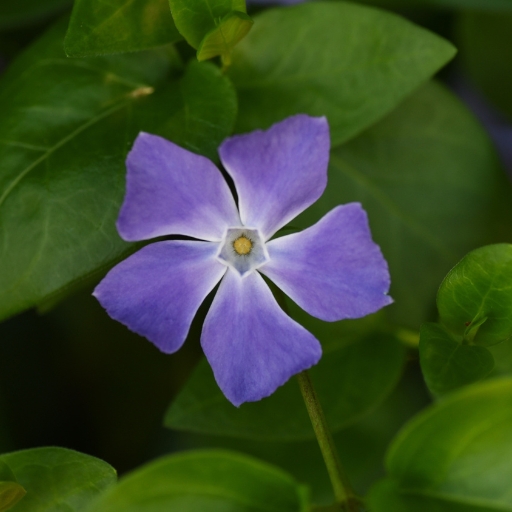
Scientific Name: Catharanthus roseus
Native Region: Madagascar
Blooming Time: Summer to fall
Flower Colors: Pink, purple, white
Aroma: Mild
Interesting Facts:
- Highly drought-tolerant
- Often used as ground cover
How to Plant / Growing Tips:
- Plant in full sun
- Use well-drained soil
- Water moderately
- Avoid overly wet conditions
5. Virginia Bluebells
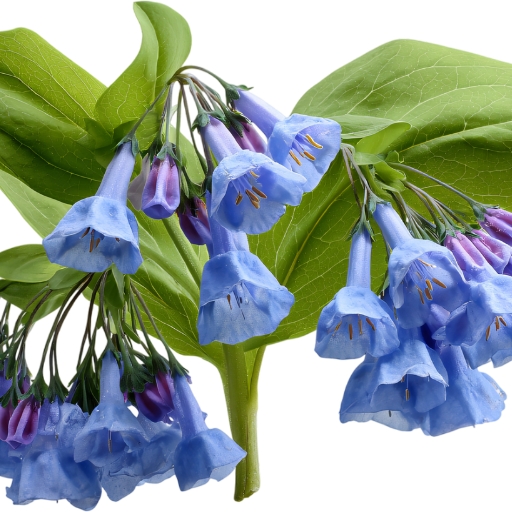
Scientific Name: Mertensia virginica
Native Region: North America
Blooming Time: Spring
Flower Colors: Blue, pink buds
Aroma: Mild
Interesting Facts:
- Flowers change from pink to blue as they mature
- Native woodland wildflower
How to Plant / Growing Tips:
- Plant in partial shade
- Use moist, rich soil
- Water regularly
- Ideal for woodland gardens
6. Verbascum (Mullein)
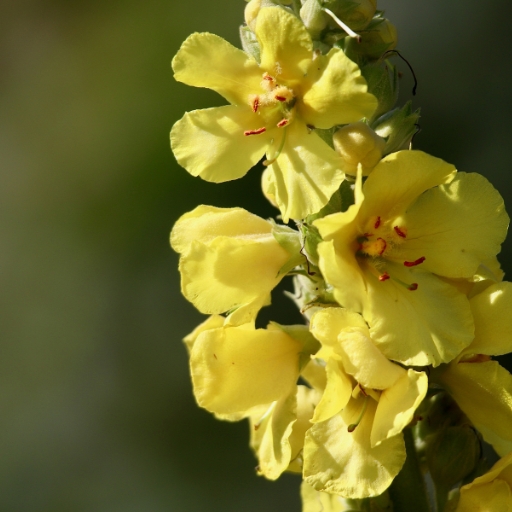
Scientific Name: Verbascum thapsus
Native Region: Europe, Asia
Blooming Time: Summer
Flower Colors: Yellow, white, purple
Aroma: Mild
Interesting Facts:
- Tall flower spikes add vertical interest
- Historically used in herbal remedies
How to Plant / Growing Tips:
- Plant in full sun
- Use well-drained soil
- Water lightly
- Thrives in poor soils
7. Venus Flytrap Flower
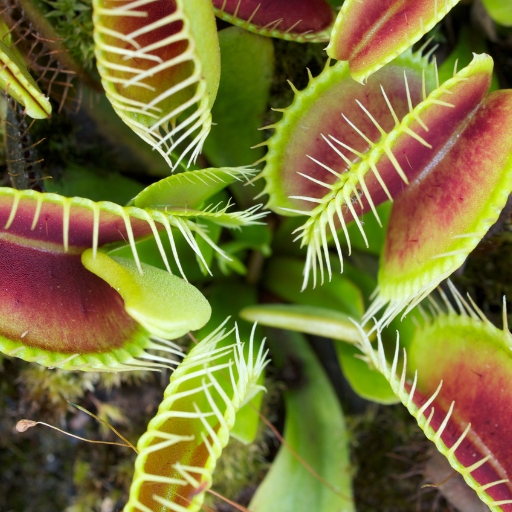
Scientific Name: Dionaea muscipula
Native Region: North America
Blooming Time: Spring
Flower Colors: White
Aroma: Mild
Interesting Facts:
- Carnivorous plant that traps insects
- Flowers grow on tall stalks above the traps
How to Plant / Growing Tips:
- Use nutrient-poor soil
- Provide full sun
- Keep soil moist
- Use distilled water
8. Vanda Orchid
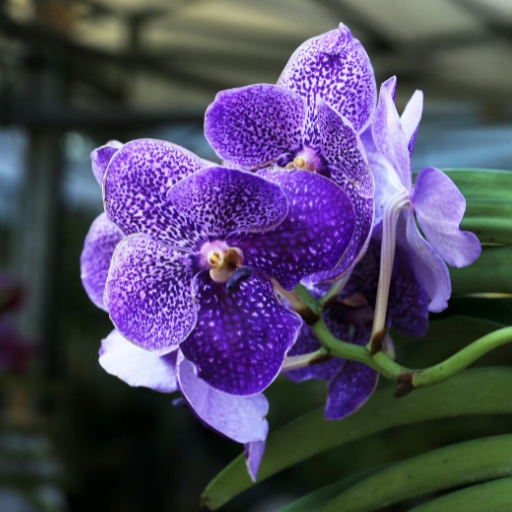
Scientific Name: Vanda spp.
Native Region: Southeast Asia
Blooming Time: Throughout the year
Flower Colors: Purple, blue, pink, white
Aroma: Light to strong depending on variety
Interesting Facts:
- Known for vibrant, patterned blooms
- Popular among orchid collectors
How to Plant / Growing Tips:
- Grow in bright indirect light
- Use orchid growing medium
- Water frequently in warm climates
- Ensure good air circulation
9. Veronica (Speedwell)

Scientific Name: Veronica spp.
Native Region: Europe, Asia
Blooming Time: Spring to summer
Flower Colors: Blue, purple, pink, white
Aroma: Mild
Interesting Facts:
- Spiky flower clusters
- Attracts bees and butterflies
How to Plant / Growing Tips:
- Plant in full sun
- Use well-drained soil
- Water moderately
- Deadhead to prolong blooming
10. Vanilla Orchid
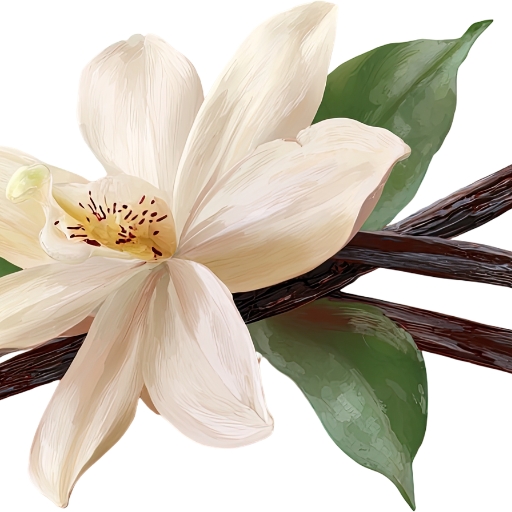
Scientific Name: Vanilla planifolia
Native Region: Mexico
Blooming Time: Spring to summer
Flower Colors: Cream, pale green
Aroma: Sweet, vanilla-like
Interesting Facts:
- Source of natural vanilla flavoring
- Flowers bloom for only one day
How to Plant / Growing Tips:
- Grow in warm, humid conditions
- Provide climbing support
- Use orchid mix
- Water regularly
11. Violet Cress
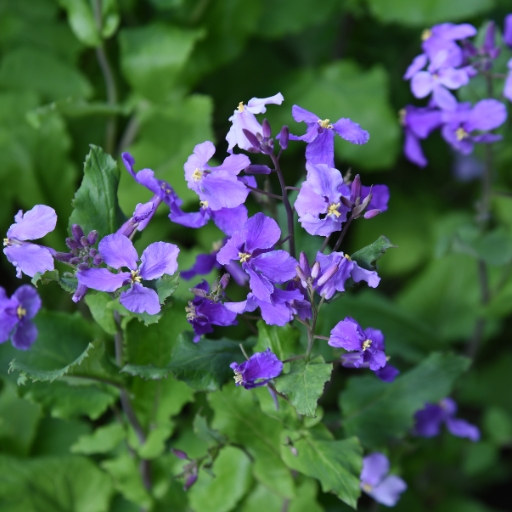
Scientific Name: Aubrieta deltoidea
Native Region: Europe
Blooming Time: Spring
Flower Colors: Purple, pink
Aroma: Mild
Interesting Facts:
- Great for rock gardens
- Forms colorful mats of flowers
How to Plant / Growing Tips:
- Plant in full sun
- Use well-drained soil
- Water moderately
- Trim after flowering
12. Viper’s Bugloss
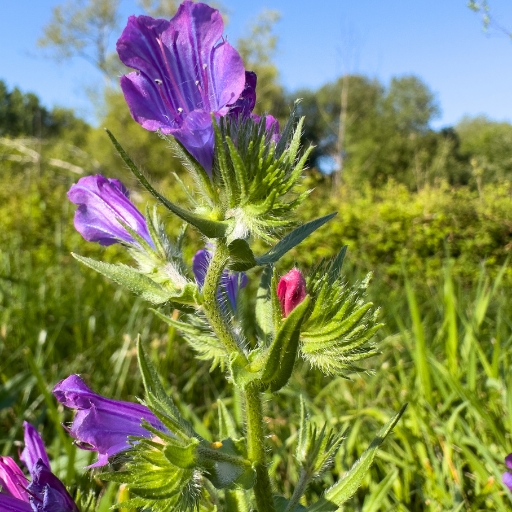
Scientific Name: Echium vulgare
Native Region: Europe
Blooming Time: Summer
Flower Colors: Blue, purple
Aroma: Mild
Interesting Facts:
- Excellent for pollinator gardens
- Flowers change color during blooming
How to Plant / Growing Tips:
- Plant in full sun
- Use sandy soil
- Water lightly
- Drought-tolerant
13. Virginia Stock
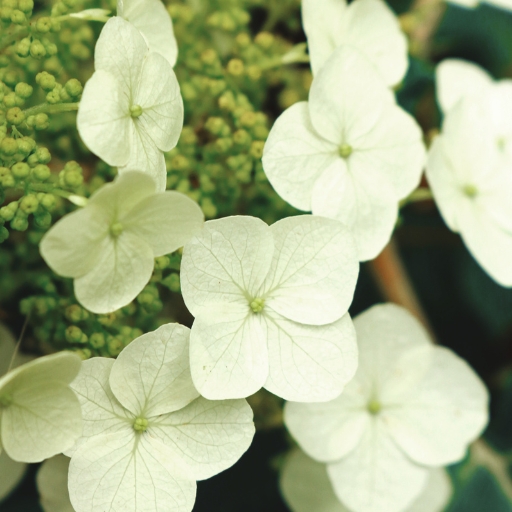
Scientific Name: Malcolmia maritima
Native Region: Mediterranean
Blooming Time: Spring
Flower Colors: Pink, purple, white
Aroma: Sweet
Interesting Facts:
- Easy-to-grow annual flower
- Ideal for cottage gardens
How to Plant / Growing Tips:
- Plant in full sun
- Use well-drained soil
- Water moderately
- Easy to grow from seed
14. Velvet Plant Flower
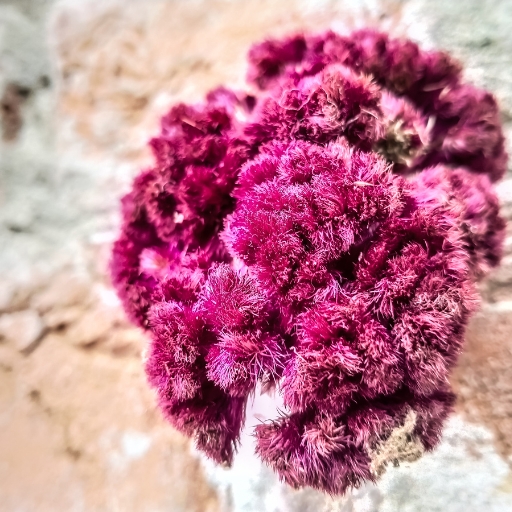
Scientific Name: Gynura aurantiaca
Native Region: Southeast Asia
Blooming Time: Winter to spring
Flower Colors: Orange
Aroma: Strong, unpleasant scent
Interesting Facts:
- Known for velvety purple leaves
- Often grown as a houseplant
How to Plant / Growing Tips:
- Grow in bright indirect light
- Use well-drained soil
- Water regularly
- Pinch stems for bushy growth
15. Vinca Minor Flower
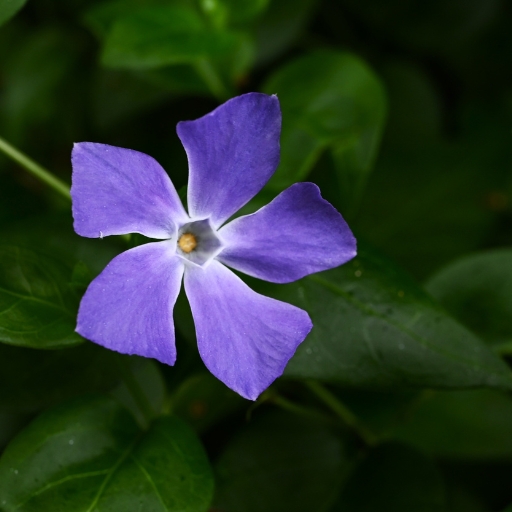
Scientific Name: Vinca minor
Native Region: Europe
Blooming Time: Spring to summer
Flower Colors: Blue, purple
Aroma: Mild
Interesting Facts:
- Popular evergreen ground cover
- Helps prevent soil erosion
How to Plant / Growing Tips:
- Plant in partial shade
- Use well-drained soil
- Water moderately
- Trim to control spread
16. Vervain
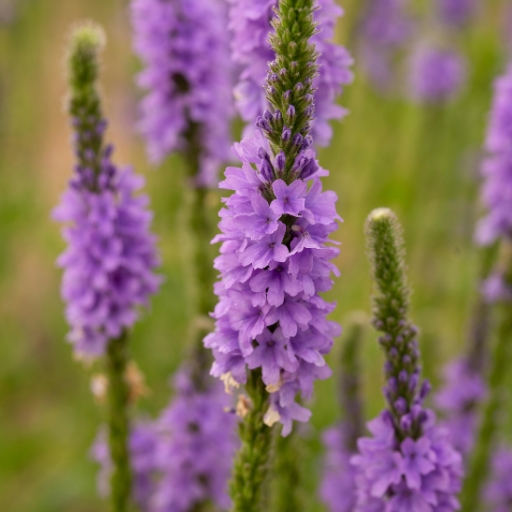
Scientific Name: Verbena officinalis
Native Region: Europe
Blooming Time: Summer
Flower Colors: Purple, lavender
Aroma: Mild
Interesting Facts:
- Historically used in herbal medicine
- Associated with ancient folklore
How to Plant / Growing Tips:
- Plant in full sun
- Use well-drained soil
- Water moderately
- Deadhead for longer blooming
17. Vriesea Bromeliad Flower
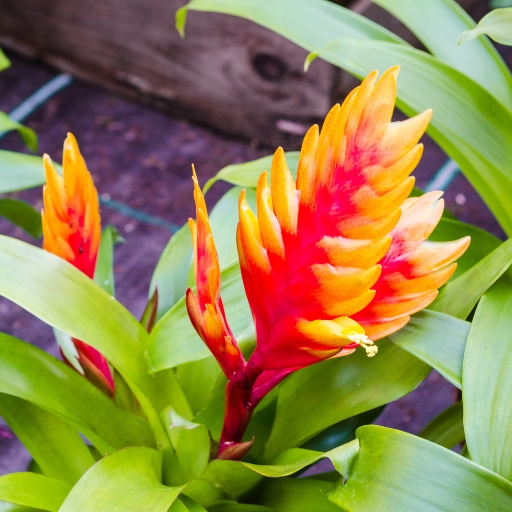
Scientific Name: Vriesea spp.
Native Region: Central and South America
Blooming Time: Varies
Flower Colors: Red, orange, yellow
Aroma: Mild
Interesting Facts:
- Striking sword-shaped flower spikes
- Popular indoor ornamental plant
How to Plant / Growing Tips:
- Grow in bright indirect light
- Use bromeliad soil mix
- Water in the central cup
- Maintain humidity
18. Vietnamese Balm Flower
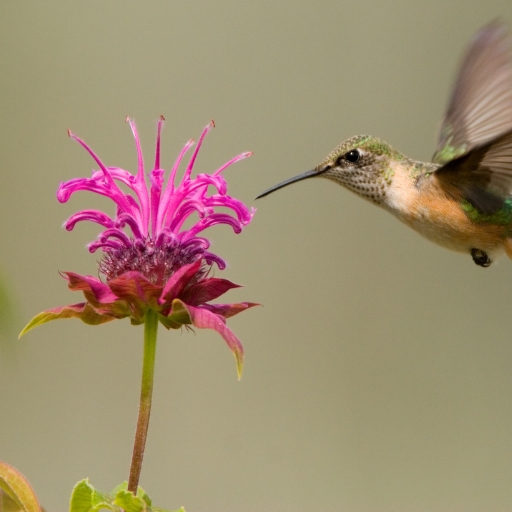
Scientific Name: Elsholtzia ciliata
Native Region: Asia
Blooming Time: Summer
Flower Colors: Purple
Aroma: Mint-like fragrance
Interesting Facts:
- Aromatic herb used in traditional medicine
- Attractive to pollinators
How to Plant / Growing Tips:
- Plant in full sun
- Use well-drained soil
- Water moderately
- Harvest leaves regularly
19. Vahlia Flower
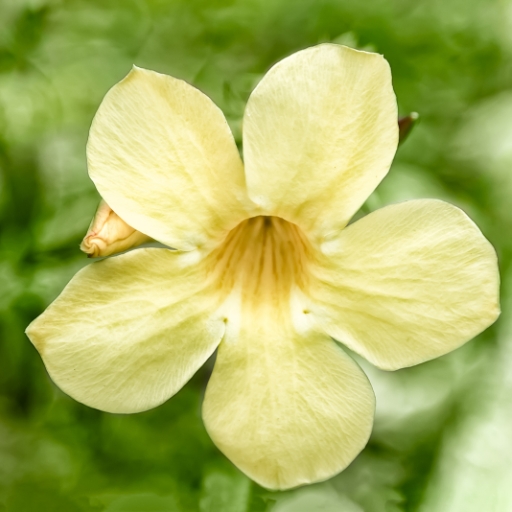
Scientific Name: Vahlia capensis
Native Region: Africa
Blooming Time: Summer
Flower Colors: Yellow
Aroma: Mild
Interesting Facts:
- Small, delicate wildflower
- Found in tropical and subtropical regions
How to Plant / Growing Tips:
- Plant in full sun
- Use sandy soil
- Water lightly
- Suitable for warm climates
20. Viscaria (Rose of Heaven)
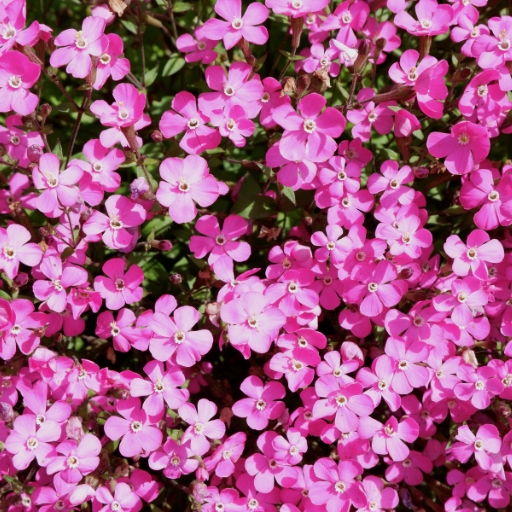
Scientific Name: Viscaria vulgaris
Native Region: Europe
Blooming Time: Spring to summer
Flower Colors: Pink, purple
Aroma: Mild
Interesting Facts:
- Sticky stems once used to trap insects
- Popular ornamental wildflower
How to Plant / Growing Tips:
- Plant in full sun
- Use well-drained soil
- Water moderately
- Easy to grow from seeds
Final Thoughts
Flowers that start with the letter V may not be as common as roses or lilies, but they bring plenty of beauty and character to a garden. From the delicate fragrance of violets to the vibrant tropical blooms of vanda orchids and the hardy charm of veronica, these flowers prove that even the less common letters can offer stunning gardening options.
Now here’s a simple question for you: Which of these “V” flowers would you love to grow in your garden this season?