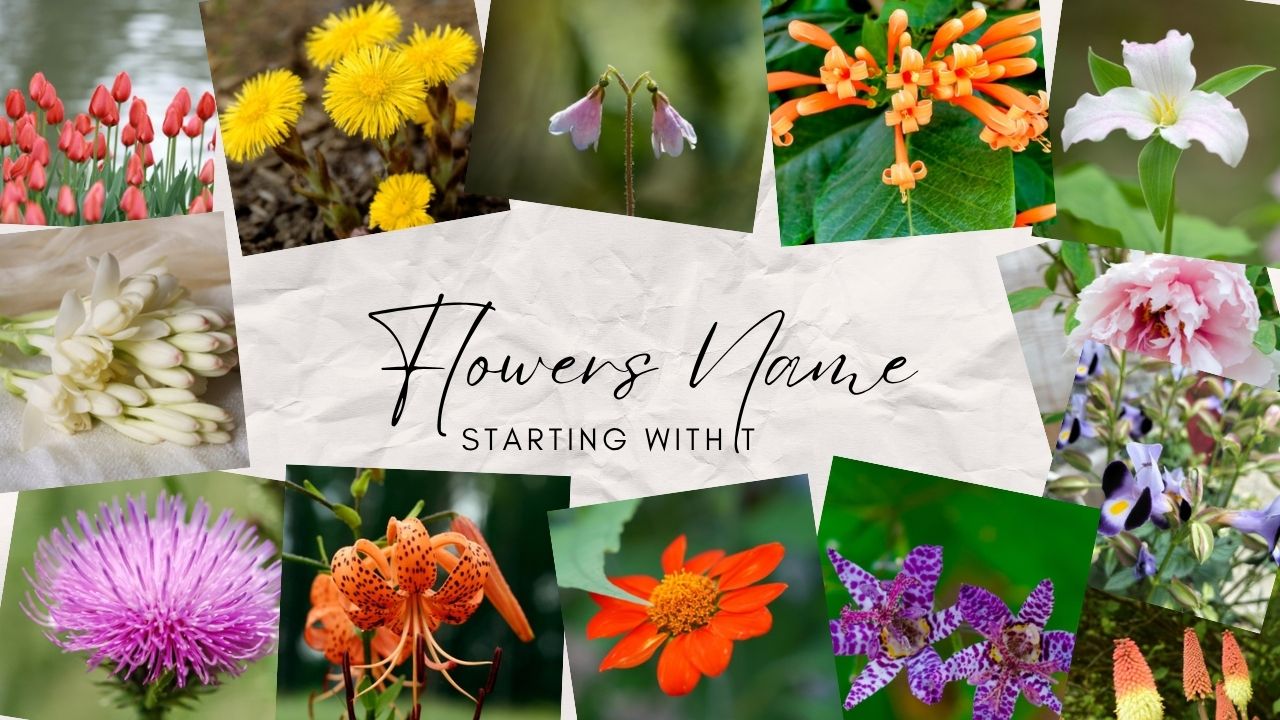
Hi again! Welcome back to our A–Z flower series. In today’s post, we’re exploring flowers that start with the letter T. From vibrant garden favorites to unique ornamental blooms, the letter T brings together a surprisingly diverse collection of flowers that can brighten landscapes, borders, and even indoor spaces.
Some of these blooms are well-known classics found in many gardens, while others are lesser-known plants that deserve more attention for their beauty and versatility. Whether you’re planning a new garden, expanding your plant knowledge, or simply enjoying discovering flowers alphabetically, this list will introduce you to a variety of terrific flowers that start with T.
Below is a carefully curated list of 20 real flowers that begin with “T”, each with essential details and beginner-friendly growing tips to help you grow them successfully.
1. Tulip
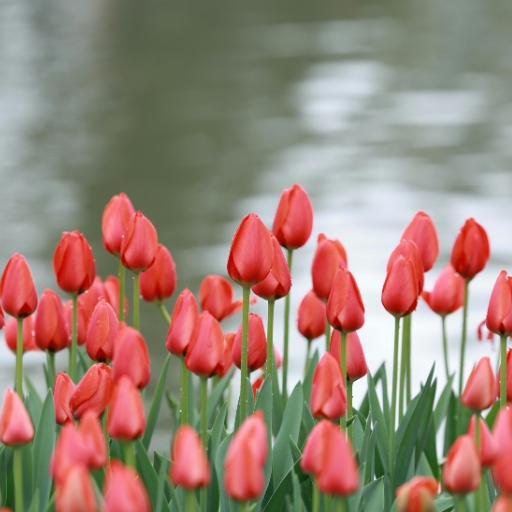
Scientific Name: Tulipa spp.
Native Region: Central Asia, Europe
Blooming Time: Spring
Flower Colors: Red, pink, yellow, white, purple
Aroma: Mild to none
Interesting Facts:
- One of the most popular spring flowers worldwide
- Symbol of love and renewal
How to Plant / Growing Tips:
- Plant bulbs in fall
- Choose full sun
- Use well-drained soil
- Water lightly after planting
2. Tuberose
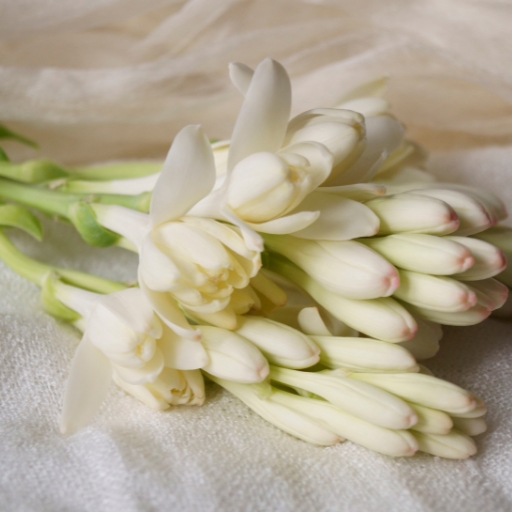
Scientific Name: Polianthes tuberosa
Native Region: Mexico
Blooming Time: Summer
Flower Colors: White
Aroma: Strong, sweet fragrance
Interesting Facts:
- Widely used in perfumes
- Highly fragrant at night
How to Plant / Growing Tips:
- Plant in full sun
- Use well-drained soil
- Water regularly
- Protect from frost
3. Tiger Lily
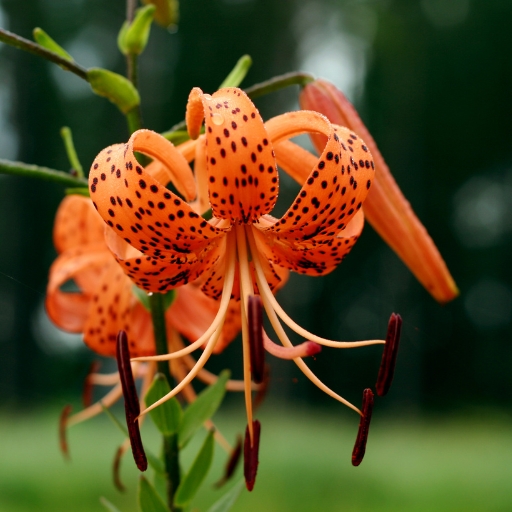
Scientific Name: Lilium lancifolium
Native Region: Asia
Blooming Time: Summer
Flower Colors: Orange with black spots
Aroma: Light
Interesting Facts:
- Known for its distinctive spotted petals
- Very hardy and easy to grow
How to Plant / Growing Tips:
- Plant in full sun to partial shade
- Use well-drained soil
- Water moderately
- Allow bulbs to naturalize
4. Trillium
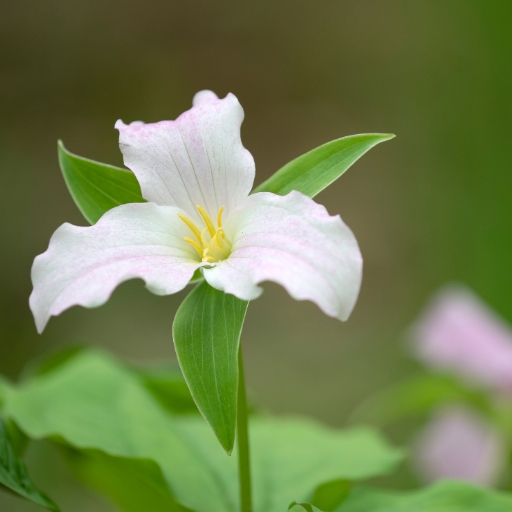
Scientific Name: Trillium spp.
Native Region: North America, Asia
Blooming Time: Spring
Flower Colors: White, red, pink
Aroma: Mild
Interesting Facts:
- Each plant has three leaves and three petals
- Common in woodland gardens
How to Plant / Growing Tips:
- Plant in partial to full shade
- Use rich, moist soil
- Water regularly
- Avoid disturbing roots
5. Tithonia (Mexican Sunflower)
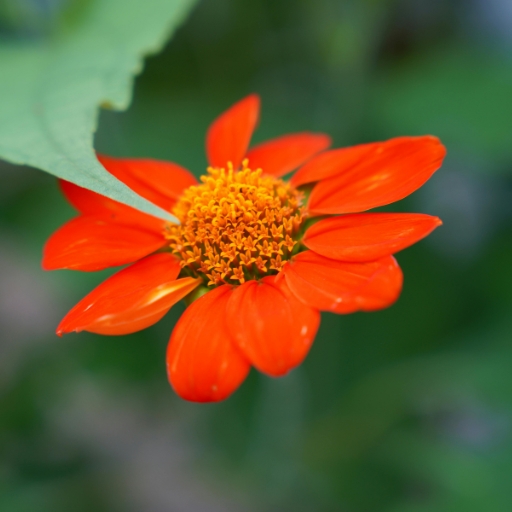
Scientific Name: Tithonia rotundifolia
Native Region: Mexico
Blooming Time: Summer to fall
Flower Colors: Bright orange
Aroma: Mild
Interesting Facts:
- Attracts butterflies and pollinators
- Thrives in heat
How to Plant / Growing Tips:
- Plant in full sun
- Use well-drained soil
- Water moderately
- Pinch for bushier growth
6. Toad Lily
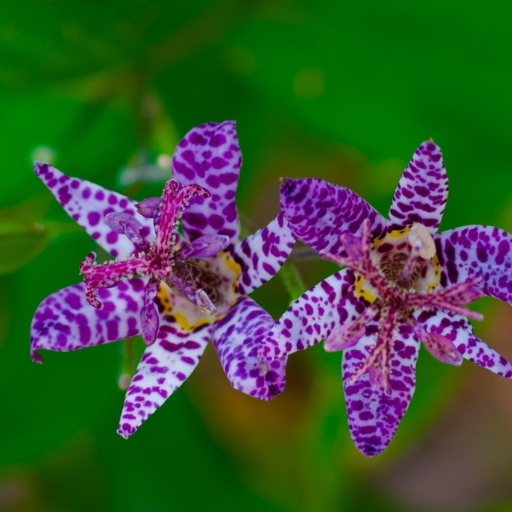
Scientific Name: Tricyrtis spp.
Native Region: Asia
Blooming Time: Late summer to fall
Flower Colors: Purple, white with spots
Aroma: Mild
Interesting Facts:
- Orchid-like appearance
- Thrives in shady areas
How to Plant / Growing Tips:
- Plant in shade
- Use rich, moist soil
- Water consistently
- Mulch to retain moisture
7. Torenia (Wishbone Flower)
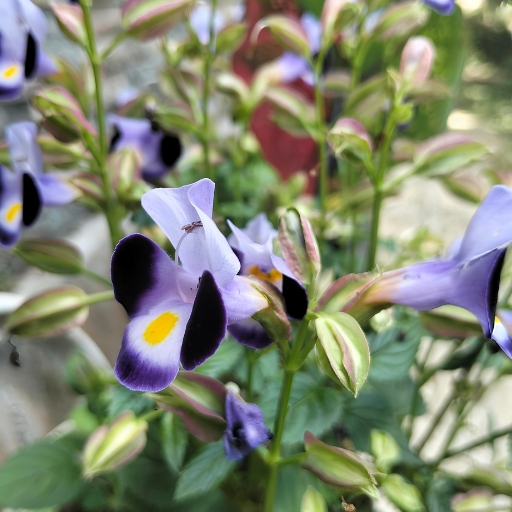
Scientific Name: Torenia fournieri
Native Region: Asia
Blooming Time: Summer
Flower Colors: Blue, purple, pink
Aroma: Mild
Interesting Facts:
- Named for wishbone-shaped stamens
- Great for containers
How to Plant / Growing Tips:
- Plant in partial shade
- Use well-drained soil
- Water regularly
- Ideal for hanging baskets
8. Thistle
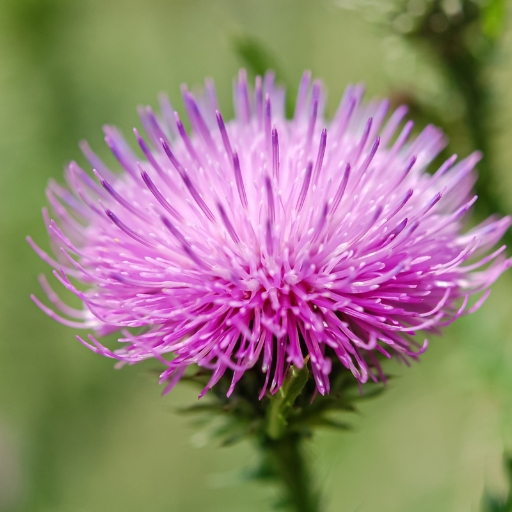
Scientific Name: Cirsium spp.
Native Region: Europe, Asia
Blooming Time: Summer
Flower Colors: Purple, pink
Aroma: Mild
Interesting Facts:
- National symbol of Scotland
- Attracts pollinators
How to Plant / Growing Tips:
- Plant in full sun
- Use well-drained soil
- Water lightly
- Low maintenance
9. Twinflower
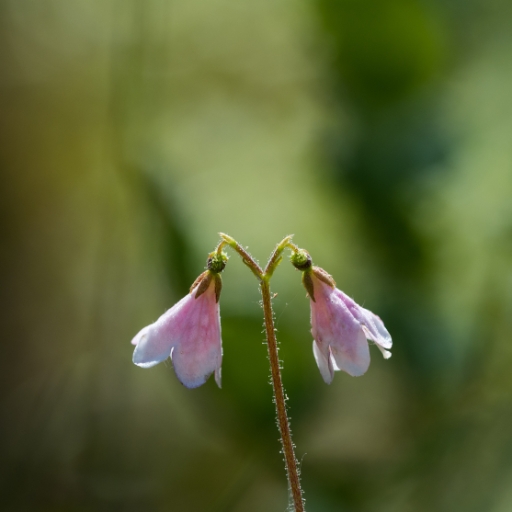
Scientific Name: Linnaea borealis
Native Region: Northern Hemisphere
Blooming Time: Late spring to summer
Flower Colors: Pink
Aroma: Light, sweet
Interesting Facts:
- Produces paired flowers on each stem
- Named after Carl Linnaeus
How to Plant / Growing Tips:
- Plant in partial shade
- Use moist soil
- Water regularly
- Ideal for woodland settings
10. Trumpet Vine
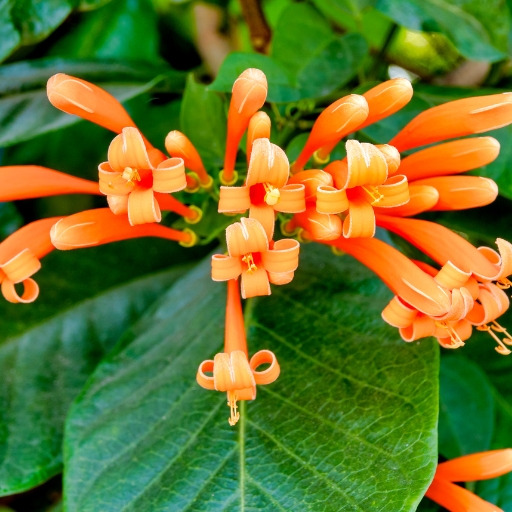
Scientific Name: Campsis radicans
Native Region: North America
Blooming Time: Summer
Flower Colors: Orange, red
Aroma: Mild
Interesting Facts:
- Attracts hummingbirds
- Fast-growing climber
How to Plant / Growing Tips:
- Plant in full sun
- Use well-drained soil
- Provide strong support
- Prune regularly
11. Tree Peony
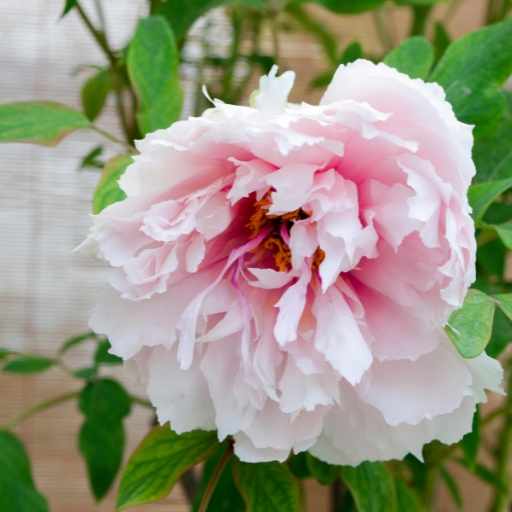
Scientific Name: Paeonia suffruticosa
Native Region: China
Blooming Time: Spring
Flower Colors: Pink, red, white, yellow
Aroma: Light to strong
Interesting Facts:
- Larger blooms than herbaceous peonies
- Long-lived plants
How to Plant / Growing Tips:
- Plant in full sun to partial shade
- Use well-drained soil
- Water regularly
- Avoid transplanting
12. Tansy
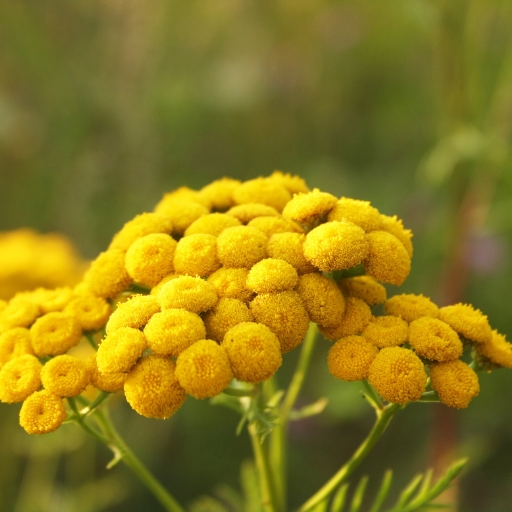
Scientific Name: Tanacetum vulgare
Native Region: Europe, Asia
Blooming Time: Summer
Flower Colors: Yellow
Aroma: Strong, herbal
Interesting Facts:
- Used in traditional remedies
- Repels insects
How to Plant / Growing Tips:
- Plant in full sun
- Use well-drained soil
- Water moderately
- Control spread
13. Tecoma (Yellow Bells)
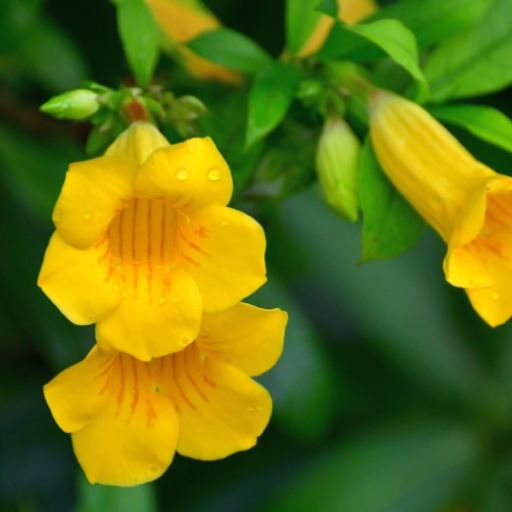
Scientific Name: Tecoma stans
Native Region: Americas
Blooming Time: Spring to fall
Flower Colors: Yellow
Aroma: Mild
Interesting Facts:
- Bright, trumpet-shaped flowers
- Drought-tolerant
How to Plant / Growing Tips:
- Plant in full sun
- Use well-drained soil
- Water moderately
- Prune for shape
14. Thunbergia (Black-Eyed Susan Vine)
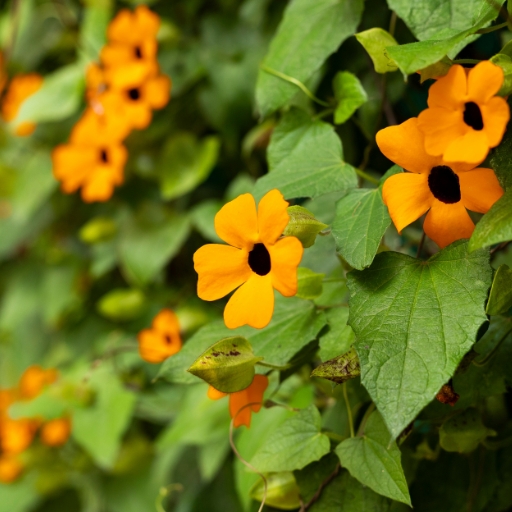
Scientific Name: Thunbergia alata
Native Region: Africa
Blooming Time: Summer to fall
Flower Colors: Orange, yellow, white
Aroma: Mild
Interesting Facts:
- Fast-growing climber
- Popular for vertical gardens
How to Plant / Growing Tips:
- Plant in full sun
- Provide support
- Use well-drained soil
- Water regularly
15. Tiare Flower
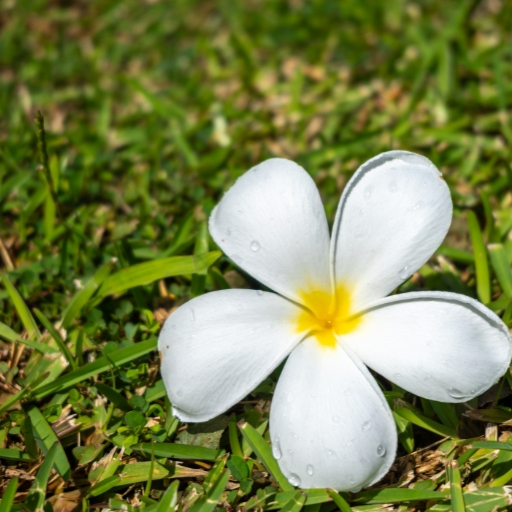
Scientific Name: Gardenia taitensis
Native Region: Pacific Islands
Blooming Time: Spring to summer
Flower Colors: White
Aroma: Strong, sweet
Interesting Facts:
- Symbol of Tahiti
- Used in leis and perfumes
How to Plant / Growing Tips:
- Plant in full sun to partial shade
- Use rich, well-drained soil
- Water regularly
- Protect from cold
16. Triteleia (Triplet Lily)
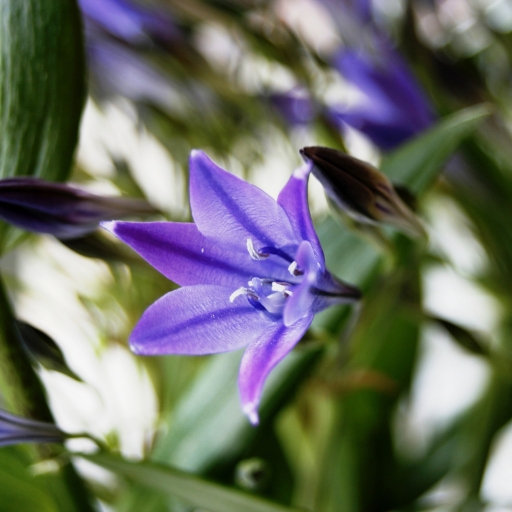
Scientific Name: Triteleia spp.
Native Region: North America
Blooming Time: Late spring to summer
Flower Colors: Blue, purple
Aroma: Mild
Interesting Facts:
- Star-shaped blooms
- Great for borders
How to Plant / Growing Tips:
- Plant in full sun
- Use well-drained soil
- Water moderately
- Plant bulbs in fall
17. Tussilago (Coltsfoot)
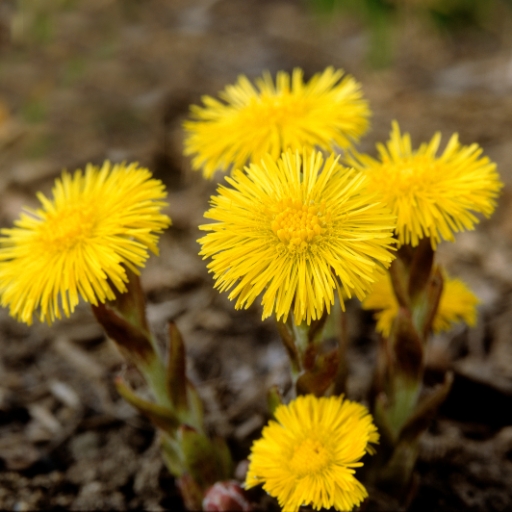
Scientific Name: Tussilago farfara
Native Region: Europe, Asia
Blooming Time: Early spring
Flower Colors: Yellow
Aroma: Mild
Interesting Facts:
- Blooms before leaves appear
- Used in traditional medicine
How to Plant / Growing Tips:
- Plant in full sun
- Use moist soil
- Water regularly
- Can spread quickly
18. Texas Bluebonnet
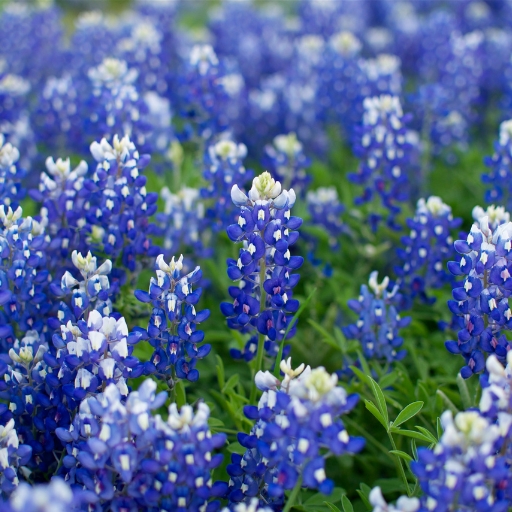
Scientific Name: Lupinus texensis
Native Region: Texas, USA
Blooming Time: Spring
Flower Colors: Blue, white
Aroma: Mild
Interesting Facts:
- State flower of Texas
- Creates stunning wildflower displays
How to Plant / Growing Tips:
- Plant in full sun
- Use well-drained soil
- Water lightly
- Sow seeds in fall
19. Tamarisk Flower
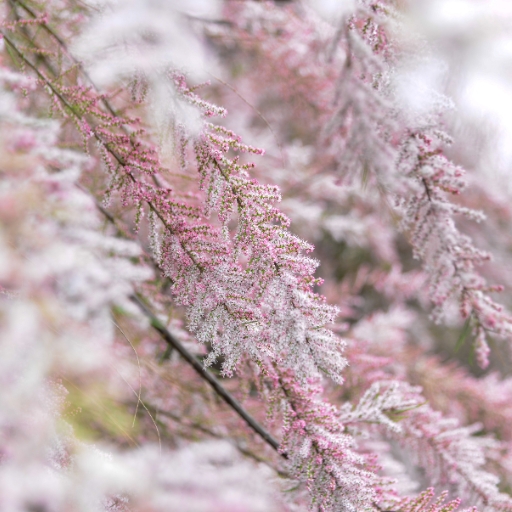
Scientific Name: Tamarix spp.
Native Region: Eurasia, Africa
Blooming Time: Spring to summer
Flower Colors: Pink, white
Aroma: Mild
Interesting Facts:
- Produces feathery flower clusters
- Tolerates salty soils
How to Plant / Growing Tips:
- Plant in full sun
- Use well-drained soil
- Water moderately
- Prune to shape
20. Torch Lily
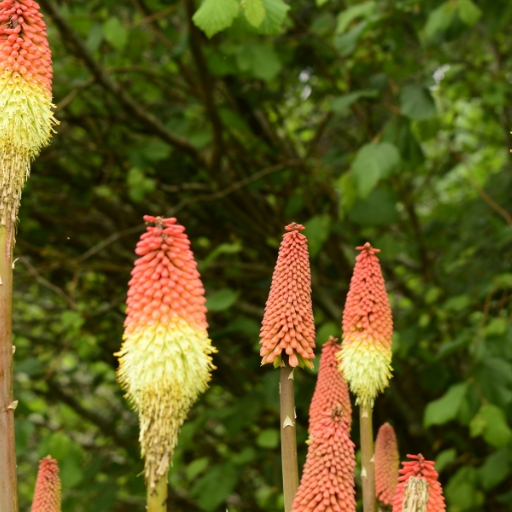
Scientific Name: Kniphofia spp.
Native Region: Africa
Blooming Time: Summer
Flower Colors: Red, orange, yellow
Aroma: Mild
Interesting Facts:
- Also called Red Hot Poker
- Adds bold vertical color
How to Plant / Growing Tips:
- Plant in full sun
- Use well-drained soil
- Water regularly
- Cut back after flowering
Final Thoughts
Flowers that start with the letter T bring a wonderful balance of elegance, color, and unique forms. From the classic beauty of tulips to the bold structure of torch lilies and the delicate charm of trillium, these flowers can transform any garden into a lively and inviting space.
Now here’s a simple question for you: Which of these “T” flowers would you love to grow and showcase in your garden this season?