The letter S opens the door to one of the most exciting collections of flowers in the garden world. This group includes some well-loved classics that almost every gardener recognizes, along with a few fascinating blooms that feel like hidden discoveries.
From bright, cheerful flowers that instantly grab attention to elegant blossoms that add texture and charm, “S” flowers bring an impressive range of colors, shapes, and personalities to a garden. Whether you’re planting a bold summer display or adding subtle beauty to a flower bed, this letter has plenty of options to explore.
In the list below, you’ll discover 20 real flowers that start with the letter S, complete with key details and easy, beginner-friendly growing tips to help you cultivate a lively and colorful garden.
1. Sunflower
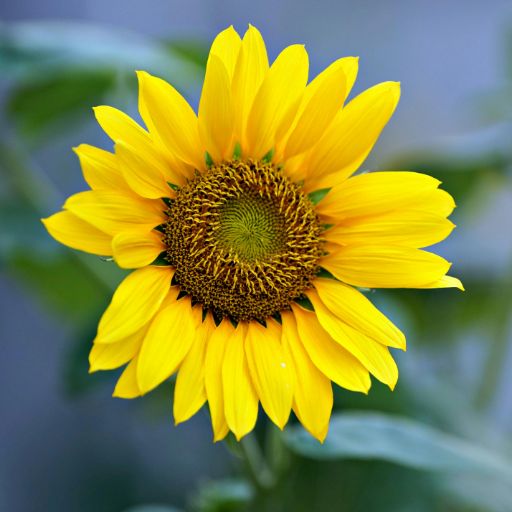
Scientific Name: Helianthus annuus
Native Region: North America
Blooming Time: Summer to early fall
Flower Colors: Yellow, orange, red
Aroma: Mild
Interesting Facts:
- Follows the sun (heliotropism) when young
- Produces edible seeds
How to Plant / Growing Tips:
- Plant in full sun
- Use well-drained soil
- Water regularly
- Provide space for tall growth
2. Snapdragon
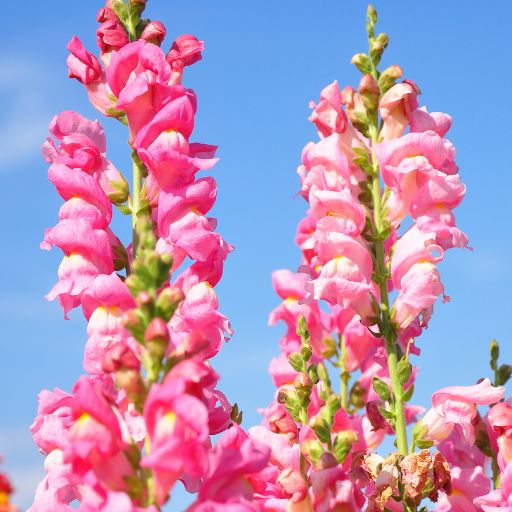
Scientific Name: Antirrhinum majus
Native Region: Mediterranean
Blooming Time: Spring to fall
Flower Colors: Pink, red, yellow, white
Aroma: Light
Interesting Facts:
- Flowers resemble a dragon’s mouth
- Popular in borders and containers
How to Plant / Growing Tips:
- Plant in full sun to partial shade
- Use well-drained soil
- Water regularly
- Deadhead for more blooms
3. Salvia
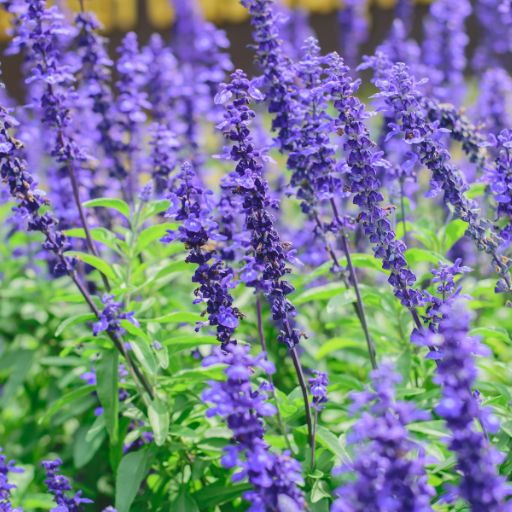
Scientific Name: Salvia spp.
Native Region: Worldwide
Blooming Time: Spring to fall
Flower Colors: Blue, purple, red, white
Aroma: Aromatic foliage
Interesting Facts:
- Attracts bees, butterflies, and hummingbirds
- Part of the sage family
How to Plant / Growing Tips:
- Plant in full sun
- Use well-drained soil
- Water moderately
- Prune to encourage growth
4. Sweet Pea
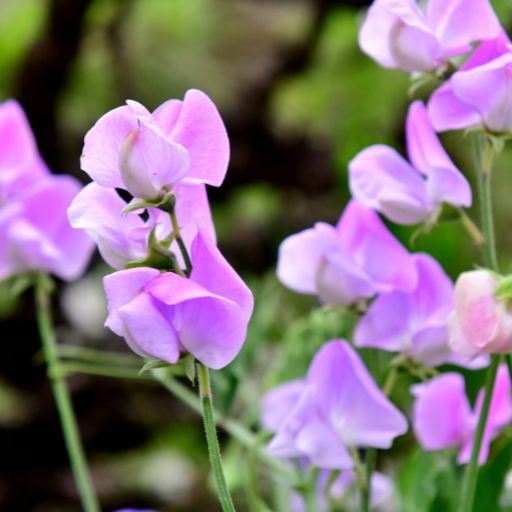
Scientific Name: Lathyrus odoratus
Native Region: Mediterranean
Blooming Time: Spring to early summer
Flower Colors: Pink, purple, white, blue
Aroma: Strong, sweet fragrance
Interesting Facts:
- Known for its delightful scent
- Popular in bouquets
- Sweet Pea is the birth flower of April.
How to Plant / Growing Tips:
- Plant in full sun
- Use rich, well-drained soil
- Provide trellis support
- Water regularly
5. Scabiosa (Pincushion Flower)
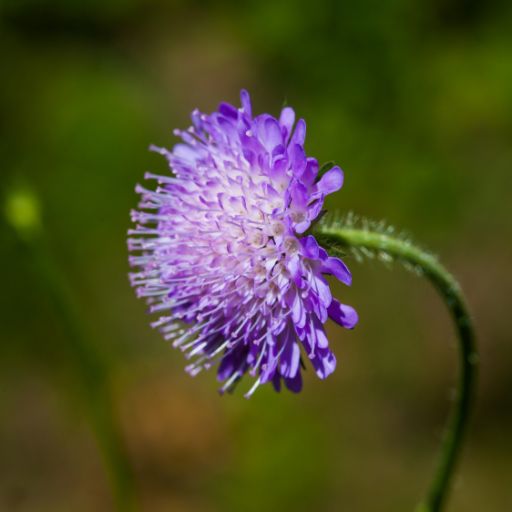
Scientific Name: Scabiosa spp.
Native Region: Europe, Asia
Blooming Time: Late spring to fall
Flower Colors: Purple, blue, pink, white
Aroma: Mild
Interesting Facts:
- Named for its pincushion-like center
- Long blooming season
How to Plant / Growing Tips:
- Plant in full sun
- Use well-drained soil
- Water moderately
- Deadhead frequently
6. Sea Holly
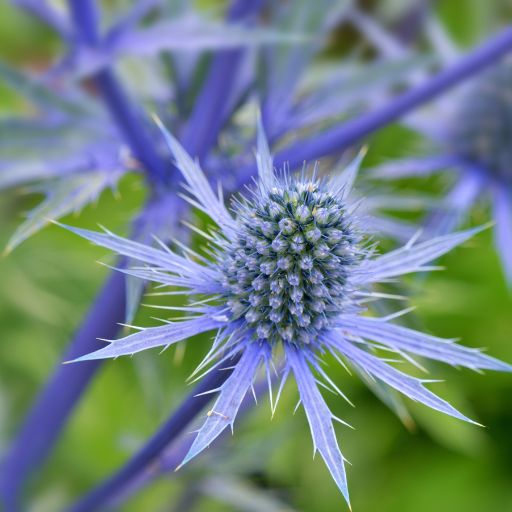
Scientific Name: Eryngium spp.
Native Region: Europe, Americas
Blooming Time: Summer
Flower Colors: Blue, silver
Aroma: Mild
Interesting Facts:
- Spiky, metallic-looking flowers
- Drought-tolerant
How to Plant / Growing Tips:
- Plant in full sun
- Use sandy, well-drained soil
- Water lightly
- Avoid transplanting
7. Snowdrop
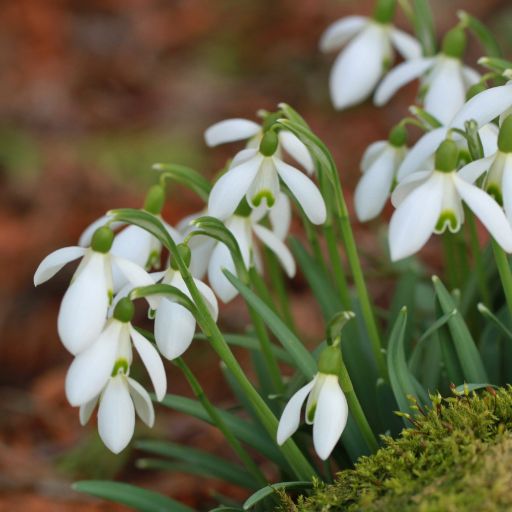
Scientific Name: Galanthus nivalis
Native Region: Europe
Blooming Time: Late winter to early spring
Flower Colors: White
Aroma: Light
Interesting Facts:
- One of the earliest spring bloomers
- Symbol of hope
- Snowdrop is the birth flower for the month of January.
How to Plant / Growing Tips:
- Plant bulbs in fall
- Use well-drained soil
- Grow in partial shade
- Water lightly
8. Saffron Crocus
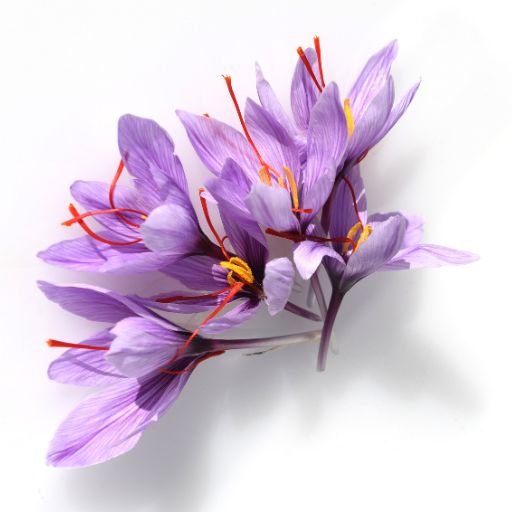
Scientific Name: Crocus sativus
Native Region: Mediterranean
Blooming Time: Fall
Flower Colors: Purple
Aroma: Mild
Interesting Facts:
- Produces the spice saffron
- One of the most expensive spices
How to Plant / Growing Tips:
- Plant in full sun
- Use well-drained soil
- Water moderately
- Harvest stigmas carefully
9. Sweet Alyssum
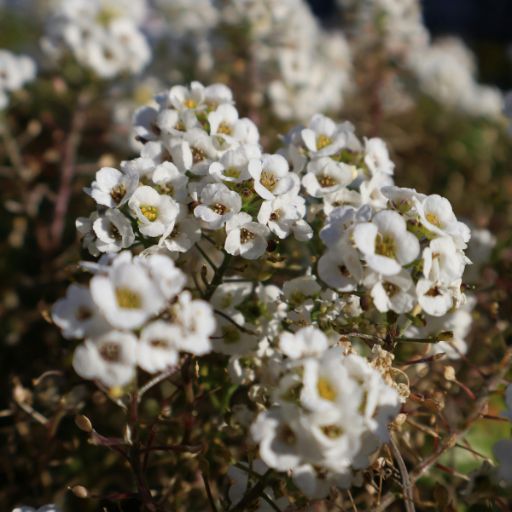
Scientific Name: Lobularia maritima
Native Region: Mediterranean
Blooming Time: Spring to fall
Flower Colors: White, pink, purple
Aroma: Sweet, honey-like
Interesting Facts:
- Attracts beneficial insects
- Great for borders
How to Plant / Growing Tips:
- Plant in full sun to partial shade
- Use well-drained soil
- Water regularly
- Trim to encourage reblooming
10. Statice
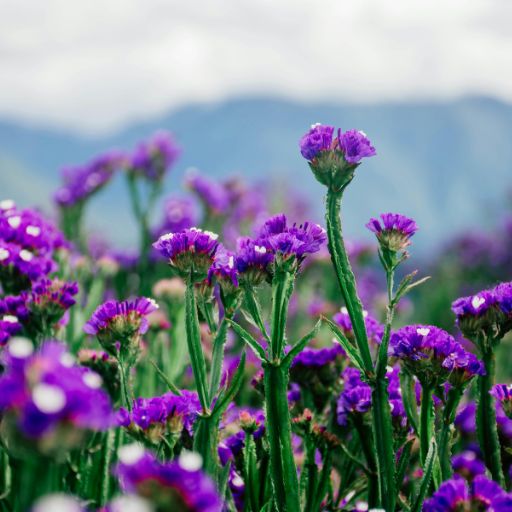
Scientific Name: Limonium spp.
Native Region: Mediterranean
Blooming Time: Summer
Flower Colors: Purple, yellow, white
Aroma: Mild
Interesting Facts:
- Popular in dried flower arrangements
- Long-lasting blooms
How to Plant / Growing Tips:
- Plant in full sun
- Use well-drained soil
- Water lightly
- Low maintenance
11. Sedum (Stonecrop)
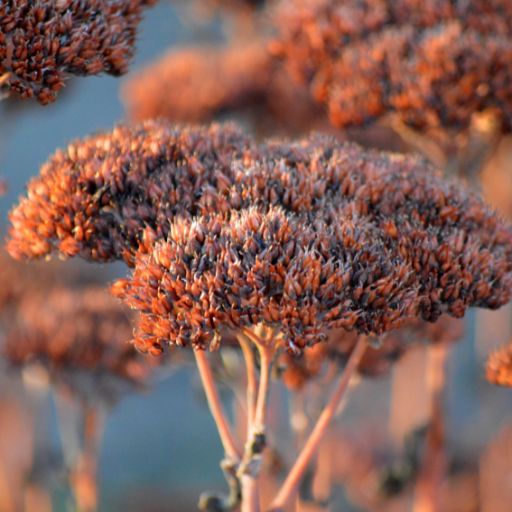
Scientific Name: Sedum spp.
Native Region: Northern Hemisphere
Blooming Time: Late summer to fall
Flower Colors: Pink, red, yellow
Aroma: Mild
Interesting Facts:
- Succulent plant with thick leaves
- Drought-tolerant
How to Plant / Growing Tips:
- Plant in full sun
- Use well-drained soil
- Water sparingly
- Ideal for rock gardens
12. Saxifrage
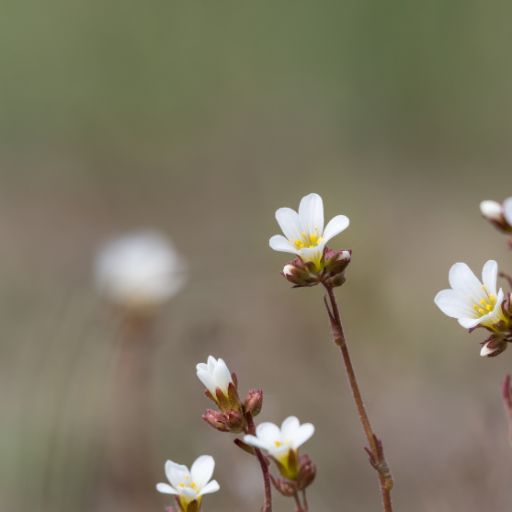
Scientific Name: Saxifraga spp.
Native Region: Northern Hemisphere
Blooming Time: Spring
Flower Colors: White, pink, red
Aroma: Mild
Interesting Facts:
- Name means “rock breaker”
- Thrives in rocky environments
How to Plant / Growing Tips:
- Plant in partial shade
- Use well-drained soil
- Water moderately
- Ideal for alpine gardens
13. Spider Lily
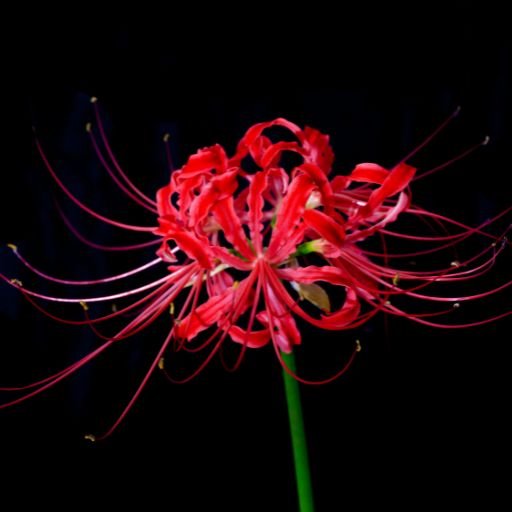
Scientific Name: Lycoris spp.
Native Region: Asia
Blooming Time: Late summer
Flower Colors: Red, white, yellow
Aroma: Light
Interesting Facts:
- Blooms suddenly after dormancy
- Associated with folklore
How to Plant / Growing Tips:
- Plant in full sun
- Use well-drained soil
- Water moderately
- Avoid disturbing bulbs
14. Snowflake (Summer Snowflake)
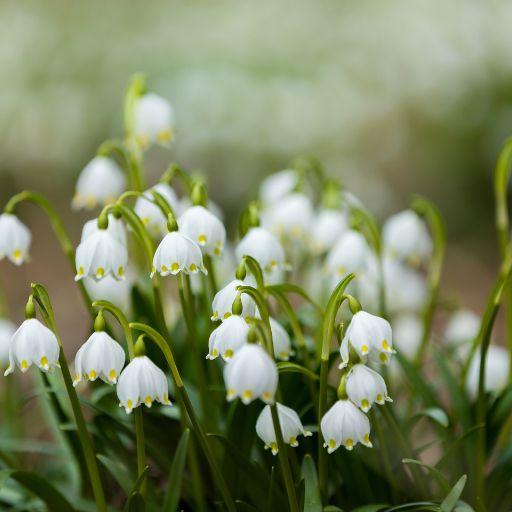
Scientific Name: Leucojum aestivum
Native Region: Europe
Blooming Time: Spring
Flower Colors: White
Aroma: Light
Interesting Facts:
- Looks similar to snowdrops
- Bell-shaped flowers
How to Plant / Growing Tips:
- Plant in partial shade
- Use moist soil
- Water regularly
- Ideal near water features
15. Silene (Catchfly)
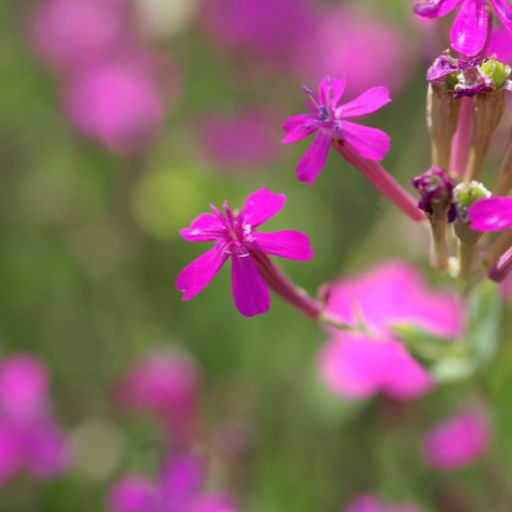
Scientific Name: Silene spp.
Native Region: Northern Hemisphere
Blooming Time: Spring to summer
Flower Colors: Pink, red, white
Aroma: Mild
Interesting Facts:
- Sticky stems trap insects
- Great for wildflower gardens
How to Plant / Growing Tips:
- Plant in full sun
- Use well-drained soil
- Water moderately
- Easy to grow from seed
16. Solomon’s Seal
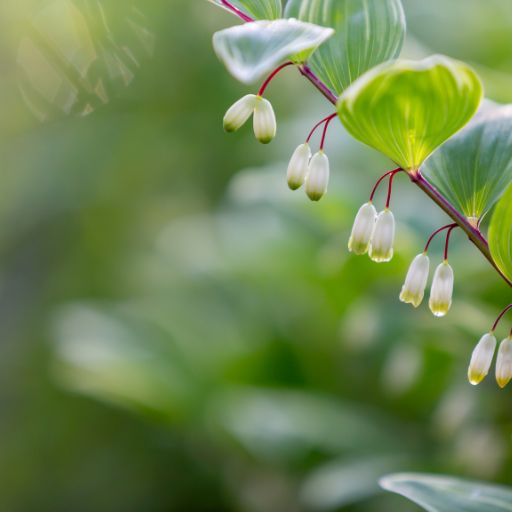
Scientific Name: Polygonatum spp.
Native Region: Northern Hemisphere
Blooming Time: Spring
Flower Colors: White, green
Aroma: Mild
Interesting Facts:
- Arching stems with dangling flowers
- Great for shade gardens
How to Plant / Growing Tips:
- Plant in full to partial shade
- Use rich, moist soil
- Water regularly
- Mulch to retain moisture
17. Sweet William
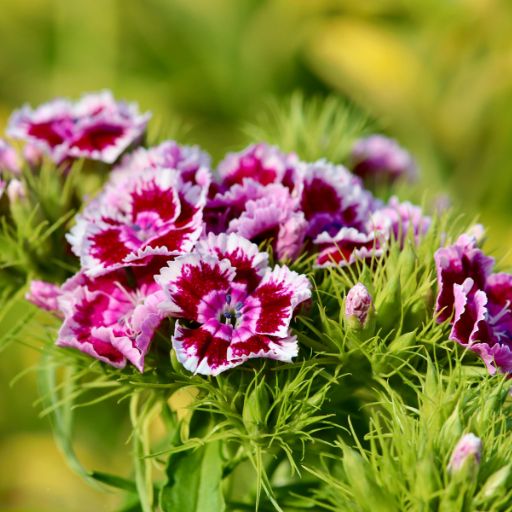
Scientific Name: Dianthus barbatus
Native Region: Europe
Blooming Time: Late spring to summer
Flower Colors: Red, pink, white
Aroma: Light, spicy fragrance
Interesting Facts:
- Popular cottage garden flower
- Long-lasting blooms
How to Plant / Growing Tips:
- Plant in full sun
- Use well-drained soil
- Water regularly
- Deadhead for continuous blooms
18. Sneezeweed
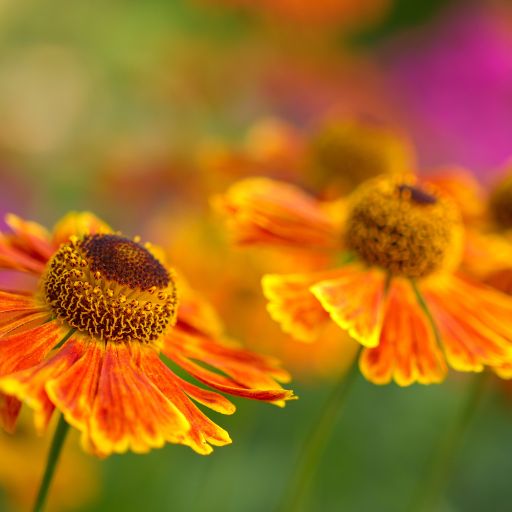
Scientific Name: Helenium autumnale
Native Region: North America
Blooming Time: Late summer to fall
Flower Colors: Yellow, orange, red
Aroma: Mild
Interesting Facts:
- Despite the name, doesn’t cause allergies
- Bright daisy-like flowers
How to Plant / Growing Tips:
- Plant in full sun
- Use moist soil
- Water regularly
- Divide plants every few years
19. Starflower
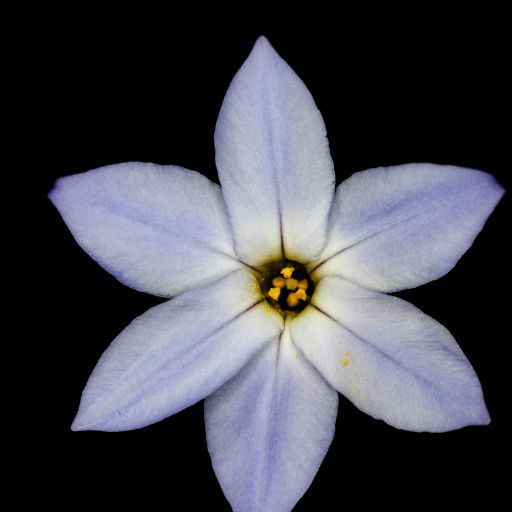
Scientific Name: Trientalis borealis
Native Region: North America
Blooming Time: Spring
Flower Colors: White
Aroma: Mild
Interesting Facts:
- Star-shaped delicate blooms
- Found in woodland areas
How to Plant / Growing Tips:
- Plant in partial shade
- Use moist, acidic soil
- Water regularly
- Ideal for woodland gardens
20. Stokes’ Aster
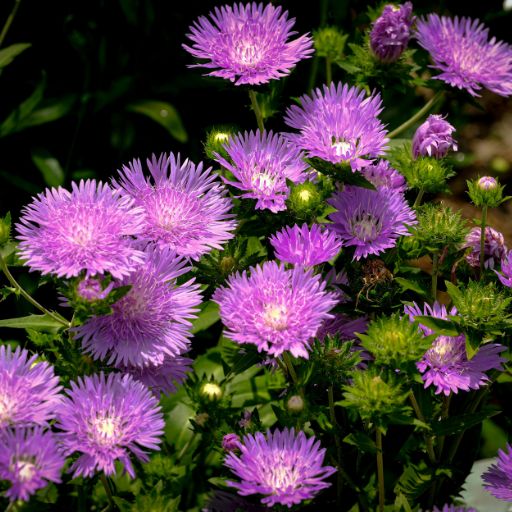
Scientific Name: Stokesia laevis
Native Region: North America
Blooming Time: Summer
Flower Colors: Blue, purple, white
Aroma: Mild
Interesting Facts:
- Large, fluffy blooms
- Attracts pollinators
How to Plant / Growing Tips:
- Plant in full sun
- Use well-drained soil
- Water moderately
- Deadhead for more blooms
Final Thoughts
Flowers that start with the letter S offer a stunning range of colors, textures, and fragrances—from the bold brightness of sunflowers to the delicate charm of snowdrops and the sweet scent of alyssum. Whether you’re designing a vibrant garden or a peaceful floral corner, these blooms give you endless creative possibilities.
Now here’s a simple question for you: Which of these “S” flowers would you love to grow and enjoy in your garden this season?