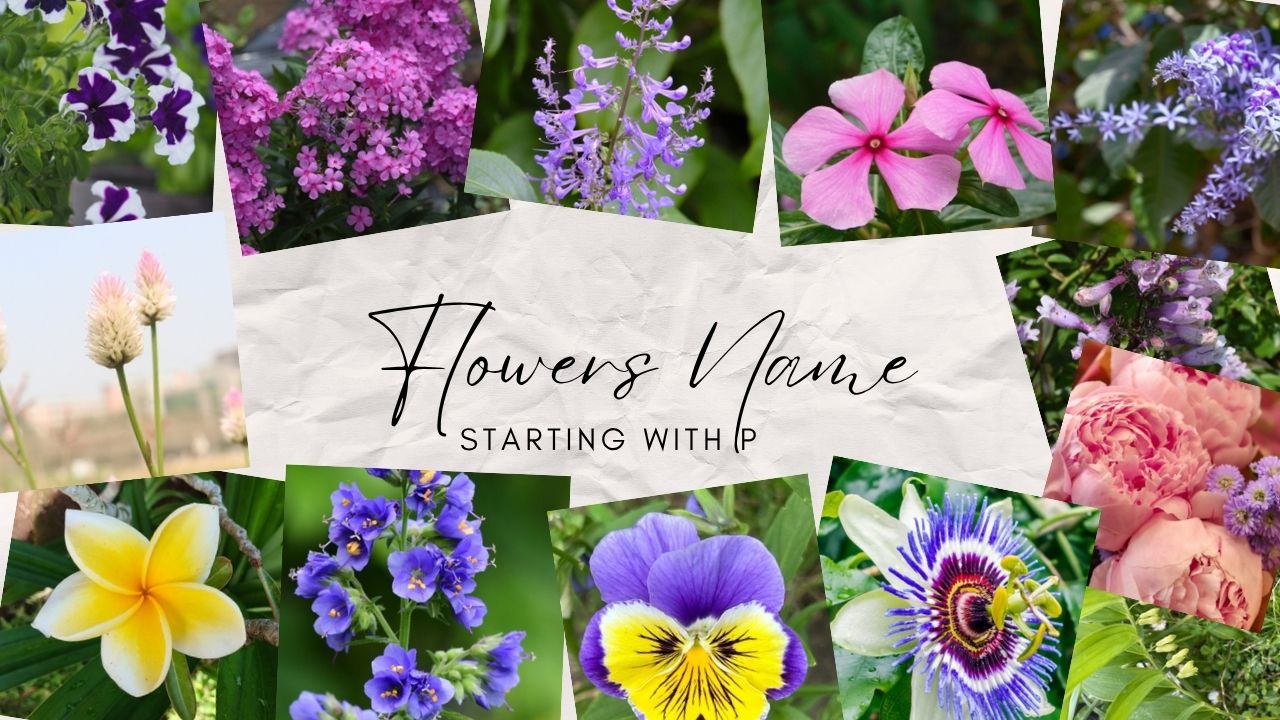
Get ready—because the letter P brings a fantastic lineup of flowers. Some of the most recognizable garden favorites belong here, along with a few hidden gems that many gardeners haven’t discovered yet.
From bold, colorful blooms that steal the spotlight to delicate flowers that quietly add charm, “P” flowers offer something for nearly every garden style. Whether you’re planning a vibrant flower bed or simply expanding your botanical knowledge, this group is full of delightful surprises.
In the list below, you’ll find 18 real flowers that start with the letter P, each with helpful details and easy, beginner-friendly growing tips so you can enjoy these beautiful plants with confidence.
1. Petunia
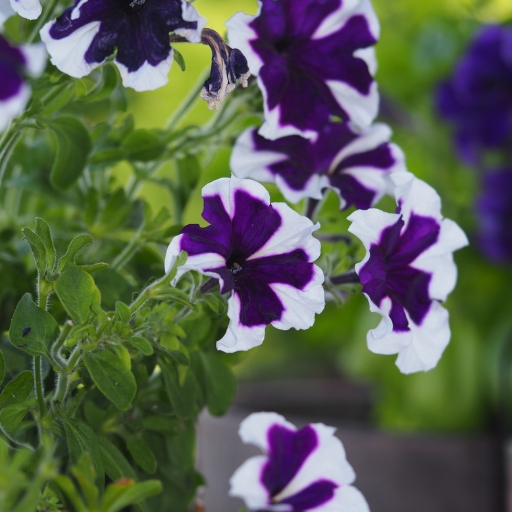
Scientific Name: Petunia spp.
Native Region: South America
Blooming Time: Spring to fall
Flower Colors: Pink, purple, red, white, yellow
Aroma: Light, sweet
Interesting Facts:
- One of the most popular bedding plants.
- Great for hanging baskets and containers.
How to Plant / Growing Tips:
- Plant in full sun: Ensures continuous blooms.
- Use well-drained soil: Prevents root issues.
- Water regularly: Keep soil slightly moist.
- Deadhead flowers: Encourages more blooms.
2. Peony
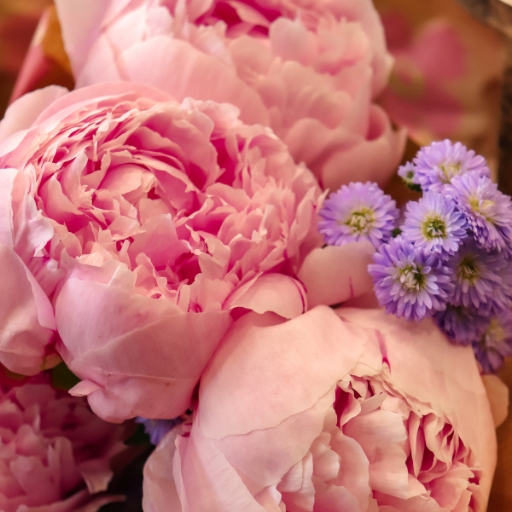
Scientific Name: Paeonia spp.
Native Region: Asia, Europe
Blooming Time: Late spring to early summer
Flower Colors: Pink, white, red, yellow
Aroma: Strong, sweet fragrance
Interesting Facts:
- Known for large, lush blooms.
- Can live and bloom for decades.
How to Plant / Growing Tips:
- Plant in full sun: Essential for flowering.
- Use well-drained soil: Prevents root rot.
- Avoid deep planting: Buds should be near soil surface.
- Provide support: Heavy blooms may need staking.
3. Poppy
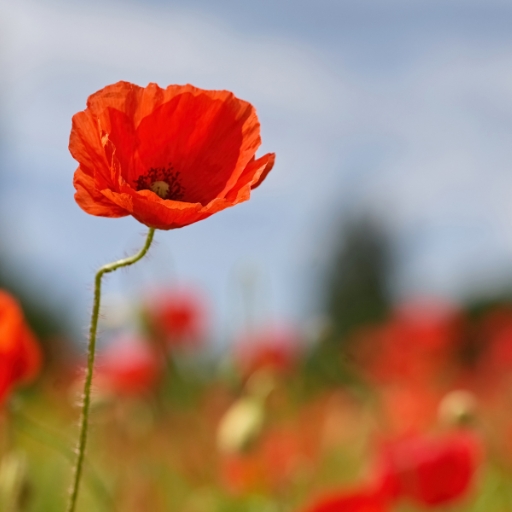
Scientific Name: Papaver spp.
Native Region: Europe, Asia
Blooming Time: Spring to summer
Flower Colors: Red, orange, pink, white
Aroma: Mild
Interesting Facts:
- Symbol of remembrance.
- Delicate petals with bold colors.
How to Plant / Growing Tips:
- Sow seeds directly outdoors: Does not transplant well.
- Plant in full sun: Encourages blooms.
- Use well-drained soil: Prevents root issues.
- Water lightly: Avoid soggy soil.
4. Phlox
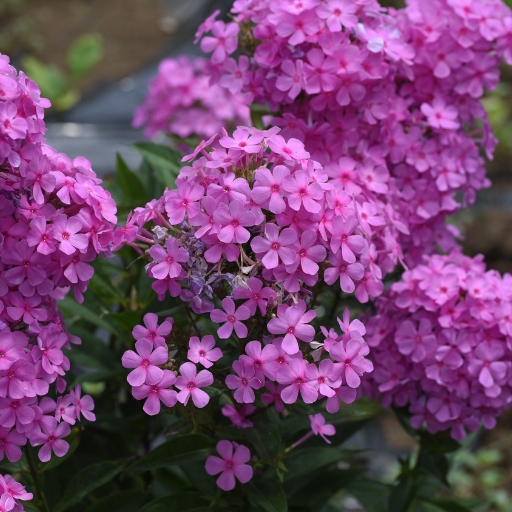
Scientific Name: Phlox spp.
Native Region: North America
Blooming Time: Spring to summer
Flower Colors: Pink, purple, white, red
Aroma: Sweet fragrance
Interesting Facts:
- Attracts butterflies and pollinators.
- Available in creeping and tall varieties.
How to Plant / Growing Tips:
- Plant in full sun: Promotes blooming.
- Use rich, well-drained soil: Supports growth.
- Water regularly: Keep soil moist.
- Provide spacing: Prevents mildew.
5. Primrose
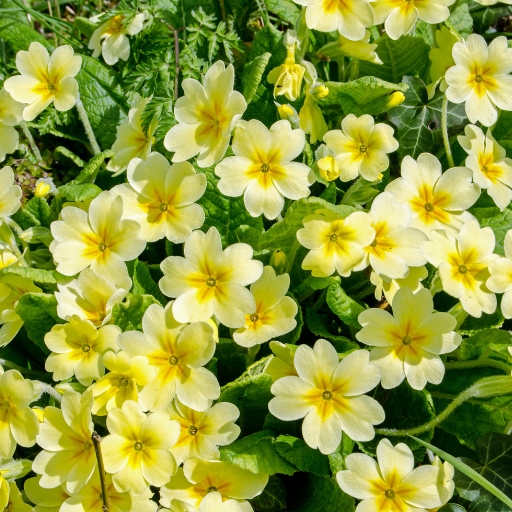
Scientific Name: Primula spp.
Native Region: Europe, Asia
Blooming Time: Early spring
Flower Colors: Yellow, pink, purple, blue
Aroma: Mild
Interesting Facts:
- One of the earliest spring flowers.
- Ideal for shade gardens.
- If you are born in February, the violet is your birth flower.
How to Plant / Growing Tips:
- Plant in partial shade: Prefers cooler conditions.
- Use moist soil: Keeps plants healthy.
- Water regularly: Avoid dry soil.
- Mulch lightly: Helps retain moisture.
6. Passionflower
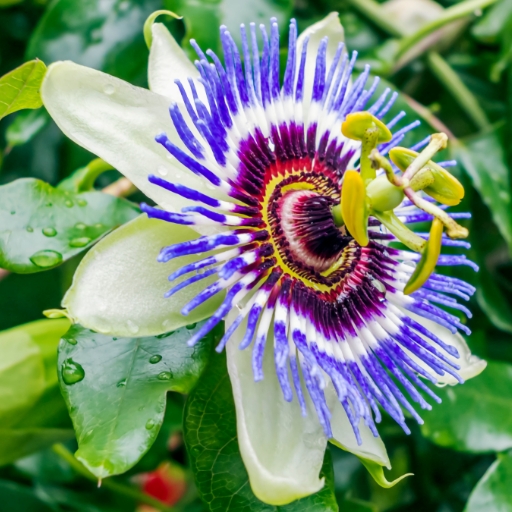
Scientific Name: Passiflora spp.
Native Region: Americas
Blooming Time: Summer
Flower Colors: Purple, blue, white
Aroma: Mild
Interesting Facts:
- Known for its intricate flower structure.
- Produces edible fruit in some varieties.
How to Plant / Growing Tips:
- Plant in full sun: Encourages flowering.
- Provide support: Climbing vine needs structure.
- Use well-drained soil: Prevents root issues.
- Water regularly: Keep soil moist.
7. Penstemon (Beardtongue)
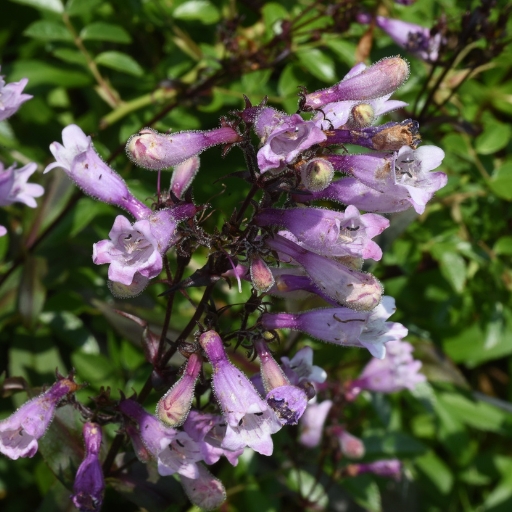
Scientific Name: Penstemon spp.
Native Region: North America
Blooming Time: Late spring to summer
Flower Colors: Red, purple, pink, white
Aroma: Mild
Interesting Facts:
- Attracts hummingbirds.
- Tubular flowers ideal for pollinators.
How to Plant / Growing Tips:
- Plant in full sun: Promotes blooms.
- Use well-drained soil: Prevents root rot.
- Water moderately: Drought-tolerant once established.
- Avoid heavy soil: Prefers light conditions.
8. Periwinkle (Vinca)
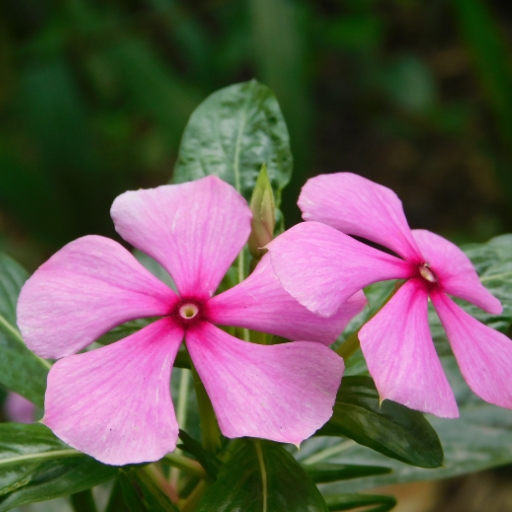
Scientific Name: Vinca minor
Native Region: Europe
Blooming Time: Spring to summer
Flower Colors: Blue, purple, white
Aroma: Mild
Interesting Facts:
- Excellent ground cover.
- Evergreen in mild climates.
How to Plant / Growing Tips:
- Plant in partial shade: Tolerates low light.
- Use well-drained soil: Prevents root issues.
- Water regularly: During establishment.
- Allow spreading: Covers ground quickly.
9. Plumeria (Frangipani)
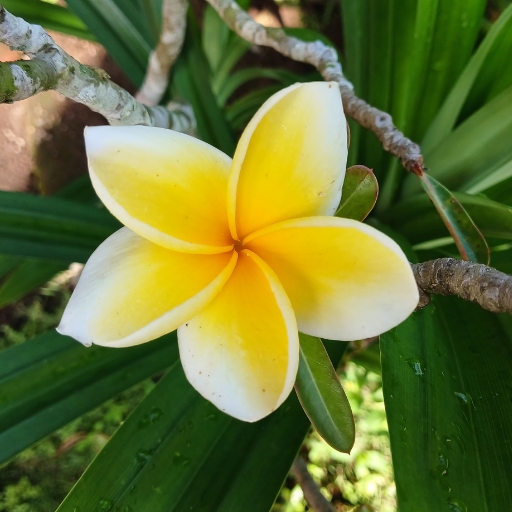
Scientific Name: Plumeria spp.
Native Region: Central America
Blooming Time: Summer
Flower Colors: White, yellow, pink, red
Aroma: Strong, sweet fragrance
Interesting Facts:
- Used in Hawaiian leis.
- Highly fragrant tropical flower.
How to Plant / Growing Tips:
- Plant in full sun: Essential for blooming.
- Use well-drained soil: Prevents root rot.
- Water moderately: Allow soil to dry between watering.
- Protect from frost: Best in warm climates.
10. Portulaca (Moss Rose)
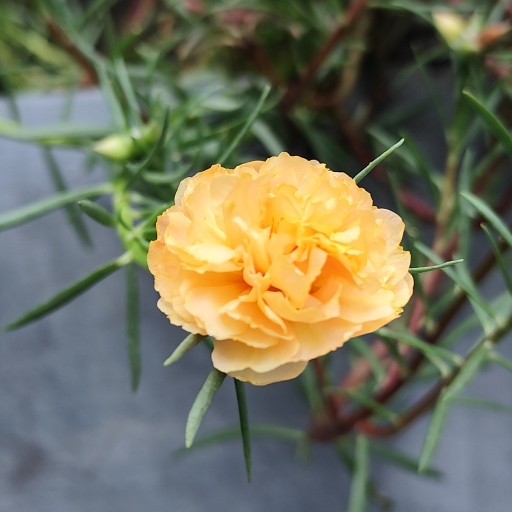
Scientific Name: Portulaca grandiflora
Native Region: South America
Blooming Time: Summer
Flower Colors: Pink, red, yellow, orange
Aroma: Mild
Interesting Facts:
- Succulent plant with vibrant flowers.
- Extremely drought-tolerant.
How to Plant / Growing Tips:
- Plant in full sun: Essential for blooms.
- Use sandy soil: Ensures good drainage.
- Water sparingly: Avoid overwatering.
- Great for containers: Low-maintenance option.
11. Pulmonaria (Lungwort)
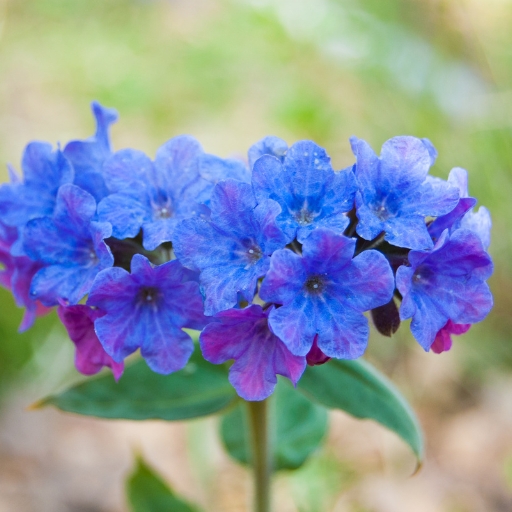
Scientific Name: Pulmonaria spp.
Native Region: Europe
Blooming Time: Early spring
Flower Colors: Blue, pink, purple
Aroma: Mild
Interesting Facts:
- Flowers change color as they mature.
- Known for spotted leaves.
How to Plant / Growing Tips:
- Plant in shade: Prefers woodland conditions.
- Use moist soil: Keeps plants healthy.
- Water regularly: Avoid dry conditions.
- Mulch around plants: Retains moisture.
12. Pyrethrum (Painted Daisy)
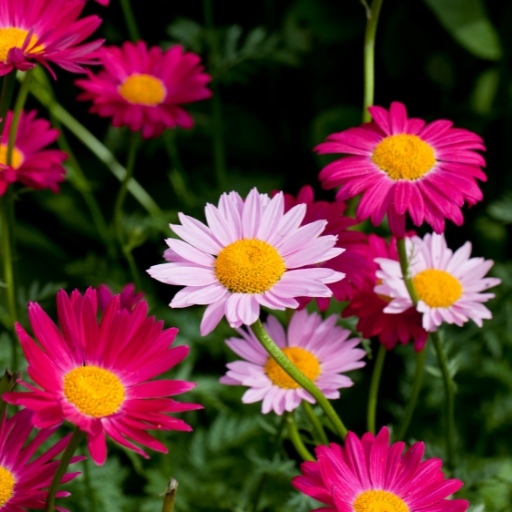
Scientific Name: Tanacetum coccineum
Native Region: Asia
Blooming Time: Late spring to summer
Flower Colors: Red, pink, white
Aroma: Mild
Interesting Facts:
- Natural insect repellent.
- Bright daisy-like blooms.
How to Plant / Growing Tips:
- Plant in full sun: Encourages flowering.
- Use well-drained soil: Prevents root issues.
- Water moderately: Avoid soggy soil.
- Deadhead blooms: Extends flowering.
13. Plectranthus
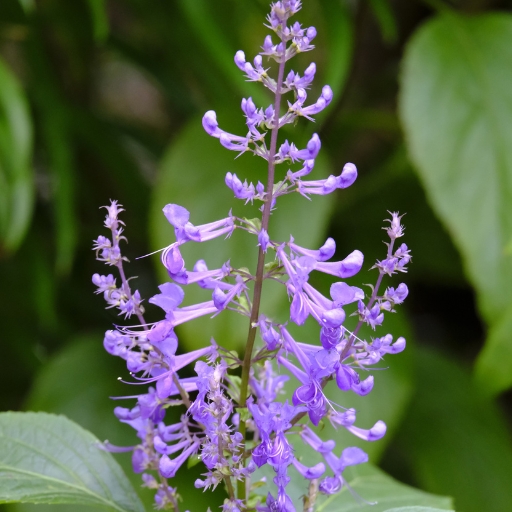
Scientific Name: Plectranthus spp.
Native Region: Africa, Asia
Blooming Time: Summer to fall
Flower Colors: Purple, white
Aroma: Mild
Interesting Facts:
- Grown for both foliage and flowers.
- Great for indoor and outdoor use.
How to Plant / Growing Tips:
- Plant in partial shade: Protect from strong sun.
- Use well-drained soil: Prevents root rot.
- Water regularly: Keep soil moist.
- Pinch back stems: Encourages bushy growth.
14. Polygonatum (Solomon’s Seal)
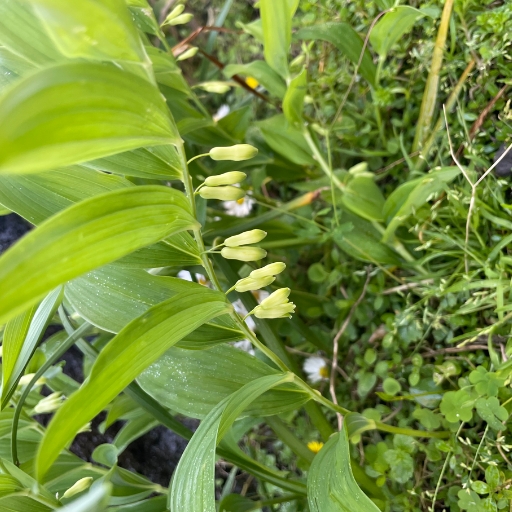
Scientific Name: Polygonatum spp.
Native Region: Northern Hemisphere
Blooming Time: Spring
Flower Colors: White, green
Aroma: Mild
Interesting Facts:
- Graceful arching stems.
- Shade-loving perennial.
How to Plant / Growing Tips:
- Plant in shade: Ideal for woodland gardens.
- Use rich, moist soil: Supports growth.
- Water regularly: Keep soil damp.
- Mulch annually: Improves soil quality.
15. Polemonium (Jacob’s Ladder)
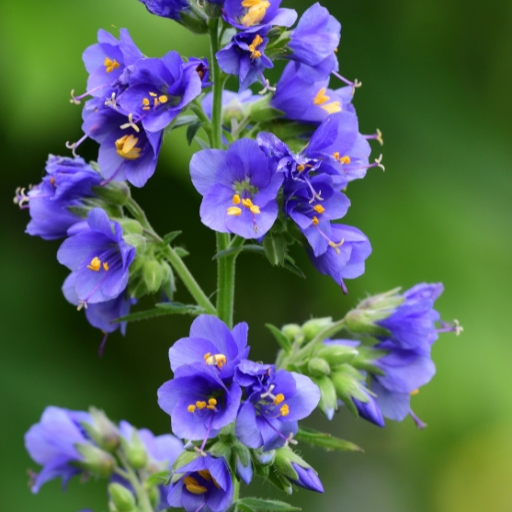
Scientific Name: Polemonium spp.
Native Region: Europe, Asia
Blooming Time: Spring to early summer
Flower Colors: Blue, purple, white
Aroma: Mild
Interesting Facts:
- Leaves resemble a ladder structure.
- Ideal for shaded gardens.
How to Plant / Growing Tips:
- Plant in partial shade: Prefers cool environments.
- Use moist soil: Keeps plants healthy.
- Water regularly: Avoid dryness.
- Trim after blooming: Encourages growth.
16. Pansy
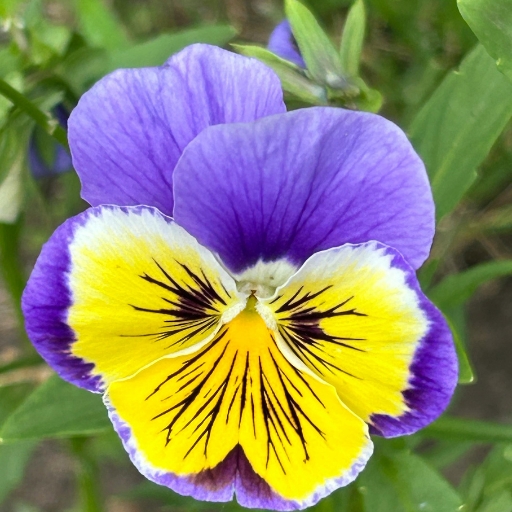
Scientific Name: Viola tricolor var. hortensis
Native Region: Europe
Blooming Time: Fall to spring
Flower Colors: Purple, yellow, blue, white
Aroma: Light
Interesting Facts:
- Known for “face-like” petals.
- Edible and decorative.
How to Plant / Growing Tips:
- Plant in full sun to partial shade: Flexible conditions.
- Use rich, well-drained soil: Supports blooms.
- Water regularly: Keep soil moist.
- Deadhead flowers: Encourages more blooms.
17. Ptilotus (Mulla Mulla)
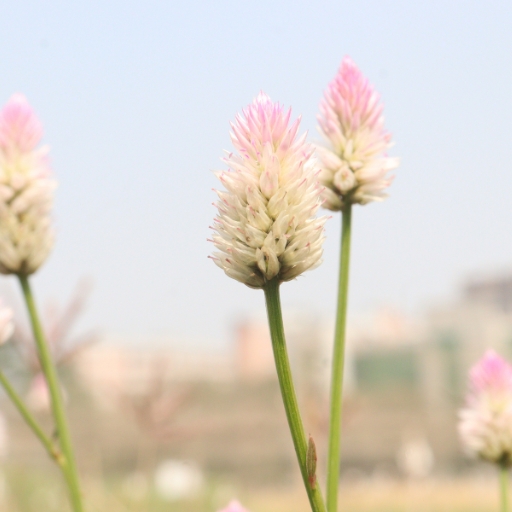
Scientific Name: Ptilotus exaltatus
Native Region: Australia
Blooming Time: Summer
Flower Colors: Pink, purple
Aroma: Mild
Interesting Facts:
- Soft, feathery flower spikes.
- Heat and drought tolerant.
How to Plant / Growing Tips:
- Plant in full sun: Promotes flowering.
- Use sandy soil: Ensures good drainage.
- Water sparingly: Avoid overwatering.
- Ideal for dry gardens: Low-maintenance plant.
18. Petrea (Queen’s Wreath)
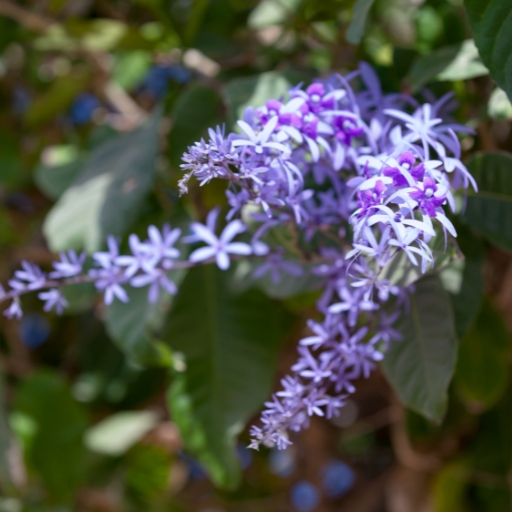
Scientific Name: Petrea volubilis
Native Region: Central America
Blooming Time: Spring to summer
Flower Colors: Purple, blue
Aroma: Mild
Interesting Facts:
- Produces cascading flower clusters.
- Beautiful climbing vine.
How to Plant / Growing Tips:
- Plant in full sun: Encourages blooms.
- Provide support: Needs trellis or pergola.
- Use well-drained soil: Prevents root issues.
- Water regularly: Keep soil moist.
🌼 Final Thoughts
Flowers that start with “P” offer incredible variety—from bold Peonies to easy growers like Petunias and drought-tolerant Portulaca.
If you’re just starting out, I’d recommend Petunia, Pansy, or Phlox—they’re easy to grow, colorful, and perfect for creating a lively garden.