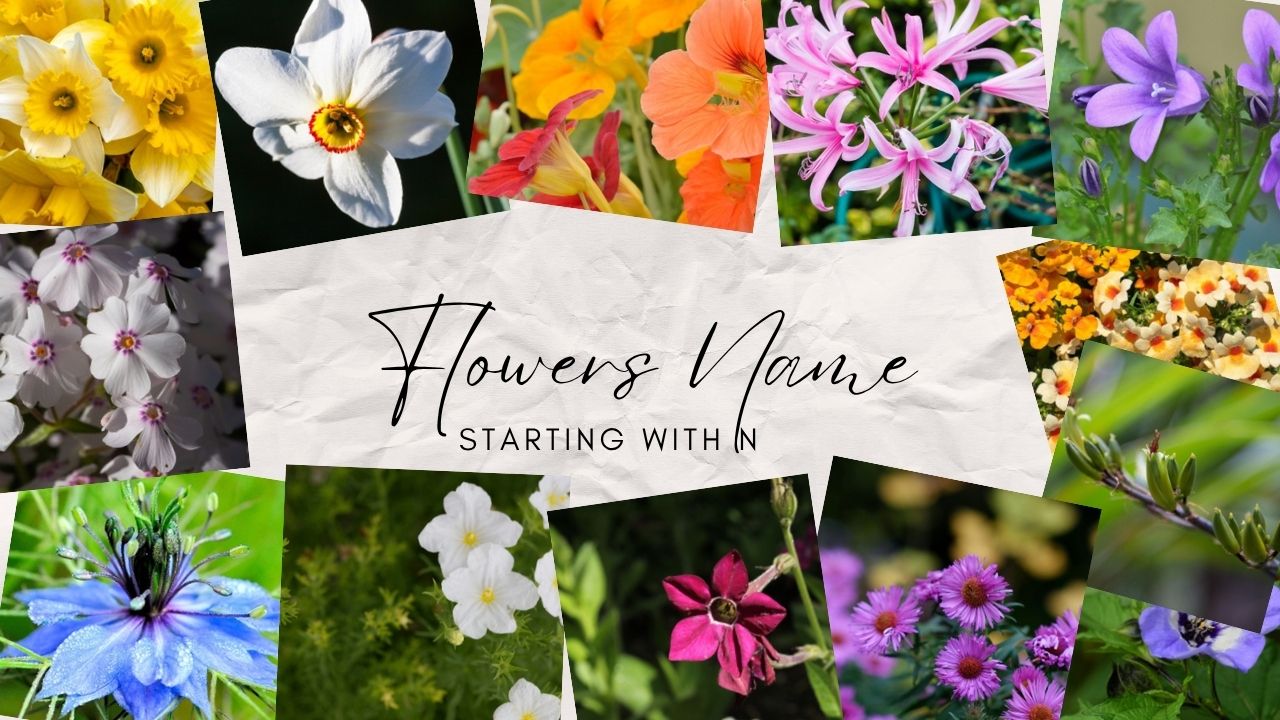
At first glance, the letter N might seem like a quiet corner of the flower alphabet—but take a closer look and you’ll discover some truly memorable blooms. From cheerful spring flowers that brighten gardens to unusual plants with fascinating shapes and fragrances, N-flowers have a charm that often surprises people.
Some are beloved garden classics, while others are hidden gems you may not have heard of yet. That’s part of the fun—exploring the unexpected beauty these plants bring to landscapes and flower beds.
Below, you’ll find a curated list of real flowers that start with “N,” along with key details and easy growing tips to help you learn about them and decide which ones might deserve a spot in your garden. 🌸
1. Narcissus (Daffodil)
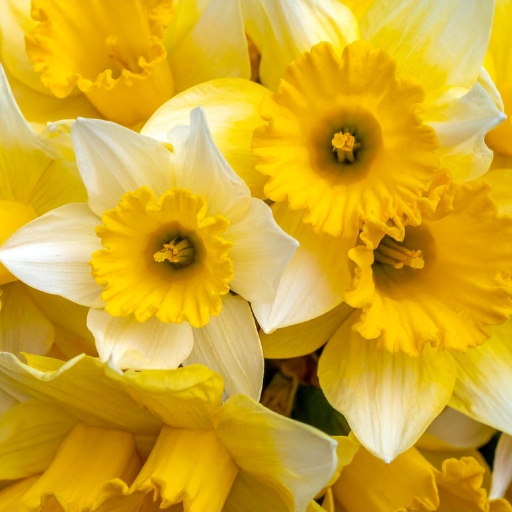
Scientific Name: Narcissus spp.
Native Region: Europe, North Africa
Blooming Time: Early spring
Flower Colors: Yellow, white, orange
Aroma: Light, sweet
Interesting Facts:
- One of the first flowers to bloom in spring.
- Deer and rodents usually avoid it.
How to Plant / Growing Tips:
- Plant bulbs in fall: Allows roots to establish before winter.
- Choose full sun to partial shade: Ideal for early blooms.
- Use well-drained soil: Prevents bulb rot.
- Allow foliage to die back: Helps store energy for next season.
2. Nasturtium
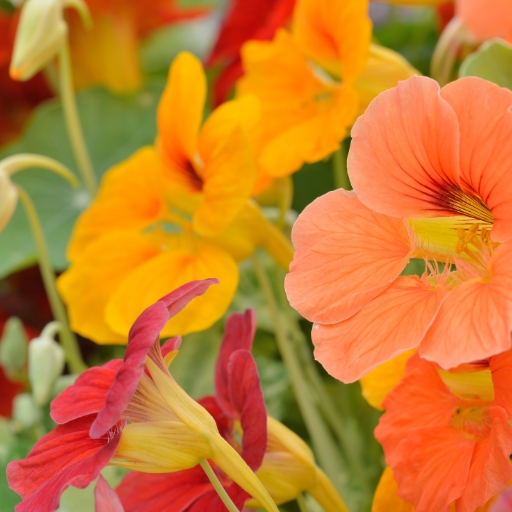
Scientific Name: Tropaeolum majus
Native Region: South America
Blooming Time: Spring to fall
Flower Colors: Red, orange, yellow
Aroma: Mild, peppery scent
Interesting Facts:
- Edible flowers with a peppery taste.
- Great for companion planting.
How to Plant / Growing Tips:
- Sow seeds directly outdoors: Easy to grow from seed.
- Plant in full sun: Encourages blooms.
- Use poor to average soil: Too much fertilizer reduces flowers.
- Water moderately: Avoid overly rich conditions.
3. Nemesia
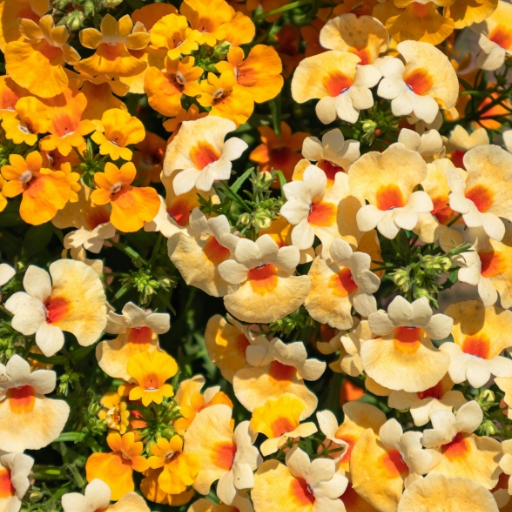
Scientific Name: Nemesia spp.
Native Region: South Africa
Blooming Time: Spring to summer
Flower Colors: Pink, purple, white, yellow
Aroma: Light, sweet fragrance
Interesting Facts:
- Known for vibrant, multi-colored blooms.
- Great for containers and borders.
How to Plant / Growing Tips:
- Plant in full sun to partial shade: Prefers cooler conditions.
- Use well-drained soil: Prevents root issues.
- Water regularly: Keep soil moist.
- Deadhead blooms: Encourages continuous flowering.
4. Nicotiana (Flowering Tobacco)
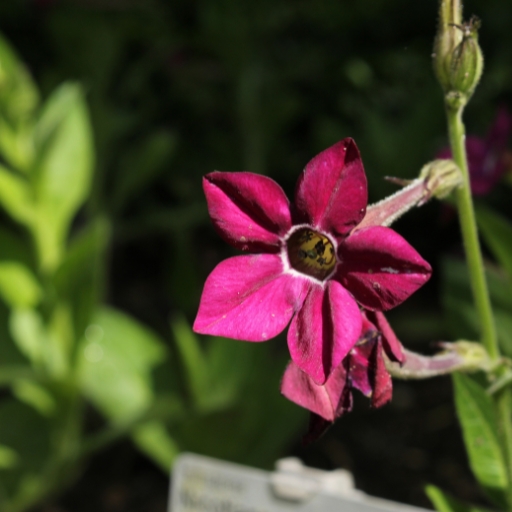
Scientific Name: Nicotiana alata
Native Region: South America
Blooming Time: Summer
Flower Colors: White, pink, red, green
Aroma: Strong, sweet fragrance (especially at night)
Interesting Facts:
- Night-blooming and highly fragrant.
- Related to tobacco plants.
How to Plant / Growing Tips:
- Plant in full sun to partial shade: Flexible conditions.
- Use rich, well-drained soil: Supports growth.
- Water regularly: Keep soil moist.
- Plant near seating areas: Enjoy its evening fragrance.
5. Nigella (Love-in-a-Mist)
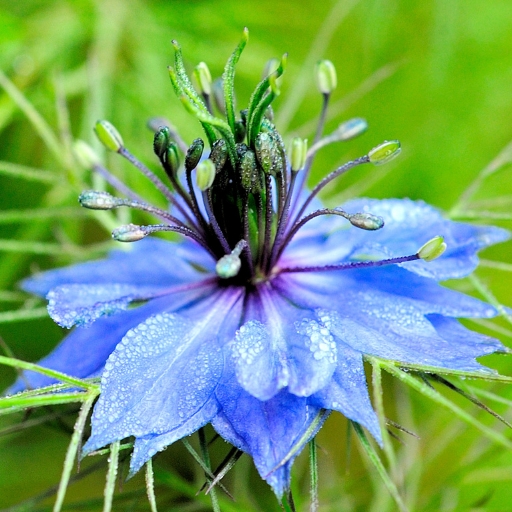
Scientific Name: Nigella damascena
Native Region: Europe, Asia
Blooming Time: Summer
Flower Colors: Blue, white
Aroma: Mild
Interesting Facts:
- Delicate flowers surrounded by feathery foliage.
- Produces decorative seed pods.
How to Plant / Growing Tips:
- Sow seeds directly outdoors: Does not transplant well.
- Plant in full sun: Encourages blooms.
- Use well-drained soil: Prevents root issues.
- Allow self-seeding: Naturalizes easily.
6. Nolana
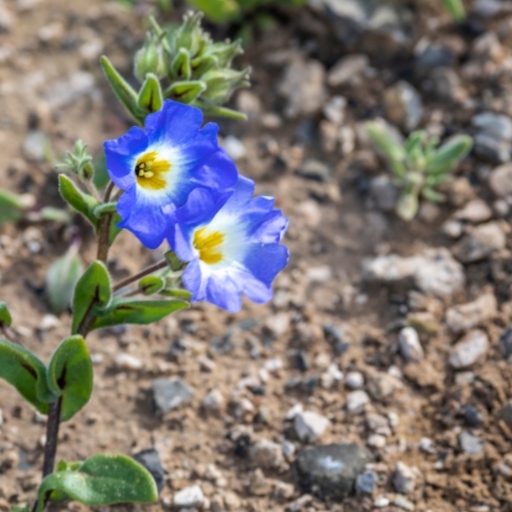
Scientific Name: Nolana spp.
Native Region: South America
Blooming Time: Summer
Flower Colors: Blue, purple
Aroma: Mild
Interesting Facts:
- Often called “Chilean bellflower.”
- Great for ground cover and containers.
How to Plant / Growing Tips:
- Plant in full sun: Essential for blooming.
- Use sandy, well-drained soil: Prevents root rot.
- Water moderately: Drought-tolerant once established.
- Avoid overwatering: Keeps plants healthy.
7. Nerine (Guernsey Lily)
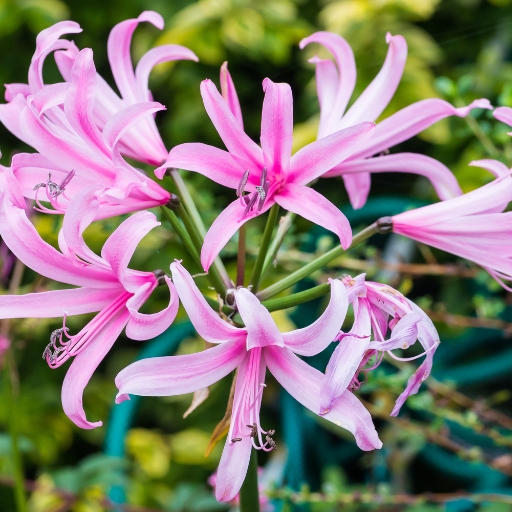
Scientific Name: Nerine bowdenii
Native Region: South Africa
Blooming Time: Fall
Flower Colors: Pink, red
Aroma: Mild
Interesting Facts:
- Blooms when many other flowers fade.
- Produces delicate, spider-like petals.
How to Plant / Growing Tips:
- Plant bulbs in spring: Ensures fall blooms.
- Choose full sun: Encourages flowering.
- Use well-drained soil: Prevents bulb rot.
- Water moderately: Avoid excessive moisture.
8. Nierembergia (Cupflower)
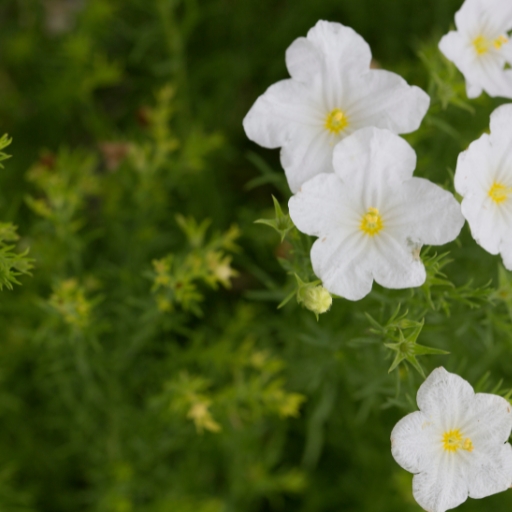
Scientific Name: Nierembergia spp.
Native Region: South America
Blooming Time: Summer
Flower Colors: White, purple, blue
Aroma: Mild
Interesting Facts:
- Produces cup-shaped blooms.
- Great for edging and containers.
How to Plant / Growing Tips:
- Plant in full sun: Promotes blooms.
- Use well-drained soil: Prevents root issues.
- Water regularly: Keep soil slightly moist.
- Trim lightly: Encourages bushy growth.
9. Night Phlox
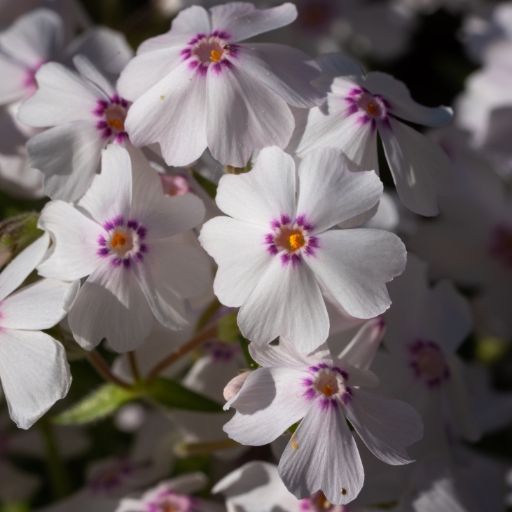
Scientific Name: Zaluzianskya capensis
Native Region: South Africa
Blooming Time: Summer
Flower Colors: White, purple
Aroma: Strong, sweet (at night)
Interesting Facts:
- Blooms open in the evening.
- Known for its powerful nighttime fragrance.
How to Plant / Growing Tips:
- Plant in full sun: Encourages flowering.
- Use well-drained soil: Prevents root issues.
- Water moderately: Avoid soggy soil.
- Place near patios: Enjoy evening scent.
10. New England Aster
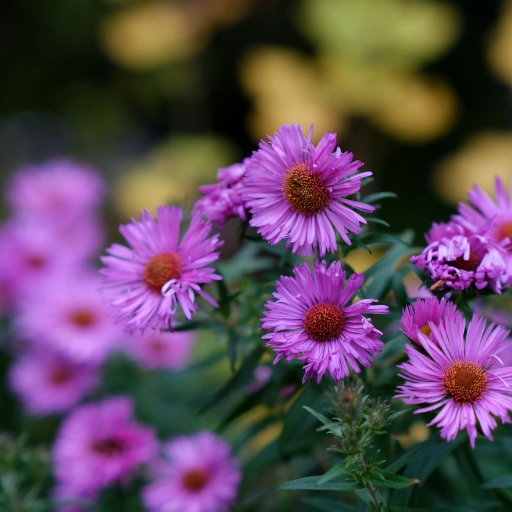
Scientific Name: Symphyotrichum novae-angliae
Native Region: North America
Blooming Time: Late summer to fall
Flower Colors: Purple, pink
Aroma: Mild
Interesting Facts:
- Important late-season pollinator plant.
- Brightens fall gardens.
How to Plant / Growing Tips:
- Plant in full sun: Promotes strong blooms.
- Use well-drained soil: Prevents root issues.
- Water regularly: Especially during dry spells.
- Pinch back early growth: Encourages bushier plants.
11. Nymphaea (Water Lily)
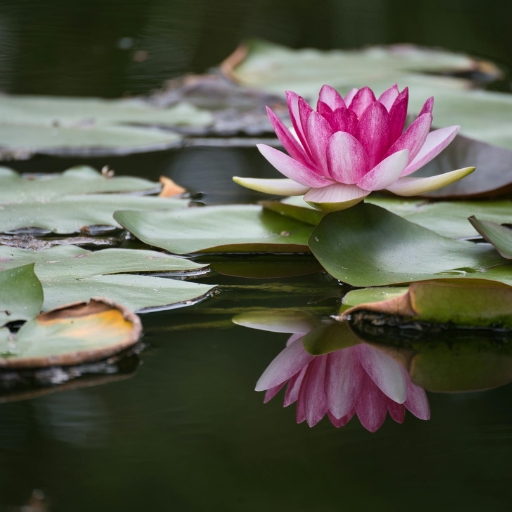
Scientific Name: Nymphaea spp.
Native Region: Worldwide
Blooming Time: Summer
Flower Colors: White, pink, yellow, blue
Aroma: Light, sweet
Interesting Facts:
- Grows in ponds and water gardens.
- Symbolizes purity in many cultures.
How to Plant / Growing Tips:
- Plant in aquatic containers: Requires water conditions.
- Provide full sun: Essential for blooms.
- Use heavy soil: Anchors roots underwater.
- Keep water warm: Promotes growth.
12. Nicandra (Apple of Peru)
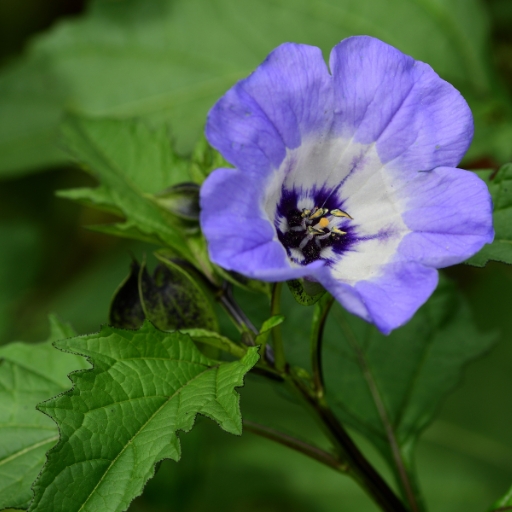
Scientific Name: Nicandra physalodes
Native Region: South America
Blooming Time: Summer
Flower Colors: Blue, purple
Aroma: Mild
Interesting Facts:
- Produces lantern-like seed pods.
- Easy-to-grow annual.
How to Plant / Growing Tips:
- Sow seeds directly outdoors: Easy for beginners.
- Plant in full sun: Encourages blooms.
- Use well-drained soil: Prevents root issues.
- Water moderately: Avoid overwatering.
13. Nettle-leaved Bellflower
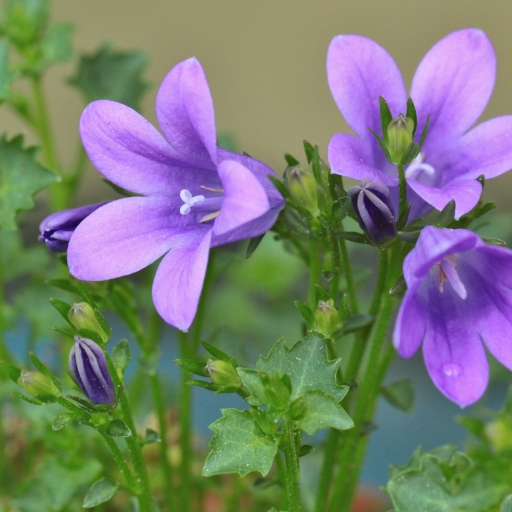
Scientific Name: Campanula trachelium
Native Region: Europe
Blooming Time: Summer
Flower Colors: Purple, blue
Aroma: Mild
Interesting Facts:
- Bell-shaped flowers attract pollinators.
- Hardy perennial.
How to Plant / Growing Tips:
- Plant in full sun to partial shade: Flexible conditions.
- Use well-drained soil: Prevents root issues.
- Water regularly: Keep soil moist.
- Deadhead blooms: Encourages more flowers.
14. Nolana humifusa
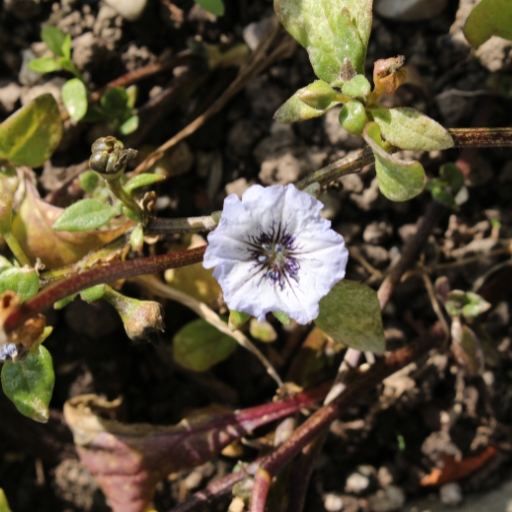
Scientific Name: Nolana humifusa
Native Region: South America
Blooming Time: Summer
Flower Colors: Blue
Aroma: Mild
Interesting Facts:
- Low-growing ground cover.
- Heat and drought tolerant.
How to Plant / Growing Tips:
- Plant in full sun: Essential for blooms.
- Use sandy soil: Ensures proper drainage.
- Water sparingly: Avoid excess moisture.
- Allow spreading: Covers ground quickly.
15. Nierembergia rivularis
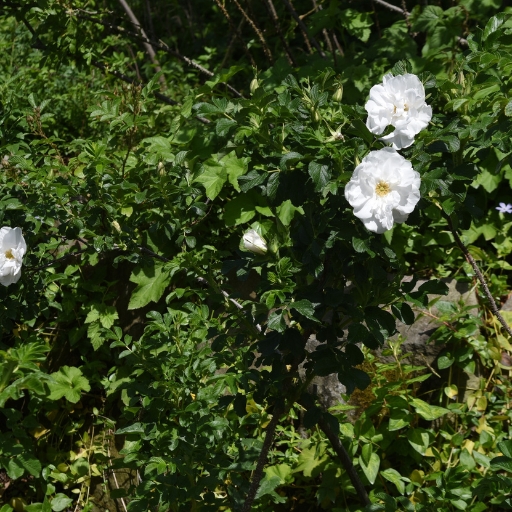
Scientific Name: Nierembergia rivularis
Native Region: South America
Blooming Time: Summer
Flower Colors: White
Aroma: Mild
Interesting Facts:
- Compact plant ideal for containers.
- Produces abundant small blooms.
How to Plant / Growing Tips:
- Plant in full sun: Encourages flowering.
- Use well-drained soil: Prevents root rot.
- Water regularly: Keep soil moist.
- Trim occasionally: Maintains shape.
16. Narcissus poeticus (Poet’s Daffodil)
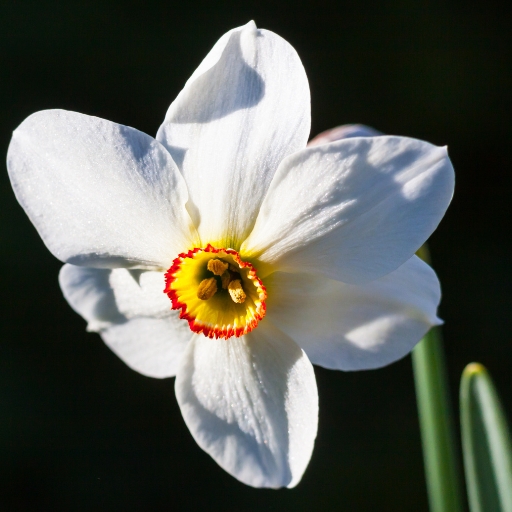
Scientific Name: Narcissus poeticus
Native Region: Europe
Blooming Time: Spring
Flower Colors: White with yellow/red center
Aroma: Strong, sweet fragrance
Interesting Facts:
- Known for its intense scent.
- Classic heirloom flower.
How to Plant / Growing Tips:
- Plant bulbs in fall: Ensures spring blooms.
- Choose full sun: Promotes flowering.
- Use well-drained soil: Prevents bulb rot.
- Water moderately: Avoid overwatering.
17. New Zealand Flax Flower
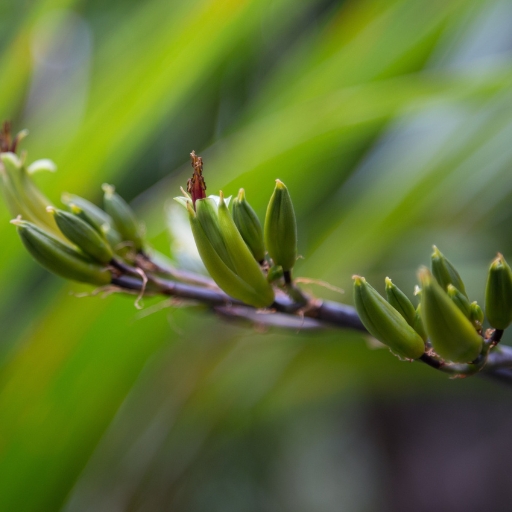
Scientific Name: Phormium tenax
Native Region: New Zealand
Blooming Time: Summer
Flower Colors: Red, yellow
Aroma: Mild
Interesting Facts:
- Grown mainly for its striking foliage.
- Produces tall flower spikes.
How to Plant / Growing Tips:
- Plant in full sun: Encourages growth.
- Use well-drained soil: Prevents root issues.
- Water moderately: Drought-tolerant once established.
- Protect from frost: Best in mild climates.
18. Nymphoides (Floating Heart)
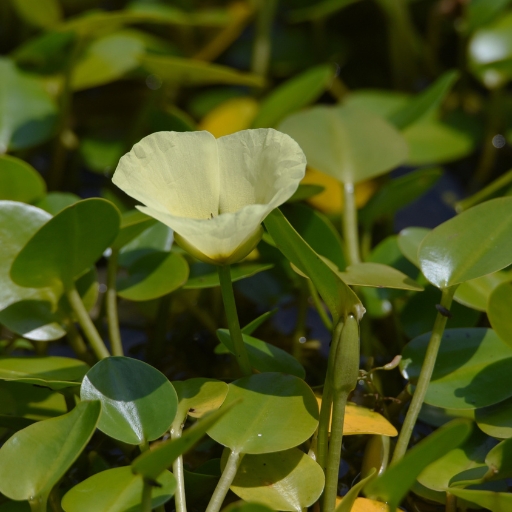
Scientific Name: Nymphoides spp.
Native Region: Asia, Europe
Blooming Time: Summer
Flower Colors: Yellow, white
Aroma: Mild
Interesting Facts:
- Aquatic plant similar to water lilies.
- Produces floating leaves.
How to Plant / Growing Tips:
- Plant in ponds or containers: Requires water environment.
- Provide full sun: Essential for blooms.
- Use aquatic soil: Anchors roots.
- Maintain water quality: Keeps plants healthy.
🌼 Final Thoughts
Flowers that start with “N” may be less common, but they offer a beautiful mix—from cheerful Nasturtiums to elegant aquatic blooms like Nymphaea.
If you’re just starting out, I’d recommend Nasturtium, Nemesia, or Narcissus—they’re easy to grow, colorful, and perfect for adding life to your garden.