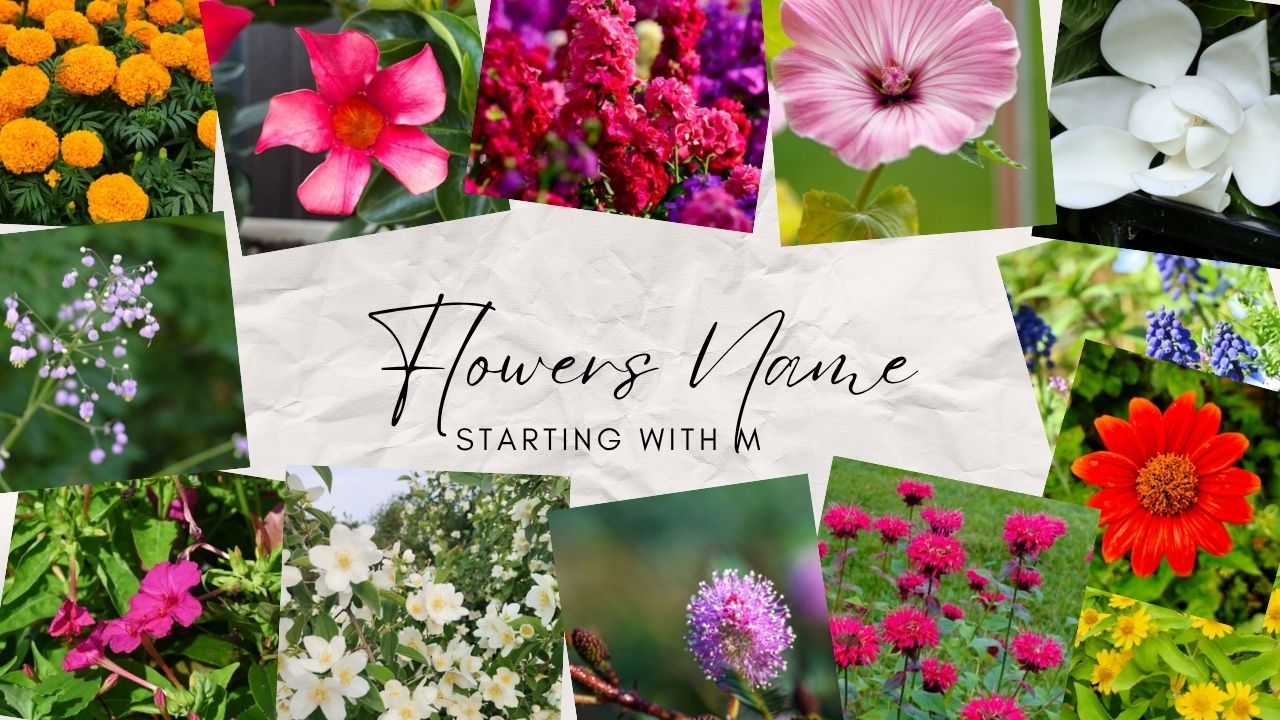
Some letters in the flower alphabet are packed with familiar favorites, and M is definitely one of them. From cheerful garden staples to elegant ornamental blooms, flowers that begin with this letter appear in landscapes, bouquets, and wild meadows around the world.
In fact, many well-loved plants gardeners recognize instantly—like marigolds, magnolias, and morning glories—belong to this group. That makes the M section especially exciting for both beginner gardeners and plant enthusiasts.
Below, you’ll find a carefully selected list of 18 real flowers that start with “M.” Each one includes helpful details and simple growing tips so you can learn about them and, if you’d like, add some of these beautiful blooms to your own garden. 🌸
1. Marigold
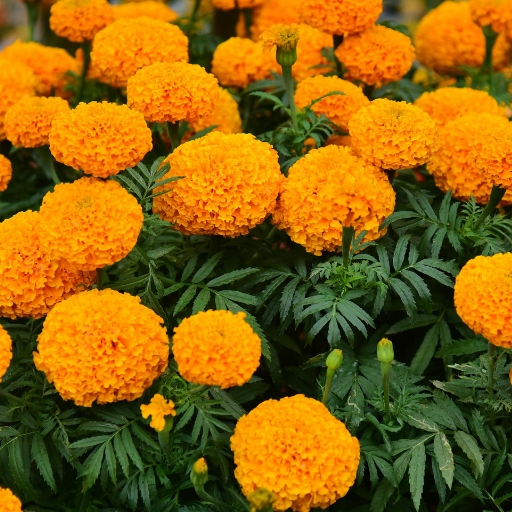
Scientific Name: Tagetes spp.
Native Region: Mexico, Central America
Blooming Time: Spring to fall
Flower Colors: Yellow, orange, red
Aroma: Strong, pungent
Interesting Facts:
- Known for pest-repelling properties.
- Commonly used in companion planting.
How to Plant / Growing Tips:
- Sow seeds directly or indoors: Very easy to grow.
- Plant in full sun: Ensures continuous blooms.
- Use well-drained soil: Prevents root issues.
- Deadhead regularly: Encourages more flowers.
2. Magnolia
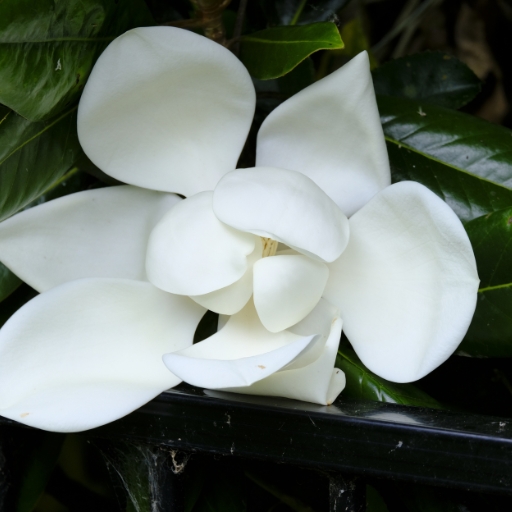
Scientific Name: Magnolia spp.
Native Region: Asia, Americas
Blooming Time: Spring
Flower Colors: White, pink, purple
Aroma: Sweet, strong fragrance
Interesting Facts:
- One of the oldest flowering plants.
- Produces large, showy blooms.
How to Plant / Growing Tips:
- Plant in full sun to partial shade: Protect from harsh winds.
- Use rich, well-drained soil: Supports root development.
- Water deeply: Especially during dry periods.
- Avoid root disturbance: Sensitive root system.
3. Morning Glory
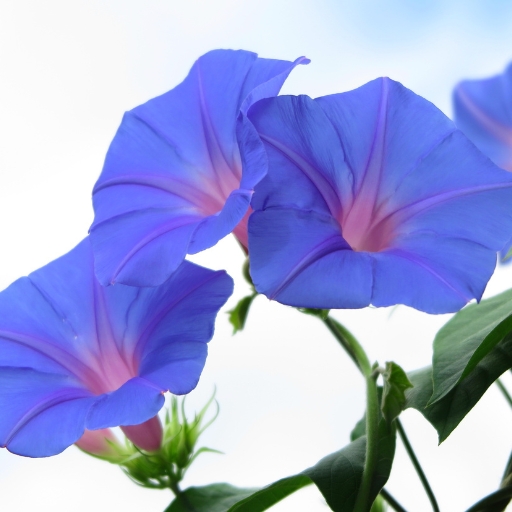
Scientific Name: Ipomoea spp.
Native Region: Tropical regions
Blooming Time: Summer to fall
Flower Colors: Blue, purple, pink, white
Aroma: Mild
Interesting Facts:
- Flowers open in the morning.
- Fast-growing climbing vine.
How to Plant / Growing Tips:
- Sow seeds directly outdoors: Easy to establish.
- Plant in full sun: Encourages blooms.
- Provide support: Needs trellis or fence.
- Water moderately: Avoid overwatering.
4. Mimosa (Sensitive Plant Flower)
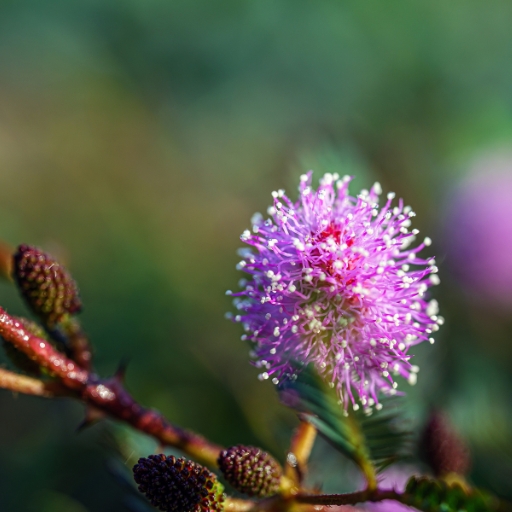
Scientific Name: Mimosa pudica
Native Region: South America
Blooming Time: Summer
Flower Colors: Pink, purple
Aroma: Mild
Interesting Facts:
- Leaves close when touched.
- Often grown as a novelty plant.
How to Plant / Growing Tips:
- Plant in full sun: Promotes growth.
- Use well-drained soil: Prevents root issues.
- Water regularly: Keep soil moist.
- Grow in warm conditions: Sensitive to cold.
5. Moonflower
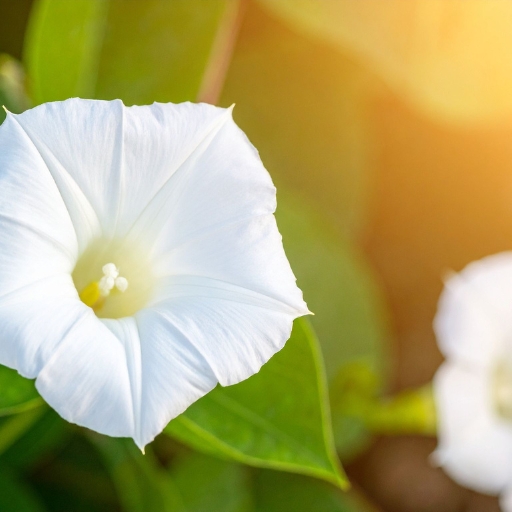
Scientific Name: Ipomoea alba
Native Region: Tropical Americas
Blooming Time: Summer to fall
Flower Colors: White
Aroma: Strong, sweet fragrance at night
Interesting Facts:
- Blooms open at night.
- Often paired with morning glory.
How to Plant / Growing Tips:
- Sow seeds outdoors: After last frost.
- Plant in full sun: Essential for growth.
- Provide support: Climbing vine.
- Water regularly: Keep soil moist.
6. Muscari (Grape Hyacinth)
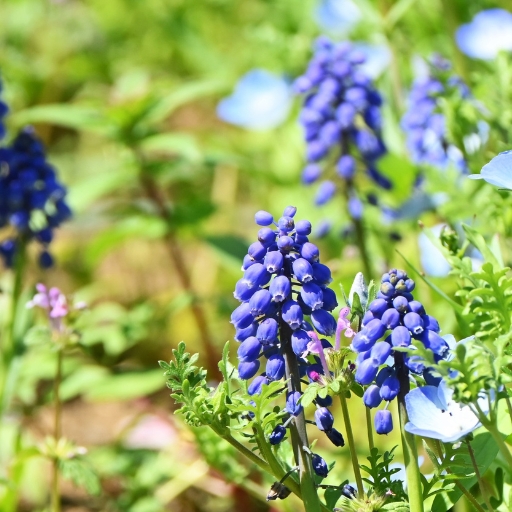
Scientific Name: Muscari spp.
Native Region: Europe, Asia
Blooming Time: Spring
Flower Colors: Blue, purple, white
Aroma: Light, sweet
Interesting Facts:
- Small clusters resemble grapes.
- Great for naturalizing in lawns.
How to Plant / Growing Tips:
- Plant bulbs in fall: Ensures spring blooms.
- Choose full sun to partial shade: Flexible placement.
- Use well-drained soil: Prevents bulb rot.
- Allow spreading: Naturalizes easily.
7. Mallow
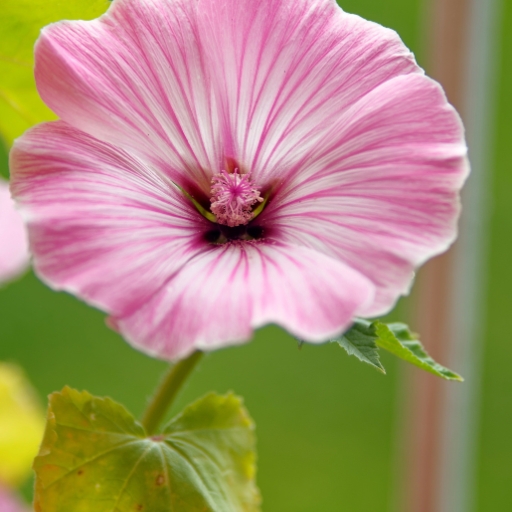
Scientific Name: Malva spp.
Native Region: Europe, Asia
Blooming Time: Summer
Flower Colors: Pink, purple, white
Aroma: Mild
Interesting Facts:
- Related to hibiscus.
- Edible flowers and leaves.
How to Plant / Growing Tips:
- Plant in full sun: Encourages blooms.
- Use well-drained soil: Prevents root issues.
- Water moderately: Tolerates dry conditions.
- Allow natural growth: Easy to maintain.
8. Monarda (Bee Balm)
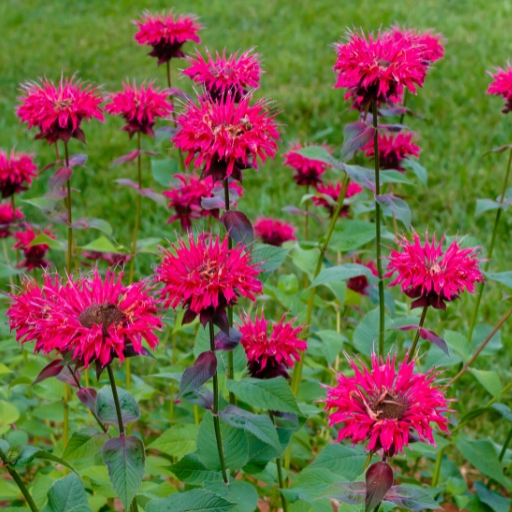
Scientific Name: Monarda spp.
Native Region: North America
Blooming Time: Summer
Flower Colors: Red, pink, purple
Aroma: Strong, minty fragrance
Interesting Facts:
- Attracts bees, butterflies, and hummingbirds.
- Used in herbal teas.
How to Plant / Growing Tips:
- Plant in full sun: Promotes flowering.
- Use rich, moist soil: Supports growth.
- Water regularly: Keep soil evenly moist.
- Provide spacing: Prevents mildew issues.
9. Matthiola (Stock Flower)
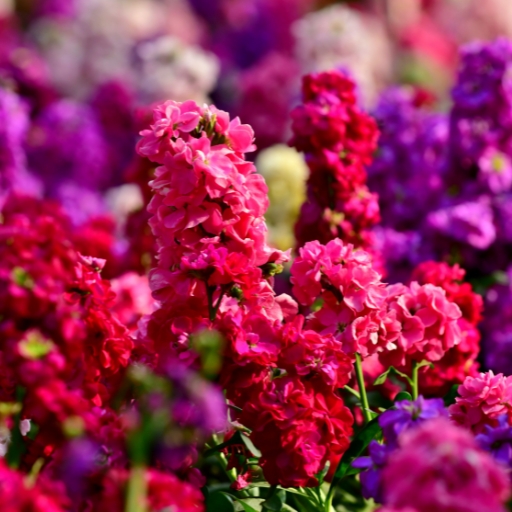
Scientific Name: Matthiola incana
Native Region: Mediterranean
Blooming Time: Spring
Flower Colors: Pink, purple, white
Aroma: Strong, sweet fragrance
Interesting Facts:
- Popular for its scent.
- Used in bouquets.
How to Plant / Growing Tips:
- Plant in full sun: Encourages blooms.
- Use well-drained soil: Prevents root issues.
- Water regularly: Keep soil moist.
- Grow in cool weather: Prefers mild temperatures.
10. Mexican Sunflower
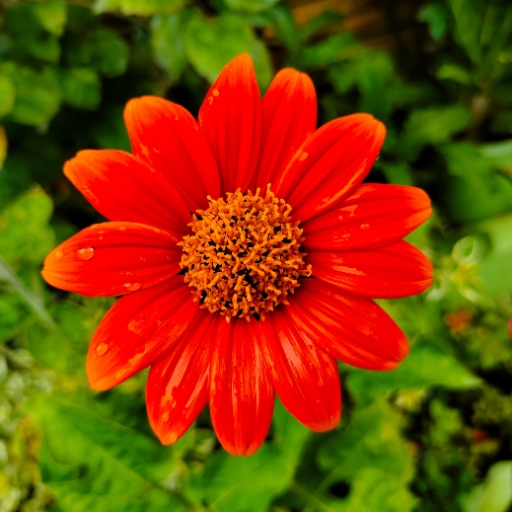
Scientific Name: Tithonia rotundifolia
Native Region: Mexico
Blooming Time: Summer to fall
Flower Colors: Orange, red
Aroma: Mild
Interesting Facts:
- Attracts butterflies.
- Bright, daisy-like blooms.
How to Plant / Growing Tips:
- Plant in full sun: Essential for flowering.
- Use well-drained soil: Prevents root issues.
- Water moderately: Drought-tolerant once established.
- Provide space: Grows tall and wide.
11. Mock Orange
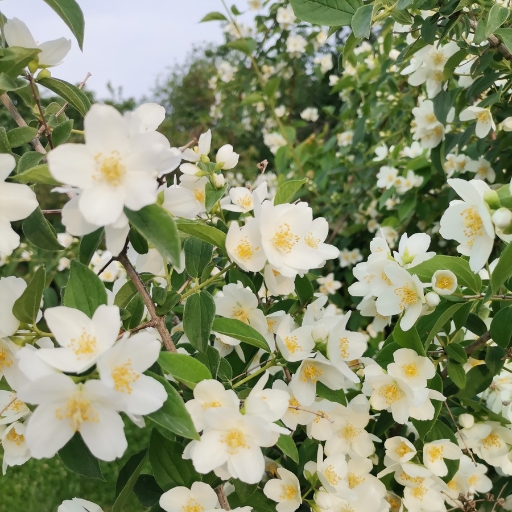
Scientific Name: Philadelphus spp.
Native Region: Europe, Asia
Blooming Time: Late spring
Flower Colors: White
Aroma: Strong, citrus-like fragrance
Interesting Facts:
- Smells similar to orange blossoms.
- Popular ornamental shrub.
How to Plant / Growing Tips:
- Plant in full sun to partial shade: Encourages blooms.
- Use well-drained soil: Supports root health.
- Water regularly: Especially during dry periods.
- Prune after flowering: Maintains shape.
12. Meadow Rue
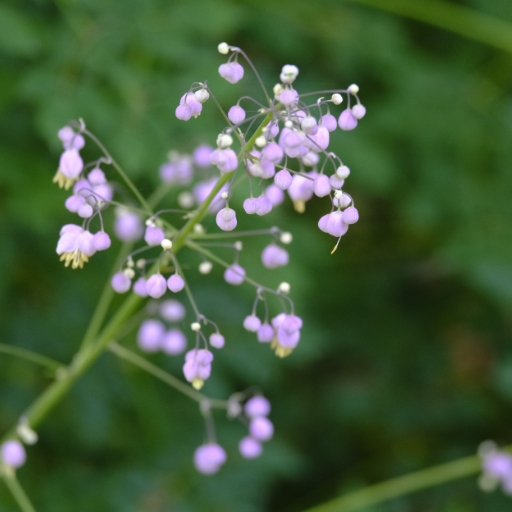
Scientific Name: Thalictrum spp.
Native Region: Northern Hemisphere
Blooming Time: Late spring to summer
Flower Colors: Purple, pink, white
Aroma: Mild
Interesting Facts:
- Known for airy, delicate flowers.
- Great for shade gardens.
How to Plant / Growing Tips:
- Plant in partial shade: Prefers cool conditions.
- Use moist soil: Keeps plants healthy.
- Water regularly: Avoid dry soil.
- Provide support: Tall stems may need staking.
13. Mandevilla
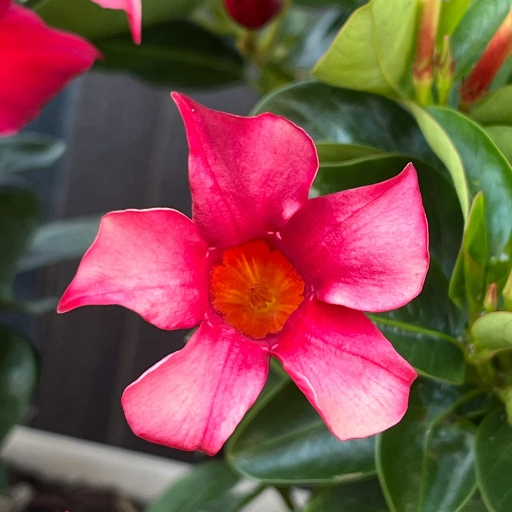
Scientific Name: Mandevilla spp.
Native Region: Central and South America
Blooming Time: Summer
Flower Colors: Pink, red, white
Aroma: Mild
Interesting Facts:
- Tropical climbing plant.
- Great for containers and trellises.
How to Plant / Growing Tips:
- Plant in full sun: Encourages blooms.
- Use well-drained soil: Prevents root issues.
- Water regularly: Keep soil moist.
- Provide support: Needs climbing structure.
14. Mirabilis (Four O’Clock Flower)
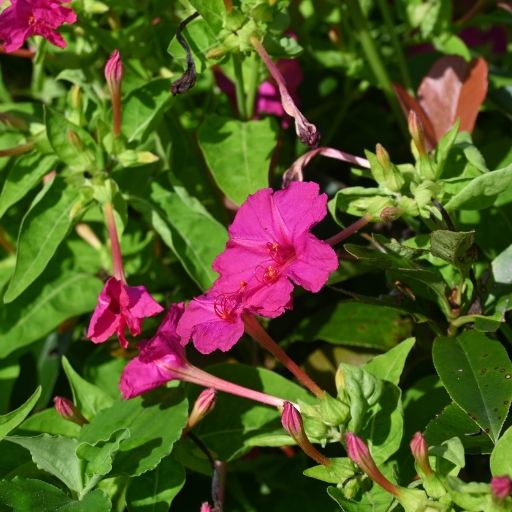
Scientific Name: Mirabilis jalapa
Native Region: South America
Blooming Time: Summer to fall
Flower Colors: Pink, yellow, white, red
Aroma: Sweet, stronger in evening
Interesting Facts:
- Blooms open in late afternoon.
- Flowers can be multi-colored.
How to Plant / Growing Tips:
- Plant in full sun: Promotes flowering.
- Use well-drained soil: Prevents root issues.
- Water moderately: Drought-tolerant once established.
- Allow tubers to regrow: In warm climates.
15. Moraea (Peacock Iris)
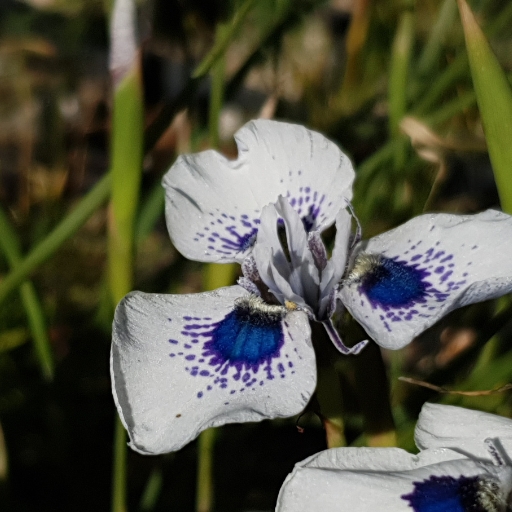
Scientific Name: Moraea spp.
Native Region: South Africa
Blooming Time: Spring
Flower Colors: White, yellow, blue
Aroma: Mild
Interesting Facts:
- Short-lived blooms that open for a day.
- Decorative, patterned petals.
How to Plant / Growing Tips:
- Plant in full sun: Essential for blooms.
- Use well-drained soil: Prevents bulb rot.
- Water moderately: Avoid excess moisture.
- Plant bulbs in fall: For spring blooms.
16. Mountain Laurel
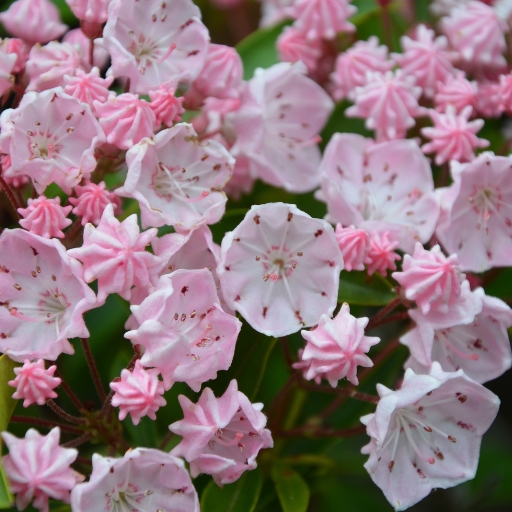
Scientific Name: Kalmia latifolia
Native Region: North America
Blooming Time: Late spring
Flower Colors: Pink, white
Aroma: Mild
Interesting Facts:
- Native evergreen shrub.
- Unique geometric flower shapes.
How to Plant / Growing Tips:
- Plant in partial shade: Protect from strong sun.
- Use acidic soil: Essential for growth.
- Water regularly: Keep soil moist.
- Mulch around base: Retains moisture.
17. Myosotis (Forget-Me-Not)
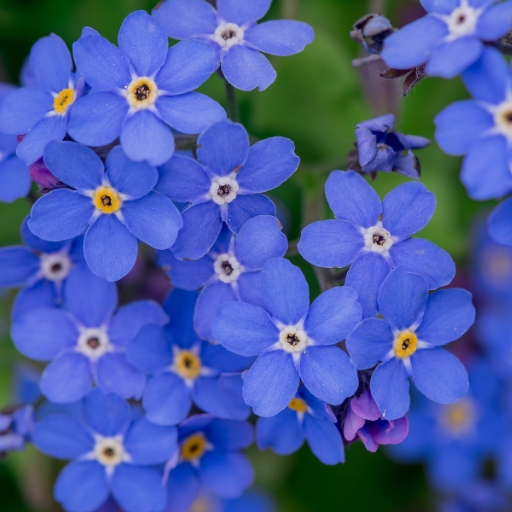
Scientific Name: Myosotis spp.
Native Region: Europe
Blooming Time: Spring
Flower Colors: Blue, pink, white
Aroma: Light
Interesting Facts:
- Symbol of remembrance.
- Spreads easily in gardens.
How to Plant / Growing Tips:
- Sow seeds outdoors: Easy to grow.
- Plant in partial shade: Especially in warm climates.
- Use moist soil: Keeps plants healthy.
- Allow self-seeding: Creates natural clusters.
18. Melampodium
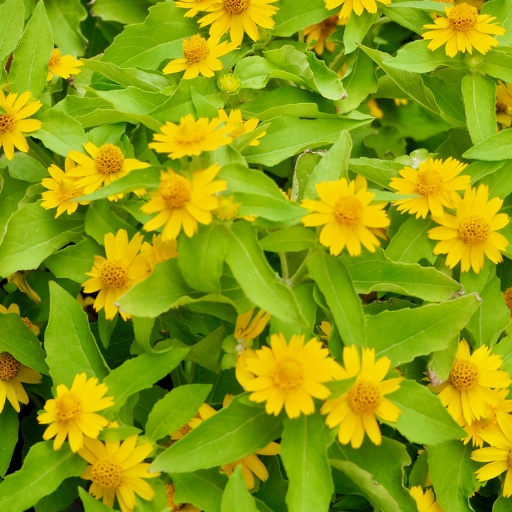
Scientific Name: Melampodium spp.
Native Region: Central America
Blooming Time: Summer to fall
Flower Colors: Yellow
Aroma: Mild
Interesting Facts:
- Heat-tolerant annual.
- Great for borders and containers.
How to Plant / Growing Tips:
- Plant in full sun: Promotes blooms.
- Use well-drained soil: Prevents root issues.
- Water moderately: Avoid overwatering.
- Deadhead if needed: Encourages more flowers.
🌼 Final Thoughts
Flowers that start with “M” bring a vibrant mix of fragrance, color, and versatility—from cheerful Marigolds to elegant Magnolias and pollinator-friendly Monarda.
If you’re just starting out, I’d recommend Marigold, Morning Glory, or Monarda—they’re easy to grow, rewarding, and perfect for adding life to your garden without much effort.