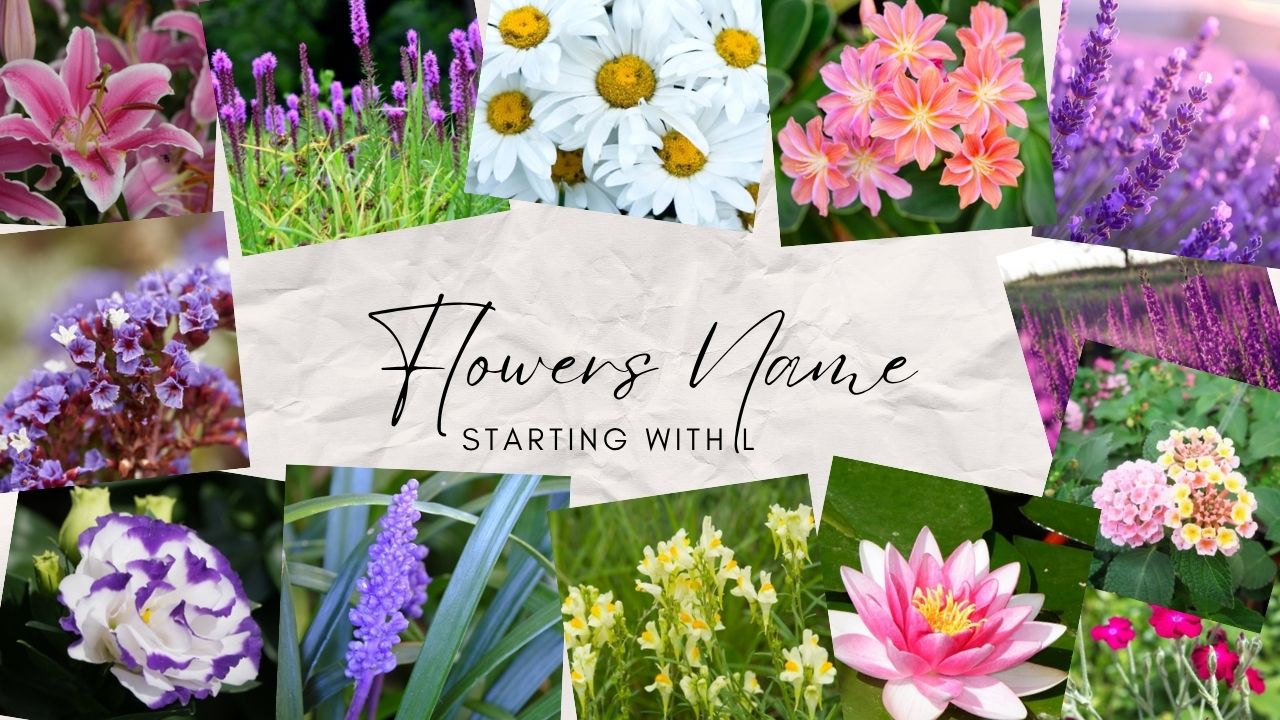
If you’re looking for flowers that start with the letter L, you’re stepping into one of the most lovely corners of the floral world. From the elegant Lily to cheerful garden favorites and charming wildflowers, this letter is packed with blooms that gardeners and flower lovers adore.
Below, you’ll find a carefully curated list of 18 real flowers that begin with “L,” along with simple growing tips and essential details to help you plant, grow, and enjoy these beautiful blooms in your garden or containers.
1. Lily
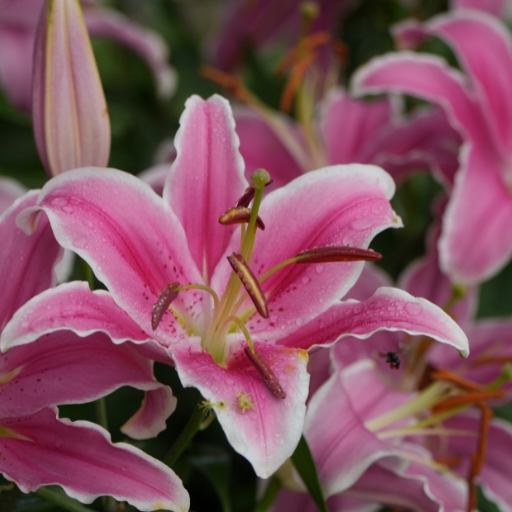
Scientific Name: Lilium spp.
Native Region: Northern Hemisphere
Blooming Time: Summer
Flower Colors: White, pink, orange, yellow, red
Aroma: Often strong and sweet
Interesting Facts:
- One of the most popular ornamental flowers worldwide.
- Symbolizes purity and renewal.
How to Plant / Growing Tips:
- Plant bulbs in well-drained soil: Prevents bulb rot and encourages healthy growth.
- Choose full sun to partial shade: Ensures strong flowering.
- Water regularly: Keep soil evenly moist but not soggy.
- Mulch around base: Helps retain moisture and regulate temperature.
2. Lavender
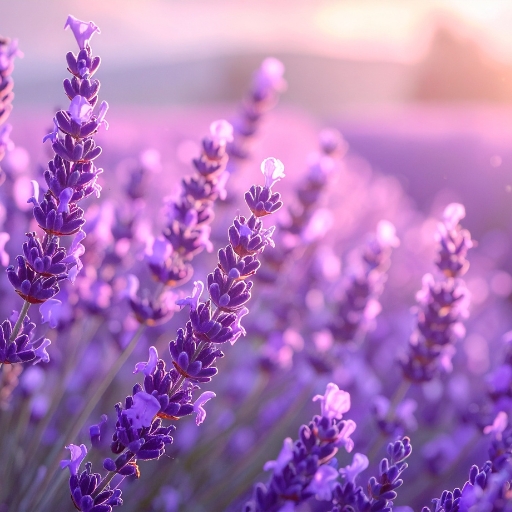
Scientific Name: Lavandula spp.
Native Region: Mediterranean
Blooming Time: Late spring to summer
Flower Colors: Purple, blue, white
Aroma: Strong, calming fragrance
Interesting Facts:
- Widely used in aromatherapy and essential oils.
- Attracts bees and pollinators.
How to Plant / Growing Tips:
- Plant in full sun: Essential for strong fragrance and blooms.
- Use sandy, well-drained soil: Prevents root rot.
- Water sparingly: Drought-tolerant once established.
- Prune regularly: Keeps plants compact and encourages growth.
3. Lantana
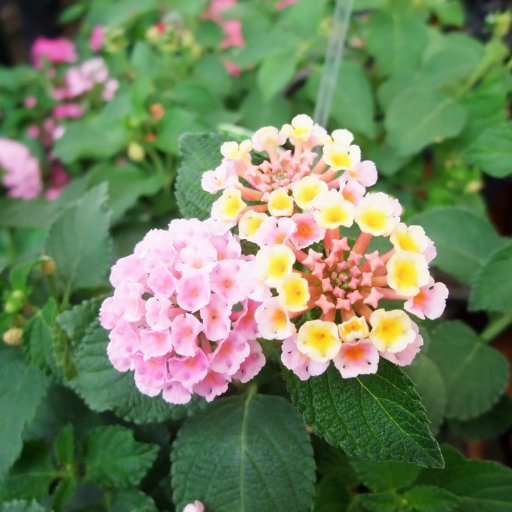
Scientific Name: Lantana camara
Native Region: Tropical Americas
Blooming Time: Spring to fall
Flower Colors: Yellow, orange, pink, red
Aroma: Mild
Interesting Facts:
- Flowers often change color as they mature.
- Highly attractive to butterflies.
How to Plant / Growing Tips:
- Plant in full sun: Encourages abundant blooms.
- Use well-drained soil: Prevents root issues.
- Water moderately: Tolerates drought well.
- Trim regularly: Maintains shape and promotes flowering.
4. Lobelia
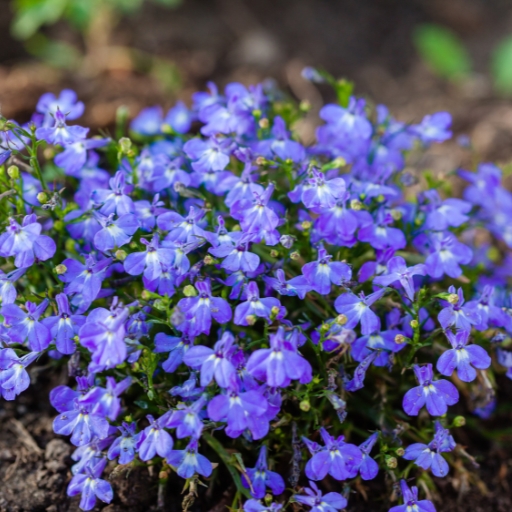
Scientific Name: Lobelia erinus
Native Region: South Africa
Blooming Time: Spring to summer
Flower Colors: Blue, purple, white, pink
Aroma: Mild
Interesting Facts:
- Great for hanging baskets and borders.
- Known for its vibrant blue color.
How to Plant / Growing Tips:
- Plant in full sun to partial shade: Prefers cooler conditions.
- Use rich, well-drained soil: Supports continuous blooms.
- Water regularly: Keep soil moist.
- Trim lightly: Encourages new flowers.
5. Lupine
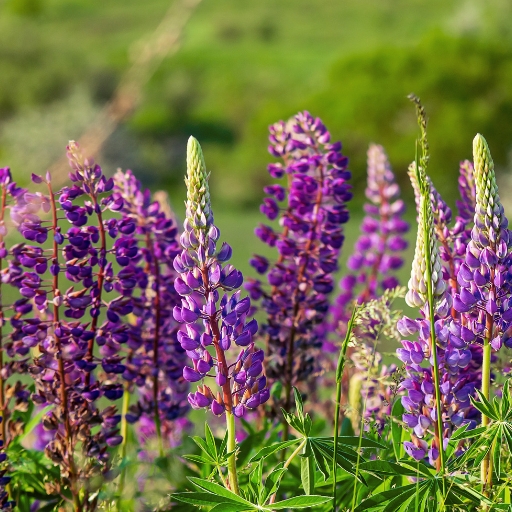
Scientific Name: Lupinus spp.
Native Region: North America, Mediterranean
Blooming Time: Spring to summer
Flower Colors: Blue, purple, pink, white, yellow
Aroma: Mild
Interesting Facts:
- Tall spikes create dramatic garden displays.
- Improves soil by fixing nitrogen.
How to Plant / Growing Tips:
- Plant in full sun: Essential for flowering.
- Use well-drained soil: Avoid heavy clay.
- Water regularly: Especially during growth.
- Avoid transplanting: Deep roots prefer stability.
6. Lisianthus
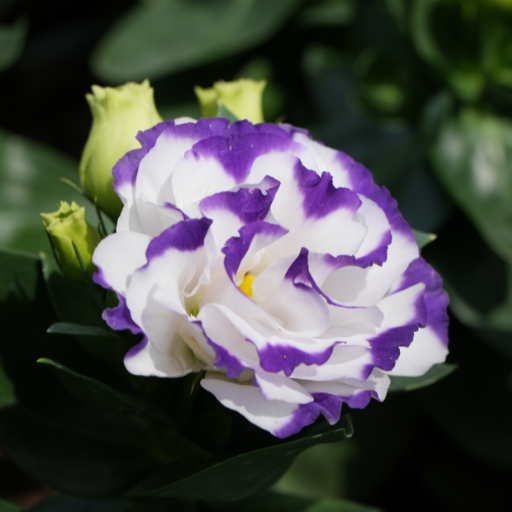
Scientific Name: Eustoma grandiflorum
Native Region: North America
Blooming Time: Summer
Flower Colors: Purple, pink, white, blue
Aroma: Mild
Interesting Facts:
- Resembles roses in appearance.
- Popular in wedding arrangements.
How to Plant / Growing Tips:
- Start seeds indoors: Requires a long growing period.
- Plant in full sun: Promotes flowering.
- Use well-drained soil: Prevents root issues.
- Water consistently: Keep soil evenly moist.
7. Love-in-a-Mist
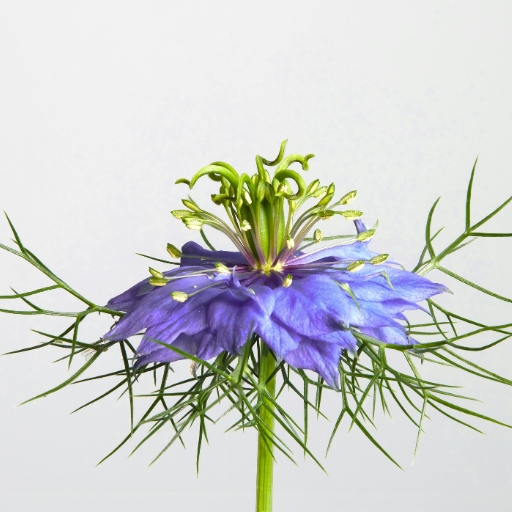
Scientific Name: Nigella damascena
Native Region: Europe, Asia
Blooming Time: Summer
Flower Colors: Blue, white
Aroma: Mild
Interesting Facts:
- Known for its delicate, feathery foliage.
- Produces decorative seed pods.
How to Plant / Growing Tips:
- Sow seeds directly outdoors: Does not transplant well.
- Plant in full sun: Encourages blooms.
- Use well-drained soil: Prevents root issues.
- Allow self-seeding: Naturalizes easily.
8. Lady’s Mantle
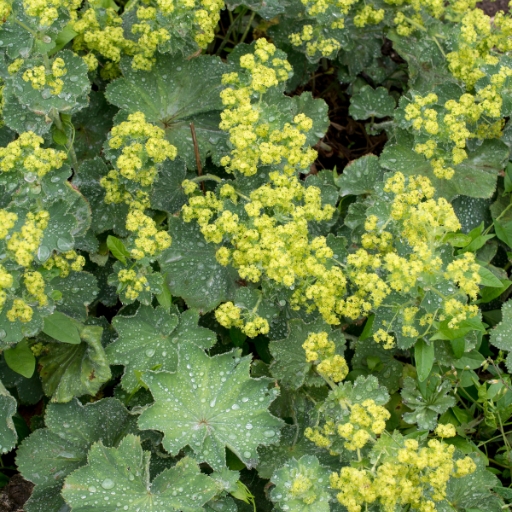
Scientific Name: Alchemilla mollis
Native Region: Europe
Blooming Time: Late spring to summer
Flower Colors: Yellow-green
Aroma: Mild
Interesting Facts:
- Leaves hold water droplets beautifully.
- Ideal for borders and edging.
How to Plant / Growing Tips:
- Plant in full sun to partial shade: Flexible light needs.
- Use well-drained soil: Keeps roots healthy.
- Water regularly: Maintain moisture.
- Trim after flowering: Prevents self-seeding.
9. Larkspur
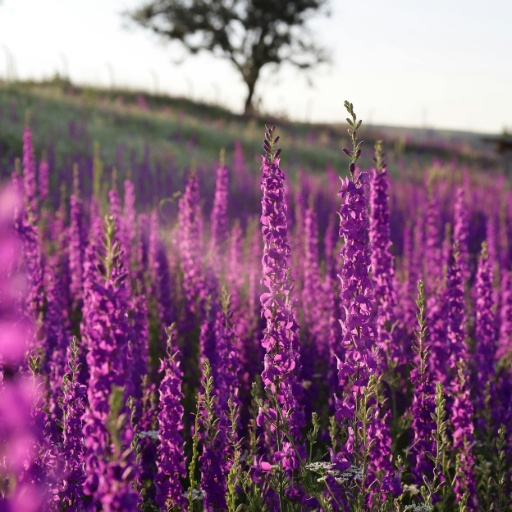
Scientific Name: Delphinium consolida
Native Region: Europe
Blooming Time: Spring to summer
Flower Colors: Blue, purple, pink, white
Aroma: Mild
Interesting Facts:
- Popular in cottage gardens.
- Tall, colorful flower spikes.
How to Plant / Growing Tips:
- Sow seeds directly: Prefers cool conditions.
- Plant in full sun: Encourages strong growth.
- Use well-drained soil: Prevents root rot.
- Water moderately: Avoid overly wet soil.
10. Leucanthemum (Shasta Daisy)
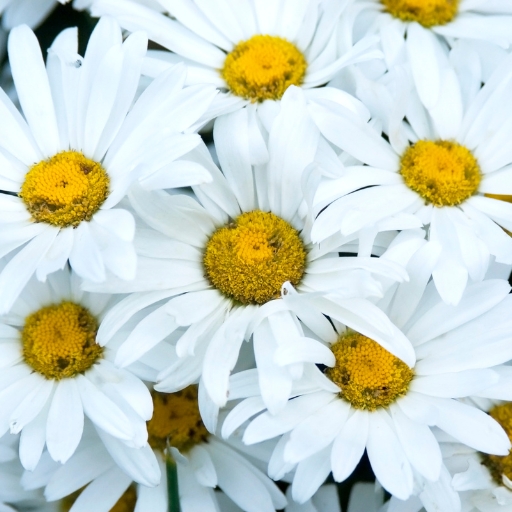
Scientific Name: Leucanthemum × superbum
Native Region: Europe (hybrid origin)
Blooming Time: Summer
Flower Colors: White with yellow center
Aroma: Mild
Interesting Facts:
- Classic daisy look.
- Great for cut flowers.
How to Plant / Growing Tips:
- Plant in full sun: Promotes blooming.
- Use well-drained soil: Prevents root issues.
- Water regularly: Especially during dry spells.
- Divide clumps: Maintains plant vigor.
11. Liatris (Blazing Star)
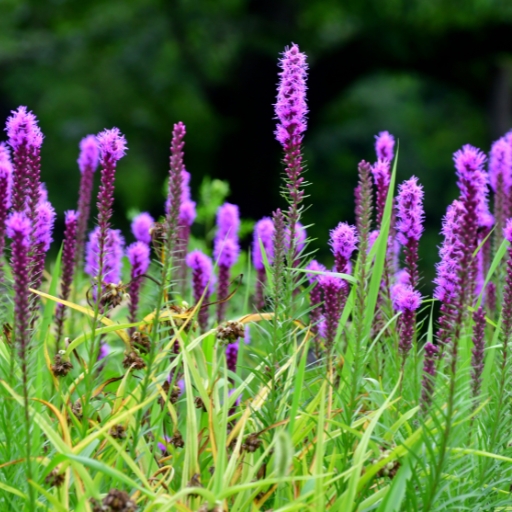
Scientific Name: Liatris spicata
Native Region: North America
Blooming Time: Summer
Flower Colors: Purple, white
Aroma: Mild
Interesting Facts:
- Flowers bloom from top to bottom.
- Attracts butterflies.
How to Plant / Growing Tips:
- Plant in full sun: Essential for blooms.
- Use well-drained soil: Prevents root issues.
- Water moderately: Drought-tolerant once established.
- Plant bulbs in spring: Ensures summer blooms.
12. Lotus
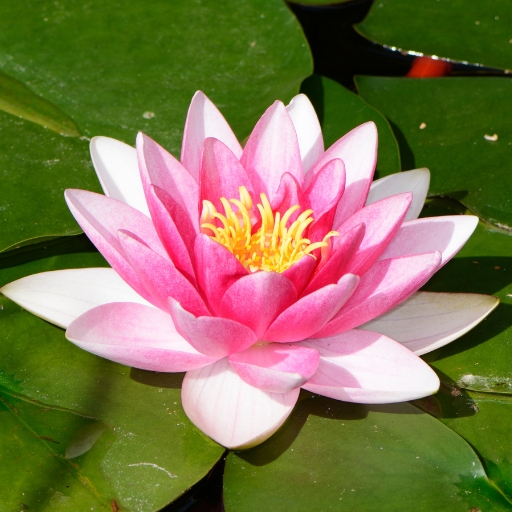
Scientific Name: Nelumbo nucifera
Native Region: Asia
Blooming Time: Summer
Flower Colors: Pink, white
Aroma: Light, sweet
Interesting Facts:
- Sacred flower in many cultures.
- Grows in water.
How to Plant / Growing Tips:
- Plant in water containers: Requires aquatic conditions.
- Provide full sun: Essential for blooming.
- Use heavy soil: Anchors roots underwater.
- Keep water warm: Promotes growth.
13. Lewisia
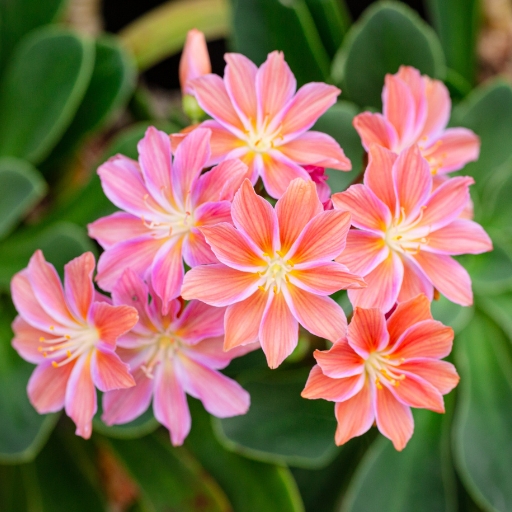
Scientific Name: Lewisia cotyledon
Native Region: North America
Blooming Time: Spring to summer
Flower Colors: Pink, orange, white
Aroma: Mild
Interesting Facts:
- Native to rocky mountain regions.
- Great for rock gardens.
How to Plant / Growing Tips:
- Plant in partial sun: Protect from intense heat.
- Use well-drained soil: Essential for survival.
- Water moderately: Avoid excess moisture.
- Provide good drainage: Especially in winter.
14. Linaria (Toadflax)
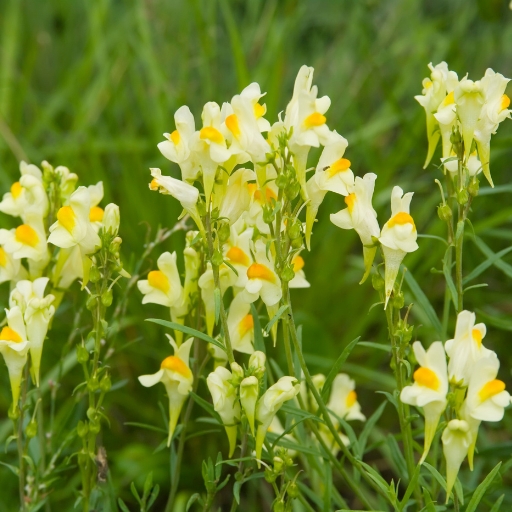
Scientific Name: Linaria spp.
Native Region: Europe
Blooming Time: Spring to summer
Flower Colors: Yellow, purple, pink
Aroma: Mild
Interesting Facts:
- Snapdragon-like flowers.
- Easy to grow wildflower.
How to Plant / Growing Tips:
- Sow seeds directly outdoors: Easy to grow.
- Plant in full sun: Encourages blooms.
- Use well-drained soil: Prevents root issues.
- Allow spreading: Naturalizes quickly.
15. Liriope (Lilyturf)
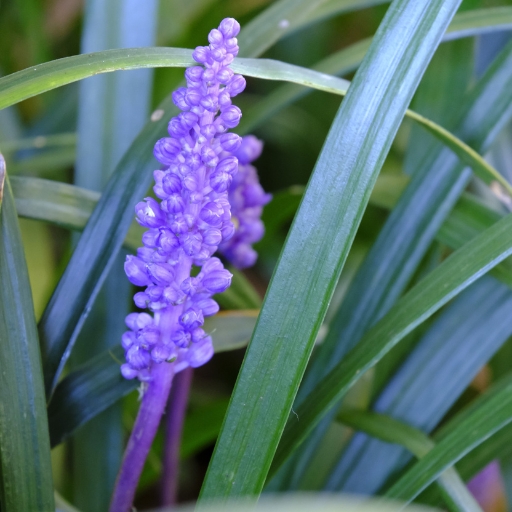
Scientific Name: Liriope muscari
Native Region: Asia
Blooming Time: Late summer
Flower Colors: Purple, white
Aroma: Mild
Interesting Facts:
- Often used as ground cover.
- Grass-like foliage.
How to Plant / Growing Tips:
- Plant in full sun to shade: Very adaptable.
- Use well-drained soil: Prevents root rot.
- Water regularly: Especially during establishment.
- Divide clumps: Controls spread.
16. Lobularia (Sweet Alyssum)
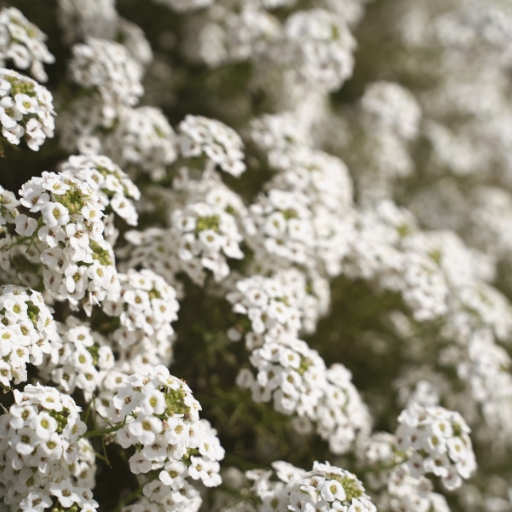
Scientific Name: Lobularia maritima
Native Region: Mediterranean
Blooming Time: Spring to fall
Flower Colors: White, purple, pink
Aroma: Sweet, honey-like
Interesting Facts:
- Excellent ground cover.
- Attracts beneficial insects.
How to Plant / Growing Tips:
- Sow seeds directly: Easy for beginners.
- Plant in full sun: Promotes blooms.
- Water regularly: Keep soil moist.
- Trim after flowering: Encourages reblooming.
17. Lychnis (Campion)
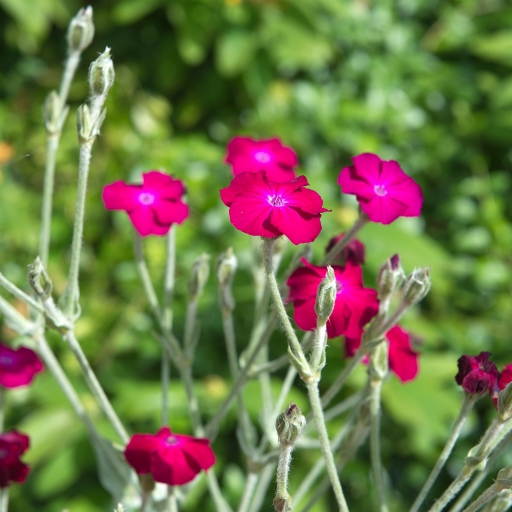
Scientific Name: Lychnis spp.
Native Region: Europe, Asia
Blooming Time: Late spring to summer
Flower Colors: Red, pink, white
Aroma: Mild
Interesting Facts:
- Bright flowers ideal for borders.
- Attracts pollinators.
How to Plant / Growing Tips:
- Plant in full sun: Encourages flowering.
- Use well-drained soil: Prevents root issues.
- Water moderately: Avoid soggy soil.
- Deadhead blooms: Extends blooming season.
18. Limonium (Statice)
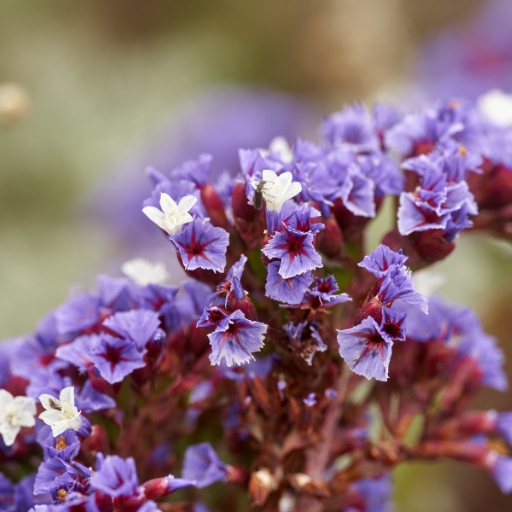
Scientific Name: Limonium spp.
Native Region: Europe
Blooming Time: Summer
Flower Colors: Purple, blue, white
Aroma: Mild
Interesting Facts:
- Popular for dried flower arrangements.
- Long-lasting blooms.
How to Plant / Growing Tips:
- Plant in full sun: Essential for blooms.
- Use well-drained soil: Prevents root issues.
- Water lightly: Drought-tolerant.
- Harvest early: Ideal for drying flowers.
🌼 Final Thoughts
Flowers that start with “L” offer incredible variety—from fragrant favorites like Lavender and Lily to unique picks like Lotus and Lewisia.
If you’re just getting started, I’d recommend Lantana, Lobelia, or Larkspur—they’re easy to grow, visually appealing, and bring instant color to your garden.