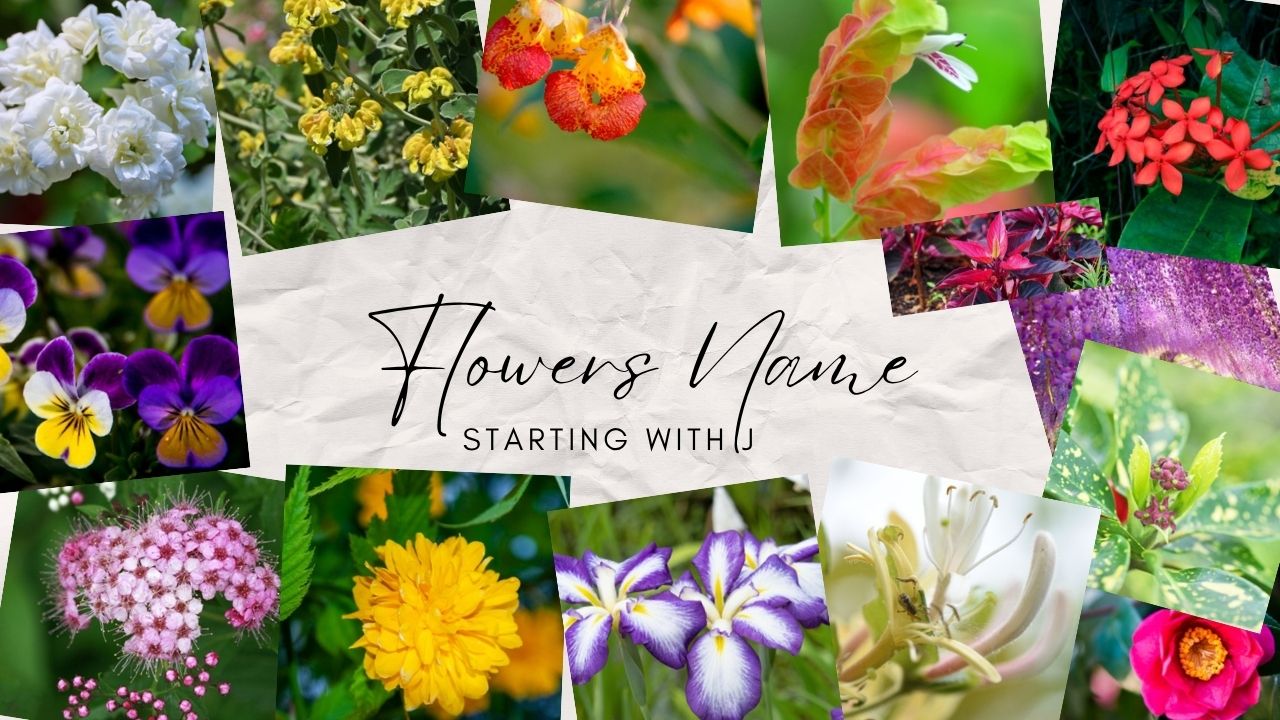
Flowers that start with the letter J might seem rare at first glance, but there are actually quite a few beautiful and garden-worthy options—ranging from fragrant climbers to hardy wildflowers and tropical showstoppers.
Below is a curated list of 19 real flowers that begin with “J”, complete with essential details and beginner-friendly growing tips to help you choose the right ones for your garden or home.
1. Jasmine
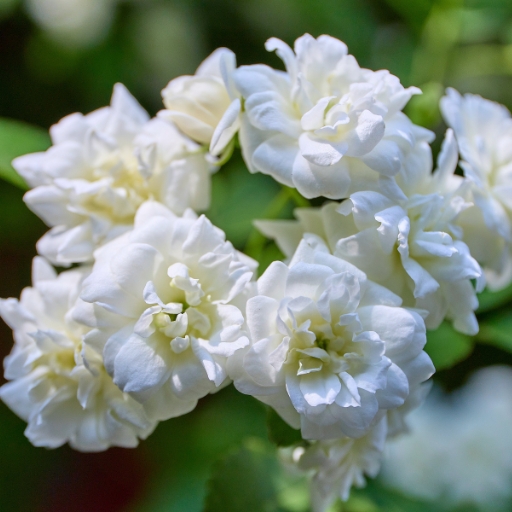
Scientific Name: Jasminum spp.
Native Region: Asia, Europe
Blooming Time: Spring to summer (varies by species)
Flower Colors: White, yellow
Aroma: Strong, sweet fragrance
Interesting Facts:
- One of the most fragrant flowers in the world.
- Widely used in perfumes and teas.
How to Plant / Growing Tips:
- Plant in full sun to partial shade: More sun increases flowering.
- Use well-drained soil: Prevents root rot.
- Water regularly: Keep soil evenly moist.
- Provide support: Climbing varieties need trellises or fences.
2. Japanese Anemone
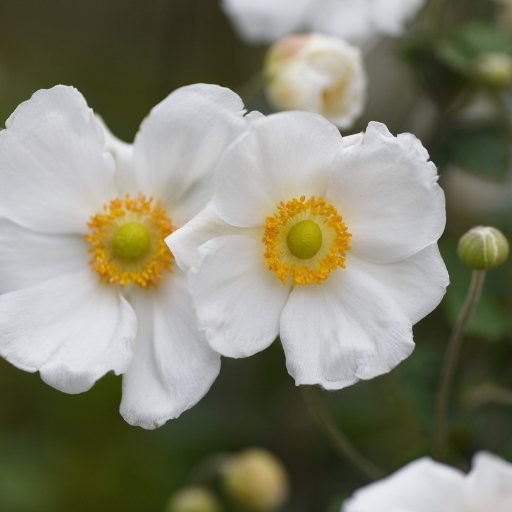
Scientific Name: Anemone hupehensis
Native Region: Asia
Blooming Time: Late summer to fall
Flower Colors: Pink, white
Aroma: Mild
Interesting Facts:
- Blooms when most flowers fade.
- Adds elegance to fall gardens.
How to Plant / Growing Tips:
- Plant in partial shade: Especially in warmer climates.
- Use rich, well-drained soil: Supports healthy growth.
- Water regularly: Keep soil moist.
- Allow spreading: Forms attractive clumps over time.
3. Johnny Jump Up
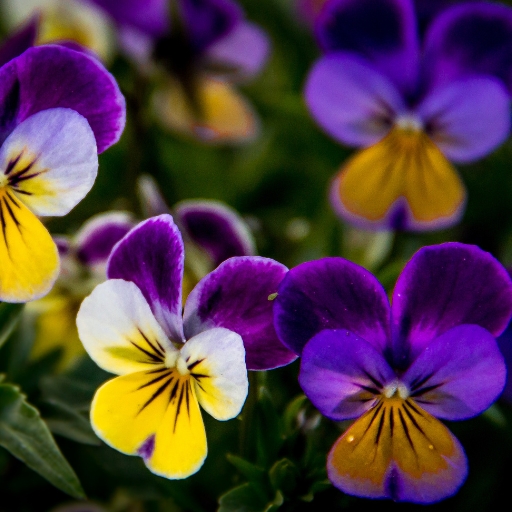
Scientific Name: Viola tricolor
Native Region: Europe
Blooming Time: Spring to fall
Flower Colors: Purple, yellow, white
Aroma: Light
Interesting Facts:
- Edible flower often used in salads.
- Self-seeds easily.
How to Plant / Growing Tips:
- Sow seeds directly outdoors: Easy to grow from seed.
- Plant in full sun to partial shade: Flexible light needs.
- Use well-drained soil: Prevents root issues.
- Water regularly: Keep soil slightly moist.
4. Jacob’s Ladder
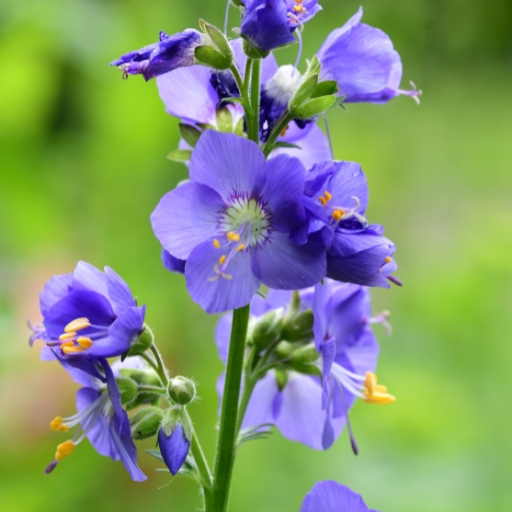
Scientific Name: Polemonium caeruleum
Native Region: Europe, Asia
Blooming Time: Spring to early summer
Flower Colors: Blue, purple, white
Aroma: Mild
Interesting Facts:
- Named for its ladder-like leaf structure.
- Ideal for shade gardens.
How to Plant / Growing Tips:
- Plant in partial shade: Prefers cooler conditions.
- Use moist, well-drained soil: Keeps roots healthy.
- Water regularly: Avoid dry soil.
- Trim after flowering: Encourages new growth.
5. Japanese Iris
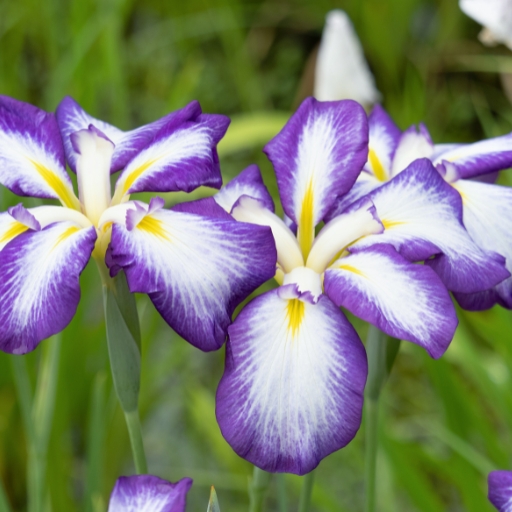
Scientific Name: Iris ensata
Native Region: Japan
Blooming Time: Early to mid-summer
Flower Colors: Purple, blue, white, pink
Aroma: Mild
Interesting Facts:
- Known for large, flat blooms.
- Often grown near water features.
How to Plant / Growing Tips:
- Plant in full sun: Essential for flowering.
- Use moist soil: Thrives in wet conditions.
- Water frequently: Especially during blooming season.
- Divide clumps every few years: Maintains vigor.
6. Jungle Geranium (Ixora)
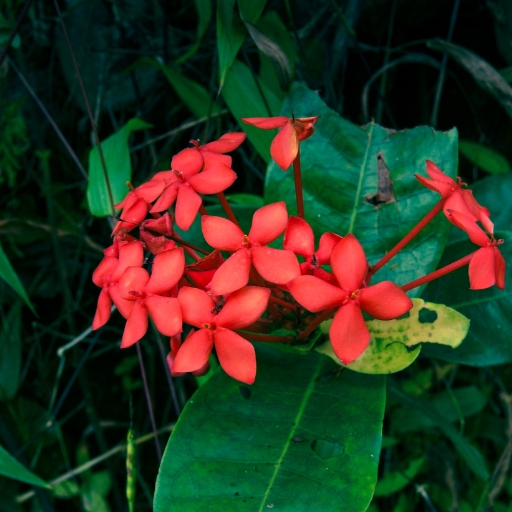
Scientific Name: Ixora coccinea
Native Region: Asia
Blooming Time: Year-round in warm climates
Flower Colors: Red, pink, orange, yellow
Aroma: Mild
Interesting Facts:
- Popular in tropical gardens.
- Produces dense clusters of flowers.
How to Plant / Growing Tips:
- Plant in full sun: Encourages flowering.
- Use acidic, well-drained soil: Similar to gardenias.
- Water regularly: Keep soil moist.
- Protect from cold: Best suited for warm climates.
7. Jerusalem Sage
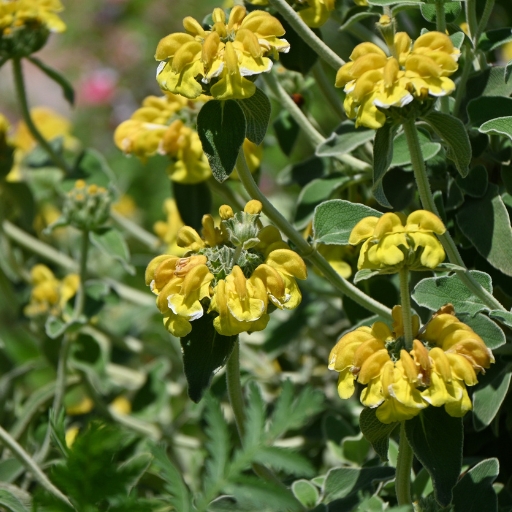
Scientific Name: Phlomis fruticosa
Native Region: Mediterranean
Blooming Time: Late spring to summer
Flower Colors: Yellow
Aroma: Herbal
Interesting Facts:
- Drought-tolerant shrub.
- Attractive gray-green foliage.
How to Plant / Growing Tips:
- Plant in full sun: Essential for growth.
- Use well-drained soil: Prevents root rot.
- Water sparingly: Thrives in dry conditions.
- Prune lightly: Maintains shape.
8. Japanese Camellia
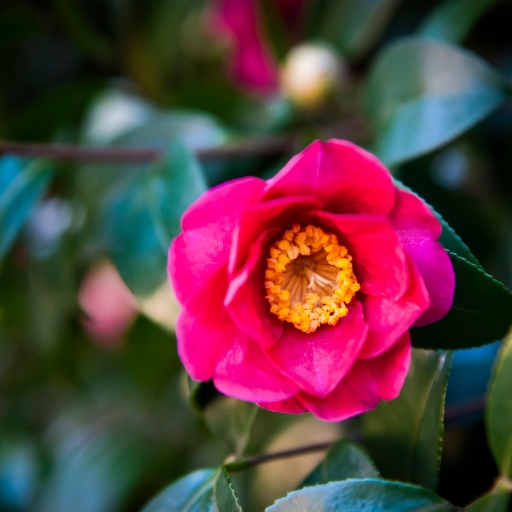
Scientific Name: Camellia japonica
Native Region: Asia
Blooming Time: Late winter to spring
Flower Colors: Pink, red, white
Aroma: Light
Interesting Facts:
- Evergreen shrub with glossy leaves.
- Symbol of elegance and refinement.
How to Plant / Growing Tips:
- Plant in partial shade: Protect from harsh sun.
- Use acidic soil: Essential for growth.
- Water deeply: Keep soil moist.
- Mulch around base: Retains moisture.
9. Japanese Wisteria
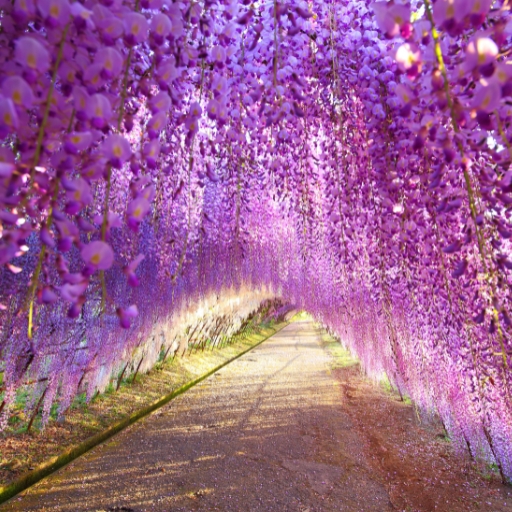
Scientific Name: Wisteria floribunda
Native Region: Japan
Blooming Time: Spring
Flower Colors: Purple, pink, white
Aroma: Sweet fragrance
Interesting Facts:
- Produces long, cascading flower clusters.
- Can live for decades.
How to Plant / Growing Tips:
- Plant in full sun: Essential for flowering.
- Use well-drained soil: Prevents root issues.
- Provide strong support: Needs sturdy trellis or pergola.
- Prune regularly: Controls growth and improves blooms.
10. Jack-in-the-Pulpit
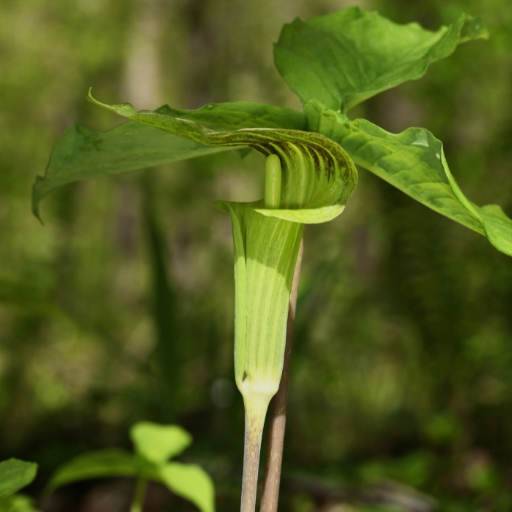
Scientific Name: Arisaema triphyllum
Native Region: North America
Blooming Time: Spring
Flower Colors: Green, purple
Aroma: Mild
Interesting Facts:
- Unique hooded flower structure.
- Native woodland plant.
How to Plant / Growing Tips:
- Plant in full shade: Mimics natural habitat.
- Use rich, moist soil: High organic matter needed.
- Water regularly: Keep soil damp.
- Mulch with leaves: Retains moisture.
11. Japanese Primrose
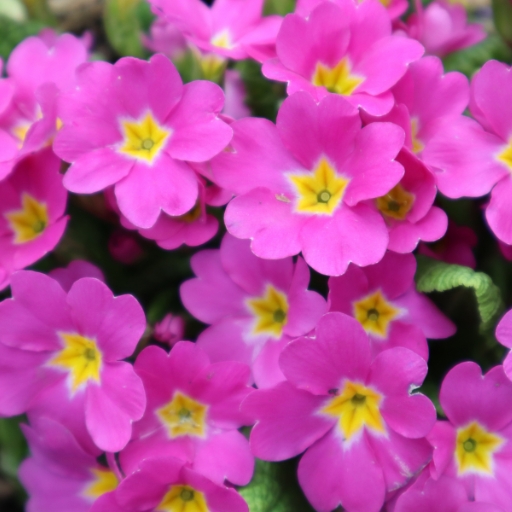
Scientific Name: Primula japonica
Native Region: Japan
Blooming Time: Late spring to early summer
Flower Colors: Pink, red, white
Aroma: Mild
Interesting Facts:
- Grows well near water.
- Produces tiered flower clusters.
How to Plant / Growing Tips:
- Plant in partial shade: Prefers cool conditions.
- Use moist soil: Ideal for bog gardens.
- Water regularly: Keep soil consistently damp.
- Provide mulch: Helps retain moisture.
12. Justicia (Shrimp Plant)
Scientific Name: Justicia brandegeeana
Native Region: Mexico
Blooming Time: Spring to fall
Flower Colors: Red, orange, yellow
Aroma: Mild
Interesting Facts:
- Flowers resemble shrimp-like shapes.
- Popular as a houseplant.
How to Plant / Growing Tips:
- Plant in partial shade: Avoid harsh sun.
- Use well-drained soil: Prevents root rot.
- Water regularly: Keep soil moist.
- Prune frequently: Encourages bushy growth.
13. Jewelweed
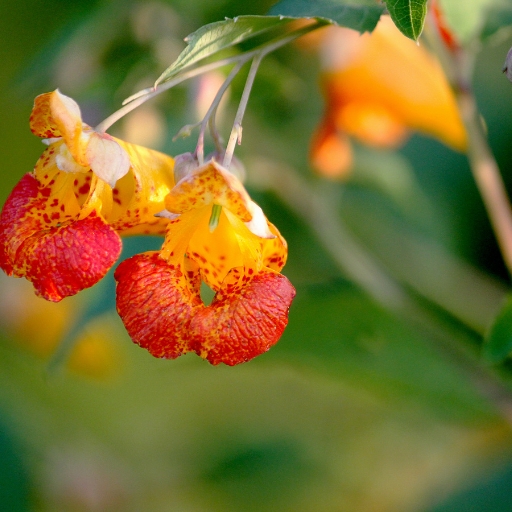
Scientific Name: Impatiens capensis
Native Region: North America
Blooming Time: Summer to fall
Flower Colors: Orange, yellow
Aroma: Mild
Interesting Facts:
- Known as “touch-me-not.”
- Traditionally used to soothe skin irritation.
How to Plant / Growing Tips:
- Plant in partial shade: Prefers woodland areas.
- Use moist soil: Thrives in damp environments.
- Water regularly: Keep soil wet.
- Allow natural spreading: Self-seeds easily.
14. Japanese Spirea
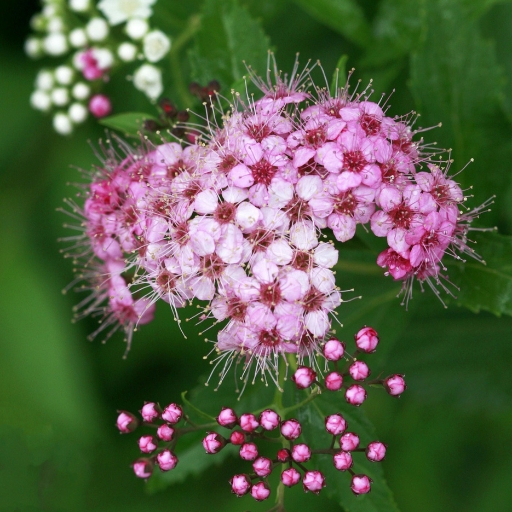
Scientific Name: Spiraea japonica
Native Region: Japan
Blooming Time: Summer
Flower Colors: Pink, white
Aroma: Mild
Interesting Facts:
- Compact flowering shrub.
- Popular in landscaping.
How to Plant / Growing Tips:
- Plant in full sun: Encourages blooms.
- Use well-drained soil: Prevents root issues.
- Water moderately: Once established, drought-tolerant.
- Prune annually: Keeps plant compact.
15. Japanese Toad Lily
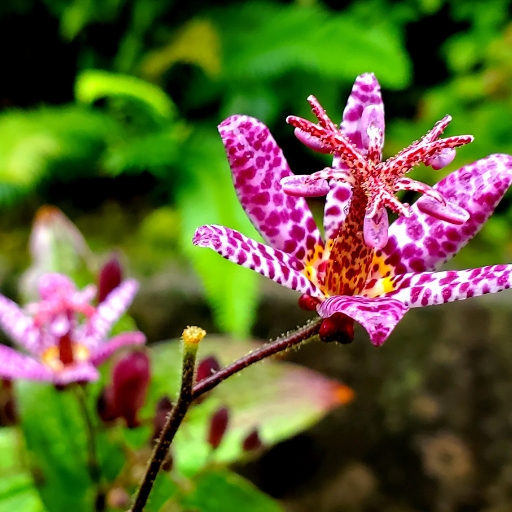
Scientific Name: Tricyrtis hirta
Native Region: Japan
Blooming Time: Late summer to fall
Flower Colors: Purple, white with spots
Aroma: Mild
Interesting Facts:
- Orchid-like flowers.
- Thrives in shade.
How to Plant / Growing Tips:
- Plant in shade: Ideal for woodland gardens.
- Use rich, moist soil: High organic matter needed.
- Water regularly: Keep soil damp.
- Mulch well: Retains moisture.
16. Japanese Honeysuckle
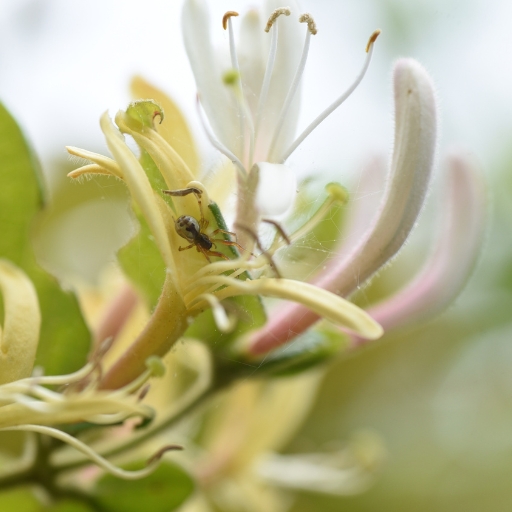
Scientific Name: Lonicera japonica
Native Region: Asia
Blooming Time: Spring to summer
Flower Colors: White, yellow
Aroma: Strong, sweet fragrance
Interesting Facts:
- Highly fragrant climbing vine.
- Can become invasive in some regions.
How to Plant / Growing Tips:
- Plant in full sun to partial shade: Adaptable conditions.
- Use well-drained soil: Prevents root issues.
- Water moderately: Drought-tolerant once established.
- Control growth: Prune regularly to prevent spreading.
17. Japanese Aucuba Flower
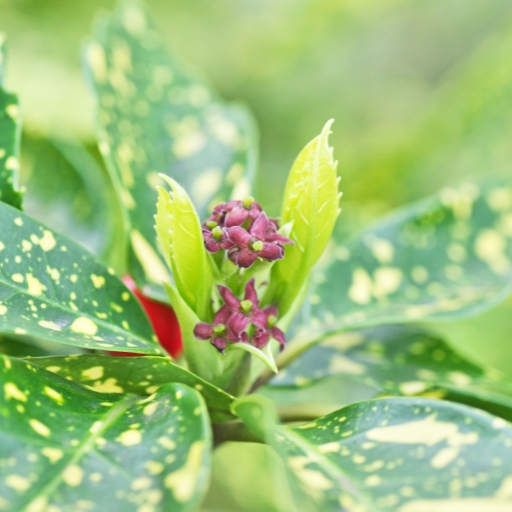
Scientific Name: Aucuba japonica
Native Region: Japan
Blooming Time: Spring
Flower Colors: Purple (small flowers)
Aroma: Mild
Interesting Facts:
- Grown mainly for its spotted foliage.
- Tolerates deep shade.
How to Plant / Growing Tips:
- Plant in full shade to partial shade: Ideal for low-light areas.
- Use well-drained soil: Prevents root rot.
- Water regularly: Keep soil slightly moist.
- Protect from harsh sun: Leaves can scorch.
18. Japanese Kerria
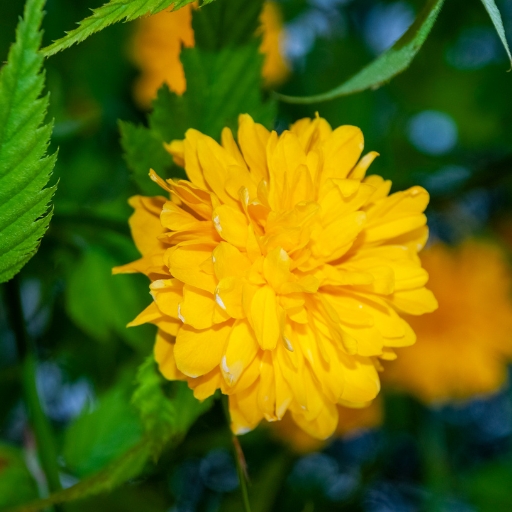
Scientific Name: Kerria japonica
Native Region: China, Japan
Blooming Time: Spring
Flower Colors: Yellow
Aroma: Mild
Interesting Facts:
- Produces bright, rose-like yellow blooms.
- Easy-to-grow shrub.
How to Plant / Growing Tips:
- Plant in full sun to partial shade: Adaptable to different light levels.
- Use well-drained soil: Prevents root issues.
- Water moderately: Keep soil moist during growth.
- Prune after flowering: Maintains shape.
19. Jonquil
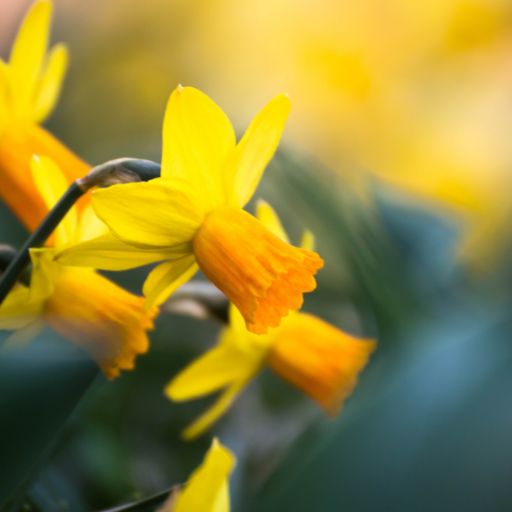
Scientific Name: Narcissus jonquilla
Native Region: Mediterranean region (Spain and Portugal)
Blooming Time: Early to mid-spring
Flower Colors: Bright yellow, sometimes creamy yellow
Aroma: Strong, sweet fragrance
Interesting Facts:
- Produces clusters of small, trumpet-shaped flowers on a single stem.
- Highly fragrant and often used in perfumes and scented gardens.
- Jonquils belong to the Narcissus family and are often associated with the March birth flower alongside daffodils.
How to Plant / Growing Tips:
- Plant bulbs in fall: Gives them time to establish roots before spring blooming.
- Choose full sun to partial shade: Jonquils bloom best with plenty of sunlight.
- Use well-drained soil: Prevents bulbs from rotting during the winter months.
- Allow foliage to die back naturally: Helps the bulbs store energy for next year’s blooms.
🌼 Final Thoughts
Flowers that start with “J” offer a unique blend of fragrance, structure, and versatility—from climbing beauties like Jasmine and Wisteria to shade-loving gems like Japanese Toad Lily.
If you’re just getting started, I’d recommend Jasmine, Johnny Jump Up, or Japanese Anemone—they’re easy to grow, visually appealing, and bring plenty of charm to any garden.