If you think flowers that start with the letter I are hard to find, you’re not alone—but you might be surprised by how many beautiful options are out there. From unique garden favorites to elegant, lesser-known blooms, this category has its own quiet charm.
In this guide, we’ve handpicked a collection of real “I” flowers, along with simple growing tips and useful details to help you choose the right ones. Whether you’re building a garden or just exploring new varieties, you’ll find some hidden gems here worth discovering.
Explore Flowers That Start With the Letter I
1. Iris
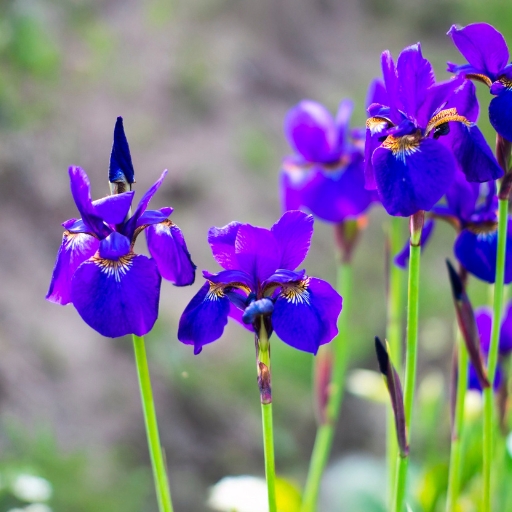
Scientific Name: Iris spp.
Native Region: Northern Hemisphere
Blooming Time: Spring to early summer
Flower Colors: Purple, blue, yellow, white
Aroma: Light, sweet
Interesting Facts:
- Named after the Greek goddess of the rainbow.
- Symbolizes wisdom and courage.
How to Plant / Growing Tips:
- Plant rhizomes in well-drained soil: Prevents rot and promotes strong growth.
- Choose full sun: At least 6 hours daily for best blooms.
- Avoid deep planting: Keep rhizomes slightly exposed.
- Divide every few years: Maintains plant health and flowering.
2. Impatiens
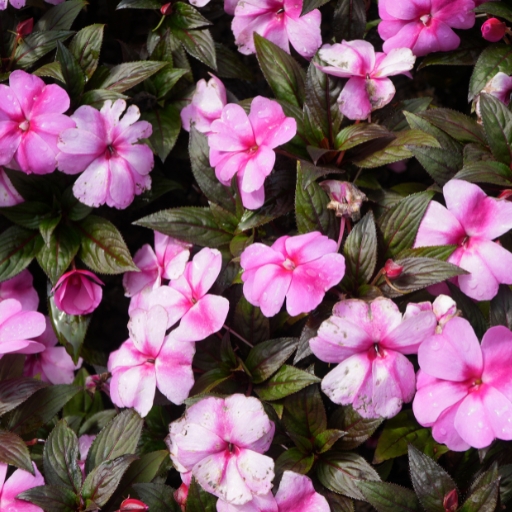
Scientific Name: Impatiens walleriana
Native Region: Africa
Blooming Time: Spring to fall
Flower Colors: Pink, red, white, orange, purple
Aroma: Mild
Interesting Facts:
- One of the most popular shade-loving annuals.
- Produces continuous blooms throughout the season.
How to Plant / Growing Tips:
- Plant in shade to partial shade: Direct sun can scorch leaves.
- Use rich, moist soil: Keeps plants lush.
- Water regularly: Do not let soil dry out.
- Pinch back stems: Encourages bushier growth.
3. Indian Blanket (Gaillardia)
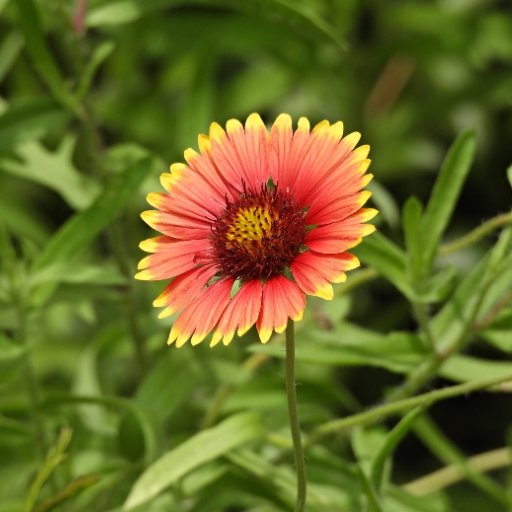
Scientific Name: Gaillardia pulchella
Native Region: North America
Blooming Time: Summer to fall
Flower Colors: Red, yellow, orange
Aroma: Mild
Interesting Facts:
- Named for its bright, blanket-like colors.
- Drought-tolerant and low maintenance.
How to Plant / Growing Tips:
- Plant in full sun: Ensures long-lasting blooms.
- Use well-drained soil: Avoid heavy clay soil.
- Water lightly: Thrives in dry conditions.
- Deadhead flowers: Encourages continuous blooming.
4. Ice Plant
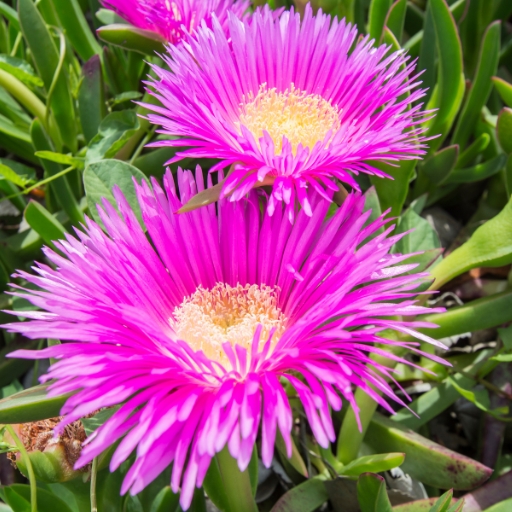
Scientific Name: Delosperma spp.
Native Region: South Africa
Blooming Time: Spring to summer
Flower Colors: Pink, purple, yellow, orange
Aroma: Mild
Interesting Facts:
- Named for its sparkling, ice-like foliage.
- Excellent ground cover for dry areas.
How to Plant / Growing Tips:
- Plant in full sun: Essential for flowering.
- Use sandy, well-drained soil: Prevents root rot.
- Water sparingly: Drought-tolerant succulent.
- Avoid overwatering: Too much moisture can harm roots.
5. Ixora
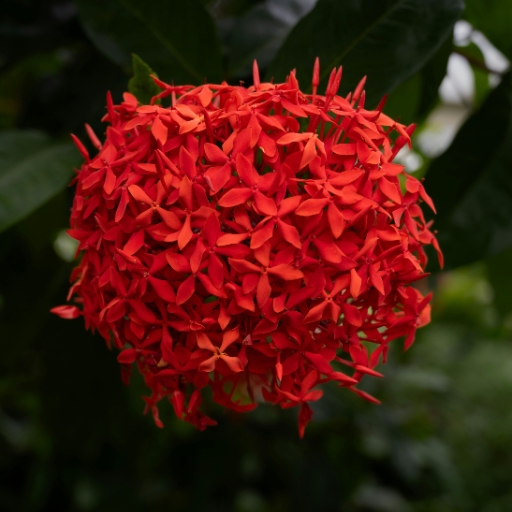
Scientific Name: Ixora coccinea
Native Region: Asia
Blooming Time: Year-round in warm climates
Flower Colors: Red, pink, orange, yellow
Aroma: Mild
Interesting Facts:
- Common in tropical landscapes.
- Produces dense clusters of small flowers.
How to Plant / Growing Tips:
- Plant in full sun: Promotes abundant blooms.
- Use acidic, well-drained soil: Similar to gardenias.
- Water regularly: Keep soil consistently moist.
- Protect from cold: Best in warm climates.
6. Ipomoea (Morning Glory)
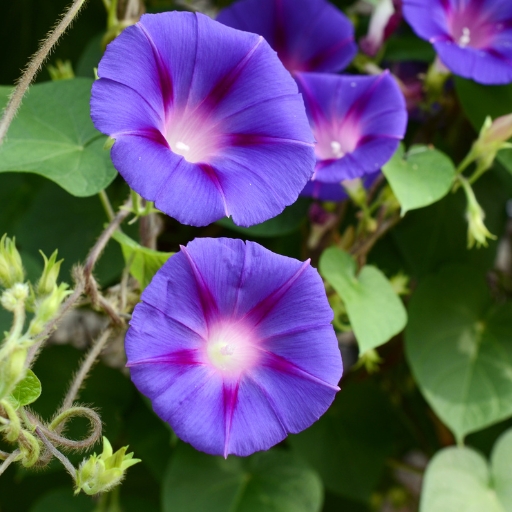
Scientific Name: Ipomoea spp.
Native Region: Tropical and subtropical regions
Blooming Time: Summer to fall
Flower Colors: Blue, purple, pink, white
Aroma: Mild
Interesting Facts:
- Flowers open in the morning and close by afternoon.
- Fast-growing climbing vine.
How to Plant / Growing Tips:
- Sow seeds directly outdoors: Easy to grow from seed.
- Plant in full sun: Encourages blooming.
- Provide support: Needs trellis or fence.
- Water moderately: Avoid overly wet soil.
7. Iberis (Candytuft)
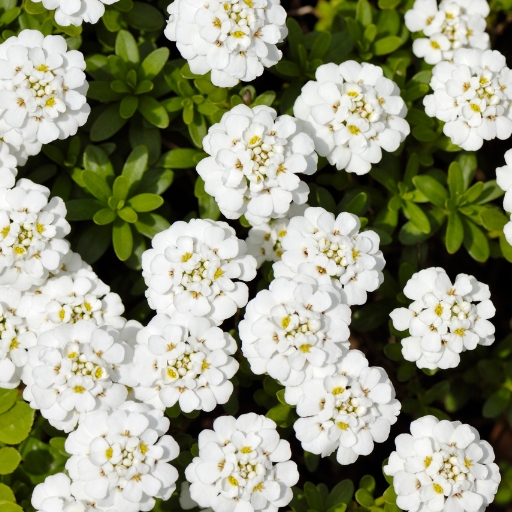
Scientific Name: Iberis spp.
Native Region: Europe
Blooming Time: Spring
Flower Colors: White, pink
Aroma: Light, sweet
Interesting Facts:
- Popular for edging and borders.
- Evergreen in mild climates.
How to Plant / Growing Tips:
- Plant in full sun: Encourages dense blooms.
- Use well-drained soil: Prevents root issues.
- Trim after flowering: Maintains shape.
- Water moderately: Avoid overwatering.
8. Incarvillea (Hardy Gloxinia)
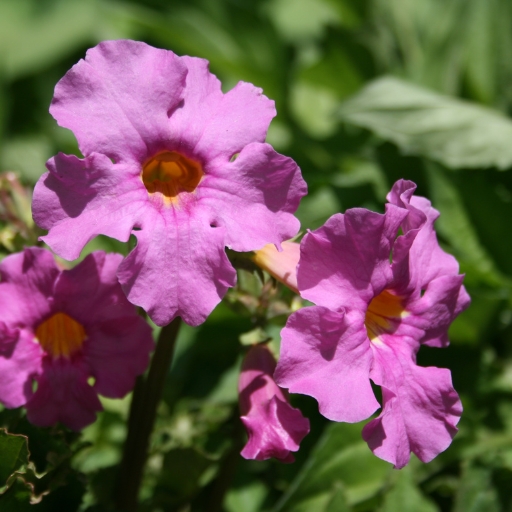
Scientific Name: Incarvillea spp.
Native Region: Asia
Blooming Time: Late spring to summer
Flower Colors: Pink, purple
Aroma: Mild
Interesting Facts:
- Known for trumpet-shaped flowers.
- Adds a tropical look to gardens.
How to Plant / Growing Tips:
- Plant in full sun to partial shade: Flexible light needs.
- Use well-drained soil: Prevents tuber rot.
- Water regularly: Keep soil moist during growth.
- Mulch in winter: Protects roots in colder climates.
9. Ixia (Corn Lily)
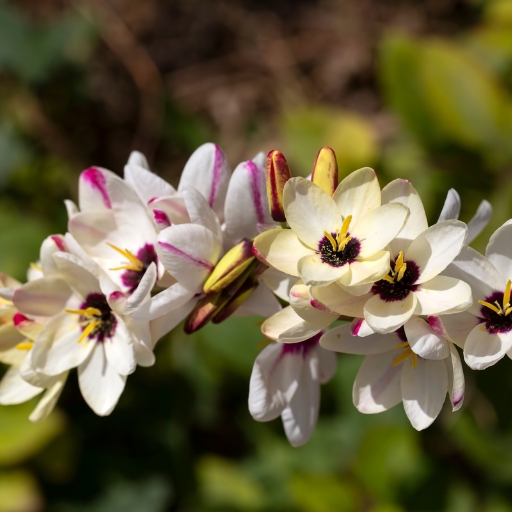
Scientific Name: Ixia spp.
Native Region: South Africa
Blooming Time: Spring
Flower Colors: Pink, red, yellow, white
Aroma: Mild
Interesting Facts:
- Star-shaped flowers with bright centers.
- Popular in cut flower arrangements.
How to Plant / Growing Tips:
- Plant corms in fall or spring: Depending on climate.
- Choose full sun: Essential for blooms.
- Use well-drained soil: Prevents rot.
- Water moderately: Avoid soggy soil.
10. Indian Paintbrush
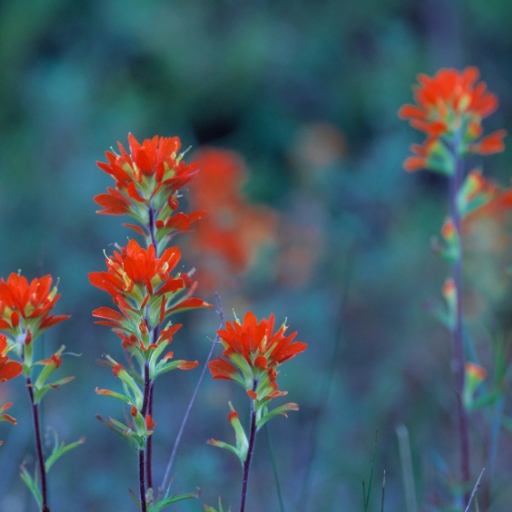
Scientific Name: Castilleja spp.
Native Region: North America
Blooming Time: Spring to summer
Flower Colors: Red, orange, yellow
Aroma: Mild
Interesting Facts:
- Known for its brush-like flower spikes.
- Often grows in wildflower meadows.
How to Plant / Growing Tips:
- Plant in full sun: Encourages flowering.
- Use well-drained soil: Essential for growth.
- Grow near companion plants: Semi-parasitic roots need host plants.
- Water lightly: Avoid excessive moisture.
11. Italian Aster
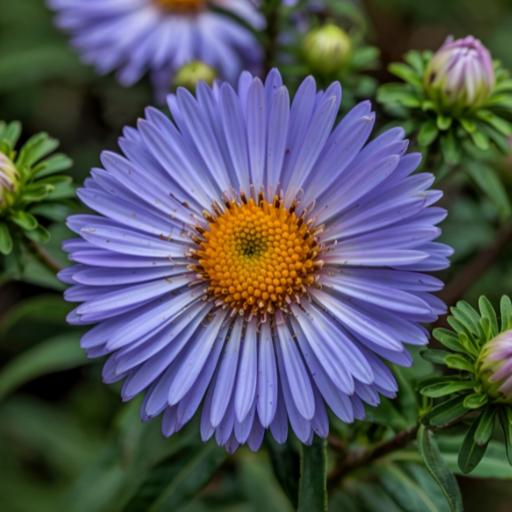
Scientific Name: Aster amellus
Native Region: Europe
Blooming Time: Late summer to fall
Flower Colors: Blue, purple
Aroma: Mild
Interesting Facts:
- Attracts pollinators.
- Late-season bloomer.
How to Plant / Growing Tips:
- Plant in full sun: Promotes blooms.
- Use well-drained soil: Prevents root issues.
- Water moderately: Drought-tolerant once established.
- Divide plants occasionally: Maintains vigor.
12. Indigo Flower
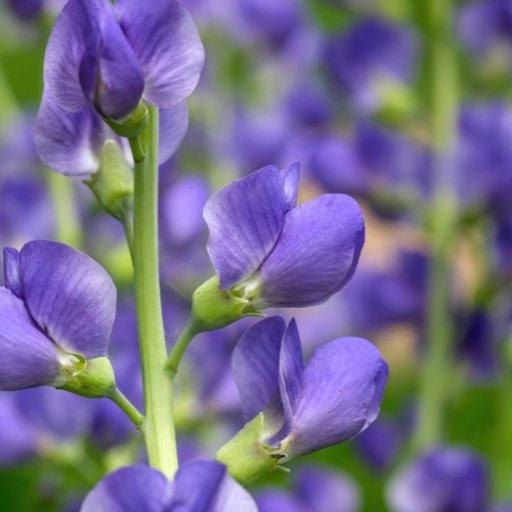
Scientific Name: Indigofera spp.
Native Region: Asia, Africa
Blooming Time: Summer
Flower Colors: Pink, purple
Aroma: Mild
Interesting Facts:
- Used historically for dye production.
- Attractive shrub with delicate blooms.
How to Plant / Growing Tips:
- Plant in full sun: Encourages flowering.
- Use well-drained soil: Prevents root issues.
- Water moderately: Tolerates dry conditions.
- Prune lightly: Encourages new growth.
13. Isotoma (Blue Star Creeper)
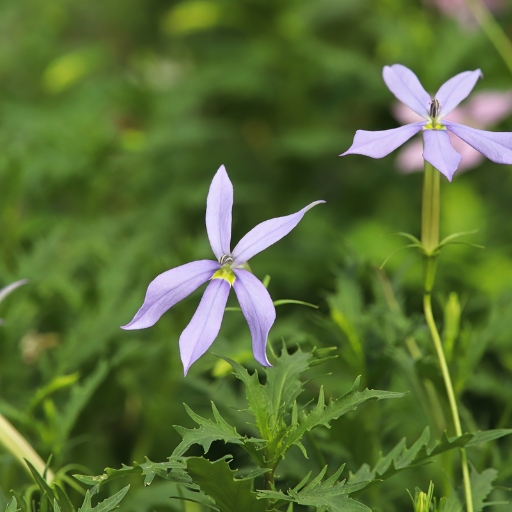
Scientific Name: Isotoma fluviatilis
Native Region: Australia
Blooming Time: Spring to summer
Flower Colors: Blue, purple
Aroma: Mild
Interesting Facts:
- Great ground cover plant.
- Produces star-shaped flowers.
How to Plant / Growing Tips:
- Plant in full sun to partial shade: Adaptable conditions.
- Use well-drained soil: Prevents root rot.
- Water regularly: Keeps ground cover lush.
- Trim lightly: Maintains neat appearance.
14. Iresine (Bloodleaf Flower)
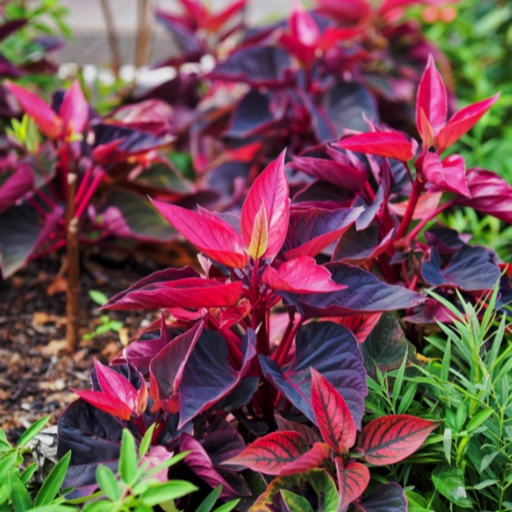
Scientific Name: Iresine herbstii
Native Region: South America
Blooming Time: Summer
Flower Colors: White (grown for foliage)
Aroma: Mild
Interesting Facts:
- Known for vibrant red foliage.
- Adds color contrast to gardens.
How to Plant / Growing Tips:
- Plant in full sun to partial shade: Enhances leaf color.
- Use rich, well-drained soil: Supports growth.
- Water regularly: Keep soil moist.
- Pinch back stems: Encourages bushy growth.
15. Ipheion (Starflower)
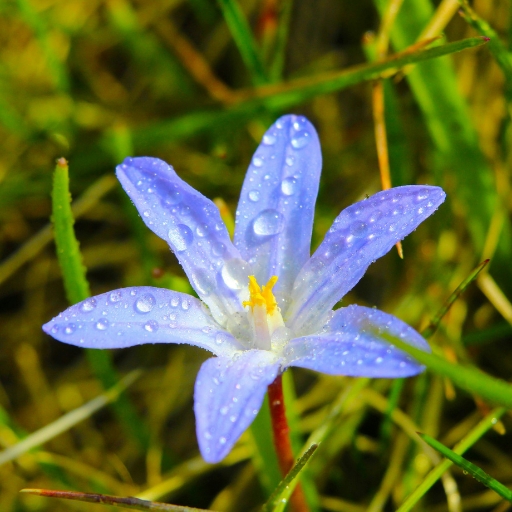
Scientific Name: Ipheion uniflorum
Native Region: South America
Blooming Time: Early spring
Flower Colors: Blue, white
Aroma: Light onion-like scent
Interesting Facts:
- Small, star-shaped blooms.
- Naturalizes easily in gardens.
How to Plant / Growing Tips:
- Plant bulbs in fall: Ensures spring blooms.
- Choose full sun to partial shade: Flexible placement.
- Use well-drained soil: Prevents bulb rot.
- Allow spreading: Forms natural clusters.
16. Inula
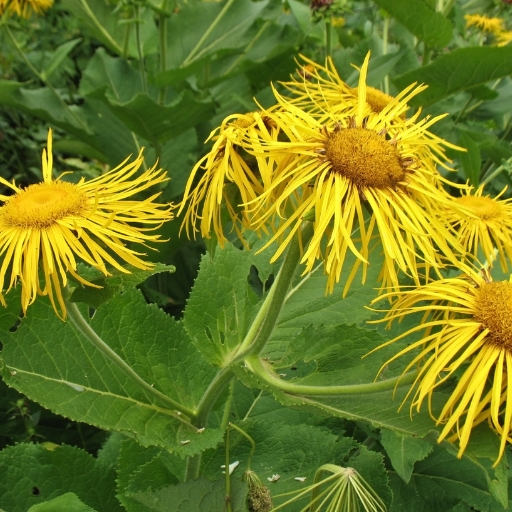
Scientific Name: Inula spp.
Native Region: Europe, Asia
Blooming Time: Summer
Flower Colors: Yellow
Aroma: Mild
Interesting Facts:
- Tall perennial with daisy-like blooms.
- Attracts pollinators.
How to Plant / Growing Tips:
- Plant in full sun: Promotes flowering.
- Use moist, well-drained soil: Supports growth.
- Water regularly: Especially in dry periods.
- Provide space: Can grow large.
17. Iochroma
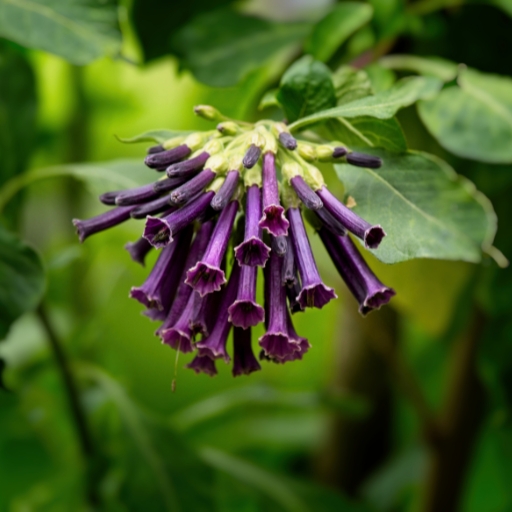
Scientific Name: Iochroma spp.
Native Region: South America
Blooming Time: Spring to fall
Flower Colors: Purple, blue, red
Aroma: Mild
Interesting Facts:
- Produces clusters of tubular flowers.
- Attracts hummingbirds.
How to Plant / Growing Tips:
- Plant in full sun to partial shade: Prefers warm climates.
- Use well-drained soil: Prevents root issues.
- Water regularly: Keep soil moist.
- Prune lightly: Encourages bushy growth.
18. Indian Shot (Canna indica)
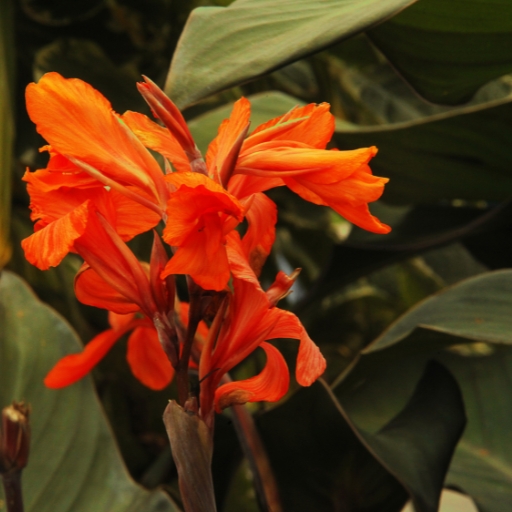
Scientific Name: Canna indica
Native Region: Tropical Americas
Blooming Time: Summer
Flower Colors: Red, orange, yellow
Aroma: Mild
Interesting Facts:
- Bold tropical plant with large leaves.
- Often used in landscaping.
How to Plant / Growing Tips:
- Plant rhizomes in spring: After frost danger passes.
- Choose full sun: Essential for growth.
- Use rich, moist soil: Supports lush foliage.
- Water frequently: Keep soil consistently moist.
19. Itea (Virginia Sweetspire)
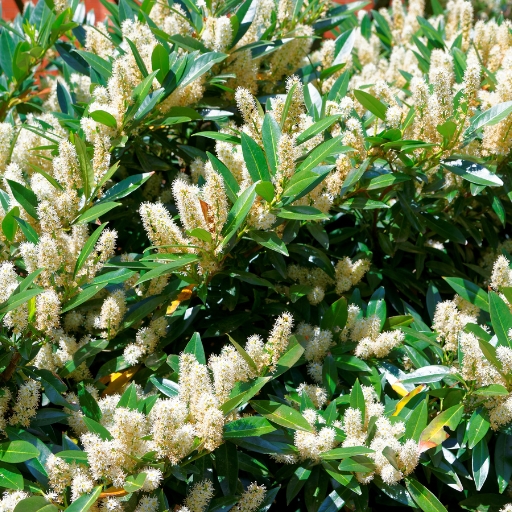
Scientific Name: Itea virginica
Native Region: North America
Blooming Time: Late spring
Flower Colors: White
Aroma: Sweet fragrance
Interesting Facts:
- Native shrub with cascading blooms.
- Attractive fall foliage.
How to Plant / Growing Tips:
- Plant in full sun to partial shade: Adaptable to light conditions.
- Use moist, well-drained soil: Thrives in damp areas.
- Water regularly: Especially during dry spells.
- Prune after flowering: Maintains shape.
20. Iceberg Rose
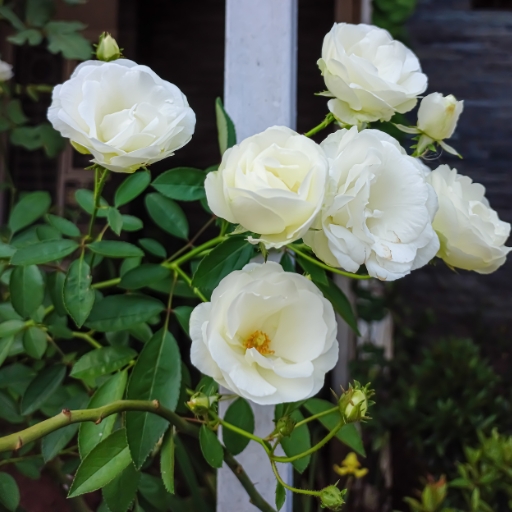
Scientific Name: Rosa ‘Iceberg’
Native Region: Cultivated hybrid
Blooming Time: Spring to fall
Flower Colors: White
Aroma: Light
Interesting Facts:
- One of the most popular white roses.
- Known for continuous blooming.
How to Plant / Growing Tips:
- Plant in full sun: Essential for flowering.
- Use rich, well-drained soil: Supports healthy growth.
- Water deeply: Especially during dry periods.
- Prune regularly: Encourages new blooms.
🌼 Final Thoughts
Flowers that start with “I” may be less common, but they offer a great mix—from easy growers like Impatiens and Iberis to striking options like Iris and Ixora.
If you’re just starting out, I’d recommend Impatiens, Iris, or Ice Plant—they’re beginner-friendly, visually appealing, and easy to maintain without much effort.