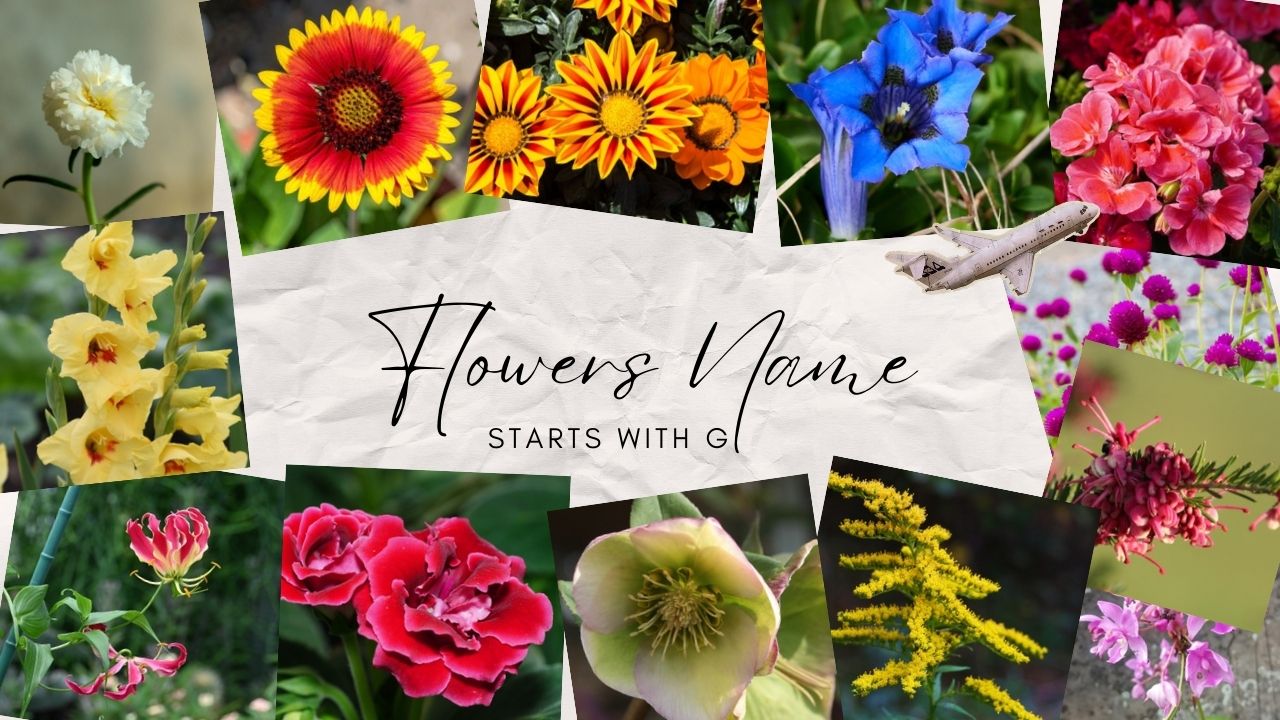
If you’re searching for flowers that start with the letter G, you’ll find a vibrant mix of garden classics, wildflowers, and elegant ornamentals. From bold statement blooms to low-maintenance favorites, this list covers options for nearly every garden style.
Below is a curated list of 20 real flowers that begin with “G”, each with practical, beginner-friendly growing tips and essential details to help you choose the right plants.
Here’s a List of Flowers That Start With the Letter G
1. Gardenia
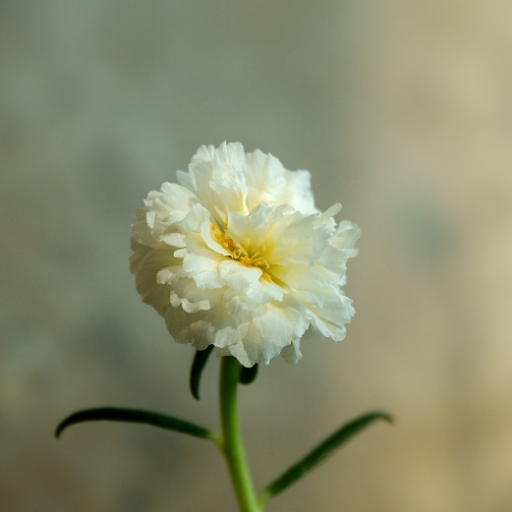
Scientific Name: Gardenia jasminoides
Native Region: Asia and Africa
Blooming Time: Spring to summer
Flower Colors: White, cream
Aroma: Strong, sweet fragrance
Interesting Facts:
- Known for one of the most fragrant blooms in gardening.
- Popular in perfumes and wedding arrangements.
How to Plant / Growing Tips:
- Plant in partial shade: Protect from harsh afternoon sun.
- Use acidic, well-drained soil: Similar to azaleas.
- Water consistently: Keep soil moist but not soggy.
- Maintain humidity: Especially important in dry climates.
2. Geranium
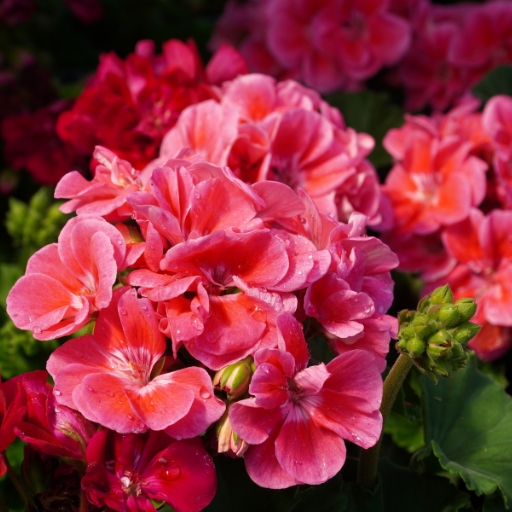
Scientific Name: Pelargonium spp.
Native Region: South Africa
Blooming Time: Spring to fall
Flower Colors: Red, pink, white, purple, orange
Aroma: Mild fragrance (some varieties have scented leaves)
Interesting Facts:
- A staple in container gardening.
- Some varieties have scented leaves.
How to Plant / Growing Tips:
- Plant in full sun: Encourages abundant blooms.
- Use well-drained soil: Prevents root rot.
- Water when soil dries slightly: Avoid overwatering.
- Deadhead regularly: Promotes continuous flowering.
3. Gladiolus
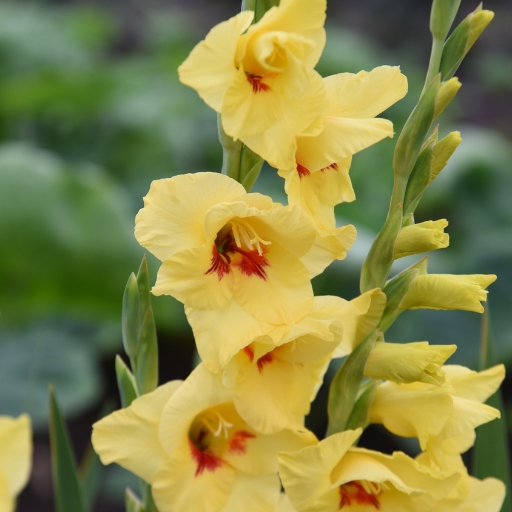
Scientific Name: Gladiolus spp.
Native Region: Africa and Mediterranean region
Blooming Time: Summer
Flower Colors: Red, pink, yellow, white, purple, orange
Aroma: Mild fragrance
Interesting Facts:
- Known as “sword lilies” due to their shape.
- Popular for tall, dramatic floral arrangements.
How to Plant / Growing Tips:
- Plant corms in spring: After the last frost.
- Choose full sun: Essential for tall flower spikes.
- Use well-drained soil: Prevents rot.
- Stake tall varieties: Supports heavy blooms.
4. Gazania
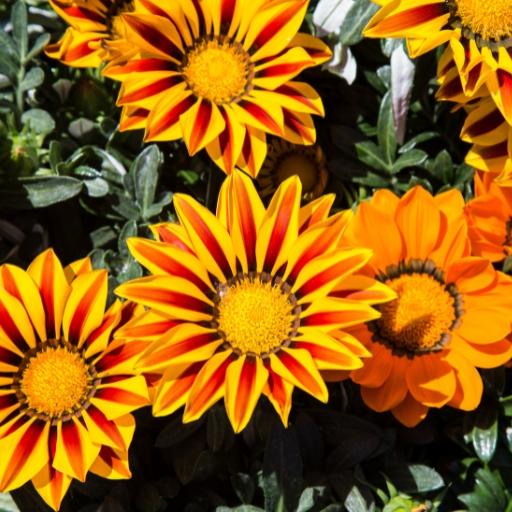
Scientific Name: Gazania rigens
Native Region: South Africa
Blooming Time: Spring to summer
Flower Colors: Yellow, orange, red, pink
Aroma: Very mild fragrance
Interesting Facts:
- Flowers open in sunlight and close at night.
- Extremely drought-tolerant.
How to Plant / Growing Tips:
- Plant in full sun: Essential for blooms to open.
- Use sandy, well-drained soil: Prevents root issues.
- Water sparingly: Thrives in dry conditions.
- Deadhead blooms: Encourages more flowers.
5. Gaillardia (Blanket Flower)
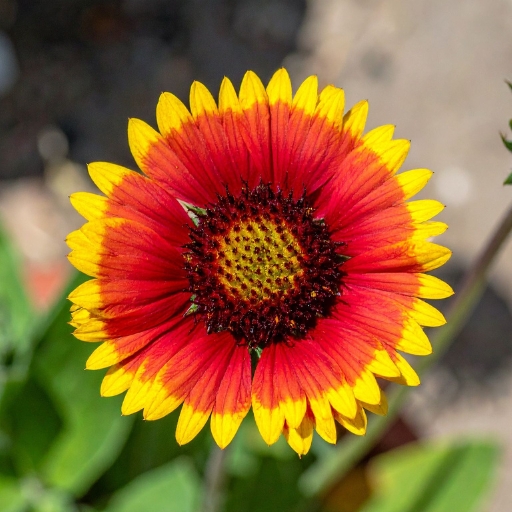
Scientific Name: Gaillardia spp.
Native Region: North and South America
Blooming Time: Summer to fall
Flower Colors: Red, yellow, orange
Aroma: Mild fragrance
Interesting Facts:
- Named for its warm, blanket-like colors.
- Attracts pollinators.
How to Plant / Growing Tips:
- Plant in full sun: Promotes long-lasting blooms.
- Use well-drained soil: Avoid heavy soils.
- Water lightly: Drought-tolerant once established.
- Deadhead regularly: Extends blooming season.
6. Gloxinia
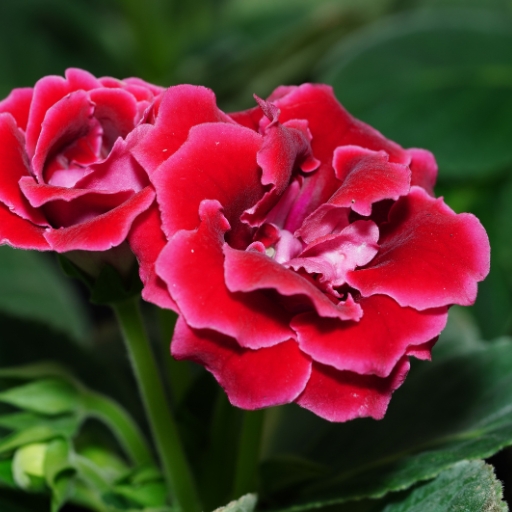
Scientific Name: Sinningia speciosa
Native Region: South America
Blooming Time: Spring to summer
Flower Colors: Purple, pink, red, white
Aroma: Mild fragrance
Interesting Facts:
- Popular indoor flowering plant.
- Velvety leaves and trumpet-shaped flowers.
How to Plant / Growing Tips:
- Grow in bright indirect light: Avoid direct sunlight indoors.
- Use well-drained potting mix: Prevents tuber rot.
- Water carefully: Keep soil moist but not soggy.
- Allow dormancy: Reduce watering after blooming.
7. Goldenrod
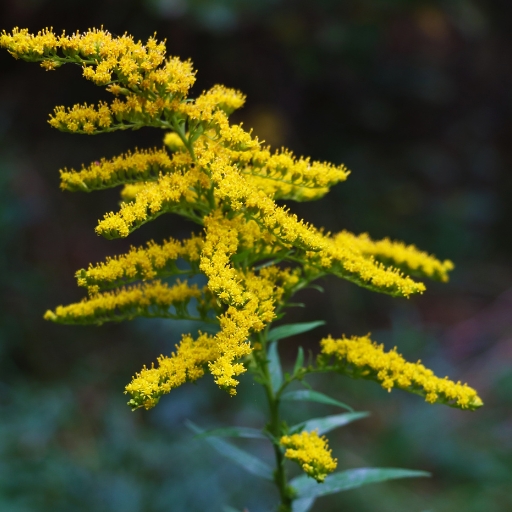
Scientific Name: Solidago spp.
Native Region: North America
Blooming Time: Late summer to fall
Flower Colors: Yellow
Aroma: Mild fragrance
Interesting Facts:
- Often mistaken for causing allergies (it doesn’t).
- Important late-season nectar source.
How to Plant / Growing Tips:
- Plant in full sun: Encourages strong growth.
- Use average soil: Adapts well to many conditions.
- Water moderately: Drought-tolerant once established.
- Control spread: Can become aggressive.
8. Gypsophila (Baby’s Breath)
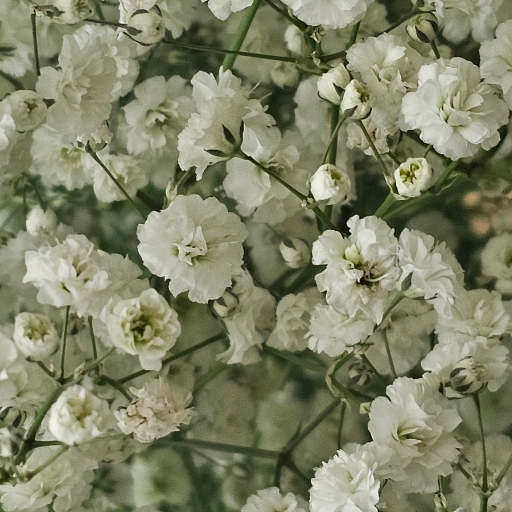
Scientific Name: Gypsophila paniculata
Native Region: Europe and Asia
Blooming Time: Summer
Flower Colors: White, pink
Aroma: Light, sweet fragrance
Interesting Facts:
- Common in wedding bouquets.
- Adds softness to arrangements.
How to Plant / Growing Tips:
- Plant in full sun: Encourages airy blooms.
- Use well-drained soil: Prefers slightly alkaline soil.
- Water lightly: Avoid excessive moisture.
- Avoid transplanting: Sensitive roots.
9. Gentian
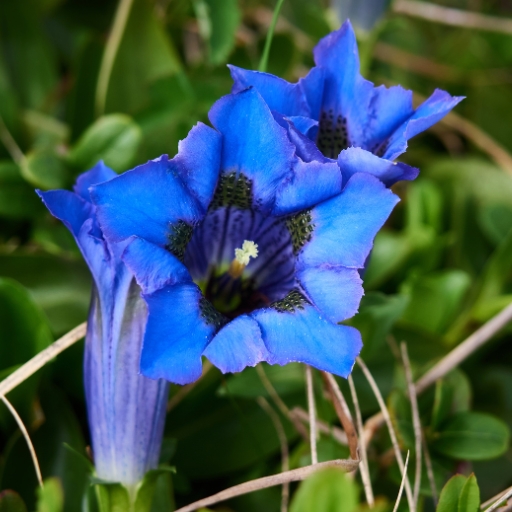
Scientific Name: Gentiana spp.
Native Region: Europe, Asia, and the Americas
Blooming Time: Summer to fall
Flower Colors: Blue, purple
Aroma: Mild fragrance
Interesting Facts:
- Known for intense blue coloration.
- Used in herbal bitters.
How to Plant / Growing Tips:
- Plant in partial sun: Prefers cooler environments.
- Use moist, well-drained soil: Essential for growth.
- Water regularly: Do not let soil dry out.
- Provide cool conditions: Ideal for temperate climates.
10. Globe Amaranth
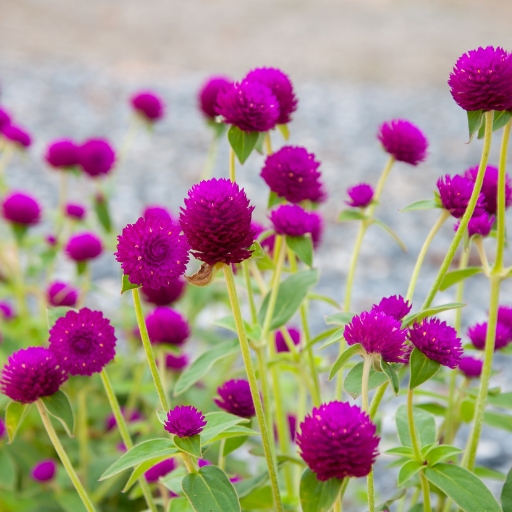
Scientific Name: Gomphrena globosa
Native Region: Central America
Blooming Time: Summer to fall
Flower Colors: Pink, purple, white, red
Aroma: Very mild fragrance
Interesting Facts:
- Long-lasting blooms, even when dried.
- Heat-tolerant annual.
How to Plant / Growing Tips:
- Plant in full sun: Essential for vibrant color.
- Use well-drained soil: Prevents root issues.
- Water moderately: Avoid soggy conditions.
- Deadhead if desired: Though not required.
11. Ground Orchid
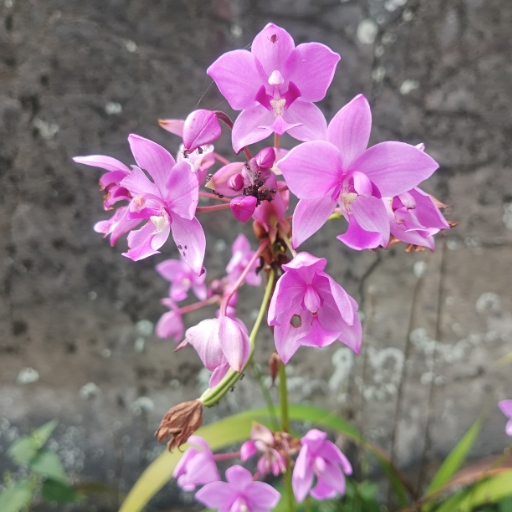
Scientific Name: Spathoglottis plicata
Native Region: Southeast Asia
Blooming Time: Spring to fall
Flower Colors: Purple, pink, yellow, white
Aroma: Mild fragrance
Interesting Facts:
- One of the easiest orchids to grow outdoors.
- Blooms continuously in warm climates.
How to Plant / Growing Tips:
- Plant in partial sun: Protect from intense midday sun.
- Use well-drained soil: Essential for root health.
- Water regularly: Keep soil moist.
- Protect from cold: Best suited for warm climates.
12. Grevillea
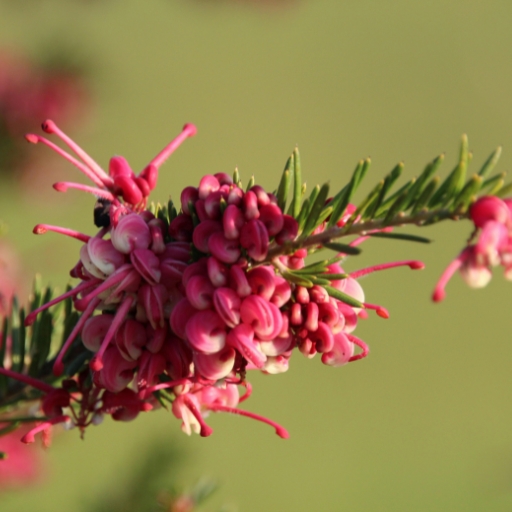
Scientific Name: Grevillea spp.
Native Region: Australia
Blooming Time: Year-round (varies by species)
Flower Colors: Red, pink, orange, yellow
Aroma: Mild fragrance
Interesting Facts:
- Unique spider-like flowers.
- Attracts birds and pollinators.
How to Plant / Growing Tips:
- Plant in full sun: Essential for growth.
- Use well-drained soil: Avoid heavy clay soils.
- Water lightly: Drought-tolerant once established.
- Avoid phosphorus-rich fertilizers: Can harm the plant.
13. Goat’s Beard
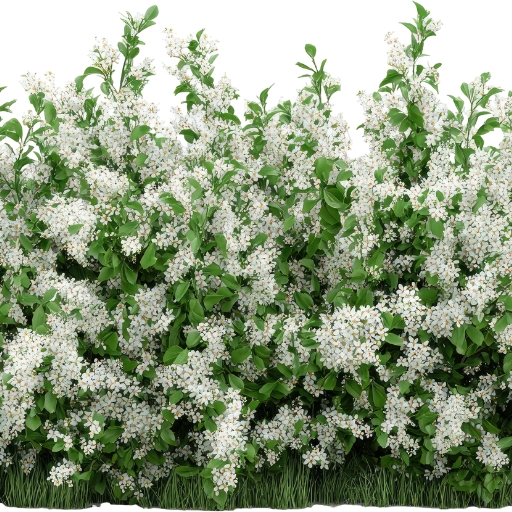
Scientific Name: Aruncus dioicus
Native Region: Europe, Asia, and North America
Blooming Time: Late spring to summer
Flower Colors: White, cream
Aroma: Mild fragrance
Interesting Facts:
- Produces feathery, plume-like flowers.
- Thrives in shady gardens.
How to Plant / Growing Tips:
- Plant in partial shade: Ideal for woodland areas.
- Use rich, moist soil: High organic matter preferred.
- Water regularly: Especially during dry periods.
- Provide space: Can grow large.
14. Glory Lily
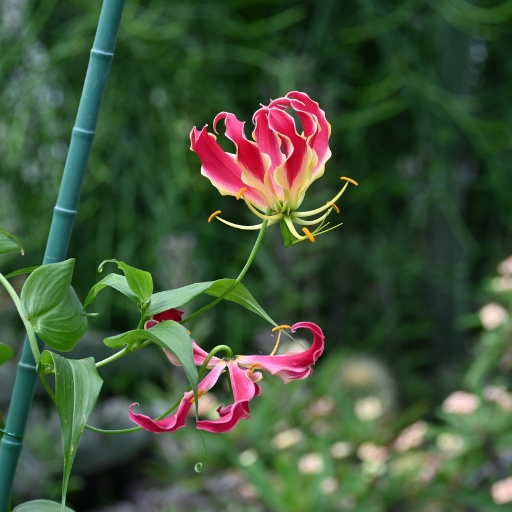
Scientific Name: Gloriosa superba
Native Region: Africa and Asia
Blooming Time: Summer
Flower Colors: Red, yellow
Aroma: Mild fragrance
Interesting Facts
- Known for its flame-like petals.
- It is the state flower of Tamil Nadu.
How to Plant / Growing Tips
- Plant tubers in well-drained soil.
- Grow in full sun or partial shade.
- Provide support as it is a climbing plant.
- Water moderately.
- Handle carefully due to toxicity.
15. Green Hellebore
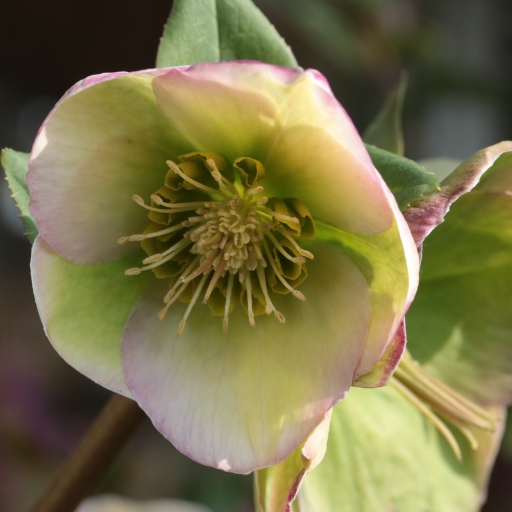
Scientific Name: Helleborus viridis
Native Region: Europe
Blooming Time: Late winter to spring
Flower Colors: Green
Aroma: Mild fragrance
Interesting Facts:
- Blooms in late winter.
- Deer-resistant plant.
How to Plant / Growing Tips:
- Plant in partial shade: Ideal for woodland gardens.
- Use rich, well-drained soil: High organic matter needed.
- Water regularly: Keep soil moist.
- Mulch annually: Improves soil quality.
16. Gerbera Daisy
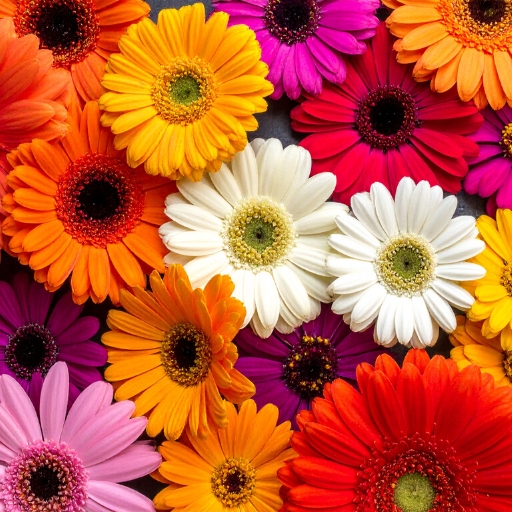
Scientific Name: Gerbera jamesonii
Native Region: South Africa
Blooming Time: Spring to fall
Flower Colors: Red, pink, orange, yellow, white
Aroma: Mild
Interesting Facts:
- One of the most popular cut flowers worldwide.
- Symbolizes cheerfulness.
How to Plant / Growing Tips:
- Plant in full sun: Encourages blooming.
- Use well-drained soil: Prevents crown rot.
- Water at the base: Avoid wetting leaves.
- Deadhead blooms: Keeps flowers coming.
17. Geum
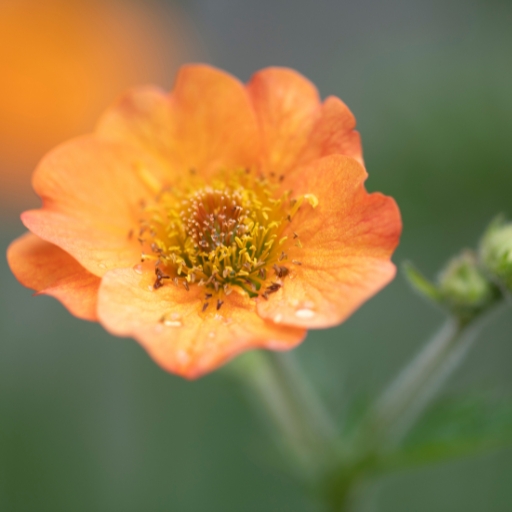
Scientific Name: Geum spp.
Native Region: Europe, Asia
Blooming Time: Spring to summer
Flower Colors: Orange, red, yellow
Aroma: Mild
Interesting Facts:
- Compact perennial great for borders.
- Attracts pollinators.
How to Plant / Growing Tips:
- Plant in full sun to partial shade: Flexible light needs.
- Use well-drained soil: Prevents root issues.
- Water regularly: Keep soil slightly moist.
- Cut back after blooming: Encourages new growth.
18. Glory of the Snow
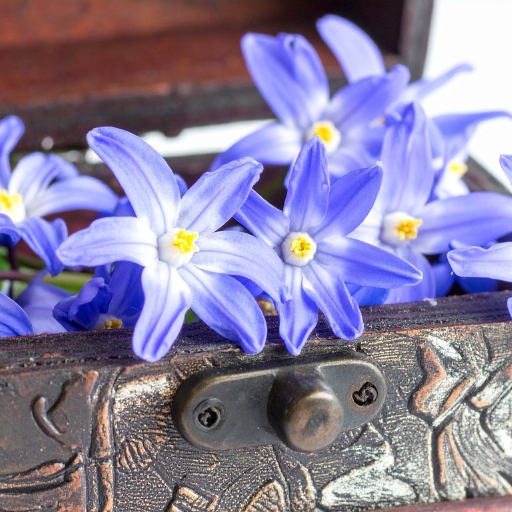
Scientific Name: Chionodoxa spp.
Native Region: Europe
Blooming Time: Early spring
Flower Colors: Blue, white, pink
Aroma: Mild
Interesting Facts:
- One of the earliest spring bloomers.
- Great for naturalizing in lawns.
How to Plant / Growing Tips:
- Plant bulbs in fall: Ensures early blooms.
- Choose full sun to partial shade: Works well under trees.
- Use well-drained soil: Prevents bulb rot.
- Allow spreading: Naturalizes easily.
19. Globe Thistle
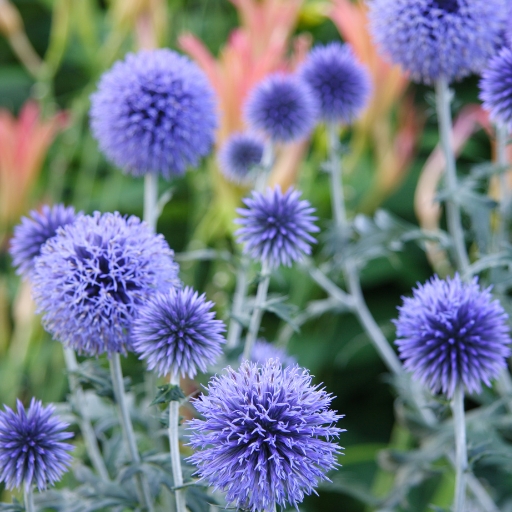
Scientific Name: Echinops spp.
Native Region: Europe, Asia
Blooming Time: Summer
Flower Colors: Blue, white
Aroma: Mild
Interesting Facts:
- Spherical, spiky blooms.
- Excellent for pollinators.
How to Plant / Growing Tips:
- Plant in full sun: Promotes strong stems.
- Use well-drained soil: Prevents root issues.
- Water sparingly: Drought-tolerant.
- Stake if needed: Tall stems may require support.
20. Gilia
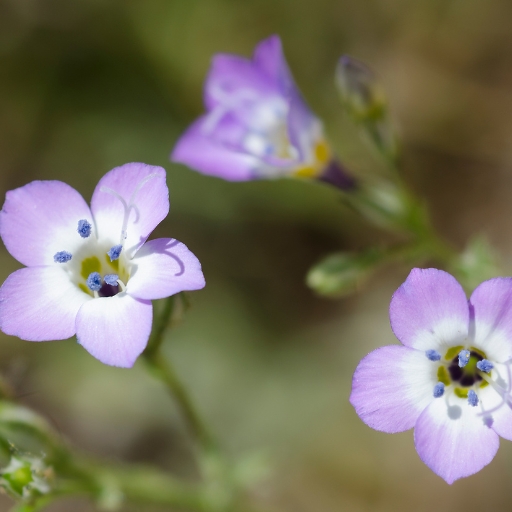
Scientific Name: Gilia spp.
Native Region: North America
Blooming Time: Spring to summer
Flower Colors: Blue, purple, pink
Aroma: Mild
Interesting Facts:
- Native wildflower often used in pollinator gardens.
- Attracts bees and butterflies.
How to Plant / Growing Tips:
- Sow seeds directly outdoors: Easy to grow.
- Plant in full sun: Encourages blooming.
- Use well-drained soil: Prevents root issues.
- Water moderately: Avoid overwatering.
Final Thoughts
Flowers that start with “G” offer a wonderful mix—from fragrant favorites like Gardenia to easy growers like Geranium and Gaillardia.
If you’re just getting started, I’d recommend Geranium, Gazania, or Globe Amaranth—they’re reliable, colorful, and beginner-friendly without requiring much effort.