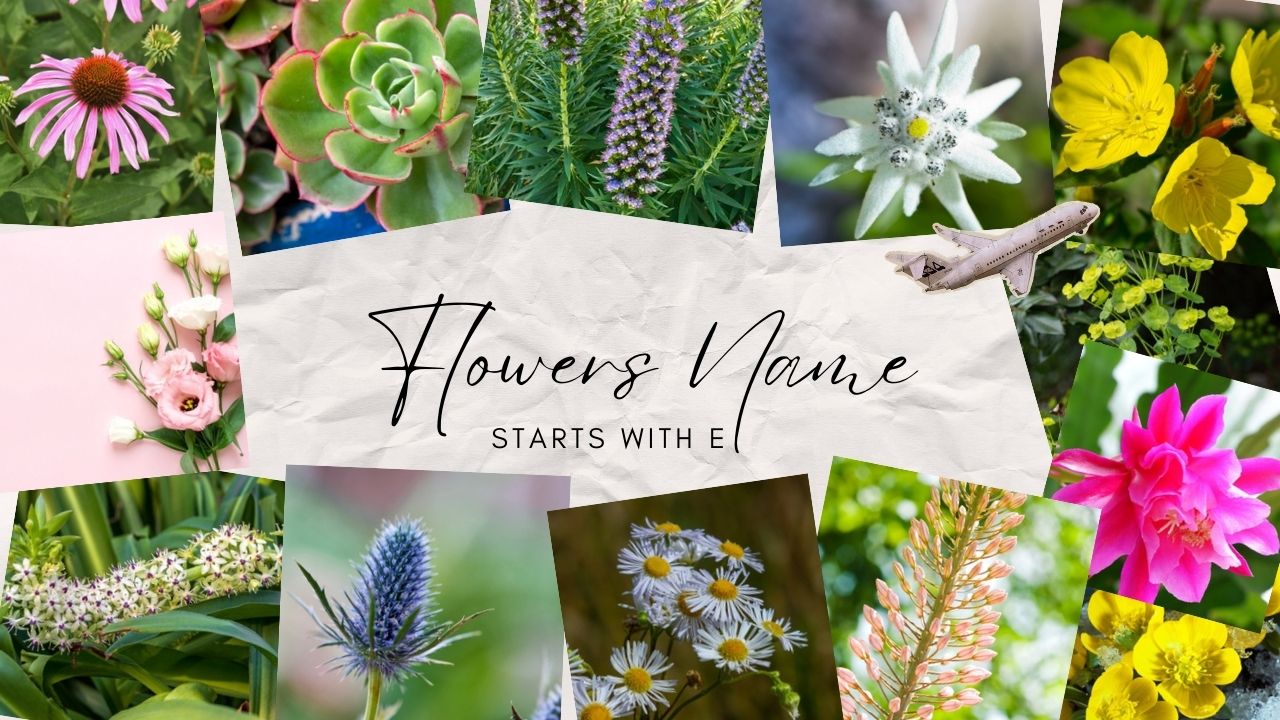
Looking for flowers that start with the letter E? While this category is a bit more niche, it still includes a fantastic mix of colorful garden plants, wildflowers, and elegant ornamentals.
Below, you’ll find 20 real flowers that begin with “E”, each with practical, beginner-friendly growing tips and useful details to help you plan your garden with confidence.
Explore Flowers That Start With the Letter E
1. Echinacea (Coneflower)
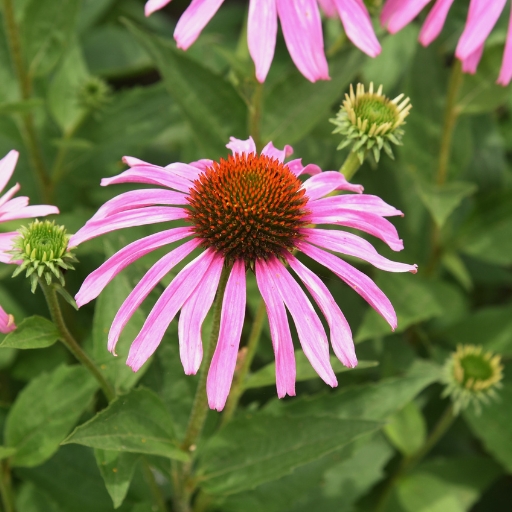
Scientific Name: Echinacea purpurea
Native Region: North America
Blooming Time: Summer to fall
Flower Colors: Pink, purple, white, yellow
Aroma: Mild, earthy scent
Interesting Facts:
- Widely used in herbal remedies.
- Excellent pollinator plant for bees and butterflies.
How to Plant / Growing Tips:
- Plant in full sun: At least 6 hours of sunlight ensures strong flowering.
- Use well-drained soil: Prevents root rot and keeps plants healthy.
- Water during establishment: Once mature, plants tolerate drought.
- Leave seed heads: Birds enjoy them in fall and winter.
2. Edelweiss
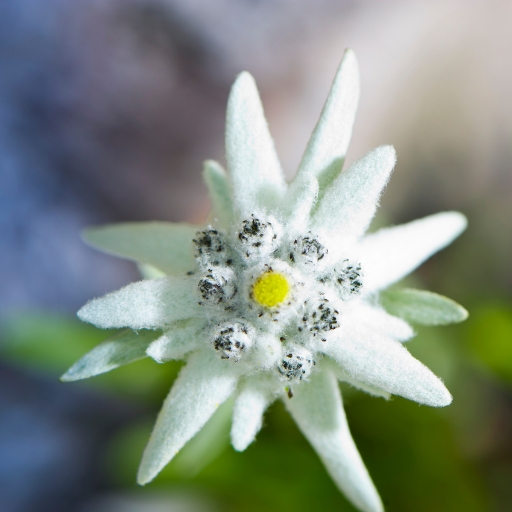
Scientific Name: Leontopodium alpinum
Native Region: Alpine regions of Europe
Blooming Time: Summer
Flower Colors: White
Aroma: Very mild fragrance
Interesting Facts:
- A symbol of alpine regions and rugged beauty.
- Known for its fuzzy, star-shaped appearance.
How to Plant / Growing Tips:
- Plant in full sun: Essential for compact growth.
- Use sandy, well-drained soil: Mimics alpine conditions.
- Avoid overwatering: Prefers drier environments.
- Ensure good airflow: Helps prevent rot.
3. Evening Primrose
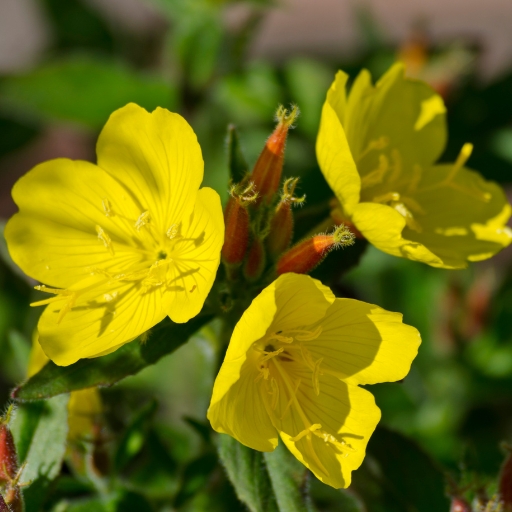
Scientific Name: Oenothera biennis
Native Region: North America
Blooming Time: Spring to summer
Flower Colors: Yellow, pink, white
Aroma: Sweet, mild fragrance
Interesting Facts:
- Blooms open in the evening.
- Seeds are used to produce evening primrose oil.
How to Plant / Growing Tips:
- Sow seeds directly outdoors: Easy to grow in garden beds.
- Choose full sun: Encourages strong blooming.
- Use well-drained soil: Prevents root problems.
- Allow self-seeding: It spreads naturally over time.
4. Epiphyllum (Orchid Cactus)
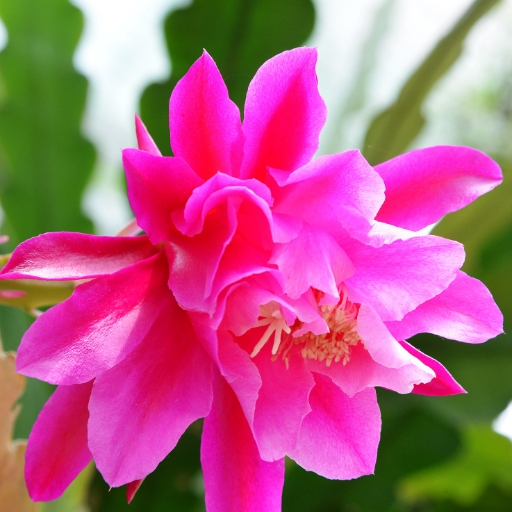
Scientific Name: Epiphyllum spp.
Native Region: Central and South America
Blooming Time: Spring to summer
Flower Colors: White, pink, red, yellow
Aroma: Strong, sweet fragrance (especially at night)
Interesting Facts:
- Produces large, dramatic blooms.
- Often blooms at night.
How to Plant / Growing Tips:
- Provide bright indirect light: Avoid direct sun exposure.
- Use well-draining cactus mix: Prevents root rot.
- Water moderately: Allow soil to dry slightly between watering.
- Maintain humidity: Helps promote blooming.
5. Erigeron (Fleabane)
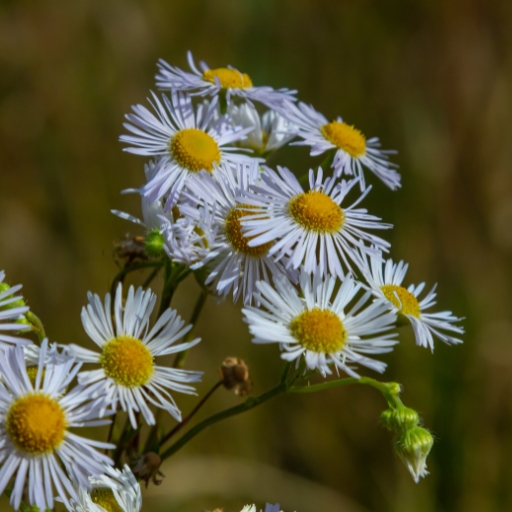
Scientific Name: Erigeron karvinskianus
Native Region: Mexico and Central America
Blooming Time: Spring to fall
Flower Colors: White, pink, purple
Aroma: Mild fragrance
Interesting Facts
- Looks similar to small daisies.
- Blooms continuously for long periods.
How to Plant / Growing Tips
- Grow in full sun or partial shade.
- Use well-drained soil.
- Water moderately once established.
- Allow plants to spread naturally.
- Trim occasionally to maintain shape.
6. Eustoma (Lisianthus)
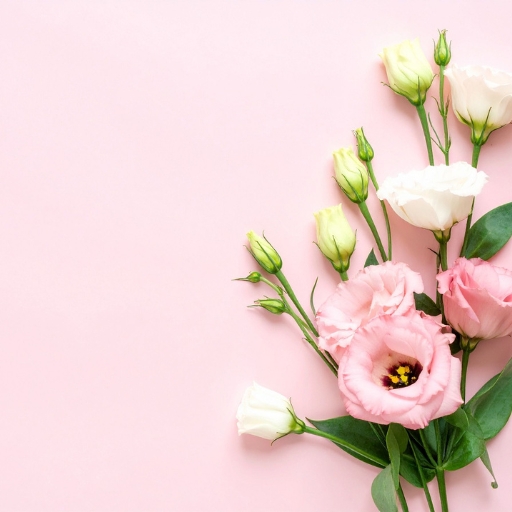
Scientific Name: Eustoma grandiflorum
Native Region: North America
Blooming Time: Summer
Flower Colors: Purple, pink, white, blue
Aroma: Light, pleasant fragrance
Interesting Facts:
- Popular in wedding bouquets.
- Resembles roses in appearance.
How to Plant / Growing Tips:
- Start seeds indoors: Requires a long growing period.
- Provide full sun: Essential for healthy blooms.
- Use well-drained soil: Prevents root issues.
- Water consistently: Keep soil evenly moist.
7. Eryngium (Sea Holly)
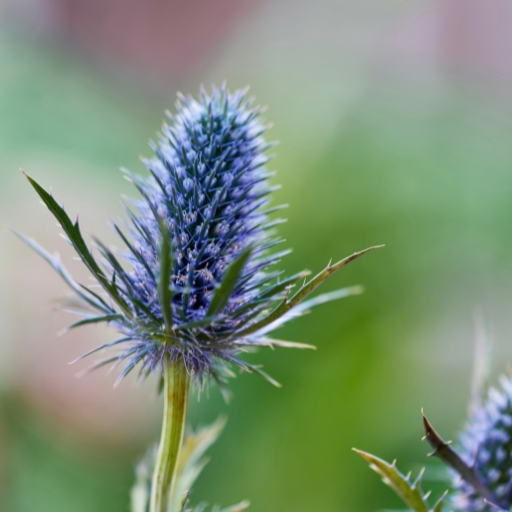
Scientific Name: Eryngium maritimum
Native Region: Europe and coastal regions
Blooming Time: Summer
Flower Colors: Blue, silver
Aroma: Mild fragrance
Interesting Facts:
- Known for spiky, metallic-looking flowers.
- Popular in dried arrangements.
How to Plant / Growing Tips:
- Plant in full sun: Promotes strong growth.
- Use sandy, well-drained soil: Prevents root issues.
- Water sparingly: Drought-tolerant once established.
- Avoid transplanting: Deep roots dislike disturbance.
8. Euphorbia (Spurge)
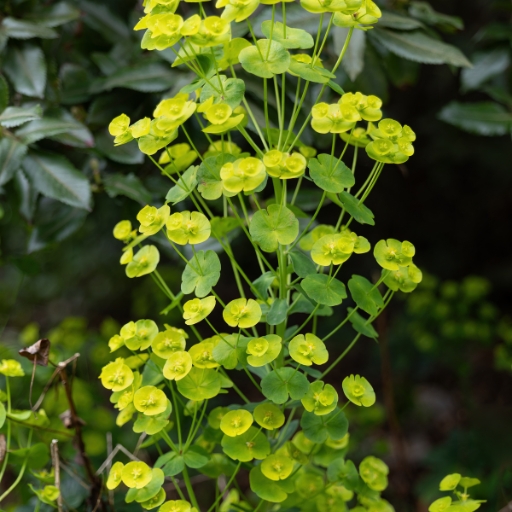
Scientific Name: Euphorbia spp.
Native Region: Africa, Europe, and Asia
Blooming Time: Spring to summer
Flower Colors: Yellow, green, red
Aroma: Mild or no fragrance
Interesting Facts:
- Contains milky sap that can be irritating.
- Extremely drought-tolerant.
How to Plant / Growing Tips:
- Plant in full sun to partial shade: Adaptable to different light conditions.
- Use well-drained soil: Essential for root health.
- Water sparingly: Overwatering can harm plants.
- Handle with care: Sap can irritate skin.
9. Echeveria Flower
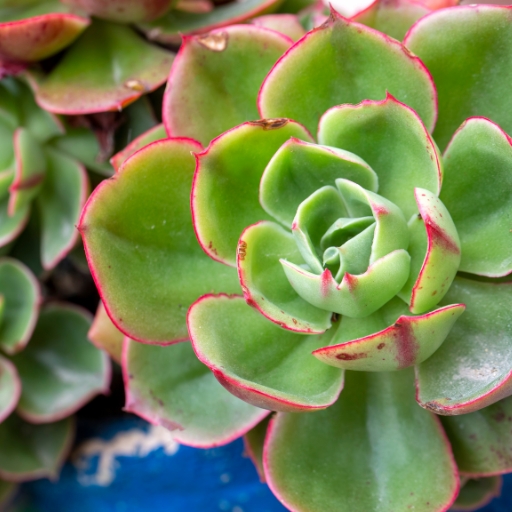
Scientific Name: Echeveria spp.
Native Region: Mexico and Central America
Blooming Time: Spring to summer
Flower Colors: Pink, orange, yellow
Aroma: Mild fragrance
Interesting Facts:
- Known for rosette-shaped leaves.
- Produces small bell-shaped flowers.
How to Plant / Growing Tips:
- Plant in bright light: Essential for compact growth.
- Use cactus soil mix: Ensures proper drainage.
- Water sparingly: Allow soil to dry completely between watering.
- Avoid overwatering: Prevents root rot.
10. Eucomis (Pineapple Lily)
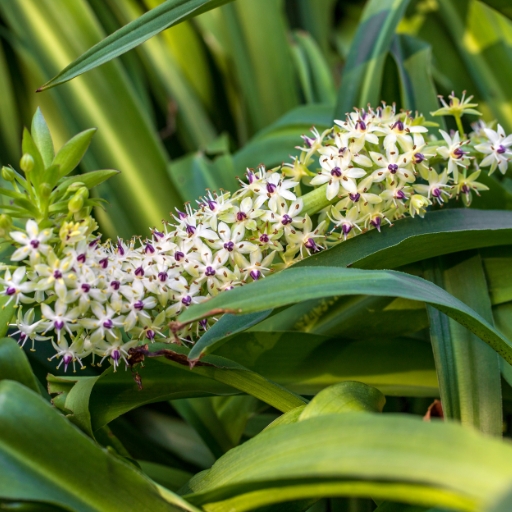
Scientific Name: Eucomis spp.
Native Region: South Africa
Blooming Time: Summer
Flower Colors: Green, white, purple
Aroma: Light fragrance
Interesting Facts
- The flower resembles a mini pineapple.
- Commonly used in ornamental gardening.
How to Plant / Growing Tips
- Plant bulbs in full sun or partial shade.
- Use rich, well-drained soil.
- Water regularly during the growing season.
- Reduce watering after flowering.
- Suitable for pots and garden beds.
11. Eremurus (Foxtail Lily)
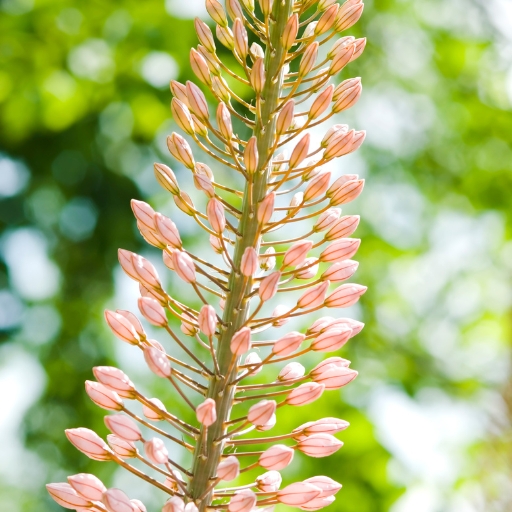
Scientific Name: Eremurus spp.
Native Region: Central Asia
Blooming Time: Late spring to summer
Flower Colors: Yellow, orange, white, pink
Aroma: Mild fragrance
Interesting Facts:
- Tall spikes resemble fox tails.
- Adds dramatic height to gardens.
How to Plant / Growing Tips:
- Plant in full sun: Essential for flowering.
- Use well-drained soil: Prevents root rot.
- Handle roots carefully: Fragile and easily damaged.
- Water moderately: Avoid overwatering.
12. Eranthis (Winter Aconite)
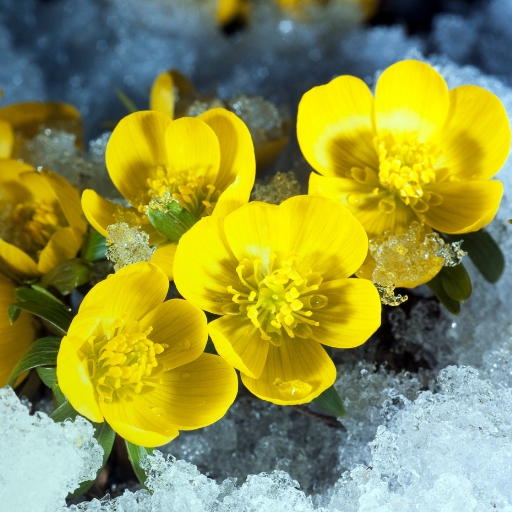
Scientific Name: Eranthis hyemalis
Native Region: Europe
Blooming Time: Late winter to early spring
Flower Colors: Yellow
Aroma: Mild fragrance
Interesting Facts
- One of the earliest blooming flowers.
- Brightens gardens after winter.
How to Plant / Growing Tips
- Plant tubers in well-drained soil.
- Grow in partial shade.
- Water lightly during growth.
- Allow natural spreading over time.
- Ideal for woodland gardens.
13. Echium
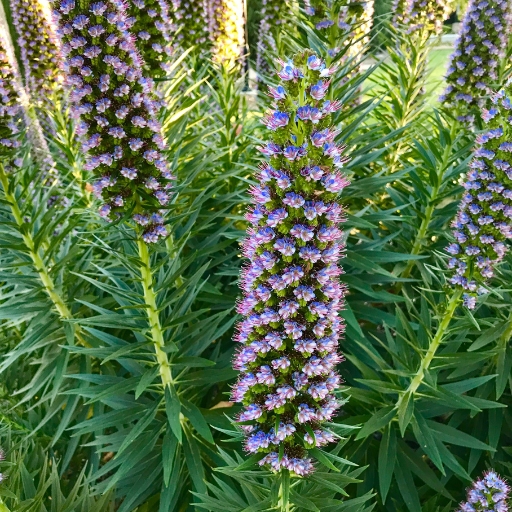
Scientific Name: Echium vulgare
Native Region: Europe and Asia
Blooming Time: Spring to summer
Flower Colors: Blue, purple, pink
Aroma: Mild fragrance
Interesting Facts
- Attracts bees and pollinators.
- Known for its tall, striking flower spikes.
How to Plant / Growing Tips
- Grow in full sun.
- Use well-drained soil.
- Water moderately; drought-tolerant once established.
- Avoid overwatering.
- Suitable for wildflower gardens.
14. Erigeron (Fleabane)
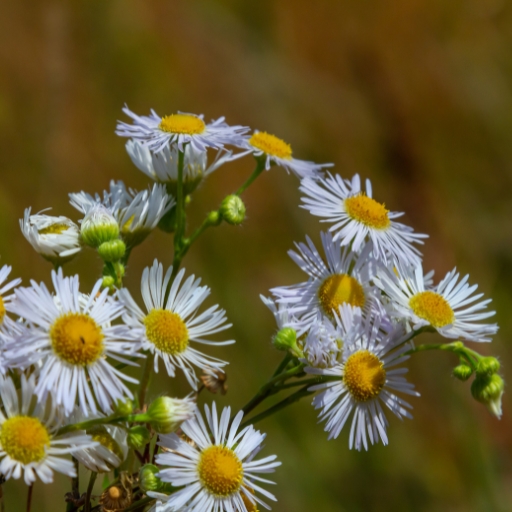
Scientific Name: Erigeron spp.
Native Region: North America
Blooming Time: Spring to summer
Flower Colors: White, pink, purple
Aroma: Mild
Interesting Facts:
- Often used in rock gardens.
- Name comes from its historical use to repel fleas.
How to Plant / Growing Tips:
- Plant in full sun: Encourages abundant flowering.
- Use well-drained soil: Essential for healthy roots.
- Water moderately: Avoid overly wet conditions.
- Allow spreading: Works well as ground cover.
15. Epimedium (Barrenwort)
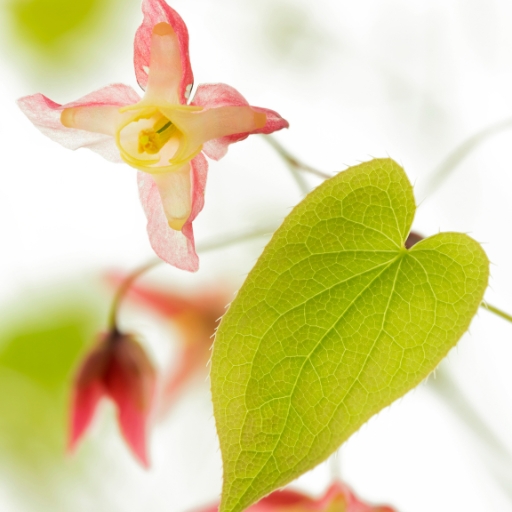
Scientific Name: Epimedium spp.
Native Region: Asia, Europe
Blooming Time: Spring
Flower Colors: Yellow, pink, purple, white
Aroma: Mild
Interesting Facts:
- Excellent shade-loving perennial.
- Known for heart-shaped leaves.
How to Plant / Growing Tips:
- Plant in partial to full shade: Ideal for woodland gardens.
- Use rich, well-drained soil: High organic matter preferred.
- Water regularly: Especially during establishment.
- Mulch around plants: Retains moisture and improves soil.
16. Eschscholzia (California Poppy)
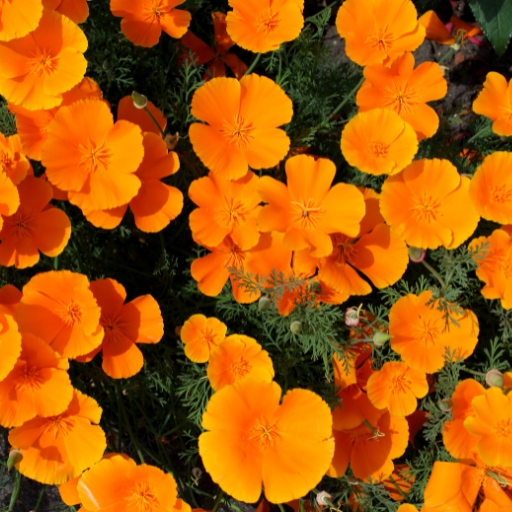
Scientific Name: Eschscholzia californica
Native Region: North America
Blooming Time: Spring to summer
Flower Colors: Orange, yellow, red
Aroma: Light
Interesting Facts:
- State flower of California.
- Drought-tolerant and low maintenance.
How to Plant / Growing Tips:
- Sow seeds directly outdoors: Does not transplant well.
- Choose full sun: Essential for blooming.
- Use poor to average soil: Thrives in less fertile conditions.
- Water sparingly: Too much water reduces blooms.
17. Erysimum (Wallflower)
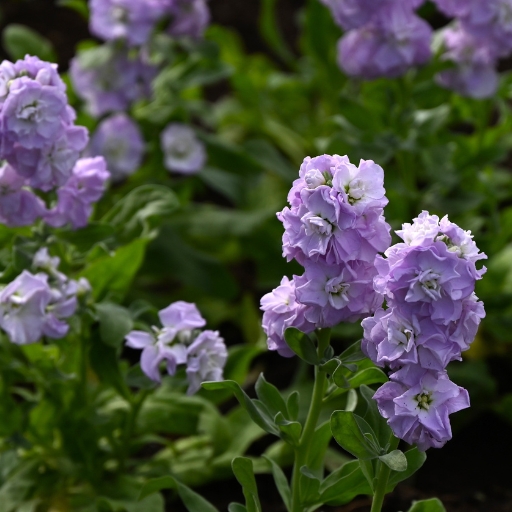
Scientific Name: Erysimum spp.
Native Region: Europe
Blooming Time: Spring
Flower Colors: Yellow, orange, purple
Aroma: Sweet, clove-like scent
Interesting Facts:
- Loved for its fragrance.
- Often used in cottage gardens.
How to Plant / Growing Tips:
- Plant in full sun: Encourages flowering.
- Use well-drained soil: Prevents root rot.
- Water moderately: Avoid overly wet soil.
- Trim after blooming: Encourages new growth.
18. Elephant Ear Flower
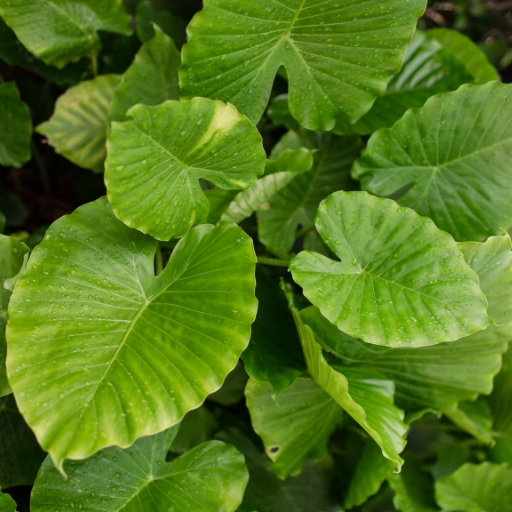
Scientific Name: Colocasia spp.
Native Region: Asia
Blooming Time: Summer (grown mainly for foliage)
Flower Colors: Pale yellow (rare blooms)
Aroma: Mild
Interesting Facts:
- Known for large, dramatic leaves.
- Adds tropical feel to gardens.
How to Plant / Growing Tips:
- Plant in full sun to partial shade: Prefers warm conditions.
- Use rich, moist soil: Thrives in damp environments.
- Water frequently: Keep soil consistently moist.
- Protect from cold: Sensitive to frost.
19. English Daisy
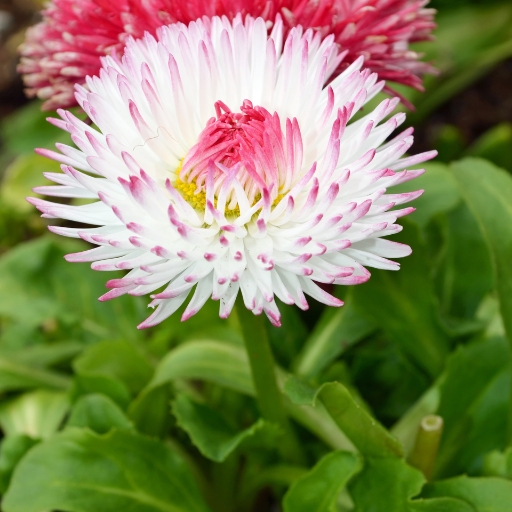
Scientific Name: Bellis perennis
Native Region: Europe
Blooming Time: Spring
Flower Colors: White, pink, red
Aroma: Mild
Interesting Facts:
- Classic lawn and garden flower.
- Symbolizes innocence.
How to Plant / Growing Tips:
- Plant in full sun to partial shade: Flexible light needs.
- Use well-drained soil: Prevents root issues.
- Water regularly: Keep soil lightly moist.
- Deadhead blooms: Encourages continuous flowering.
20. Everlasting Flower (Strawflower)
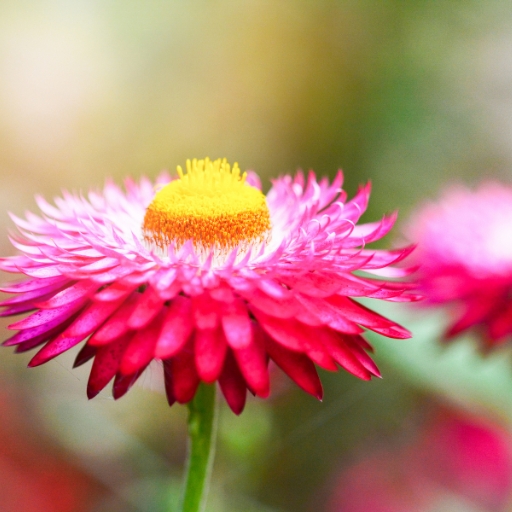
Scientific Name: Xerochrysum bracteatum
Native Region: Australia
Blooming Time: Summer to fall
Flower Colors: Yellow, red, pink, orange
Aroma: Mild
Interesting Facts:
- Retains color when dried.
- Popular in crafts and arrangements.
How to Plant / Growing Tips:
- Plant in full sun: Ensures vibrant blooms.
- Use well-drained soil: Prevents root rot.
- Water moderately: Avoid soggy soil.
- Harvest early: Best for drying flowers.
Final Thoughts
“E” flowers may not be as common as other groups, but they offer a unique mix of beauty, fragrance, and versatility—from bold bloomers like Echinacea to delicate woodland plants like Erythronium.
If you’re just getting started, try Echinacea, Eschscholzia (California Poppy), or Evening Primrose—they’re low-maintenance, pollinator-friendly, and incredibly rewarding to grow.