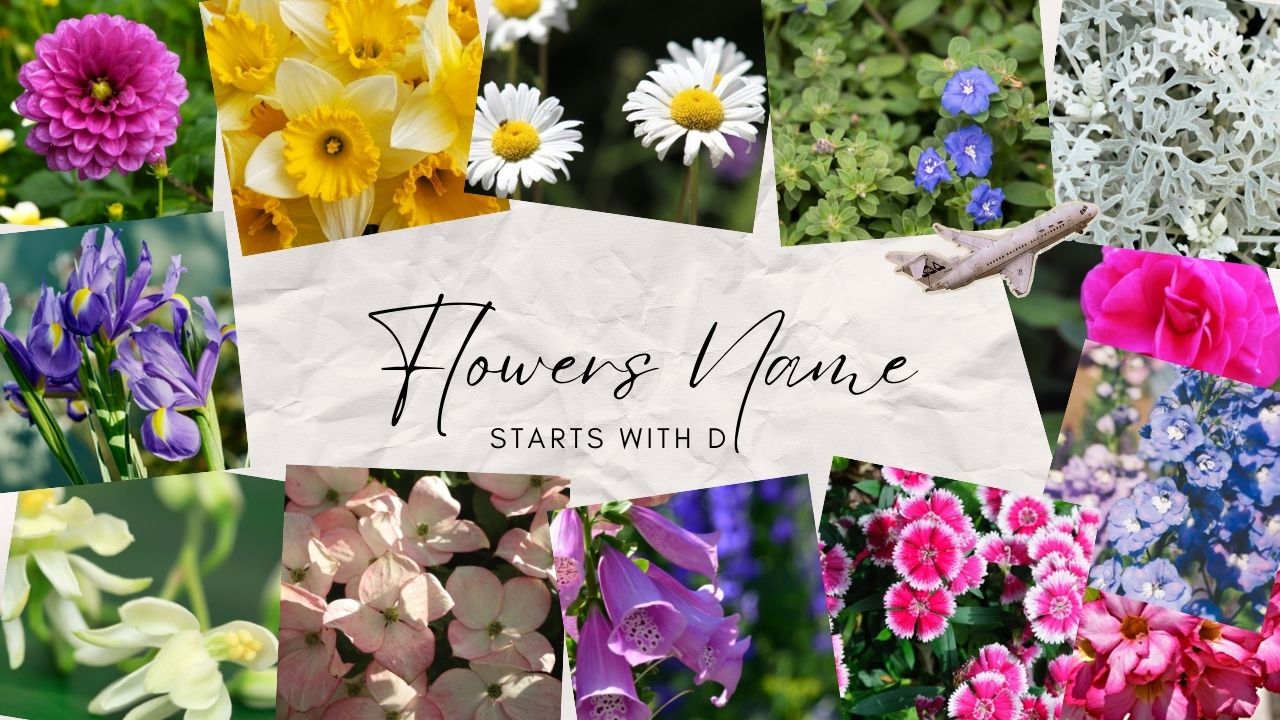
If you’re exploring flowers that start with the letter D, you’ll discover a surprisingly diverse mix—ranging from classic garden favorites to unique wildflowers and beautifully fragrant blooms.
In this guide, we’ve put together a thoughtfully curated list of real “D” flowers, along with simple, beginner-friendly growing tips. Whether you’re planting in a backyard garden or using containers, these practical details will help you choose and grow them with confidence.
List of Flowers That Start With the Letter D
1. Dahlia
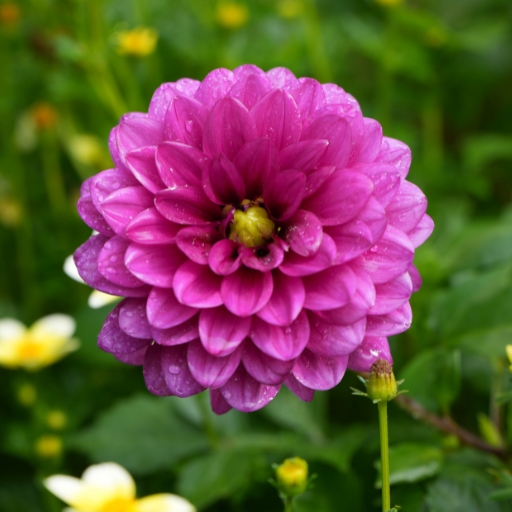
Scientific Name: Dahlia spp.
Native Region: Mexico and Central America
Blooming Time: Summer to fall
Flower Colors: Red, pink, yellow, orange, purple, white
Aroma: Usually mild or fragrance-free
Interesting Facts
- Dahlias come in many shapes and sizes, including large “dinner plate” blooms.
- They are widely used in flower shows and decorative gardens.
How to Plant / Growing Tips:
- Plant tubers in spring: Wait until after the last frost when soil has warmed.
- Choose full sun: Dahlias need at least 6–8 hours of sunlight for best blooms.
- Use rich, well-drained soil: Mix in compost for strong growth.
- Stake taller varieties: Prevents stems from bending or breaking.
2. Daisy
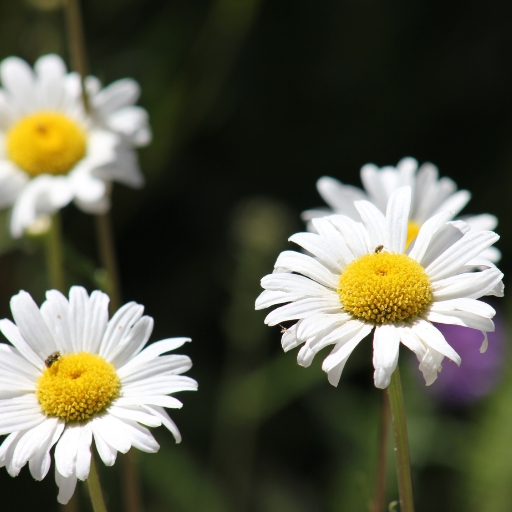
Scientific Name: Bellis perennis
Native Region: Europe
Blooming Time: Spring to early summer
Flower Colors: White, pink, red
Aroma: Mild, fresh scent
Interesting Facts
- Daisies symbolize innocence and purity.
- They are one of the most commonly grown garden flowers.
How to Plant / Growing Tips:
- Plant in full sun: Encourages compact growth.
- Use well-drained soil: Prevents root issues.
- Water regularly: Keep soil lightly moist.
- Deadhead blooms: Promotes continuous flowering.
3. Daffodil
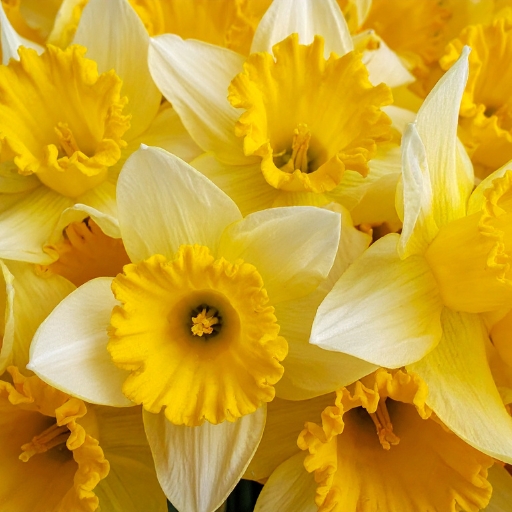
Scientific Name: Narcissus spp.
Native Region: Europe and North Africa
Blooming Time: Late winter to spring
Flower Colors: Yellow, white, orange
Aroma: Light, sweet fragrance
Interesting Facts
- Daffodils are a symbol of spring and new beginnings.
- They are among the earliest flowers to bloom after winter.
How to Plant / Growing Tips:
- Plant bulbs in fall: Gives roots time to establish before winter.
- Choose full sun to partial shade: Works well under deciduous trees.
- Use well-drained soil: Prevents bulb rot.
- Allow foliage to die back naturally: Helps store energy for next season.
4. Delphinium
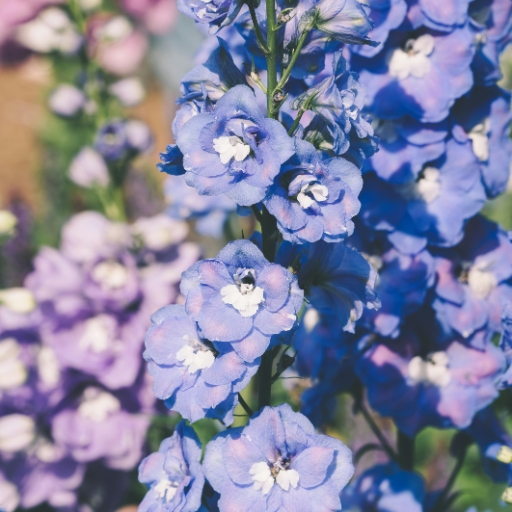
Scientific Name: Delphinium spp.
Native Region: Northern Hemisphere
Blooming Time: Late spring to summer
Flower Colors: Blue, purple, pink, white
Aroma: Mild fragrance
Interesting Facts
- Delphiniums are known for their tall, striking flower spikes.
- They are often used as background plants in garden beds.
How to Plant / Growing Tips:
- Plant in full sun: Ensures strong stems and vibrant blooms.
- Use rich, well-drained soil: Supports tall growth.
- Stake plants early: Prevents wind damage.
- Water regularly: Keep soil consistently moist.
5. Dianthus
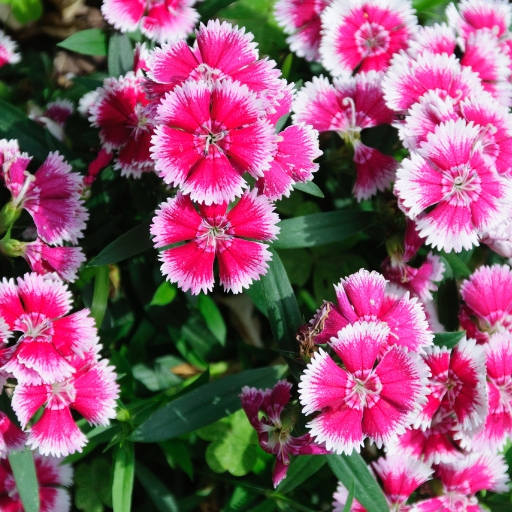
Scientific Name: Dianthus spp.
Native Region: Europe and Asia
Blooming Time: Spring to summer
Flower Colors: Pink, red, white, purple
Aroma: Sweet, clove-like fragrance
Interesting Facts
- Dianthus includes carnations and pinks.
- It is valued for its pleasant fragrance.
How to Plant / Growing Tips:
- Plant in full sun: Essential for flowering.
- Use well-drained soil: Avoid soggy conditions.
- Water moderately: Allow soil to dry slightly between watering.
- Trim after blooming: Encourages reblooming.
6. Digitalis (Foxglove)
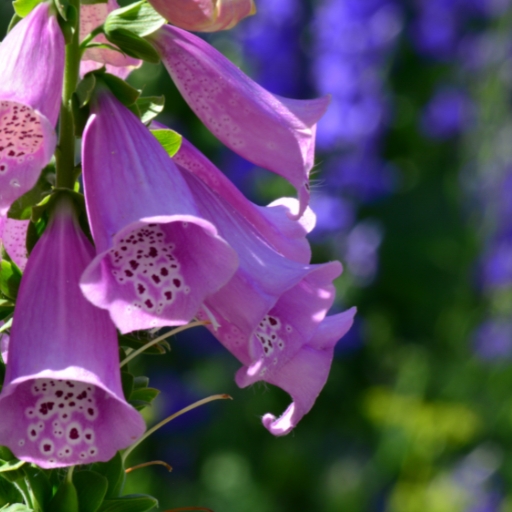
Scientific Name: Digitalis purpurea
Native Region: Europe
Blooming Time: Late spring to summer
Flower Colors: Purple, pink, white, yellow
Aroma: Mild scent
Interesting Facts
- Foxglove flowers are tubular and attract pollinators.
- The plant is toxic if ingested.
How to Plant / Growing Tips
- Grow in partial shade or filtered sunlight.
- Use moist, well-drained soil rich in organic matter.
- Water regularly to keep soil slightly moist.
- Ensure proper spacing for airflow.
- Allow self-seeding for future growth.
7. Dusty Miller
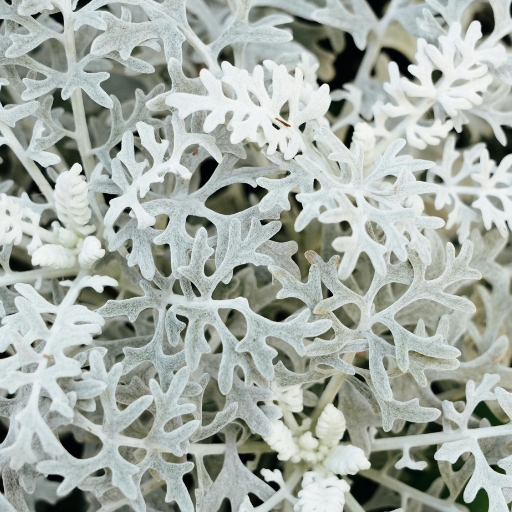
Scientific Name: Jacobaea maritima
Native Region: Mediterranean region
Blooming Time: Summer
Flower Colors: Yellow (mainly grown for foliage)
Aroma: Mild herbal scent
Interesting Facts
- Known for its decorative silver-grey leaves.
- Often used as a contrast plant in landscaping.
How to Plant / Growing Tips:
- Plant in full sun: Enhances foliage color.
- Use well-drained soil: Prevents root rot.
- Water sparingly: Tolerates dry conditions.
- Prune lightly: Keeps plants compact.
8. Daylily
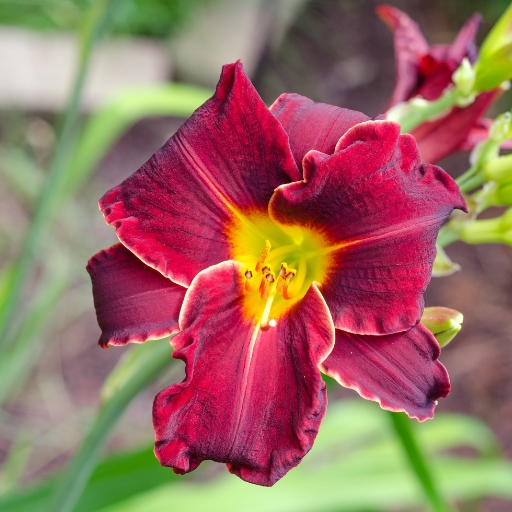
Scientific Name: Hemerocallis spp.
Native Region: Asia
Blooming Time: Late spring to summer
Flower Colors: Yellow, orange, red, pink
Aroma: Mild fragrance
Interesting Facts
- Each flower lasts only one day.
- Plants produce multiple blooms over time.
How to Plant / Growing Tips:
- Plant in full sun: Ensures abundant blooms.
- Use well-drained soil: Adaptable but prefers loose soil.
- Water during dry periods: Especially in summer.
- Divide clumps every few years: Keeps plants healthy.
9. Datura (Angel’s Trumpet)
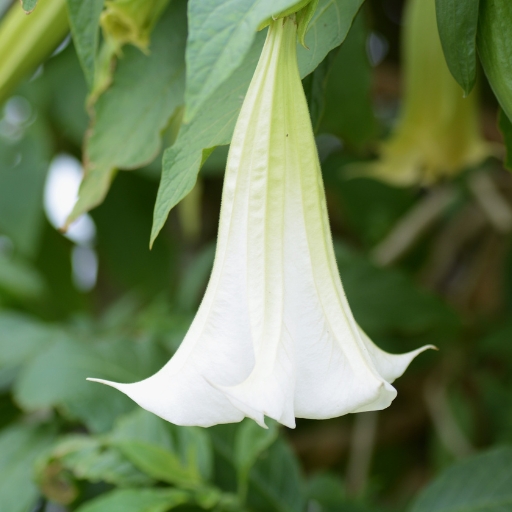
Scientific Name: Datura metel
Native Region: Asia and the Americas
Blooming Time: Summer to fall
Flower Colors: White, purple, yellow
Aroma: Strong, sweet fragrance at night
Interesting Facts
- Flowers open mainly in the evening.
- All parts of the plant are toxic.
How to Plant / Growing Tips:
- Plant in full sun: Encourages large blooms.
- Use rich soil: Supports fast growth.
- Water regularly: Keep soil moist.
- Handle carefully: Wear gloves due to toxicity.
10. Dogwood Flower
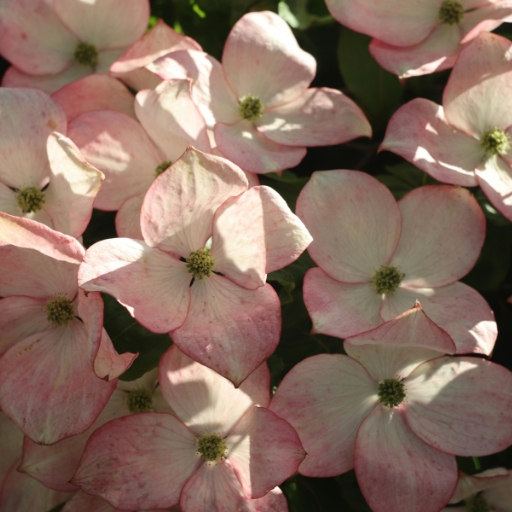
Scientific Name: Cornus florida
Native Region: North America
Blooming Time: Spring
Flower Colors: White, pink
Aroma: Mild fragrance
Interesting Facts
- Dogwood grows on ornamental trees.
- Commonly used in landscaping.
How to Plant / Growing Tips:
- Plant in partial shade: Protects from intense afternoon sun.
- Use rich, well-drained soil: Supports root health.
- Water deeply: Especially during dry periods.
- Mulch around base: Helps retain moisture.
11. Drumstick Flower
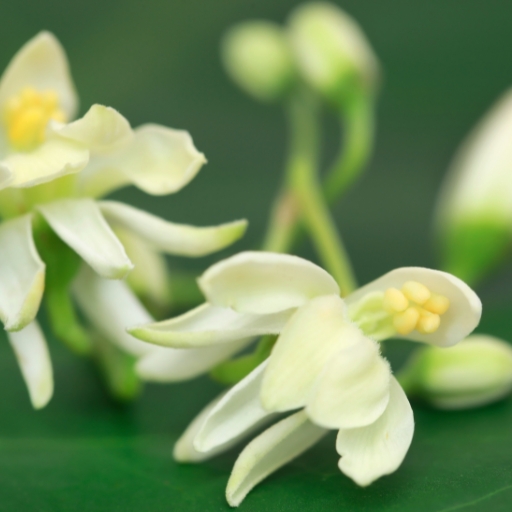
Scientific Name: Scabiosa stellata
Native Region: Mediterranean region
Blooming Time: Summer
Flower Colors: Blue, purple, white
Aroma: Mild fragrance
Interesting Facts
- Seed heads are used in dried flower arrangements.
- Adds unique texture to gardens.
How to Plant / Growing Tips
- Grow in full sun.
- Use well-drained soil.
- Water moderately.
- Space plants for airflow.
- Deadhead to encourage blooms.
12. Dutch Iris
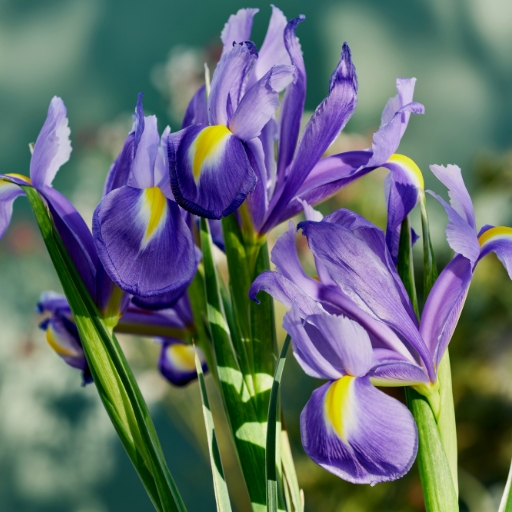
Scientific Name: Iris × hollandica
Native Region: Europe
Blooming Time: Late spring
Flower Colors: Blue, purple, yellow, white
Aroma: Light fragrance
Interesting Facts
- Popular cut flower for arrangements.
- Known for elegant upright blooms.
How to Plant / Growing Tips:
- Plant bulbs in fall: Ensures spring blooms.
- Choose full sun: Promotes strong growth.
- Use well-drained soil: Prevents bulb rot.
- Water moderately: Avoid overwatering.
13. Desert Rose
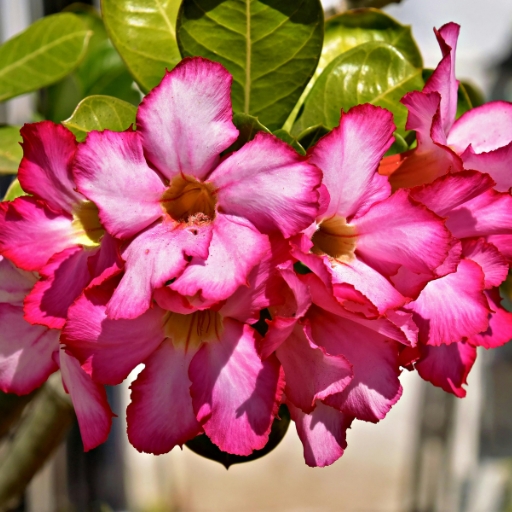
Scientific Name: Adenium obesum
Native Region: Africa and the Middle East
Blooming Time: Spring to summer
Flower Colors: Pink, red, white
Aroma: Mild fragrance
Interesting Facts
- Stores water in its thick stem.
- Popular as a bonsai plant.
How to Plant / Growing Tips:
- Plant in full sun: Essential for flowering.
- Use cactus soil mix: Ensures excellent drainage.
- Water sparingly: Allow soil to dry out between watering.
- Protect from cold: Sensitive to frost.
14. Dwarf Morning Glory
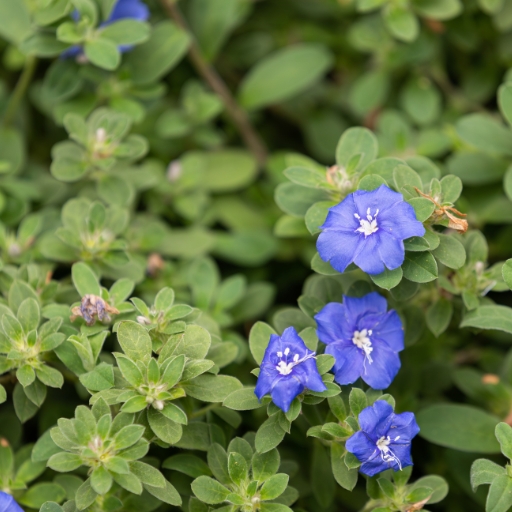
Scientific Name: Convolvulus tricolor
Native Region: Mediterranean region
Blooming Time: Summer
Flower Colors: Blue, white, purple
Aroma: Very mild fragrance
Interesting Facts
- Flowers open in the morning and close later in the day.
- Works well as ground cover.
How to Plant / Growing Tips:
- Sow seeds directly: Easy to grow from seed.
- Choose full sun: Promotes blooming.
- Use well-drained soil: Prevents root issues.
- Water moderately: Avoid overwatering.
15. Double Impatiens
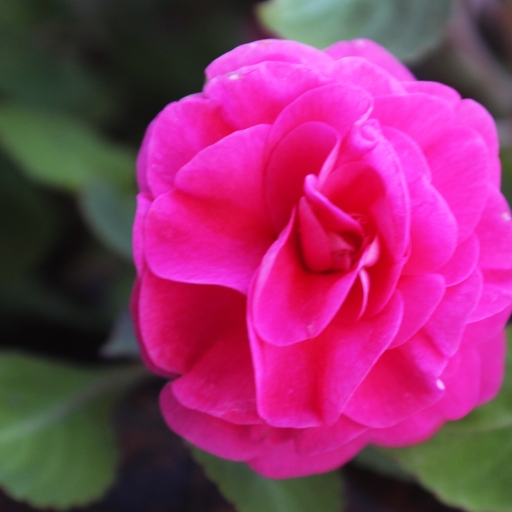
Scientific Name: Impatiens walleriana
Native Region: East Africa
Blooming Time: Spring to fall
Flower Colors: Pink, red, white, purple, orange
Aroma: Usually fragrance-free
Interesting Facts
- Flowers resemble small roses.
- Ideal for shaded gardens.
How to Plant / Growing Tips
- Grow in partial to full shade.
- Use moist, well-drained soil rich in organic matter.
- Water regularly to keep soil moist.
- Avoid direct sunlight.
- Apply light fertiliser every few weeks.
16. Dragon Lily
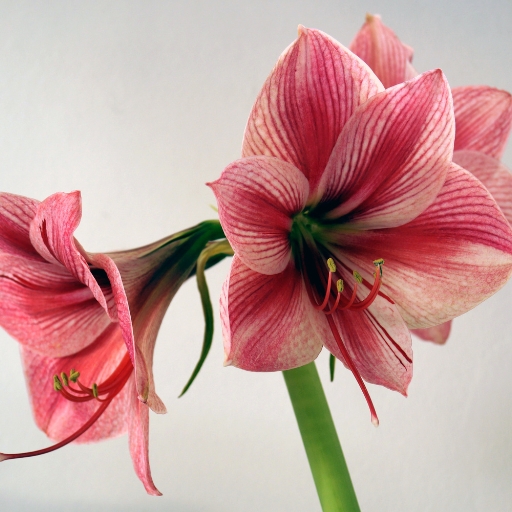
Scientific Name: Dracunculus vulgaris
Native Region: Mediterranean
Blooming Time: Late spring to summer
Flower Colors: Deep purple
Aroma: Strong, unpleasant scent
Interesting Facts:
- Also called “voodoo lily.”
- Emits odor to attract pollinators.
How to Plant / Growing Tips:
- Plant in full sun to partial shade: Adapts to both.
- Use well-drained soil: Prevents rot.
- Water moderately: Avoid soggy conditions.
- Plant away from seating areas: Due to strong smell.
17. Dodecatheon (Shooting Star)
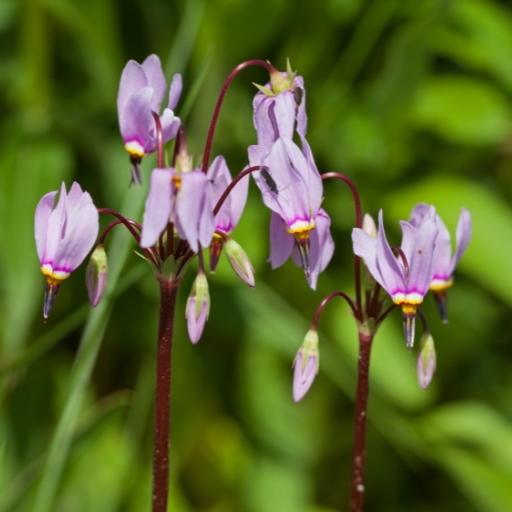
Scientific Name: Dodecatheon spp.
Native Region: North America
Blooming Time: Spring
Flower Colors: Pink, purple, white
Aroma: Mild
Interesting Facts:
- Unique backward-facing petals.
- Native woodland plant.
How to Plant / Growing Tips:
- Plant in partial shade: Ideal for woodland gardens.
- Use rich, moist soil: High organic matter preferred.
- Keep soil damp: Especially during growth.
- Allow dormancy in summer: Reduce watering after blooming.
18. Dittany
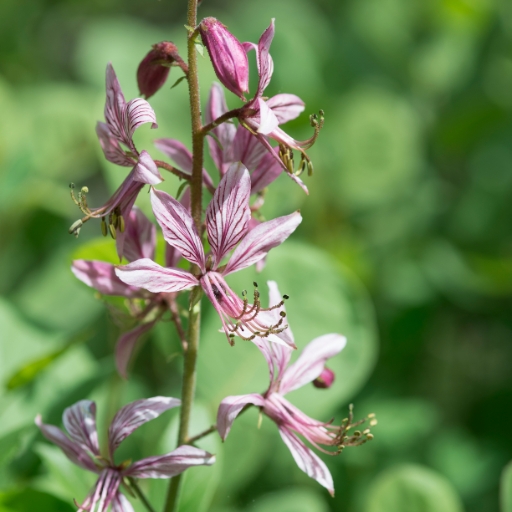
Scientific Name: Dictamnus albus
Native Region: Europe, Asia
Blooming Time: Late spring to early summer
Flower Colors: Pink, white
Aroma: Citrus-like fragrance
Interesting Facts:
- Also called “gas plant.”
- Can emit flammable oils in hot weather.
How to Plant / Growing Tips:
- Plant in full sun: Encourages flowering.
- Use well-drained soil: Prevents root issues.
- Avoid transplanting: Deep roots dislike disturbance.
- Water moderately: Low maintenance once established.
19. Dyer’s Chamomile
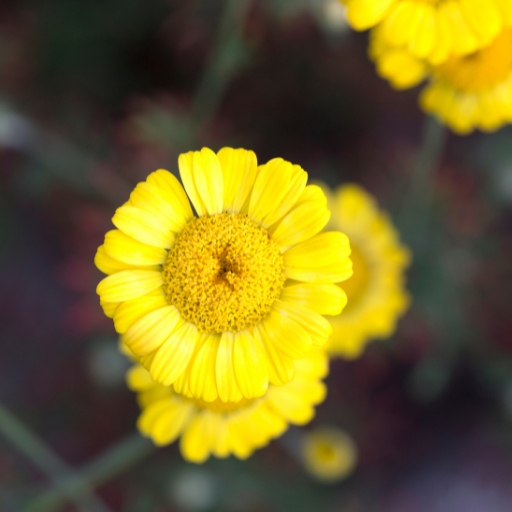
Scientific Name: Anthemis tinctoria
Native Region: Europe
Blooming Time: Summer
Flower Colors: Yellow
Aroma: Light, herbal
Interesting Facts:
- Used historically as a natural dye.
- Attracts pollinators.
How to Plant / Growing Tips:
- Plant in full sun: Essential for blooms.
- Use well-drained soil: Prevents root rot.
- Water sparingly: Drought-tolerant once established.
- Deadhead flowers: Encourages reblooming.
20. Dutchman’s Breeches
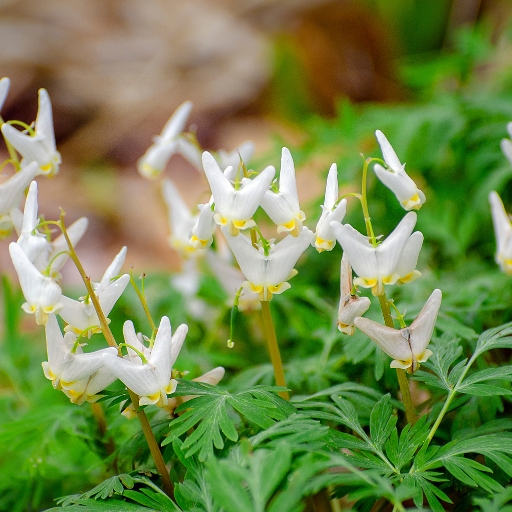
Scientific Name: Dicentra cucullaria
Native Region: North America
Blooming Time: Early spring
Flower Colors: White
Aroma: Mild
Interesting Facts:
- Named for its pants-shaped flowers.
- Native woodland wildflower.
How to Plant / Growing Tips:
- Plant in shade: Prefers forest-like conditions.
- Use rich, moist soil: High organic content ideal.
- Water regularly: Keep soil consistently damp.
- Allow dormancy: Foliage dies back after blooming.
Final Thoughts
Flowers that start with “D” bring a great mix of bold color, fragrance, and easy-care options—from showy Dahlias and Daffodils to unique picks like Datura and Dodecatheon.
If you’re new to gardening, start with Daisies, Daylilies, or Dahlberg Daisy—they’re forgiving, beautiful, and incredibly rewarding.