Hi readers,
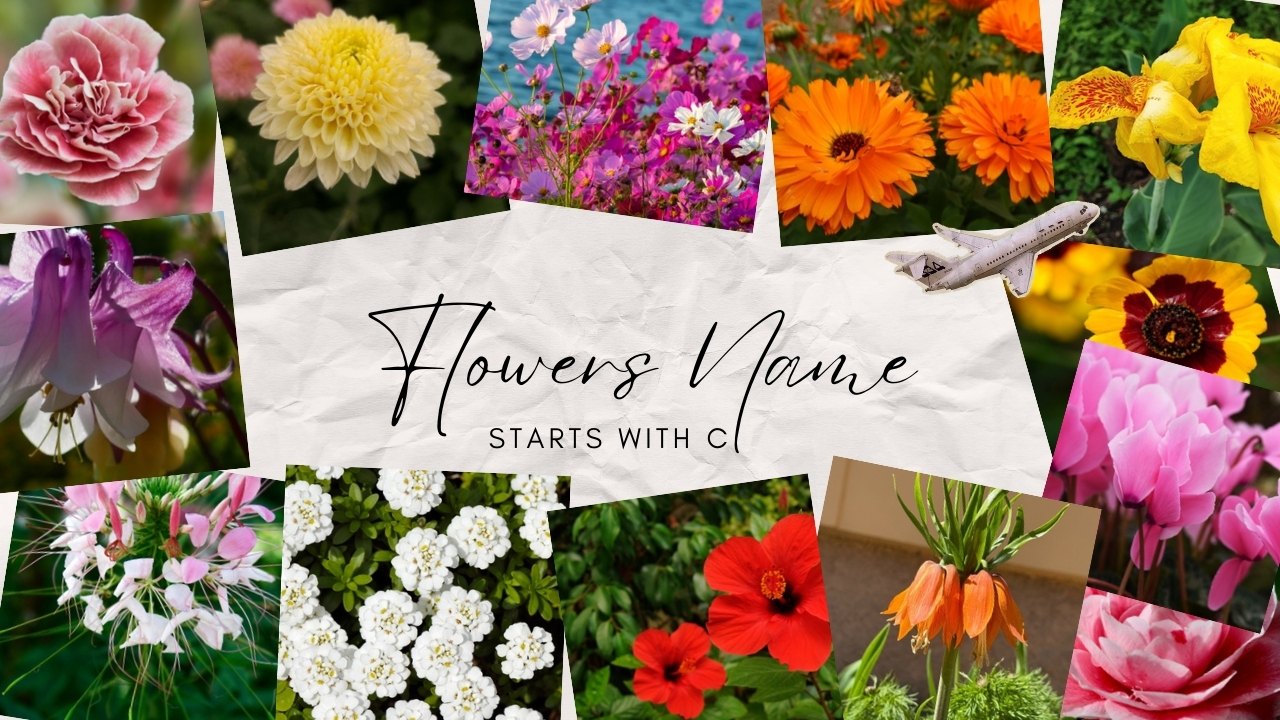
We’re back with another post in our flowerpedia series—and today, we’re exploring flowers that start with the letter C.
Looking for flowers that start with the letter C? You’re in luck—this category is packed with garden favorites, from classic roses to cheerful wildflowers and elegant perennials.
Below is a curated list of 20 real flowers that begin with “C”, complete with practical growing tips to help you successfully plant and care for them.
List of Flowers That Start With the Letter C
1. Carnation
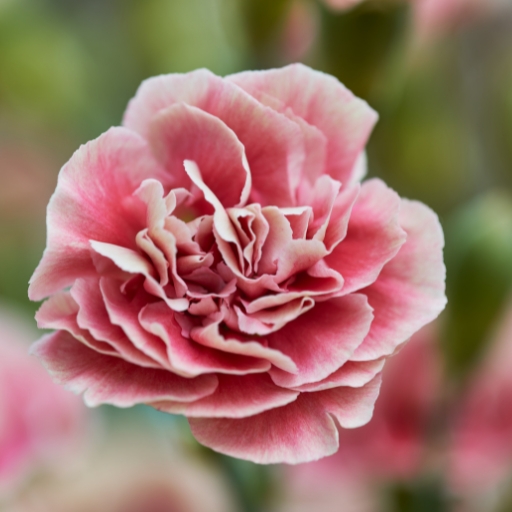
Scientific Name: Dianthus caryophyllus
Native Region: Mediterranean region
Blooming Time: Spring to summer
Flower Colors: Pink, red, white, yellow, purple
Aroma: Sweet, clove-like fragrance
Interesting Facts
- Carnations are widely used in bouquets and decorations.
- Each colour represents different meanings like love and admiration.
How to Plant / Growing Tips:
- Plant in full sun: Carnations need at least 6 hours of sunlight for strong blooms.
- Use well-drained soil: They dislike wet feet and can rot in soggy soil.
- Water moderately: Allow soil to dry slightly between watering.
- Deadhead spent blooms: Encourages more flowers throughout the season.
2. Chrysanthemum
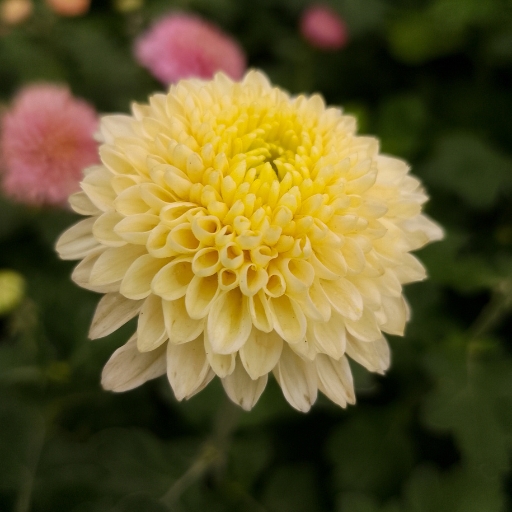
Scientific Name: Chrysanthemum spp.
Native Region: Asia and northeastern Europe
Blooming Time: Autumn
Flower Colors: Yellow, white, red, pink, orange
Aroma: Mild herbal scent
Interesting Facts
- Known as “mums,” they are popular during festivals.
- They are widely used in decor and garlands in India.
How to Plant / Growing Tips:
- Plant in full sun: More sunlight leads to fuller plants and more blooms.
- Pinch back early growth: This creates bushier plants.
- Use fertile, well-drained soil: Supports healthy flowering.
- Water consistently: Keep soil evenly moist.
3. Cosmos
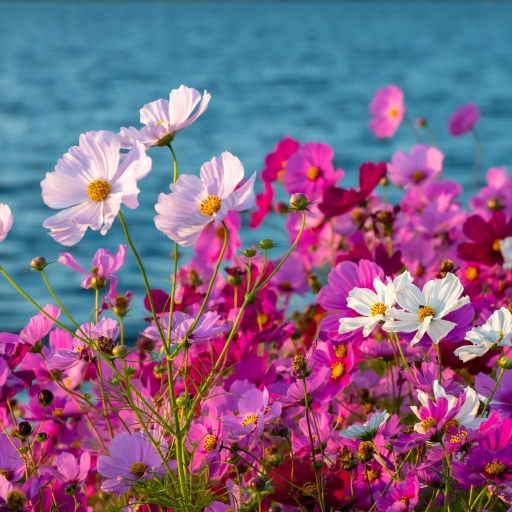
Scientific Name: Cosmos bipinnatus
Native Region: Mexico
Blooming Time: Summer to fall
Flower Colors: Pink, white, purple, orange
Aroma: Very light fragrance
Interesting Facts
- Cosmos flowers are very easy to grow from seeds.
- They attract butterflies and bees.
How to Plant / Growing Tips:
- Sow seeds directly outdoors: Cosmos germinate quickly in warm soil.
- Choose full sun: Essential for abundant blooms.
- Use poor to average soil: Rich soil reduces flowering.
- Water sparingly: They tolerate drought once established.
4. Calendula (Pot Marigold)
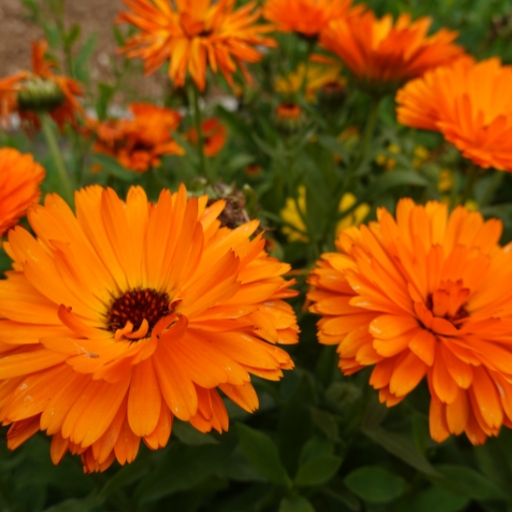
Scientific Name: Calendula officinalis
Native Region: Southern Europe
Blooming Time: Winter to spring
Flower Colors: Orange, yellow
Aroma: Mild herbal scent
Interesting Facts
- Calendula petals are edible and used in herbal products.
- It is often used for skin healing remedies.
How to Plant / Growing Tips:
- Sow seeds directly: Easy to grow from seed.
- Plant in full sun: Encourages blooming.
- Use well-drained soil: Prevents root rot.
- Deadhead regularly: Promotes continuous flowers.
5. Camellia
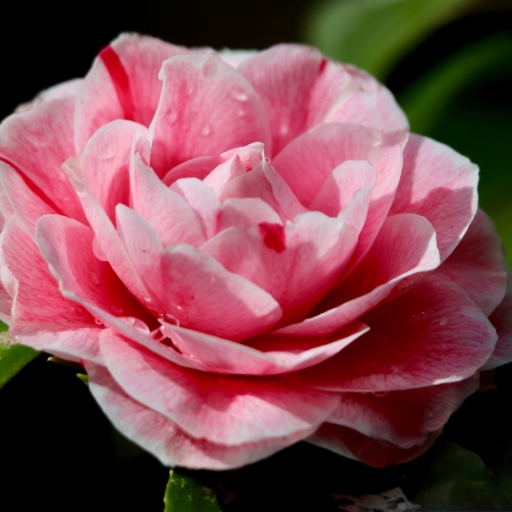
Scientific Name: Camellia japonica
Native Region: East Asia
Blooming Time: Winter to early spring
Flower Colors: Red, pink, white
Aroma: Usually mild or no fragrance
Interesting Facts
- Camellias produce perfect rose-like flowers.
- They are long-living plants that can last for decades.
How to Plant / Growing Tips:
- Plant in partial shade: Protect from harsh afternoon sun.
- Use acidic soil: Similar to azaleas.
- Mulch well: Helps retain moisture.
- Water deeply: Especially during dry periods.
6. Canna Lily
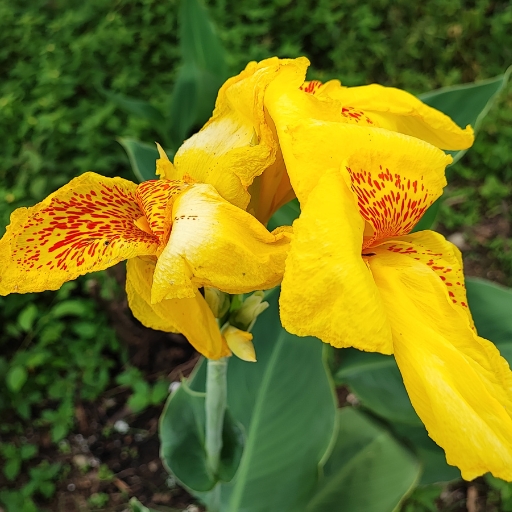
Scientific Name: Canna indica
Native Region: Tropical Americas
Blooming Time: Summer
Flower Colors: Red, orange, yellow, pink
Aroma: Mild fragrance
Interesting Facts
- Known for large tropical leaves and bold flowers.
- Commonly used in landscape gardens and parks.
How to Plant / Growing Tips:
- Plant rhizomes in spring: After frost danger passes.
- Choose full sun: Essential for vibrant growth.
- Use rich, moist soil: Cannas love nutrients.
- Water frequently: Keep soil consistently moist.
7. Columbine
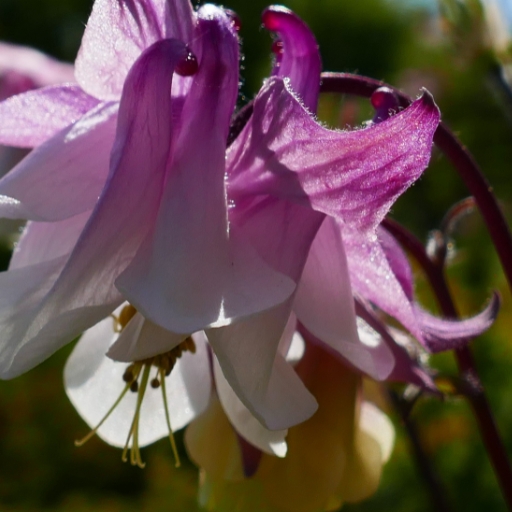
Scientific Name: Aquilegia spp.
Native Region: Northern Hemisphere
Blooming Time: Spring
Flower Colors: Blue, purple, red, yellow, white
Aroma: Mild fragrance
Interesting Facts
- Flowers have a unique star shape with spurs.
- Attracts pollinators like bees and birds.
How to Plant / Growing Tips:
- Plant in partial shade: Especially in warm climates.
- Use well-drained soil: Prevents crown rot.
- Allow self-seeding: Natural spreading adds charm.
- Water regularly: Keep soil evenly moist.
8. Coreopsis
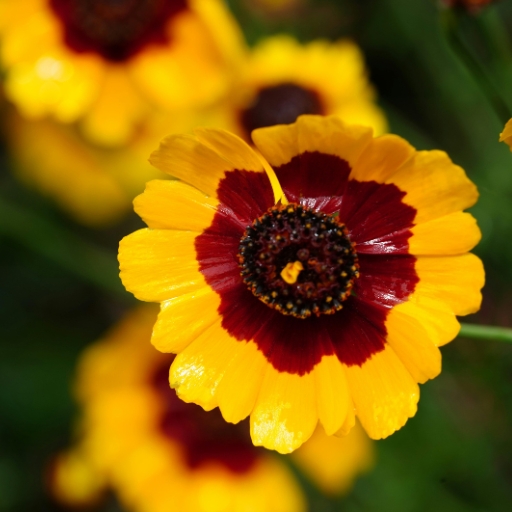
Scientific Name: Coreopsis spp.
Native Region: North America
Blooming Time: Summer to fall
Flower Colors: Yellow, orange, red
Aroma: Mild fragrance
Interesting Facts
- Known as “tickseed” due to its seed shape.
- It blooms for a long period with minimal care.
How to Plant / Growing Tips:
- Plant in full sun: Essential for continuous blooms.
- Use well-drained soil: Prevents root issues.
- Deadhead flowers: Encourages longer blooming.
- Water moderately: Drought-tolerant once established.
9. Cyclamen
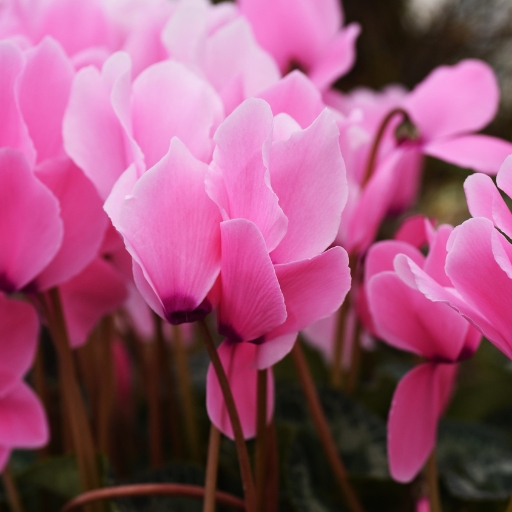
Scientific Name: Cyclamen persicum
Native Region: Mediterranean region
Blooming Time: Winter
Flower Colors: Pink, white, red, purple
Aroma: Light pleasant fragrance
Interesting Facts
- Cyclamen is a popular indoor winter plant.
- Flowers have unique upward-curving petals.
How to Plant / Growing Tips:
- Grow in cool temperatures: Prefers cooler indoor conditions.
- Use well-drained soil: Prevents tuber rot.
- Water from below: Avoid wetting leaves.
- Allow dormancy: Reduce watering after blooming.
10. Cleome (Spider Flower)
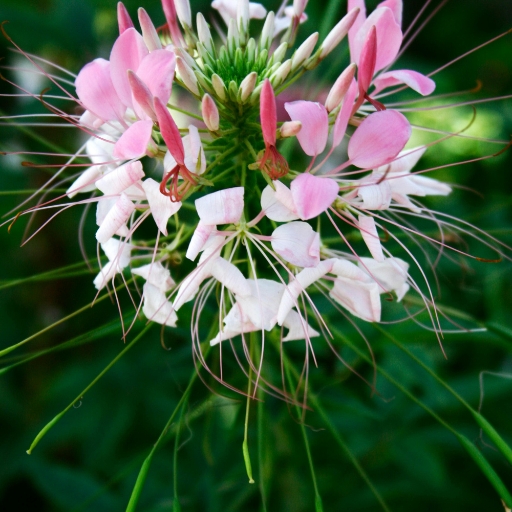
Scientific Name: Cleome hassleriana
Native Region: South America
Blooming Time: Summer to fall
Flower Colors: Pink, purple, white
Aroma: Slight musky scent
Interesting Facts
- The flower has a spider-like appearance.
- Attracts pollinators and beneficial insects.
How to Plant / Growing Tips
- Grow in full sun.
- Use well-drained soil.
- Water moderately once established.
- Allow enough spacing as plants can grow tall.
- Seeds can self-sow for next season.
11. Candytuft
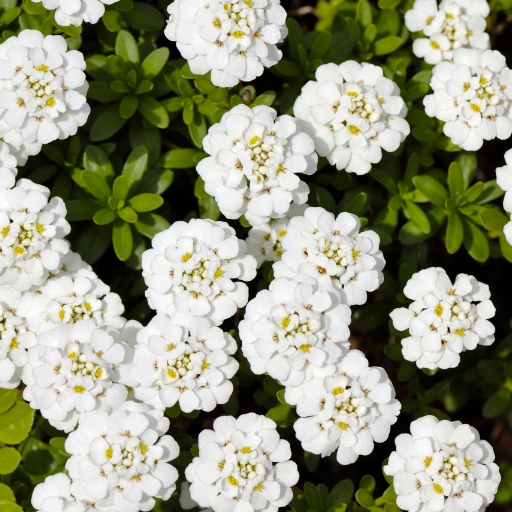
Scientific Name: Iberis sempervirens
Native Region: Southern Europe
Blooming Time: Spring
Flower Colors: White, pink, purple
Aroma: Light sweet fragrance
Interesting Facts
- Often used as a ground cover plant.
- Produces dense clusters of flowers.
How to Plant / Growing Tips:
- Plant in full sun: Encourages dense growth.
- Use well-drained soil: Essential for root health.
- Trim after flowering: Keeps plants compact.
- Water moderately: Avoid overwatering.
12. Chinese Hibiscus
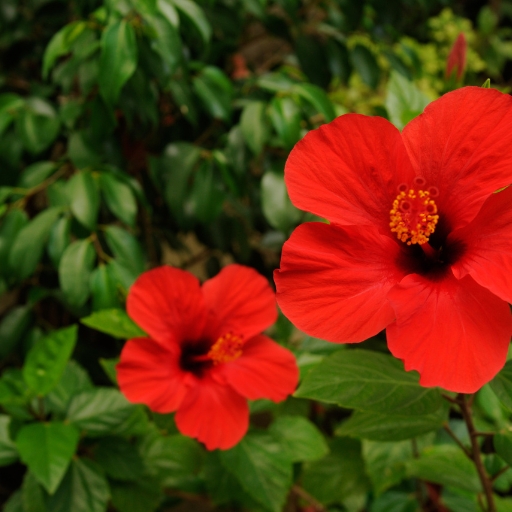
Scientific Name: Hibiscus rosa-sinensis
Native Region: East Asia
Blooming Time: Year-round in warm climates
Flower Colors: Red, yellow, pink, orange, white
Aroma: Usually fragrance-free
Interesting Facts
- Widely used in Indian homes and gardens.
- Flowers are used in traditional practices and decorations.
How to Plant / Growing Tips
- Grow in full sunlight for maximum blooms.
- Use rich, well-drained soil with compost.
- Water regularly, especially in summer.
- Prune frequently to encourage branching.
- Apply fertiliser every 2–3 weeks.
13. Crown Imperial
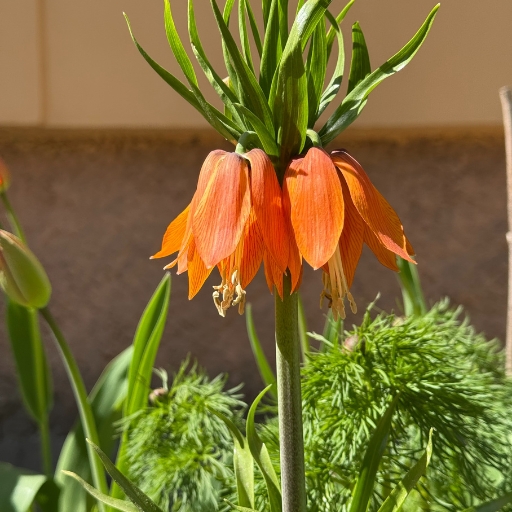
Scientific Name: Fritillaria imperialis
Native Region: Middle East and Asia
Blooming Time: Spring
Flower Colors: Orange, red, yellow
Aroma: Slightly strong scent
Interesting Facts
- Flowers hang like royal crowns.
- Helps repel pests like rodents.
How to Plant / Growing Tips:
- Plant bulbs in fall: Allows early spring blooms.
- Choose full sun: Promotes tall growth.
- Use well-drained soil: Prevents bulb rot.
- Plant bulbs on their side: Helps avoid water collecting on them.
14. Clarkia
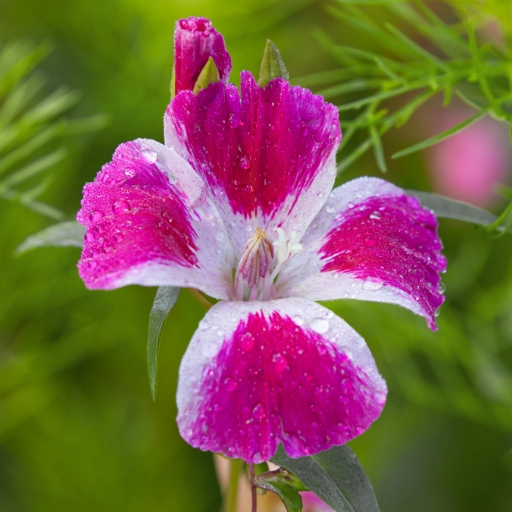
Scientific Name: Clarkia amoena
Native Region: North America
Blooming Time: Late spring to summer
Flower Colors: Pink, purple, white
Aroma: Mild fragrance
Interesting Facts
- Also called “farewell-to-spring.”
- Produces delicate, papery flowers.
How to Plant / Growing Tips:
- Sow seeds directly outdoors: Germinates best in cool soil.
- Choose full sun: Promotes flowering.
- Use well-drained soil: Avoid soggy conditions.
- Thin seedlings: Prevent overcrowding.
15. Cockscomb
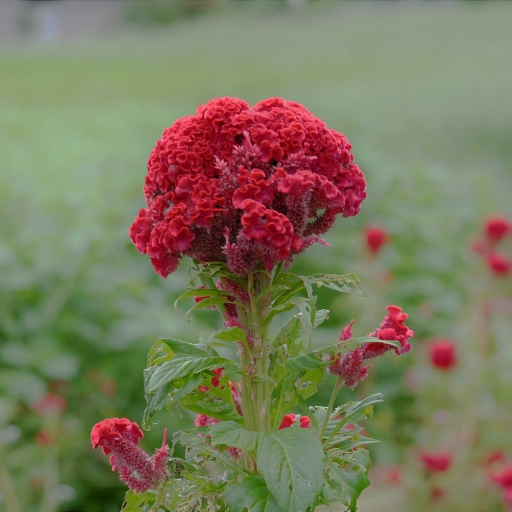
Scientific Name: Celosia cristata
Native Region: Africa and Asia
Blooming Time: Summer to fall
Flower Colors: Red, yellow, orange, pink
Aroma: Very mild fragrance
Interesting Facts
- The flower resembles a rooster’s comb.
- Commonly used in decorative garden displays.
How to Plant / Growing Tips:
- Plant in full sun: Ensures vibrant blooms.
- Use well-drained soil: Prevents root issues.
- Water regularly: Keep soil evenly moist.
- Avoid cold: Sensitive to frost.
16. Crocus
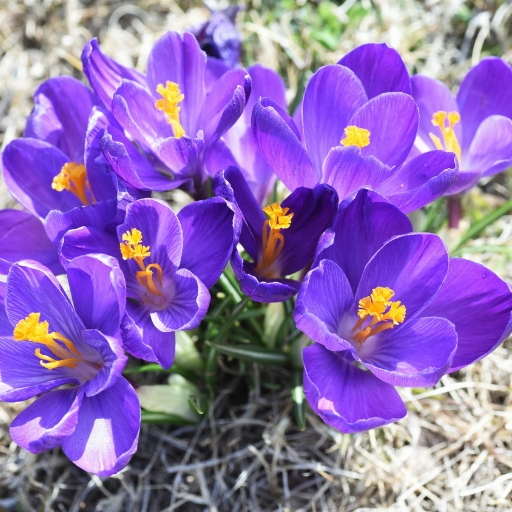
Scientific Name: Crocus spp.
Native Region: Europe, Asia
Blooming Time: Early spring or fall
Flower Colors: Purple, yellow, white
Aroma: Light
Interesting Facts:
- One of the first flowers to bloom after winter.
- Source of saffron (Crocus sativus).
How to Plant / Growing Tips:
- Plant bulbs in fall: Allows early spring blooms.
- Choose full sun to partial shade: Works well under trees.
- Use well-drained soil: Prevents bulb rot.
- Leave foliage after blooming: Helps recharge bulbs for next year
17. Coneflower
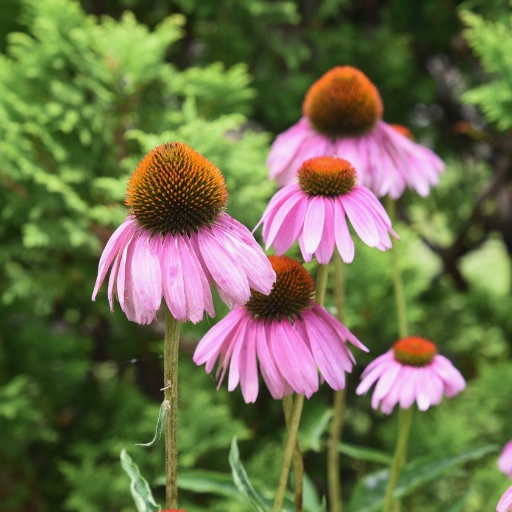
Scientific Name: Echinacea spp.
Native Region: North America
Blooming Time: Summer
Flower Colors: Purple, pink, white, orange
Aroma: Mild
Interesting Facts:
- Known for medicinal properties.
- Attracts bees and butterflies.
How to Plant / Growing Tips:
- Plant in full sun: Ensures strong growth and flowering.
- Use well-drained soil: Prevents root problems.
- Water during establishment: Mature plants are drought-tolerant.
- Leave seed heads: Birds enjoy them in fall.
18. Clematis
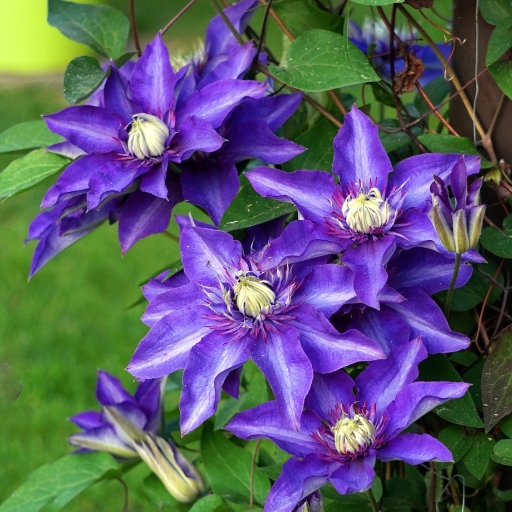
Scientific Name: Clematis spp.
Native Region: Europe, Asia
Blooming Time: Spring to fall (varies by type)
Flower Colors: Purple, pink, white, blue
Aroma: Some varieties fragrant
Interesting Facts:
- A climbing vine perfect for trellises.
- Known as the “queen of climbers.”
How to Plant / Growing Tips:
- Plant roots in shade, tops in sun: Keep base cool and vines sunny.
- Use rich, well-drained soil: Supports vigorous growth.
- Provide support: Trellises or fences are essential.
- Prune based on type: Different varieties need different pruning.
19. Celandine
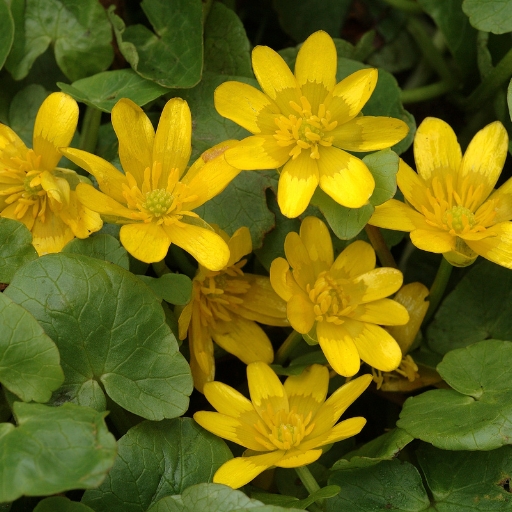
Scientific Name: Chelidonium majus
Native Region: Europe, Asia
Blooming Time: Spring to summer
Flower Colors: Yellow
Aroma: Mild
Interesting Facts:
- Known for bright yellow sap.
- Can spread easily in gardens.
How to Plant / Growing Tips:
- Plant in partial shade: Prefers woodland conditions.
- Use moist soil: Helps steady growth.
- Control spread: Can become invasive.
- Water regularly: Keep soil damp.
20. Chinese Lantern
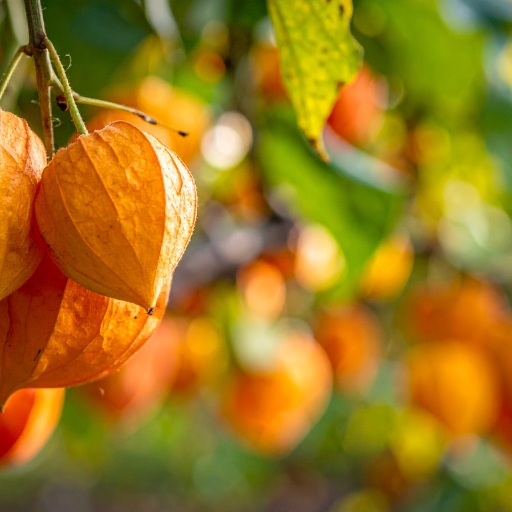
Scientific Name: Physalis alkekengi
Native Region: Asia
Blooming Time: Summer (ornamental pods in fall)
Flower Colors: White (flowers), orange (pods)
Aroma: Mild
Interesting Facts:
- Known for bright orange lantern-like pods.
- Often used in dried arrangements.
How to Plant / Growing Tips:
- Plant in full sun to partial shade: Adaptable to light conditions.
- Use well-drained soil: Prevents root issues.
- Control spread: Can become invasive.
- Water regularly: Especially during growth.
Final Thoughts
“C” flowers offer incredible variety—from easy growers like Cosmos and Coreopsis to statement plants like Canna Lily and Clematis.
If you’re just starting out, I’d recommend Calendula, Cosmos, or Coneflower—they’re reliable, low-maintenance, and bring instant color to your garden.