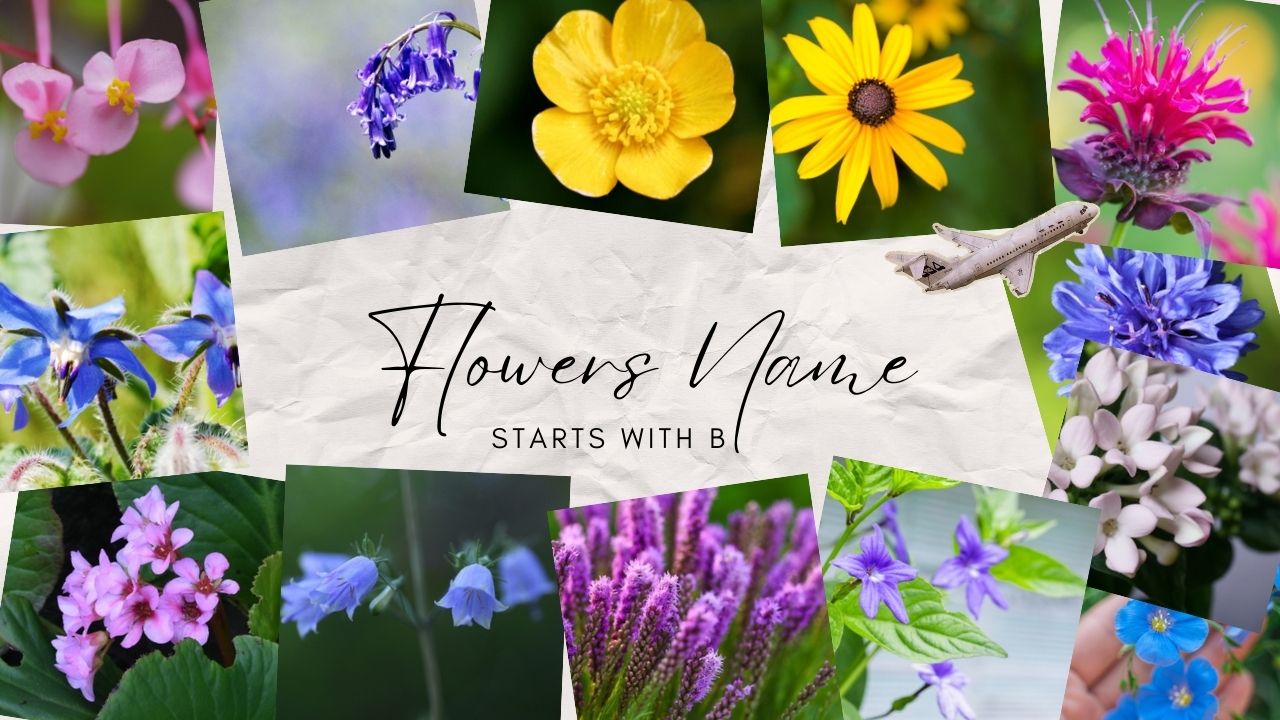
Today we’re back with another article in our flowerpedia series—and this time, our spotlight is on the letter B.
If you’re looking for flowers that start with the letter B, you’re in for a treat. From eye-catching garden favorites to delicate, lesser-known blooms, there’s a surprisingly wide variety to explore.
In this guide, we’ve put together a carefully curated list of real “B” flowers, along with simple growing tips and practical details. Whether you’re planning a garden, decorating your home, or just love learning about flowers, this list will help you discover some beautiful options to get started.
List of Flowers That Start With the Letter B
1. Begonia
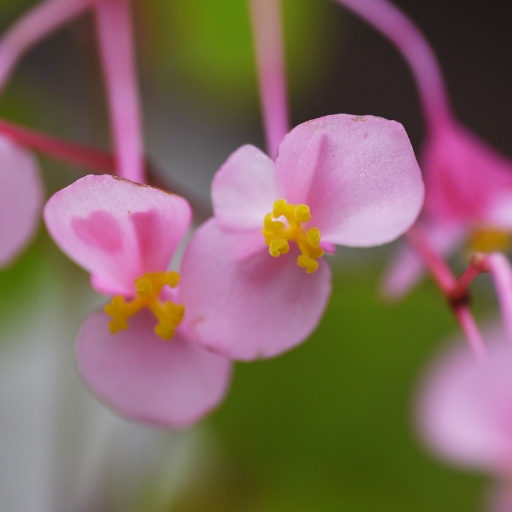
Scientific Name: Begonia spp.
Native Region: South America, Central America, Africa, and Asia
Blooming Time: Late spring to fall
Flower Colors: Red, pink, white, orange, yellow
Aroma: Usually fragrance-free
Interesting Facts
- Begonias are popular for both their colourful flowers and decorative leaves.
- There are over 1,800 species of begonias worldwide.
How to Plant / Growing Tips:
- Choose filtered light: Begonias prefer bright, indirect sunlight—too much direct sun can scorch leaves.
- Use well-draining soil: A light potting mix prevents root rot, which begonias are prone to.
- Water carefully: Allow the top inch of soil to dry before watering again.
- Avoid wet leaves: Water at the base to reduce fungal issues.
2. Bluebell
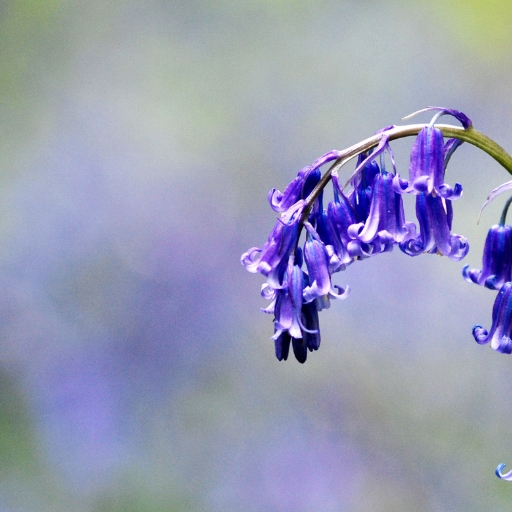
Scientific Name: Hyacinthoides non-scripta
Native Region: Western Europe
Blooming Time: Mid to late spring
Flower Colors: Blue, purple, pink, white
Aroma: Sweet, delicate fragrance
Interesting Facts
- Bluebells often create beautiful carpet-like displays in forests.
- They are an important nectar source for bees.
How to Plant / Growing Tips:
- Plant bulbs in fall: This allows roots to establish before spring blooms.
- Choose partial shade: Ideal under trees or woodland gardens.
- Keep soil moist: Especially during growth and blooming.
- Leave bulbs undisturbed: They naturalize and spread over time.
3. Buttercup
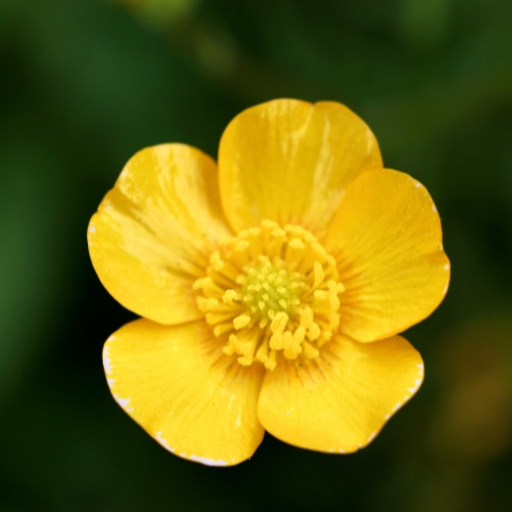
Scientific Name: Ranunculus spp.
Native Region: Europe, Asia, and North America
Blooming Time: Spring to early summer
Flower Colors: Bright yellow, white, pink, red
Aroma: Very mild fragrance
Interesting Facts
- Buttercups are known for their glossy, shiny petals.
- The name comes from the belief that the flowers made butter richer in colour.
How to Plant / Growing Tips:
- Plant in full sun: Helps produce bright, abundant blooms.
- Use moist, well-drained soil: Buttercups prefer consistent moisture.
- Avoid overcrowding: Space plants to reduce disease risk.
- Water regularly: Keep soil evenly moist during growth.
4. Black-eyed Susan
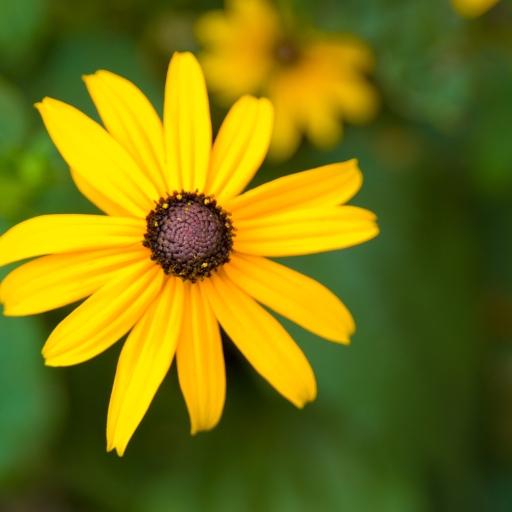
Scientific Name: Rudbeckia hirta
Native Region: North America
Blooming Time: Summer to early fall
Flower Colors: Yellow petals with dark brown centers
Aroma: Mild earthy scent
Interesting Facts
- Black-eyed Susans are popular wildflowers and garden perennials.
- They attract butterflies, bees, and other pollinators.
How to Plant / Growing Tips:
- Plant in full sun: Ensures strong stems and vibrant blooms.
- Use average soil: This plant tolerates poor soil conditions well.
- Water moderately: Once established, it’s drought-tolerant.
- Deadhead blooms: Encourages continuous flowering.
5. Balloon Flower
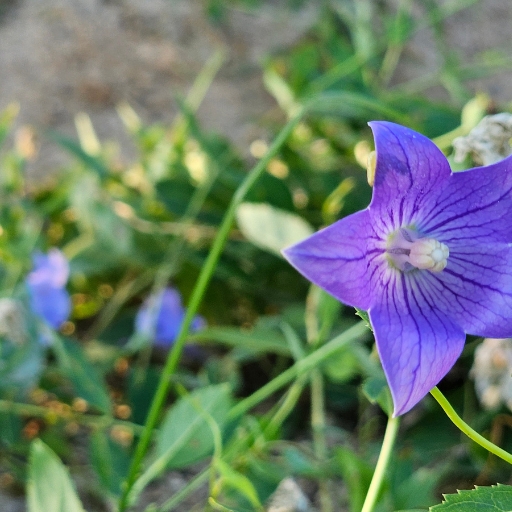
Scientific Name: Platycodon grandiflorus
Native Region: East Asia
Blooming Time: Summer
Flower Colors: Blue, purple, white, pink
Aroma: Very light fragrance
Interesting Facts
- The buds look like tiny balloons before they open.
- It is often used in traditional Asian herbal medicine.
How to Plant / Growing Tips:
- Plant in full sun to partial shade: Provides flexibility in garden placement.
- Use well-drained soil: Prevents root rot.
- Avoid transplanting: Deep roots don’t like disturbance.
- Water regularly: Especially in the first growing season.
6. Bee Balm
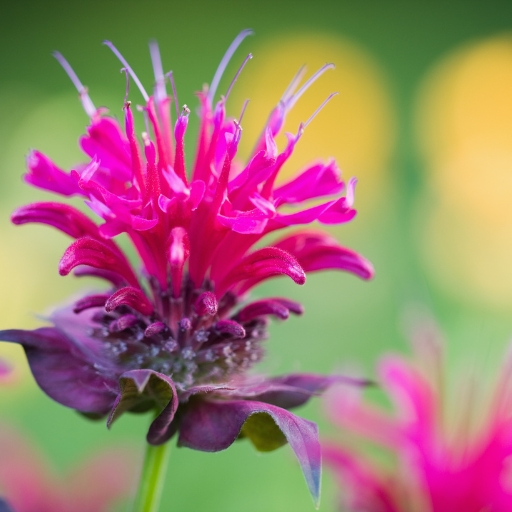
Scientific Name: Monarda spp.
Native Region: North America
Blooming Time: Summer
Flower Colors: Red, pink, purple, white
Aroma: Strong minty fragrance
Interesting Facts
- Bee balm attracts bees, butterflies, and hummingbirds.
- The leaves are sometimes used to make herbal tea.
How to Plant / Growing Tips:
- Plant in full sun to partial shade: More sun equals more blooms.
- Provide good airflow: Helps prevent powdery mildew.
- Water regularly: Prefers moist soil.
- Divide plants every few years: Keeps them healthy and controlled.
7. Borage
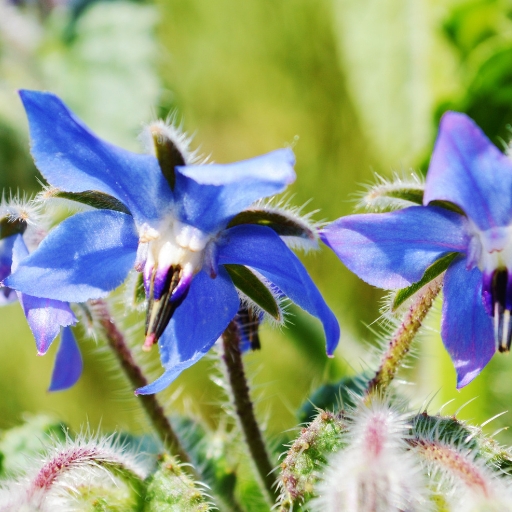
Scientific Name: Borago officinalis
Native Region: Mediterranean region
Blooming Time: Late spring to early fall
Flower Colors: Blue, pink
Aroma: Mild cucumber-like scent
Interesting Facts
- Borage flowers are edible and used in salads.
- The plant is known to attract pollinators to gardens.
How to Plant / Growing Tips:
- Sow seeds directly: Borage doesn’t transplant well.
- Choose full sun: Ensures strong growth.
- Use well-drained soil: Prevents root rot.
- Allow self-seeding: It will return each year with minimal effort.
8. Bachelor’s Button (Cornflower)
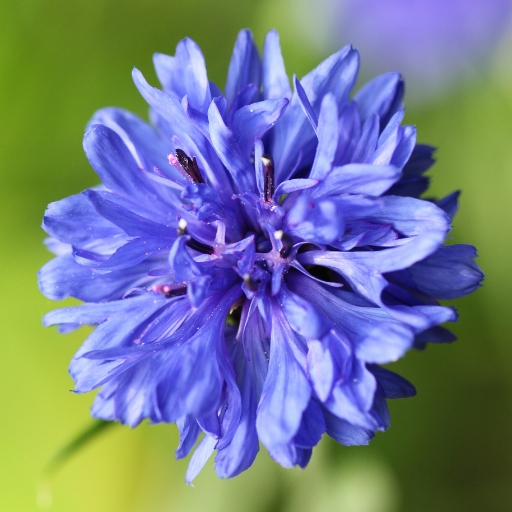
Scientific Name: Centaurea cyanus
Native Region: Europe
Blooming Time: Late spring to summer
Flower Colors: Blue, pink, purple, white
Aroma: Light, sweet scent
Interesting Facts
- Cornflowers were once commonly found in wheat fields.
- They are often used in dried flower arrangements.
How to Plant / Growing Tips:
- Sow seeds directly outdoors: They germinate easily in garden beds.
- Choose full sun: Promotes strong flowering.
- Use well-drained soil: Prevents root problems.
- Deadhead regularly: Keeps blooms coming longer.
9. Bergenia
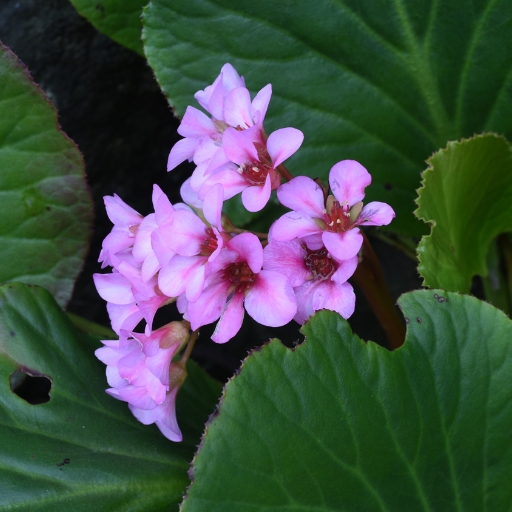
Scientific Name: Bergenia cordifolia
Native Region: Central Asia
Blooming Time: Early spring
Flower Colors: Pink, red, white
Aroma: Mild fragrance
Interesting Facts
- Bergenia is sometimes called “elephant’s ears” because of its large leaves.
- The plant is valued for both flowers and evergreen foliage.
How to Plant / Growing Tips
- Grow in partial shade.
- Use moist but well-drained soil.
- Divide clumps every few years to maintain growth.
10. Bellflower
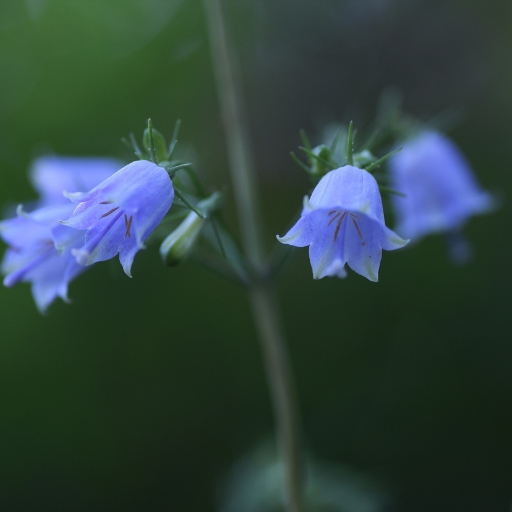
Scientific Name: Campanula spp.
Native Region: Europe and Asia
Blooming Time: Late spring to summer
Flower Colors: Blue, purple, pink, white
Aroma: Mild fragrance
Interesting Facts
- Bellflowers get their name from their bell-shaped blossoms.
- There are over 300 species in the Campanula family.
How to Plant / Growing Tips:
- Plant in full sun or partial shade: Adaptable to different light levels.
- Use fertile, well-drained soil: Encourages lush growth.
- Water regularly: Especially during dry spells.
- Cut back after flowering: Promotes new blooms.
11. Blazing Star
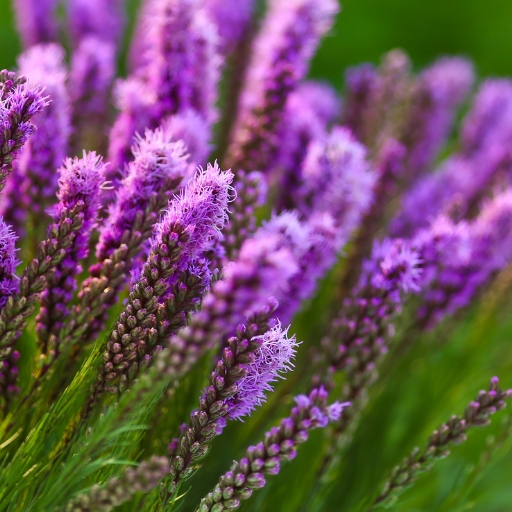
Scientific Name: Liatris spicata
Native Region: North America
Blooming Time: Summer to early fall
Flower Colors: Purple, pink, white
Aroma: Mild fragrance
Interesting Facts
- Blazing star flowers bloom from the top of the spike downward, which is unusual.
- They attract butterflies and pollinators.
How to Plant / Growing Tips
- Plant bulbs in full sun.
- Use well-drained soil.
- Water regularly until established.
12. Browallia
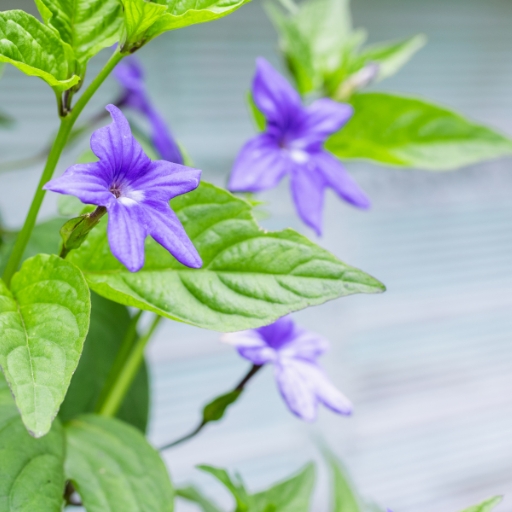
Scientific Name: Browallia speciosa
Native Region: South America
Blooming Time: Summer to fall
Flower Colors: Blue, purple, white
Aroma: Very light fragrance
Interesting Facts
- Browallia is often grown as a shade-loving bedding plant.
- It produces star-shaped flowers.
How to Plant / Growing Tips:
- Plant in partial shade: Ideal for low-light areas.
- Use moist, well-drained soil: Keeps plants healthy.
- Water regularly: Avoid letting soil dry out.
- Pinch back growth: Encourages bushier plants.
13. Bouvardia
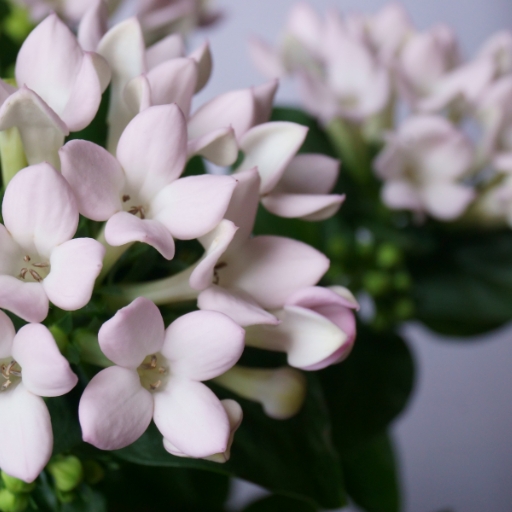
Scientific Name: Bouvardia spp.
Native Region: Mexico and Central America
Blooming Time: Summer to fall
Flower Colors: Red, pink, white, orange
Aroma: Light sweet fragrance
Interesting Facts
- Bouvardia is popular in cut flower bouquets.
- It symbolizes enthusiasm and passion.
How to Plant / Growing Tips
- Grow in full sun or light shade.
- Use rich, well-drained soil.
- Water moderately and prune to encourage new growth.
14. Blue Flax
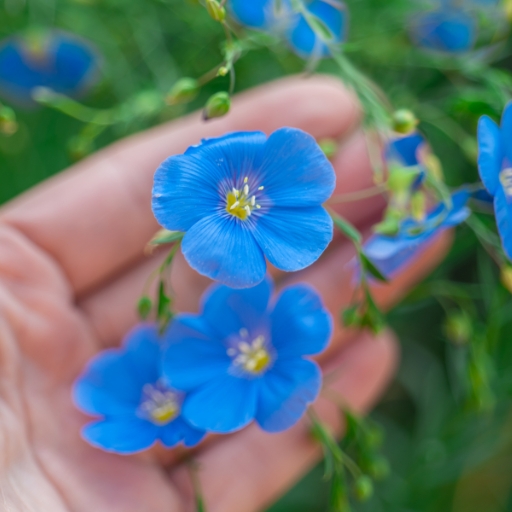
Scientific Name: Linum perenne
Native Region: Europe
Blooming Time: Late spring to summer
Flower Colors: Sky blue
Aroma: Very mild fragrance
Interesting Facts
- Each flower blooms only for one day, but new ones open daily.
- Blue flax is often used in wildflower gardens.
How to Plant / Growing Tips:
- Sow seeds directly outdoors: Easy to establish.
- Choose full sun: Essential for flowering.
- Use well-drained soil: Prevents root issues.
- Water lightly: Avoid overwatering.
15. Bottlebrush Flower
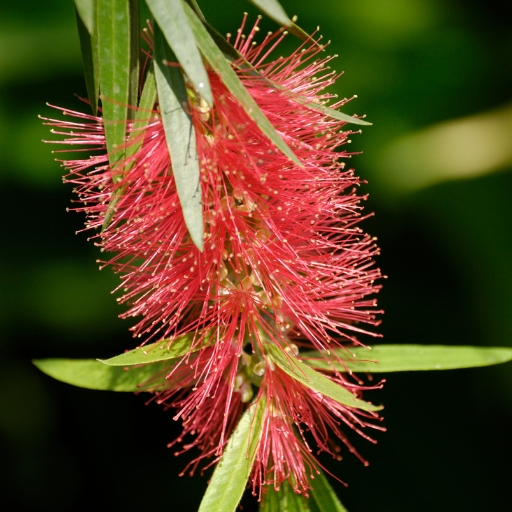
Scientific Name: Callistemon citrinus
Native Region: Australia
Blooming Time: Spring to summer
Flower Colors: Bright red, pink
Aroma: Light citrus scent from the leaves
Interesting Facts
- The flowers look like brushes used to clean bottles.
- The plant attracts birds and pollinators.
How to Plant / Growing Tips
- Grow in full sunlight.
- Use well-drained soil.
- Prune lightly after flowering to maintain shape.
16. Blanket Flower
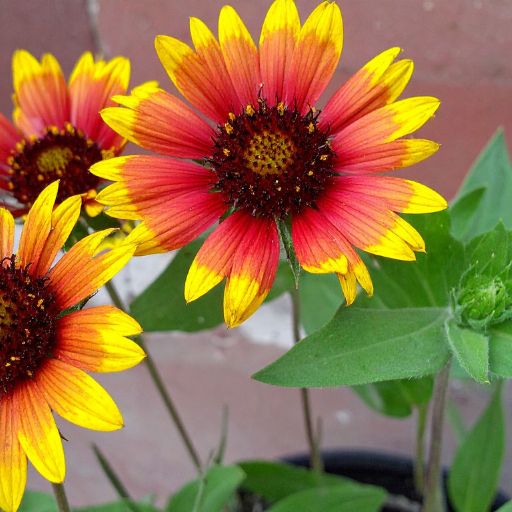
Scientific Name: Gaillardia spp.
Native Region: North and South America
Blooming Time: Summer to fall
Flower Colors: Red, orange, yellow
Aroma: Mild
Interesting Facts:
- Named for its warm, “blanket-like” colors.
- Highly drought-tolerant.
How to Plant / Growing Tips:
- Plant in full sun: Essential for continuous blooming.
- Use sandy, well-drained soil: Avoid heavy, wet soils.
- Water sparingly: Too much water can weaken plants.
- Deadhead flowers: Encourages more blooms.
17. Brugmansia (Angel’s Trumpet)
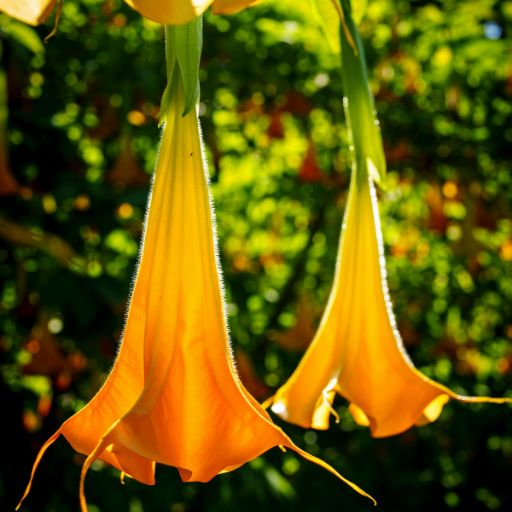
Scientific Name: Brugmansia spp.
Native Region: South America
Blooming Time: Summer to fall
Flower Colors: White, yellow, pink, orange
Aroma: Strong, sweet (especially at night)
Interesting Facts:
- Highly fragrant evening bloomer.
- Toxic if ingested.
How to Plant / Growing Tips:
- Plant in full sun: Encourages abundant blooms.
- Use rich, well-drained soil: Supports rapid growth.
- Water frequently: These plants are heavy drinkers.
- Protect from frost: Bring indoors in colder climates.
18. Baptisia (False Indigo)
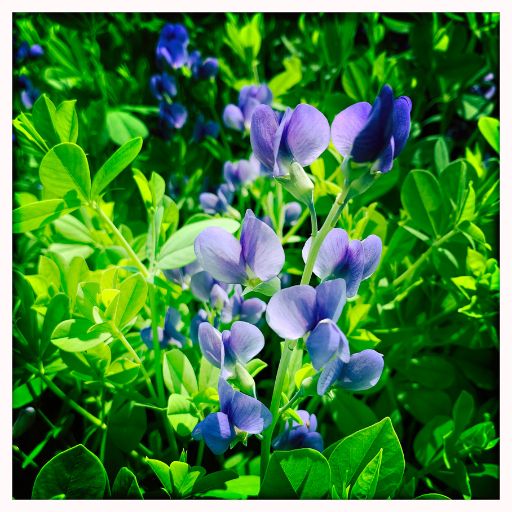
Scientific Name: Baptisia spp.
Native Region: North America
Blooming Time: Late spring
Flower Colors: Blue, yellow, white
Aroma: Mild
Interesting Facts:
- Native plant with deep roots.
- Produces decorative seed pods.
How to Plant / Growing Tips:
- Plant in full sun: Encourages strong flowering.
- Use well-drained soil: Prevents root issues.
- Avoid moving plants: Deep roots make transplanting difficult.
- Water during establishment: Once mature, it’s drought-tolerant.
19. Blue Star (Amsonia)
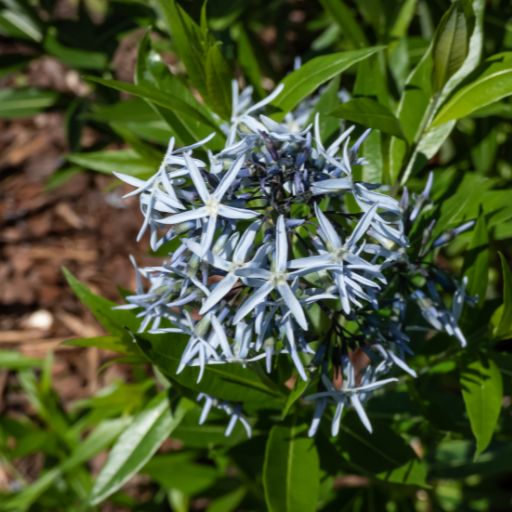
Scientific Name: Amsonia spp.
Native Region: North America
Blooming Time: Spring
Flower Colors: Pale blue
Aroma: Mild
Interesting Facts:
- Turns golden-yellow in fall.
- Low-maintenance perennial.
How to Plant / Growing Tips:
- Plant in full sun to partial shade: More sun enhances fall color.
- Use well-drained soil: Prevents root issues.
- Water regularly at first: Helps establish roots.
- Minimal maintenance needed: Great for beginners.
20. Blue Vervain
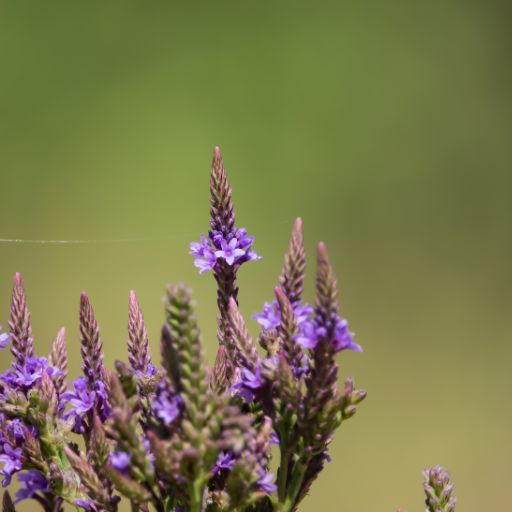
Scientific Name: Verbena hastata
Native Region: North America
Blooming Time: Summer
Flower Colors: Purple-blue
Aroma: Mild
Interesting Facts:
- Native wildflower that supports pollinators.
- Often found near wetlands.
How to Plant / Growing Tips:
- Plant in full sun: Encourages tall, strong growth.
- Use moist soil: Thrives in damp conditions.
- Water regularly: Especially during dry spells.
- Allow natural spreading: Great for naturalized gardens.
Final Thoughts
From bold garden staples like Black-eyed Susan and Begonia to unique picks like Baptisia and Blue Mist Flower, “B” flowers offer a wide range of colors, textures, and growing styles.
If you’re just getting started, I’d recommend trying Bachelor’s Button, Blanket Flower, or Bee Balm—they’re easy, rewarding, and pollinator-friendly.
If you want, I can also help you pick the best “B” flowers for your specific USDA zone or garden style.