Some letters in the gardening world open the door to an especially charming collection of plants, and the letter W is one of them. From elegant ornamental blooms to cheerful wildflowers, W-flowers bring color, fragrance, and natural beauty to gardens of all kinds.
Below is a carefully curated list of 20 real flowers that begin with “W”, each with key characteristics and beginner-friendly planting tips to help gardeners grow them successfully.
1. Water Lily
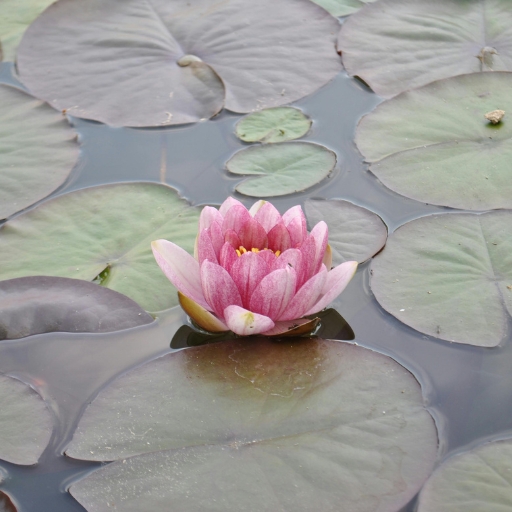
Scientific Name: Nymphaea spp.
Native Region: Worldwide
Blooming Time: Late spring to early fall
Flower Colors: White, pink, yellow, blue, purple
Aroma: Light, sweet fragrance
Interesting Facts:
- One of the most iconic aquatic flowers
- Flowers float on the surface of ponds
How to Plant / Growing Tips:
- Plant in aquatic containers
- Provide full sun
- Use heavy aquatic soil
- Keep water levels consistent
2. Wallflower
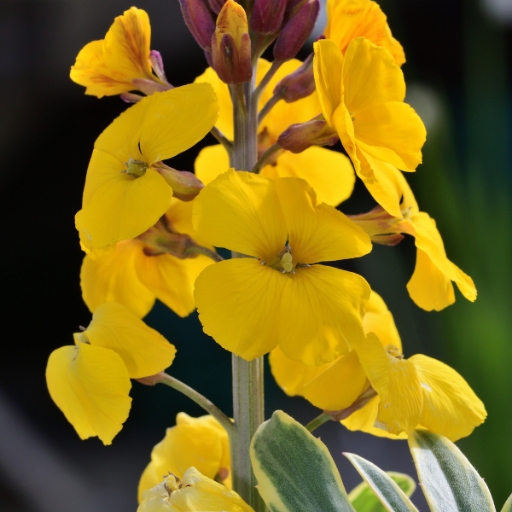
Scientific Name: Erysimum cheiri
Native Region: Europe
Blooming Time: Spring
Flower Colors: Yellow, orange, purple
Aroma: Sweet fragrance
Interesting Facts:
- Known for its rich scent
- Popular in cottage gardens
How to Plant / Growing Tips:
- Plant in full sun
- Use well-drained soil
- Water moderately
- Deadhead to extend blooming
3. Wisteria
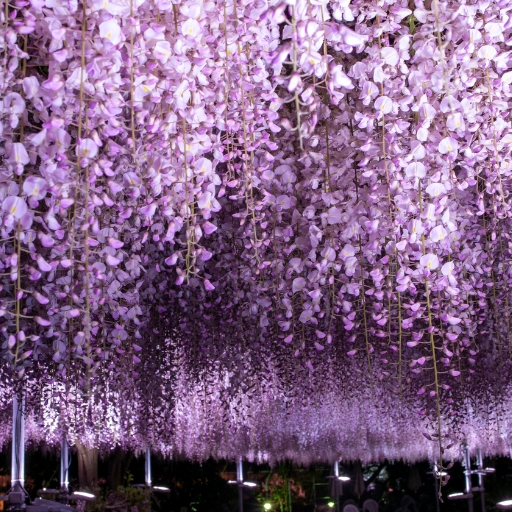
Scientific Name: Wisteria sinensis
Native Region: China, Japan
Blooming Time: Spring
Flower Colors: Purple, blue, white
Aroma: Sweet, strong fragrance
Interesting Facts:
- Famous for its cascading flower clusters
- Long-lived climbing vine
How to Plant / Growing Tips:
- Plant in full sun
- Provide strong support
- Use well-drained soil
- Prune regularly to control growth
4. Wax Flower
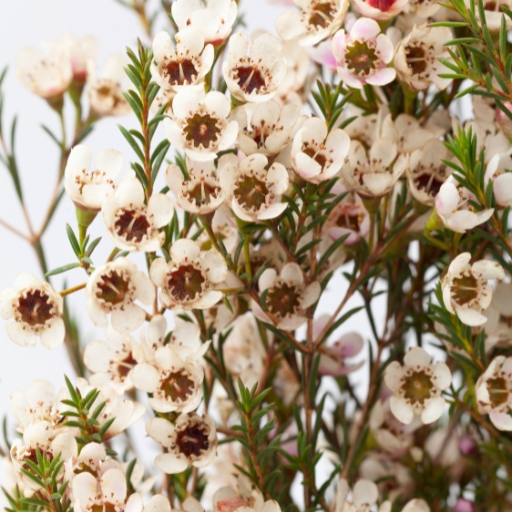
Scientific Name: Chamelaucium uncinatum
Native Region: Australia
Blooming Time: Winter to spring
Flower Colors: Pink, purple, white
Aroma: Light citrus scent
Interesting Facts:
- Popular in floral arrangements
- Flowers have waxy petals
How to Plant / Growing Tips:
- Plant in full sun
- Use sandy, well-drained soil
- Water lightly
- Drought tolerant once established
5. Windflower
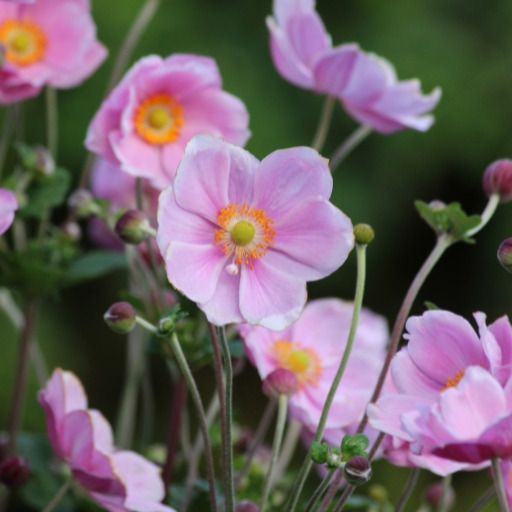
Scientific Name: Anemone spp.
Native Region: Europe, Asia
Blooming Time: Spring to fall depending on species
Flower Colors: White, pink, blue, purple
Aroma: Mild
Interesting Facts:
- Named for petals that move easily in the wind
- Symbolizes anticipation
How to Plant / Growing Tips:
- Plant in partial shade
- Use rich, well-drained soil
- Water regularly
- Mulch for moisture retention
6. Wishbone Flower
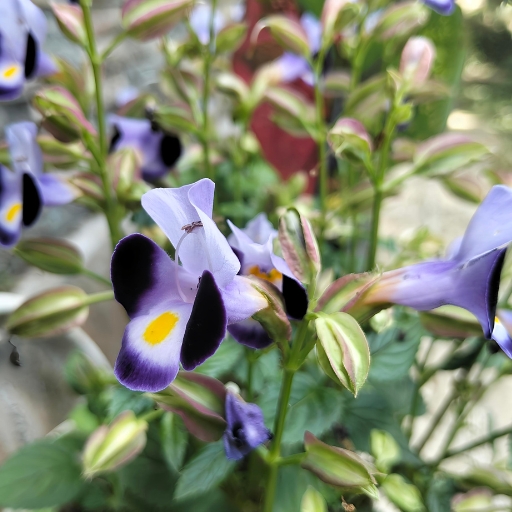
Scientific Name: Torenia fournieri
Native Region: Asia
Blooming Time: Summer
Flower Colors: Purple, blue, pink
Aroma: Mild
Interesting Facts:
- Named after its wishbone-shaped stamens
- Great for containers and hanging baskets
How to Plant / Growing Tips:
- Plant in partial shade
- Use moist, well-drained soil
- Water regularly
- Ideal for shaded gardens
7. Wild Indigo
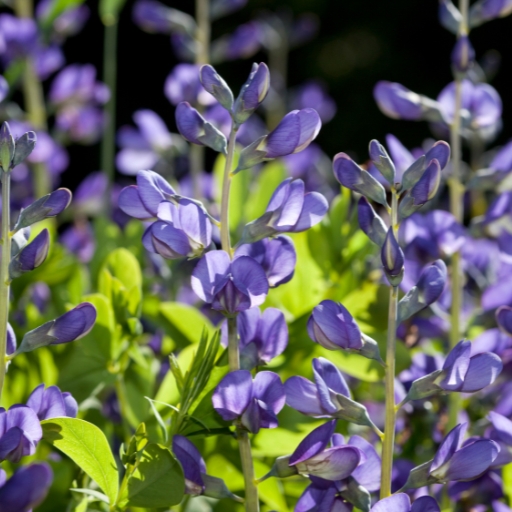
Scientific Name: Baptisia australis
Native Region: North America
Blooming Time: Late spring
Flower Colors: Blue, purple, yellow
Aroma: Mild
Interesting Facts:
- Native prairie plant
- Long-lived perennial
How to Plant / Growing Tips:
- Plant in full sun
- Use well-drained soil
- Water moderately
- Avoid transplanting once established
8. Wood Anemone
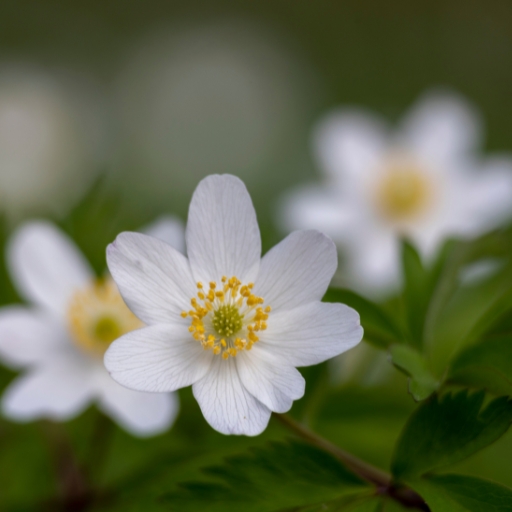
Scientific Name: Anemone nemorosa
Native Region: Europe
Blooming Time: Spring
Flower Colors: White, pink
Aroma: Mild
Interesting Facts:
- Woodland wildflower
- Forms beautiful carpets in forests
How to Plant / Growing Tips:
- Plant in partial shade
- Use moist soil
- Water regularly
- Ideal for woodland gardens
9. Wild Rose
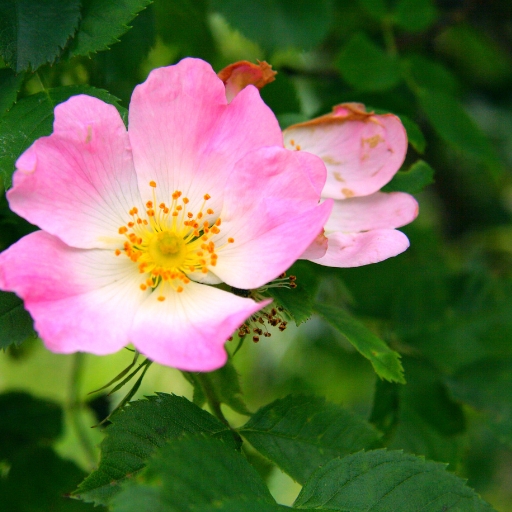
Scientific Name: Rosa spp.
Native Region: Northern Hemisphere
Blooming Time: Spring to summer
Flower Colors: Pink, white
Aroma: Sweet floral scent
Interesting Facts:
- Ancestor of modern cultivated roses
- Produces vitamin-rich rose hips
How to Plant / Growing Tips:
- Plant in full sun
- Use rich, well-drained soil
- Water deeply
- Prune annually
10. White Clover Flower
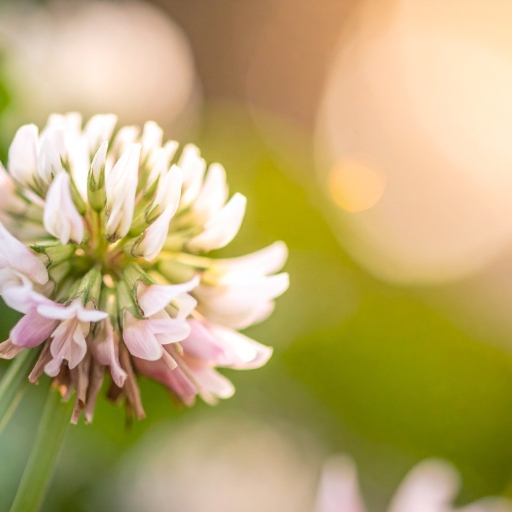
Scientific Name: Trifolium repens
Native Region: Europe
Blooming Time: Spring to summer
Flower Colors: White
Aroma: Mild sweet scent
Interesting Facts:
- Important nectar source for bees
- Often used in lawns
How to Plant / Growing Tips:
- Plant in full sun
- Use well-drained soil
- Water moderately
- Low maintenance
11. Welsh Poppy
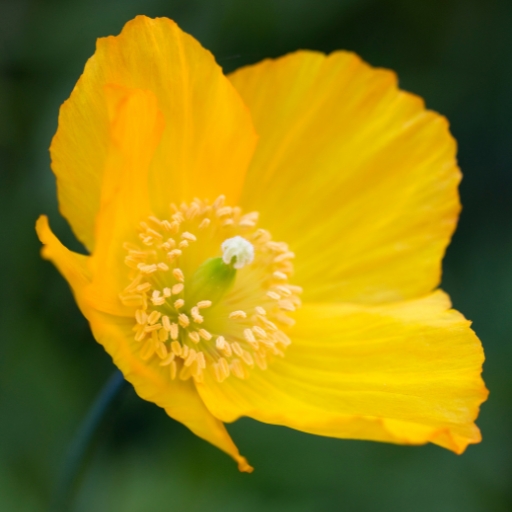
Scientific Name: Meconopsis cambrica
Native Region: Western Europe
Blooming Time: Late spring to summer
Flower Colors: Yellow, orange
Aroma: Mild
Interesting Facts:
- Thrives in shady gardens
- Self-seeds easily
How to Plant / Growing Tips:
- Plant in partial shade
- Use moist soil
- Water regularly
- Allow natural spreading
12. Western Blue Flag
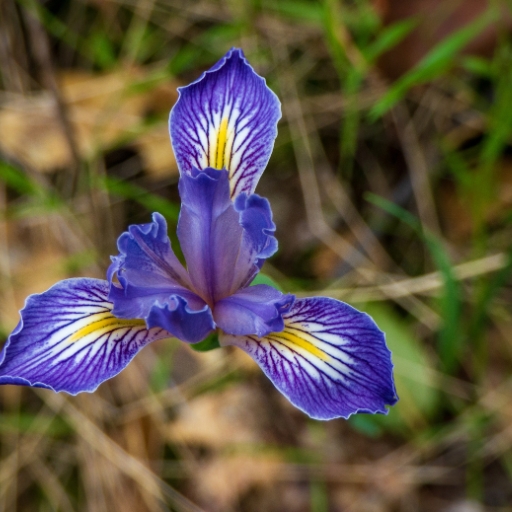
Scientific Name: Iris missouriensis
Native Region: North America
Blooming Time: Spring to early summer
Flower Colors: Blue, violet
Aroma: Mild
Interesting Facts:
- Native wild iris species
- Often grows near wetlands
How to Plant / Growing Tips:
- Plant in full sun
- Use moist soil
- Water regularly
- Ideal for rain gardens
13. White Campion
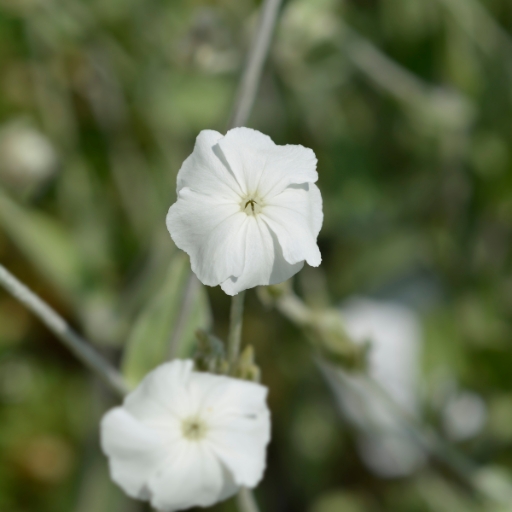
Scientific Name: Silene latifolia
Native Region: Europe
Blooming Time: Summer
Flower Colors: White
Aroma: Sweet scent at night
Interesting Facts:
- Flowers open in evening
- Attracts night pollinators
How to Plant / Growing Tips:
- Plant in full sun
- Use well-drained soil
- Water moderately
- Easy to grow from seed
14. Wild Geranium
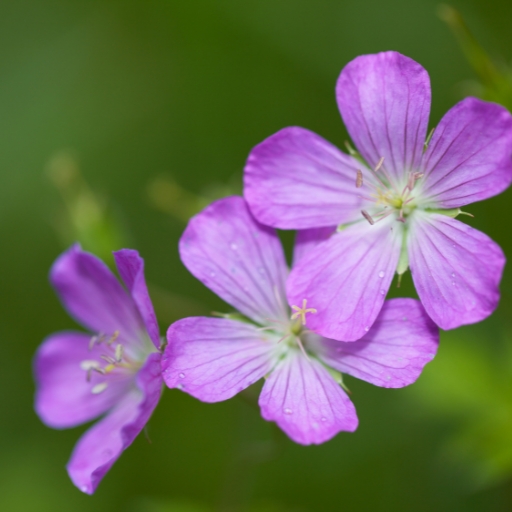
Scientific Name: Geranium maculatum
Native Region: North America
Blooming Time: Spring
Flower Colors: Pink, purple
Aroma: Mild
Interesting Facts:
- Native woodland perennial
- Attractive foliage
How to Plant / Growing Tips:
- Plant in partial shade
- Use rich soil
- Water regularly
- Divide every few years
15. Woolly Thyme Flower
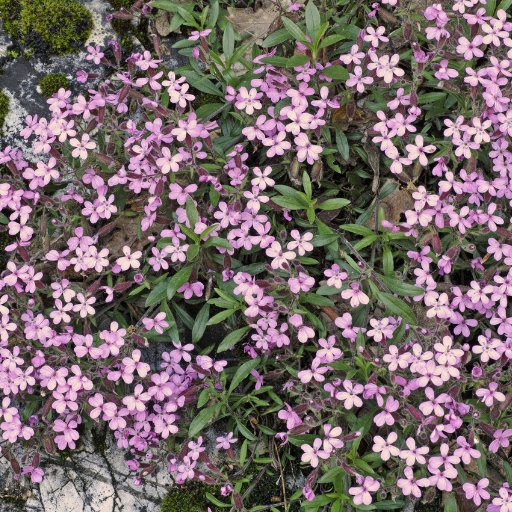
Scientific Name: Thymus pseudolanuginosus
Native Region: Europe
Blooming Time: Summer
Flower Colors: Pink, purple
Aroma: Strong herbal fragrance
Interesting Facts:
- Aromatic ground cover
- Drought tolerant
How to Plant / Growing Tips:
- Plant in full sun
- Use sandy soil
- Water lightly
- Ideal for rock gardens
16. Wild Bergamot
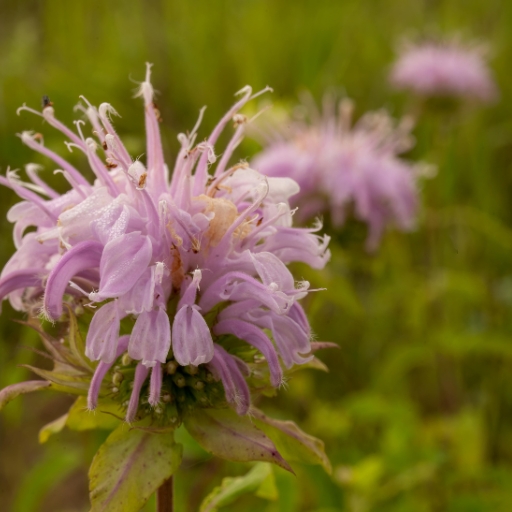
Scientific Name: Monarda fistulosa
Native Region: North America
Blooming Time: Summer
Flower Colors: Lavender, pink
Aroma: Minty fragrance
Interesting Facts:
- Used in herbal teas
- Attracts bees and butterflies
How to Plant / Growing Tips:
- Plant in full sun
- Use well-drained soil
- Water moderately
- Divide plants every few years
17. White Trillium
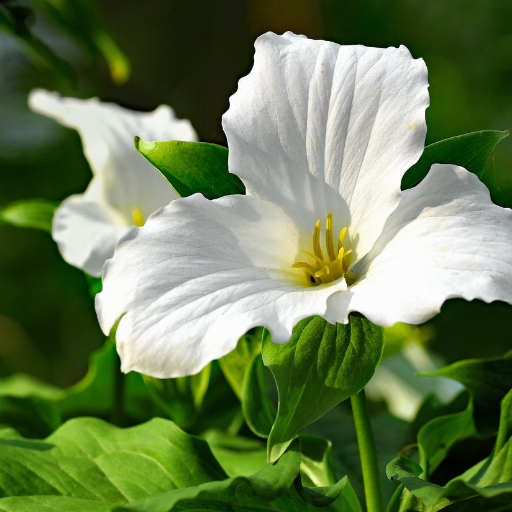
Scientific Name: Trillium grandiflorum
Native Region: North America
Blooming Time: Spring
Flower Colors: White
Aroma: Mild
Interesting Facts:
- State flower of Ohio
- Woodland wildflower
How to Plant / Growing Tips:
- Plant in shade
- Use rich, moist soil
- Water regularly
- Avoid disturbing roots
18. Winter Aconite
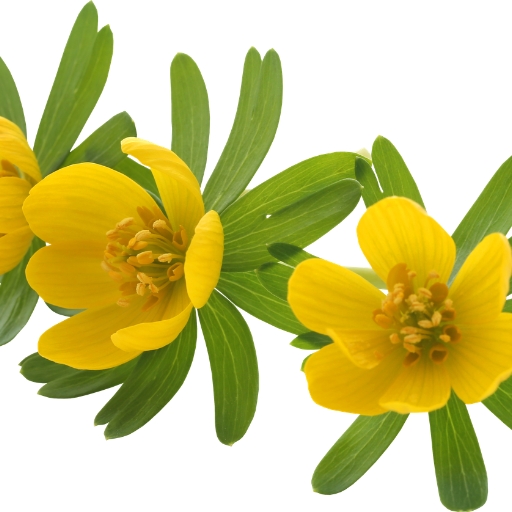
Scientific Name: Eranthis hyemalis
Native Region: Europe
Blooming Time: Late winter
Flower Colors: Yellow
Aroma: Mild
Interesting Facts:
- One of the earliest spring bloomers
- Bright flowers appear through snow
How to Plant / Growing Tips:
- Plant bulbs in fall
- Use well-drained soil
- Grow in partial shade
- Water lightly
19. White Gaura
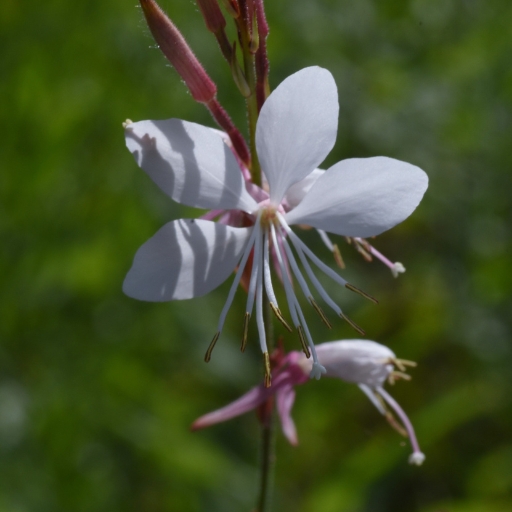
Scientific Name: Oenothera lindheimeri
Native Region: North America
Blooming Time: Late spring to fall
Flower Colors: White, pink
Aroma: Mild
Interesting Facts:
- Butterfly-like flowers
- Drought tolerant
How to Plant / Growing Tips:
- Plant in full sun
- Use well-drained soil
- Water moderately
- Trim for bushy growth
20. Woodland Phlox
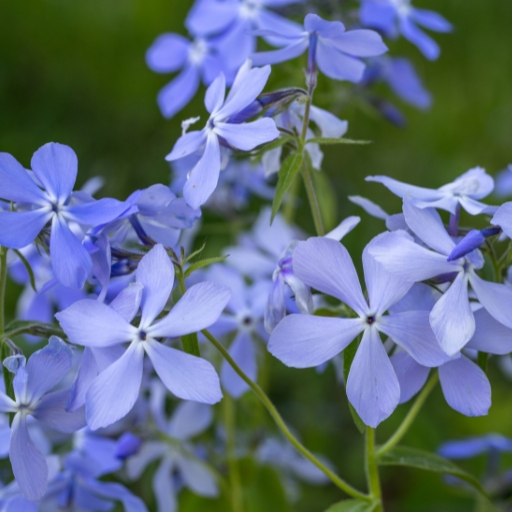
Scientific Name: Phlox divaricata
Native Region: North America
Blooming Time: Spring
Flower Colors: Blue, purple
Aroma: Sweet fragrance
Interesting Facts:
- Native woodland wildflower
- Excellent pollinator plant
How to Plant / Growing Tips:
- Plant in partial shade
- Use moist soil
- Water regularly
- Great for woodland gardens
Final Thoughts
Flowers that start with the letter W bring a wonderful mix of elegance, fragrance, and natural beauty. From the tranquil floating blooms of water lilies to the cascading romance of wisteria and the delicate charm of woodland wildflowers, these plants can add personality and diversity to any garden.
Now here’s a simple question for you: Which of these “W” flowers would you love to grow and enjoy in your garden this season?