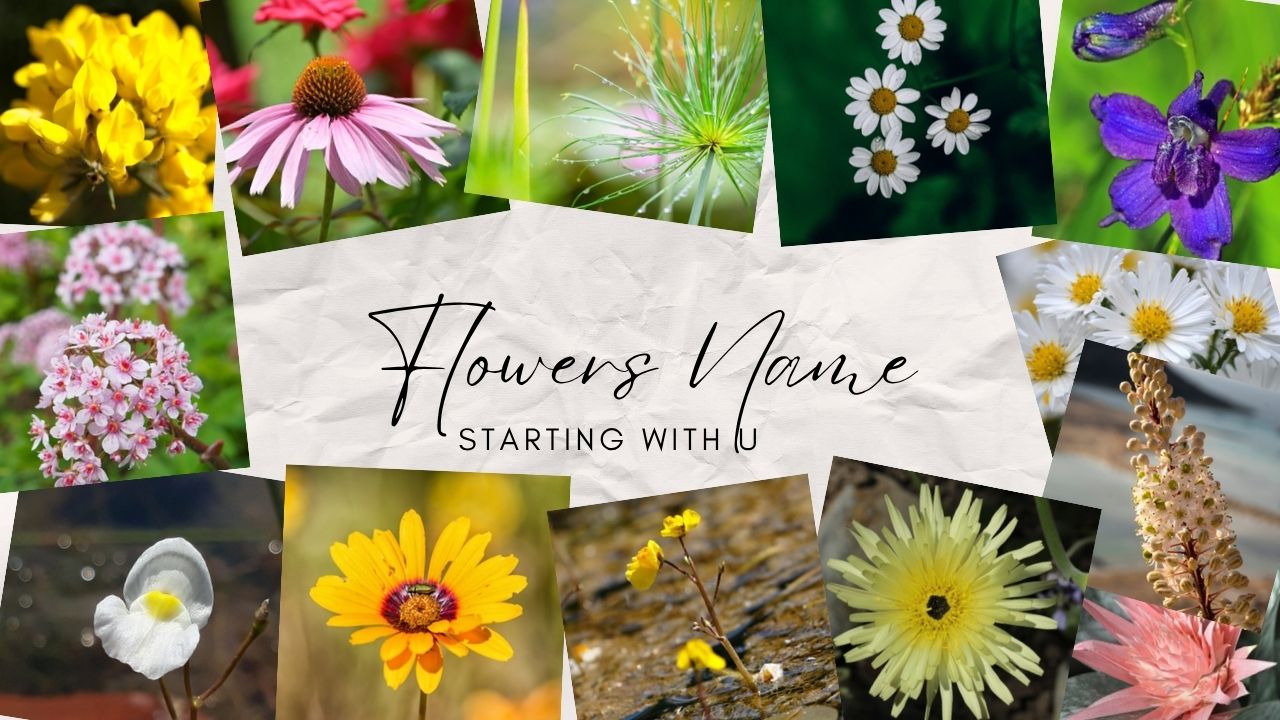
If you’re looking for flowers that start with the letter U, you may quickly notice that they’re less common than many other garden blooms. Still, several fascinating plants begin with this letter—ranging from delicate alpine flowers to tropical vines and ornamental shrubs. Many of these plants bring unique shapes, textures, or ecological benefits that can make a garden feel more diverse and interesting.
Below is a carefully curated list of 20 real flowers that begin with “U”, along with their key characteristics and beginner-friendly growing tips. Whether you’re building a themed garden list or simply exploring unusual plants, these blooms are worth discovering.
1. Ulex (Gorse)
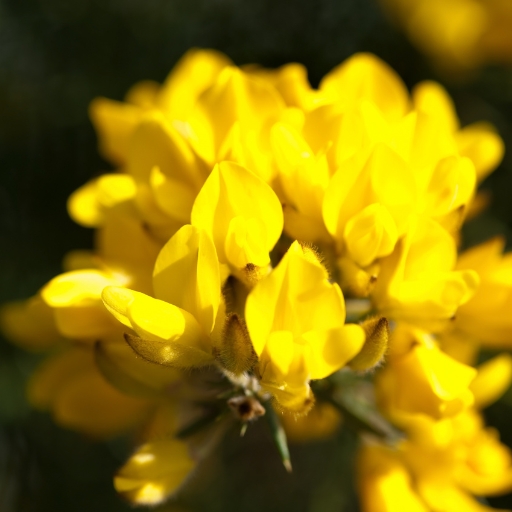
Scientific Name: Ulex europaeus
Native Region: Western Europe
Blooming Time: Spring to early summer
Flower Colors: Bright yellow
Aroma: Sweet, coconut-like scent
Interesting Facts:
- Known for its thorny branches and vibrant yellow flowers
- Often grows in coastal or open landscapes
How to Plant / Growing Tips:
- Plant in full sun
- Use well-drained soil
- Water lightly once established
- Trim carefully due to thorns
2. Ursinia
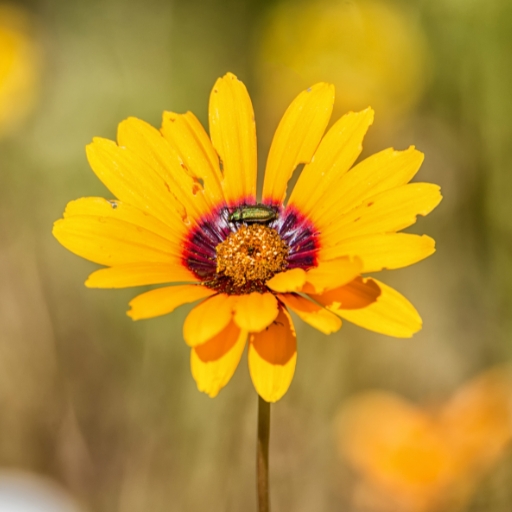
Scientific Name: Ursinia anthemoides
Native Region: South Africa
Blooming Time: Spring to summer
Flower Colors: Yellow, orange
Aroma: Mild
Interesting Facts:
- Dainty daisy-like blooms
- Excellent for sunny borders
How to Plant / Growing Tips:
- Plant in full sun
- Use sandy, well-drained soil
- Water moderately
- Deadhead to prolong flowering
3. Uvularia (Bellwort)
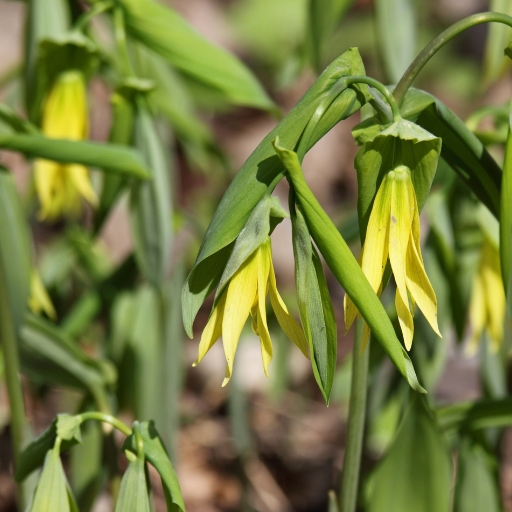
Scientific Name: Uvularia grandiflora
Native Region: North America
Blooming Time: Spring
Flower Colors: Yellow
Aroma: Mild
Interesting Facts:
- Elegant nodding bell-shaped flowers
- Thrives in woodland environments
How to Plant / Growing Tips:
- Plant in partial shade
- Use rich, moist soil
- Water regularly
- Ideal for woodland gardens
4. Utricularia (Bladderwort)
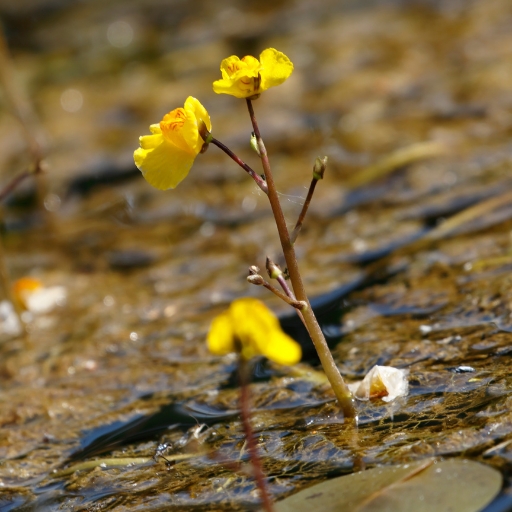
Scientific Name: Utricularia spp.
Native Region: Worldwide wetlands
Blooming Time: Spring to summer
Flower Colors: Yellow, purple
Aroma: Mild
Interesting Facts:
- Carnivorous plant that traps tiny organisms
- Often grows in aquatic habitats
How to Plant / Growing Tips:
- Grow in wet soil or water gardens
- Provide full sun
- Maintain moist conditions
- Avoid fertilizers
5. Umbrella Plant Flower
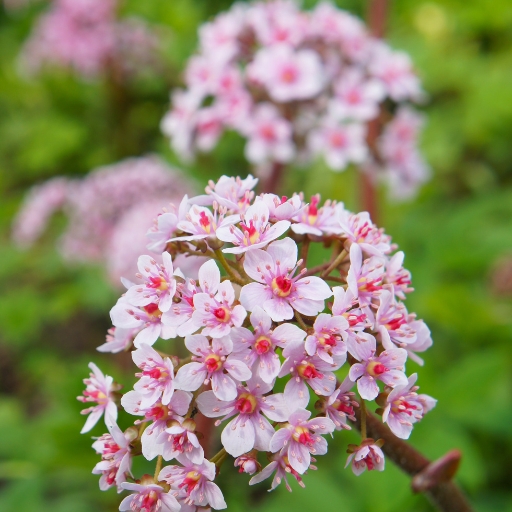
Scientific Name: Schefflera arboricola
Native Region: Taiwan, China
Blooming Time: Rare indoors; summer outdoors
Flower Colors: Greenish-white
Aroma: Mild
Interesting Facts:
- Popular houseplant with umbrella-shaped leaves
- Flowers mainly appear on mature plants
How to Plant / Growing Tips:
- Grow in bright indirect light
- Use well-drained potting soil
- Water moderately
- Avoid overwatering
6. Upland White Aster
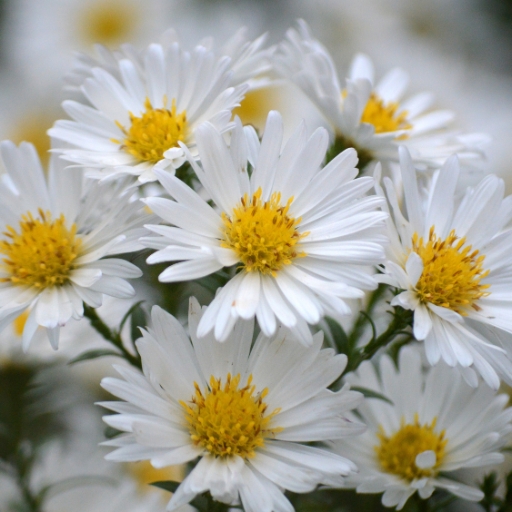
Scientific Name: Solidago ptarmicoides
Native Region: North America
Blooming Time: Late summer to fall
Flower Colors: White
Aroma: Mild
Interesting Facts:
- Attracts bees and butterflies
- Great for native wildflower gardens
How to Plant / Growing Tips:
- Plant in full sun
- Use well-drained soil
- Water moderately
- Divide plants every few years
7. Urn Plant
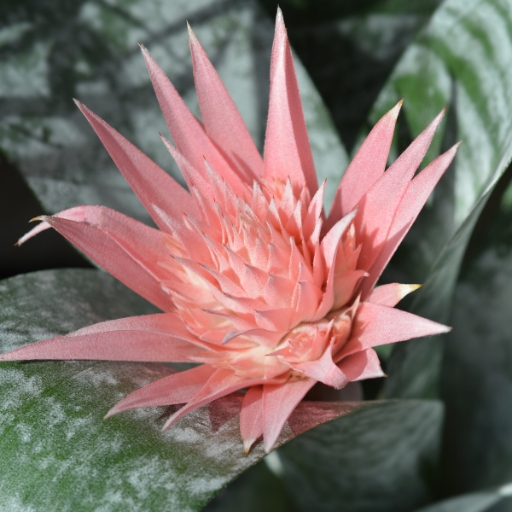
Scientific Name: Aechmea fasciata
Native Region: Brazil
Blooming Time: Summer
Flower Colors: Pink, purple
Aroma: Mild
Interesting Facts:
- A striking bromeliad with a dramatic flower spike
- Long-lasting blooms
How to Plant / Growing Tips:
- Grow in bright indirect light
- Use well-drained soil
- Keep water in the central cup
- Mist occasionally
8. Upland Larkspur
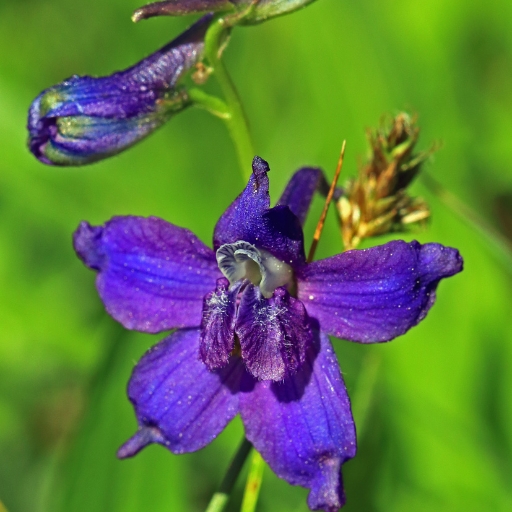
Scientific Name: Delphinium nuttallianum
Native Region: North America
Blooming Time: Spring to early summer
Flower Colors: Blue, purple
Aroma: Mild
Interesting Facts:
- Native wildflower of mountain meadows
- Important nectar source for pollinators
How to Plant / Growing Tips:
- Plant in full sun
- Use well-drained soil
- Water moderately
- Protect from strong winds
9. Uvaria Flower
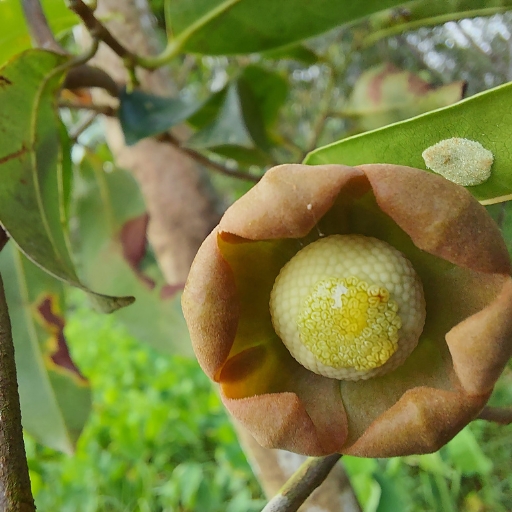
Scientific Name: Uvaria grandiflora
Native Region: Southeast Asia
Blooming Time: Summer
Flower Colors: Yellow
Aroma: Light
Interesting Facts:
- Tropical climbing plant
- Produces attractive star-shaped flowers
How to Plant / Growing Tips:
- Plant in full sun
- Use fertile, well-drained soil
- Provide climbing support
- Water regularly
10. Utricularia Sandersonii
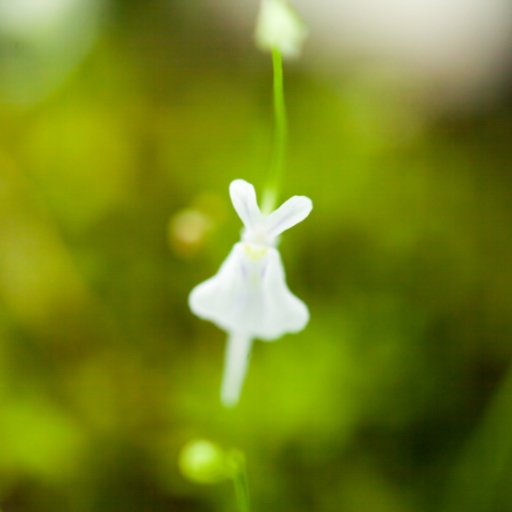
Scientific Name: Utricularia sandersonii
Native Region: South Africa
Blooming Time: Spring to summer
Flower Colors: Purple, white
Aroma: Mild
Interesting Facts:
- Tiny flowers resemble bunny ears
- Popular among carnivorous plant enthusiasts
How to Plant / Growing Tips:
- Grow in moist soil
- Use nutrient-poor growing medium
- Provide bright light
- Keep consistently moist
11. Upland Coneflower
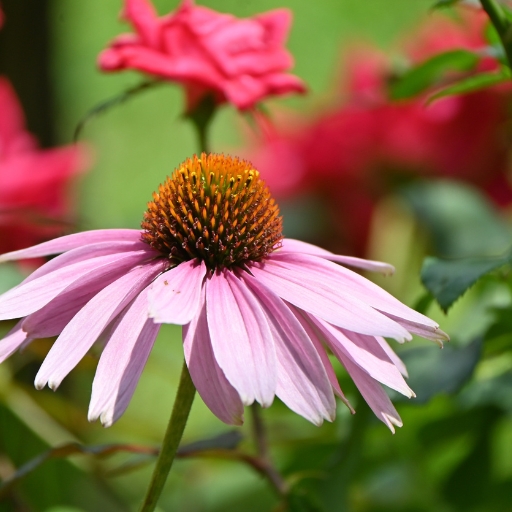
Scientific Name: Echinacea angustifolia
Native Region: North America
Blooming Time: Summer
Flower Colors: Pink, purple
Aroma: Mild
Interesting Facts:
- Important medicinal plant
- Attracts butterflies
How to Plant / Growing Tips:
- Plant in full sun
- Use well-drained soil
- Water moderately
- Deadhead to encourage blooms
12. Uvaria Rufa
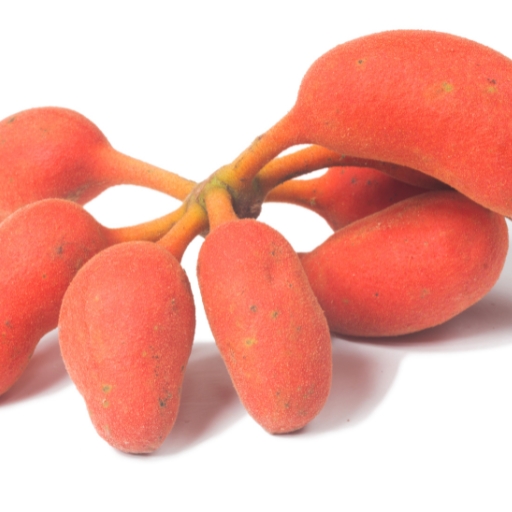
Scientific Name: Uvaria rufa
Native Region: Southeast Asia
Blooming Time: Spring to summer
Flower Colors: Orange, yellow
Aroma: Light
Interesting Facts:
- Tropical vine with exotic flowers
- Often found in forest habitats
How to Plant / Growing Tips:
- Plant in full sun to partial shade
- Use fertile soil
- Water regularly
- Provide climbing support
13. Urginea (Sea Squill)
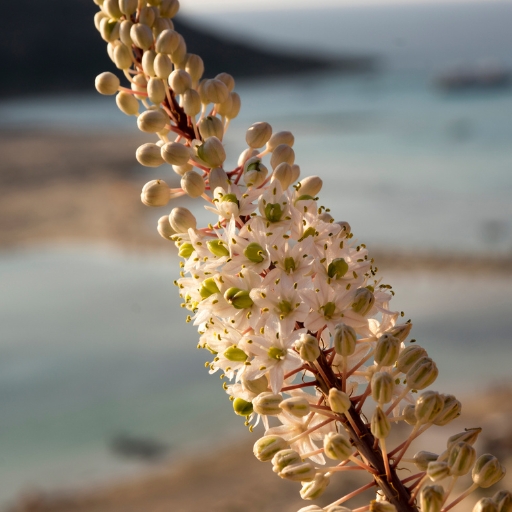
Scientific Name: Drimia maritima
Native Region: Mediterranean
Blooming Time: Late summer
Flower Colors: White
Aroma: Mild
Interesting Facts:
- Produces tall spikes of small flowers
- Bulbs have been used in traditional medicine
How to Plant / Growing Tips:
- Plant in full sun
- Use sandy, well-drained soil
- Water sparingly
- Suitable for dry climates
14. Urospermum
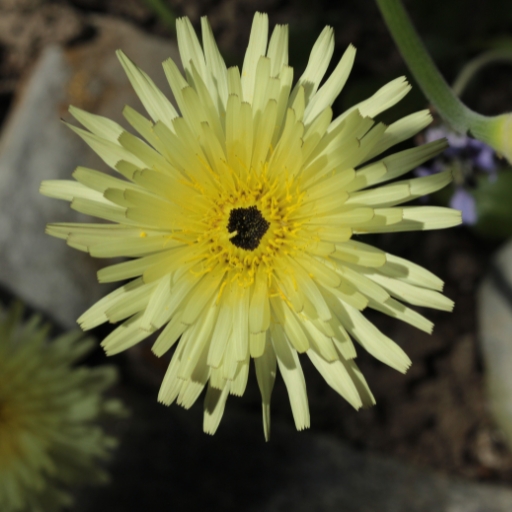
Scientific Name: Urospermum dalechampii
Native Region: Mediterranean
Blooming Time: Spring
Flower Colors: Yellow
Aroma: Mild
Interesting Facts:
- Daisy-like wildflower
- Common in grasslands
How to Plant / Growing Tips:
- Plant in full sun
- Use well-drained soil
- Water lightly
- Easy to grow from seed
15. Utricularia Longifolia
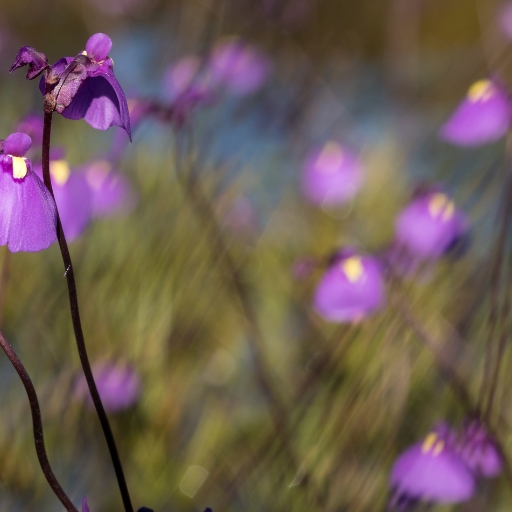
Scientific Name: Utricularia longifolia
Native Region: South America
Blooming Time: Summer
Flower Colors: Purple
Aroma: Mild
Interesting Facts:
- Another carnivorous species
- Produces tall flower stalks
How to Plant / Growing Tips:
- Grow in moist conditions
- Use peat-based medium
- Provide bright light
- Avoid fertilizer
16. Umbrella Sedge Flower
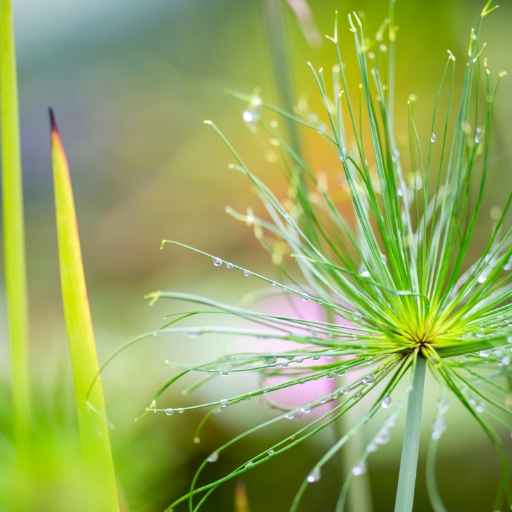
Scientific Name: Cyperus alternifolius
Native Region: Madagascar
Blooming Time: Summer
Flower Colors: Greenish-brown
Aroma: None
Interesting Facts:
- Often grown as a water plant
- Umbrella-like foliage
How to Plant / Growing Tips:
- Plant in wet soil or water
- Provide full sun to partial shade
- Keep soil consistently moist
- Suitable for ponds
17. Upland Goldenrod
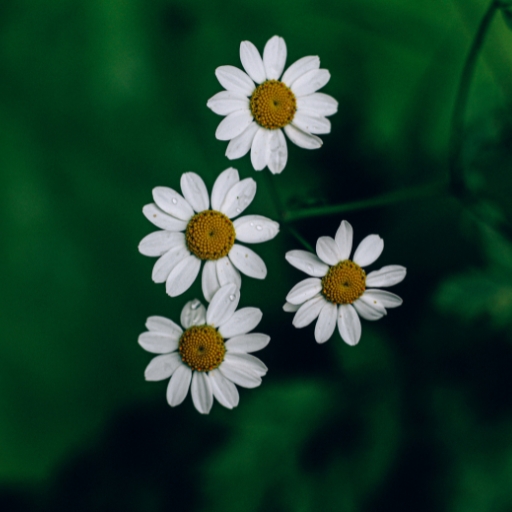
Scientific Name: Solidago nemoralis
Native Region: North America
Blooming Time: Late summer to fall
Flower Colors: Yellow
Aroma: Mild
Interesting Facts:
- Important pollinator plant
- Often mistaken for causing allergies
How to Plant / Growing Tips:
- Plant in full sun
- Use well-drained soil
- Water moderately
- Great for native gardens
18. Utricularia Reniformis
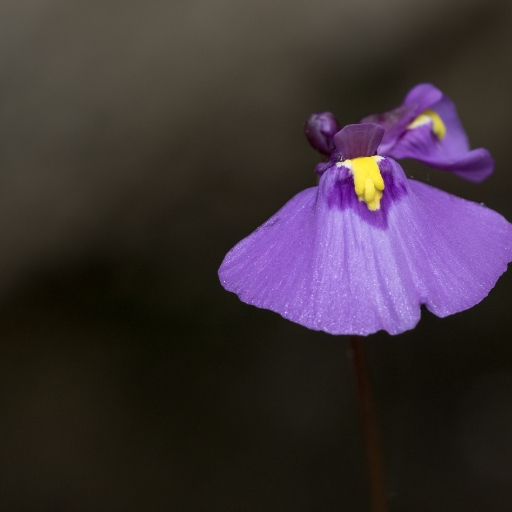
Scientific Name: Utricularia reniformis
Native Region: Brazil
Blooming Time: Summer
Flower Colors: Purple
Aroma: Mild
Interesting Facts:
- Large kidney-shaped leaves
- Ornamental carnivorous plant
How to Plant / Growing Tips:
- Grow in moist soil
- Provide bright indirect light
- Maintain humidity
- Avoid fertilizers
19. Utricularia Alpina
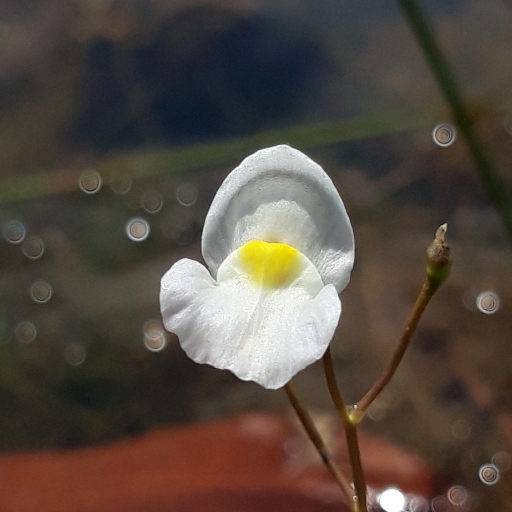
Scientific Name: Utricularia alpina
Native Region: Caribbean
Blooming Time: Spring to summer
Flower Colors: White, yellow
Aroma: Mild
Interesting Facts:
- Popular among carnivorous plant collectors
- Produces elegant orchid-like blooms
How to Plant / Growing Tips:
- Grow in moist conditions
- Use peat-based medium
- Provide bright light
- Keep humidity high
20. Uvularia Sessilifolia
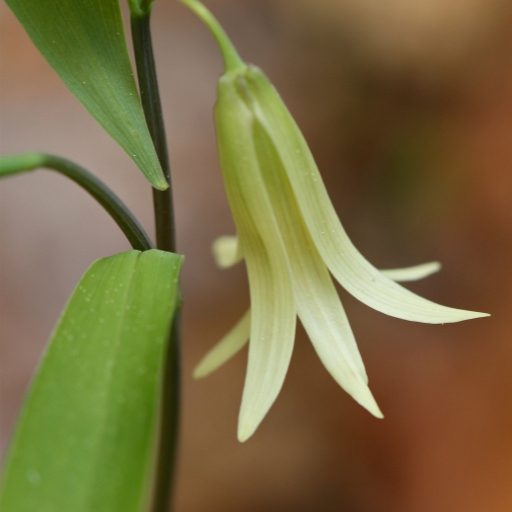
Scientific Name: Uvularia sessilifolia
Native Region: North America
Blooming Time: Spring
Flower Colors: Pale yellow
Aroma: Mild
Interesting Facts:
- Another species of bellwort
- Great woodland garden plant
How to Plant / Growing Tips:
- Plant in partial shade
- Use rich, moist soil
- Water regularly
- Mulch to retain moisture
Final Thoughts
Flowers that start with the letter U may not be the most common in home gardens, but they certainly bring unique charm and diversity. From woodland beauties like Uvularia to fascinating carnivorous plants like Utricularia, these flowers prove that even the rare letters of the alphabet can introduce intriguing plants into your garden.
Now here’s a simple question for you: Which of these unusual “U” flowers would you love to try growing in your garden?