The letter R brings together an impressive mix of flowers—some instantly recognizable and others delightfully unexpected. From iconic blooms that have filled gardens for centuries to lesser-known wildflowers and tropical stunners, “R” flowers offer plenty of variety for plant lovers.
Whether you’re drawn to bold colors, fragrant blossoms, or easy-to-grow plants that thrive with minimal care, this group has something for nearly every type of garden. It’s the kind of floral lineup that can turn an ordinary garden bed into something memorable.
In the list below, you’ll find 20 real flowers that start with the letter R, along with helpful details and beginner-friendly growing tips to make planting and caring for them simple and enjoyable.
1. Rose
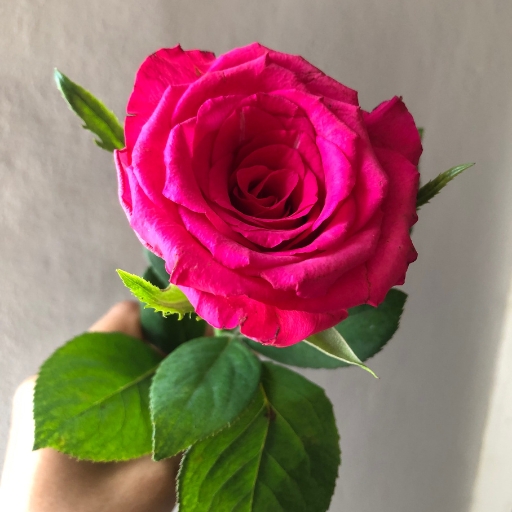
Scientific Name: Rosa spp.
Native Region: Asia, Europe, North America
Blooming Time: Spring to fall
Flower Colors: Red, pink, white, yellow, orange
Aroma: Strong, classic floral fragrance
Interesting Facts:
- One of the most popular flowers worldwide
- Symbolizes love and romance
How to Plant / Growing Tips:
- Plant in full sun
- Use rich, well-drained soil
- Water deeply but not frequently
- Prune regularly for healthy growth
2. Ranunculus
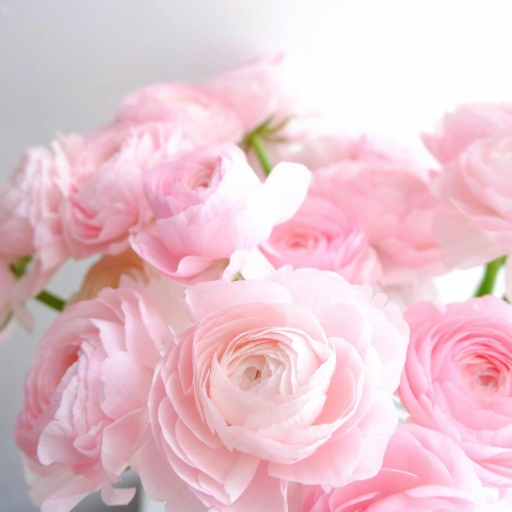
Scientific Name: Ranunculus asiaticus
Native Region: Mediterranean, Asia
Blooming Time: Spring
Flower Colors: Red, pink, yellow, orange, white
Aroma: Mild
Interesting Facts:
- Known for its layered, rose-like petals
- Popular in wedding bouquets
How to Plant / Growing Tips:
- Plant in full sun
- Use well-drained soil
- Water regularly
- Plant corms in cool seasons
3. Rhododendron
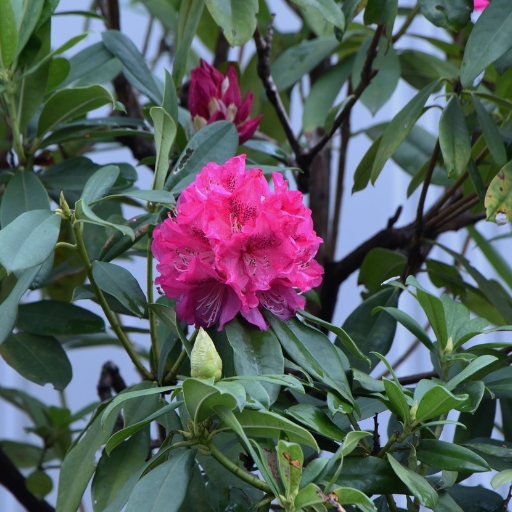
Scientific Name: Rhododendron spp.
Native Region: Asia, North America
Blooming Time: Spring
Flower Colors: Pink, purple, red, white
Aroma: Light
Interesting Facts:
- Includes azaleas as part of the genus
- Thrives in woodland gardens
How to Plant / Growing Tips:
- Plant in partial shade
- Use acidic soil
- Keep soil moist
- Mulch to retain moisture
4. Rudbeckia (Black-Eyed Susan)
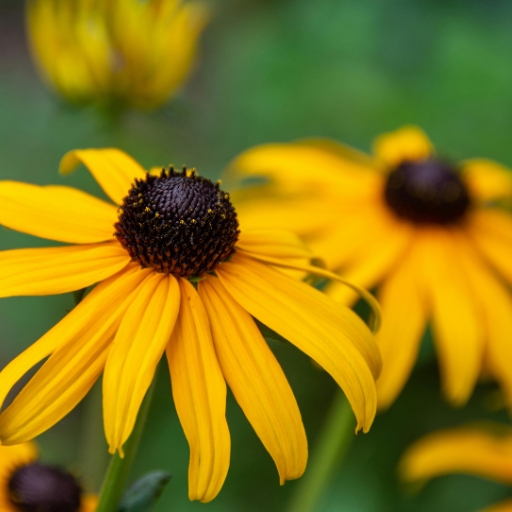
Scientific Name: Rudbeckia hirta
Native Region: North America
Blooming Time: Summer to fall
Flower Colors: Yellow, orange
Aroma: Mild
Interesting Facts:
- Known for its dark center cone
- Attracts pollinators
How to Plant / Growing Tips:
- Plant in full sun
- Use well-drained soil
- Water moderately
- Deadhead to extend blooming
5. Red Hot Poker
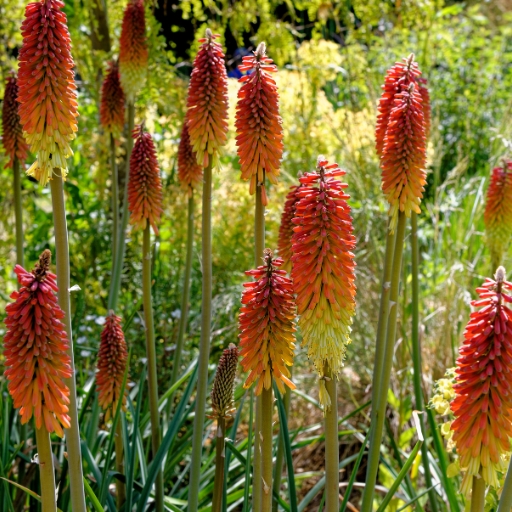
Scientific Name: Kniphofia uvaria
Native Region: Africa
Blooming Time: Late spring to summer
Flower Colors: Red, orange, yellow
Aroma: Mild
Interesting Facts:
- Torch-like flower spikes
- Adds vertical interest
How to Plant / Growing Tips:
- Plant in full sun
- Use well-drained soil
- Water regularly
- Cut back after flowering
6. Rock Rose
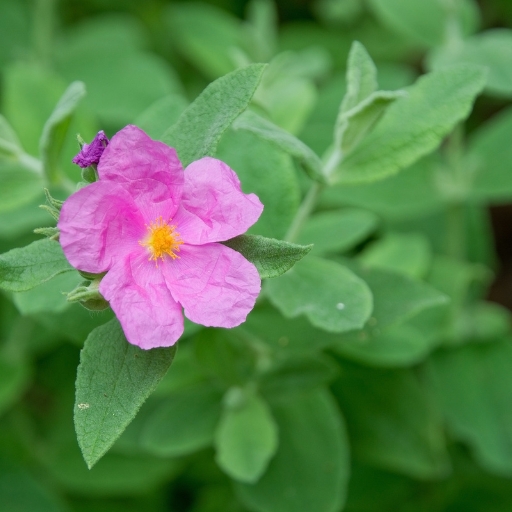
Scientific Name: Cistus spp.
Native Region: Mediterranean
Blooming Time: Spring to summer
Flower Colors: Pink, white, purple
Aroma: Light
Interesting Facts:
- Thrives in dry, rocky soils
- Flowers resemble roses
How to Plant / Growing Tips:
- Plant in full sun
- Use sandy, well-drained soil
- Water lightly
- Drought-tolerant
7. Rain Lily
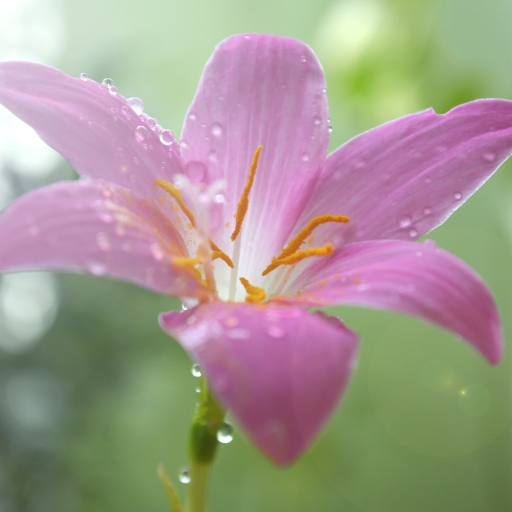
Scientific Name: Zephyranthes spp.
Native Region: Americas
Blooming Time: Summer (after rain)
Flower Colors: Pink, white, yellow
Aroma: Light
Interesting Facts:
- Blooms quickly after rainfall
- Also called “fairy lily”
How to Plant / Growing Tips:
- Plant in full sun
- Use well-drained soil
- Water after dry periods
- Easy to grow from bulbs
8. Rose of Sharon
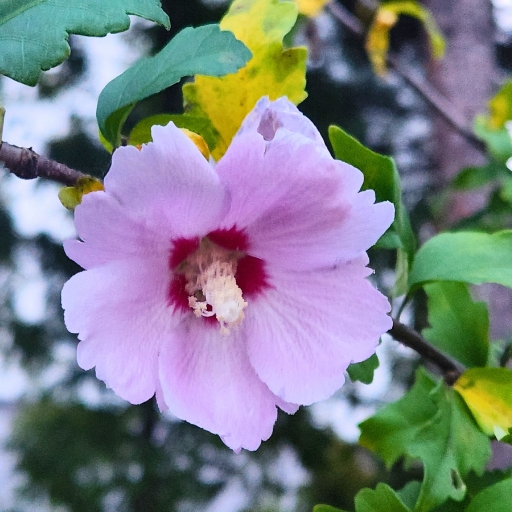
Scientific Name: Hibiscus syriacus
Native Region: Asia
Blooming Time: Summer to fall
Flower Colors: Pink, purple, white, blue
Aroma: Mild
Interesting Facts:
- A type of hardy hibiscus
- Attracts pollinators
How to Plant / Growing Tips:
- Plant in full sun
- Use well-drained soil
- Water regularly
- Prune in early spring
9. Red Valerian
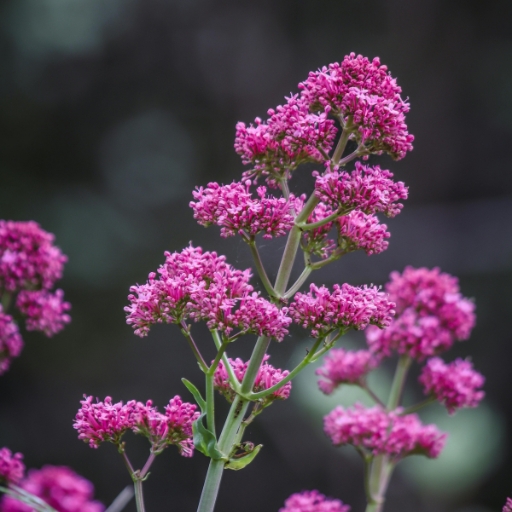
Scientific Name: Centranthus ruber
Native Region: Mediterranean
Blooming Time: Spring to summer
Flower Colors: Red, pink, white
Aroma: Light
Interesting Facts:
- Also called “Jupiter’s beard”
- Thrives in poor soil
How to Plant / Growing Tips:
- Plant in full sun
- Use well-drained soil
- Water lightly
- Deadhead for more blooms
10. Rocket Larkspur
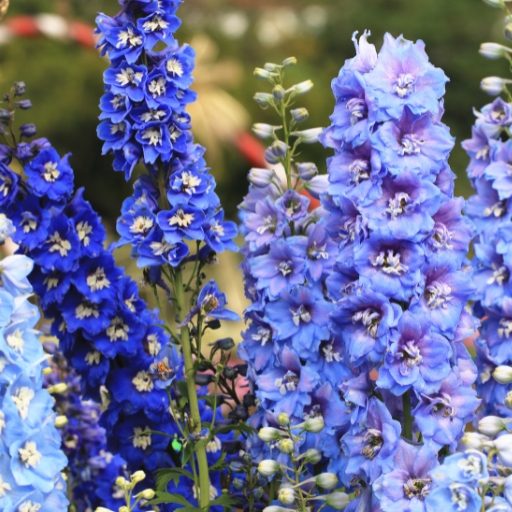
Scientific Name: Delphinium ajacis
Native Region: Mediterranean
Blooming Time: Spring to summer
Flower Colors: Blue, pink, white
Aroma: Mild
Interesting Facts:
- Tall spikes make great cut flowers
- Popular in cottage gardens
How to Plant / Growing Tips:
- Plant in full sun
- Use well-drained soil
- Provide support for tall stems
- Water regularly
11. Rose Campion
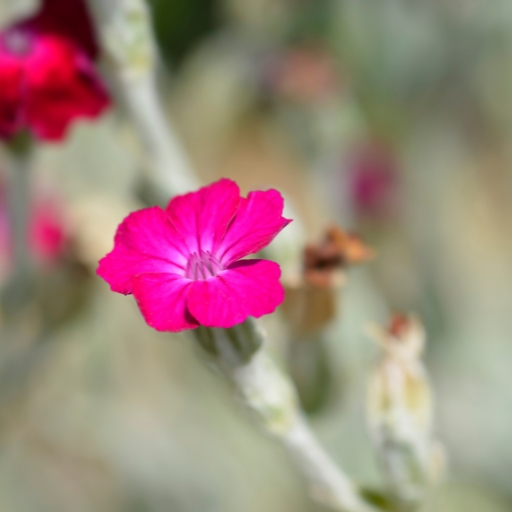
Scientific Name: Lychnis coronaria
Native Region: Europe
Blooming Time: Summer
Flower Colors: Pink, magenta, white
Aroma: Mild
Interesting Facts:
- Silvery leaves add contrast
- Drought-tolerant
How to Plant / Growing Tips:
- Plant in full sun
- Use well-drained soil
- Water moderately
- Deadhead to extend blooms
12. Rafflesia
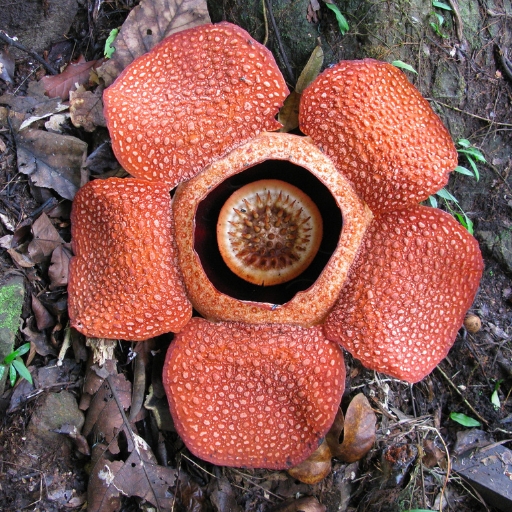
Scientific Name: Rafflesia arnoldii
Native Region: Southeast Asia
Blooming Time: Rare, unpredictable
Flower Colors: Red with white spots
Aroma: Strong, unpleasant odor
Interesting Facts:
- Largest flower in the world
- Smells like rotting flesh to attract insects
How to Plant / Growing Tips:
- Cannot be grown easily at home
- Requires specific host plants
- Best observed in natural habitats
13. Rhipsalis Flower
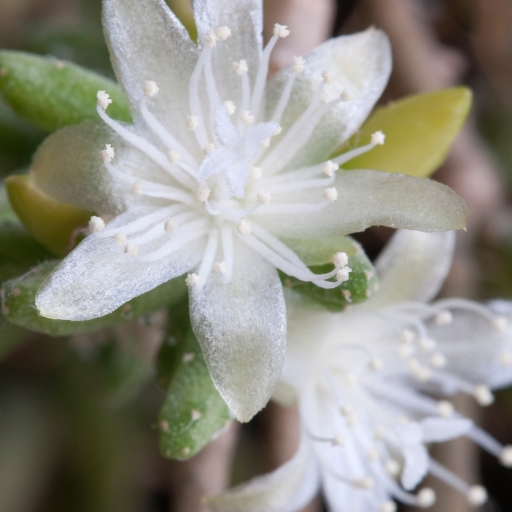
Scientific Name: Rhipsalis spp.
Native Region: Central and South America
Blooming Time: Winter to spring
Flower Colors: White, yellow
Aroma: Mild
Interesting Facts:
- A cactus without spines
- Great for hanging baskets
How to Plant / Growing Tips:
- Grow in indirect light
- Use well-drained soil
- Water moderately
- Avoid direct sunlight
14. Roselle
Scientific Name: Hibiscus sabdariffa
Native Region: Africa
Blooming Time: Summer
Flower Colors: Red, pink
Aroma: Mild
Interesting Facts:
- Used to make herbal tea
- Edible calyces
How to Plant / Growing Tips:
- Plant in full sun
- Use fertile soil
- Water regularly
- Harvest before frost
15. Rue
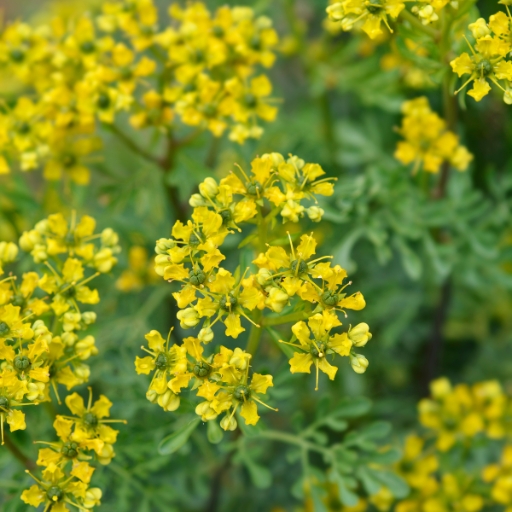
Scientific Name: Ruta graveolens
Native Region: Mediterranean
Blooming Time: Summer
Flower Colors: Yellow
Aroma: Strong, pungent
Interesting Facts:
- Used in traditional medicine
- Repels insects
How to Plant / Growing Tips:
- Plant in full sun
- Use well-drained soil
- Water lightly
- Prune regularly
16. Rock Jasmine
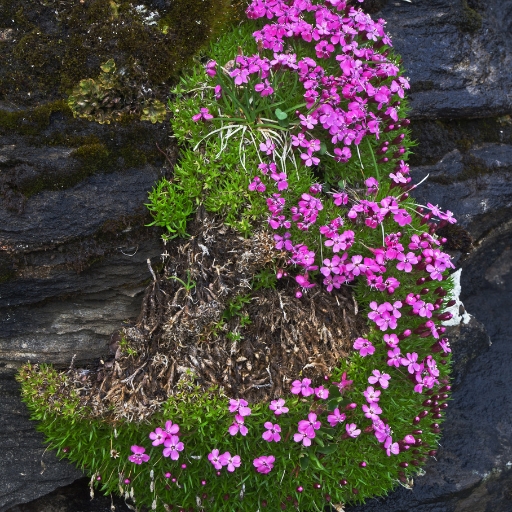
Scientific Name: Androsace spp.
Native Region: Alpine regions
Blooming Time: Spring
Flower Colors: Pink, white
Aroma: Mild
Interesting Facts:
- Thrives in rocky, mountainous areas
- Small but delicate blooms
How to Plant / Growing Tips:
- Plant in full sun
- Use gritty, well-drained soil
- Water lightly
- Ideal for rock gardens
17. Red Spider Lily
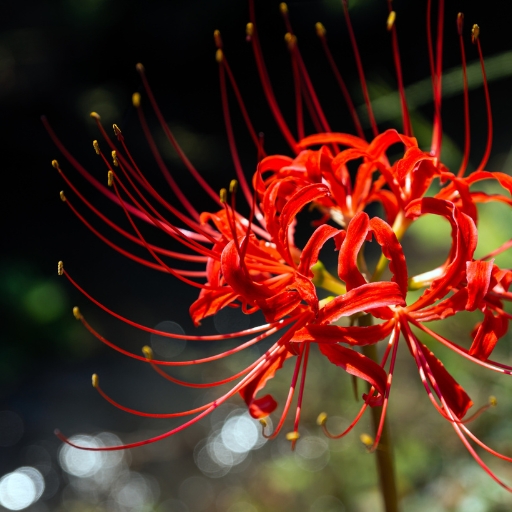
Scientific Name: Lycoris radiata
Native Region: Asia
Blooming Time: Late summer
Flower Colors: Red
Aroma: Light
Interesting Facts:
- Blooms suddenly after dormancy
- Associated with folklore and symbolism
How to Plant / Growing Tips:
- Plant in full sun to partial shade
- Use well-drained soil
- Water moderately
- Avoid disturbing bulbs
18. Royal Poinciana
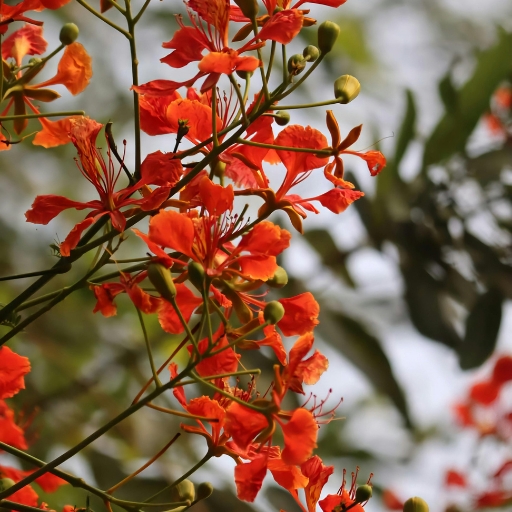
Scientific Name: Delonix regia
Native Region: Madagascar
Blooming Time: Late spring to summer
Flower Colors: Bright red, orange
Aroma: Mild
Interesting Facts:
- Known as “flame tree”
- Creates dramatic landscape displays
How to Plant / Growing Tips:
- Plant in full sun
- Use well-drained soil
- Water moderately
- Needs warm climate
19. Rice Flower
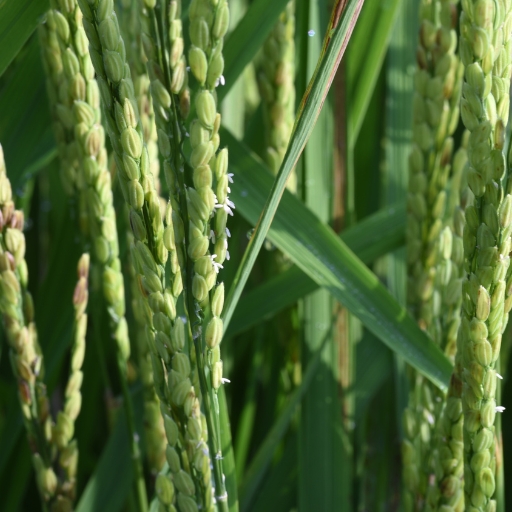
Scientific Name: Ozothamnus diosmifolius
Native Region: Australia
Blooming Time: Spring
Flower Colors: White, pink
Aroma: Light
Interesting Facts:
- Used in dried floral arrangements
- Long-lasting blooms
How to Plant / Growing Tips:
- Plant in full sun
- Use well-drained soil
- Water lightly
- Prune after flowering
20. Rorippa Flower
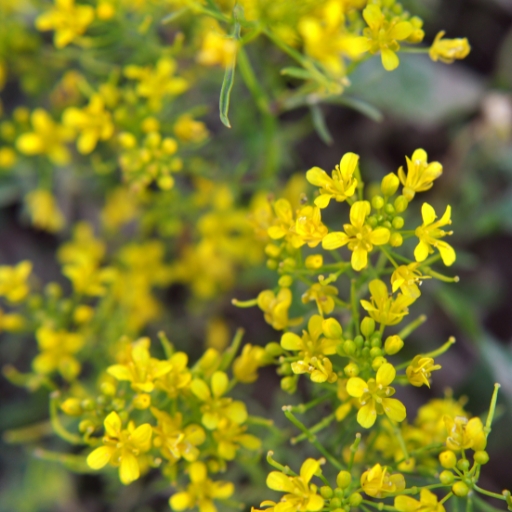
Scientific Name: Rorippa spp.
Native Region: Worldwide
Blooming Time: Spring to summer
Flower Colors: Yellow
Aroma: Mild
Interesting Facts:
- Belongs to the mustard family
- Often found near water
How to Plant / Growing Tips:
- Plant in full sun
- Use moist soil
- Water regularly
- Suitable for wet areas
Final Thoughts
Flowers that start with the letter R bring a rich blend of elegance, color, and personality to any garden. From the timeless beauty of roses to the bold drama of royal poinciana and the quirky uniqueness of rafflesia, these blooms offer something for every gardener.
Now here’s a simple question for you: Which of these “R” flowers would you love to grow and showcase in your garden this year?