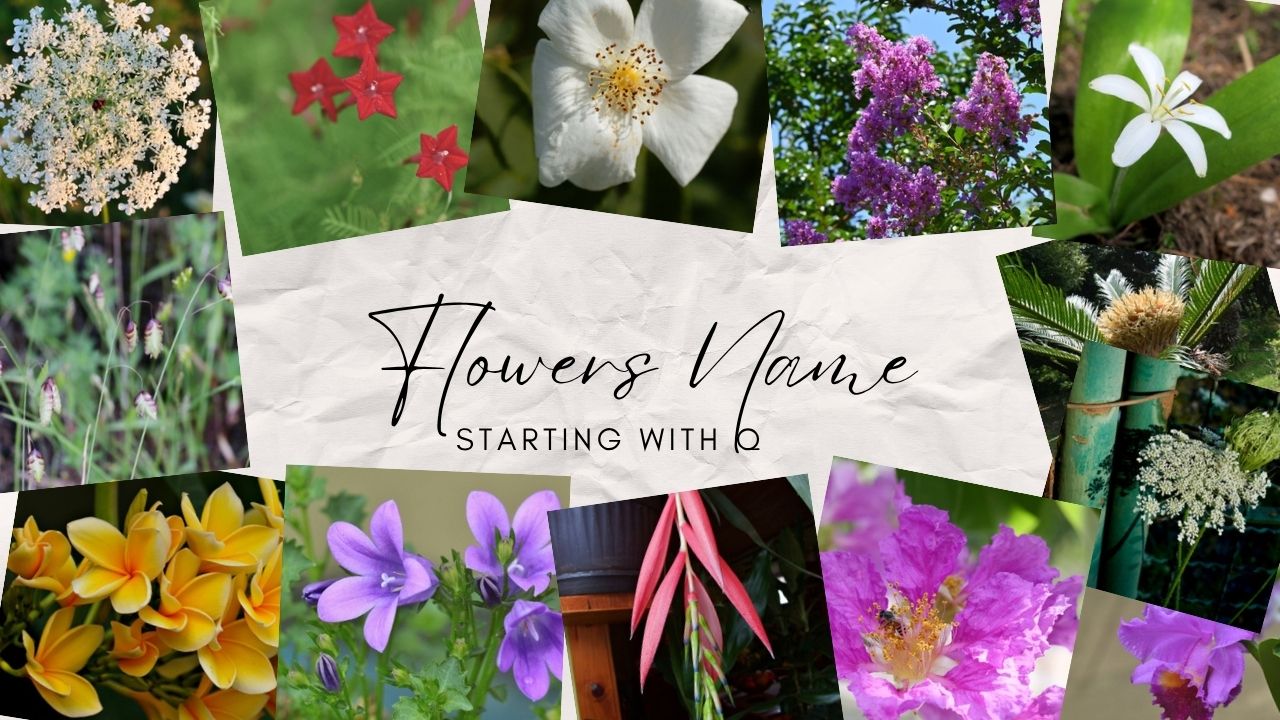
Let’s be honest—flowers that start with the letter Q are pretty rare. If you’ve ever tried to list them, you might have quickly realized this isn’t the most crowded corner of the floral alphabet. But that’s exactly what makes “Q” flowers so interesting.
Instead of the usual garden staples, this letter introduces a collection of unusual, eye-catching plants—many of them tropical, exotic, or botanical curiosities that bring something truly different to a garden.
In the list below, you’ll discover 20 real flowers that start with the letter Q, complete with essential details and beginner-friendly growing tips. Some are well-known among plant lovers, while others are hidden gems that adventurous gardeners will enjoy exploring.
1. Queen Anne’s Lace
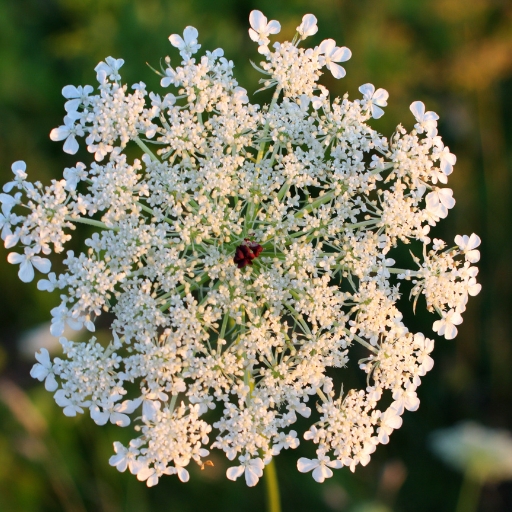
Scientific Name: Daucus carota
Native Region: Europe, Asia
Blooming Time: Late spring to summer
Flower Colors: White
Aroma: Light, earthy
Interesting Facts:
- Also known as wild carrot
- The center flower is often dark purple
How to Plant / Growing Tips:
- Plant in full sun
- Use well-drained soil
- Water lightly
- Easily self-seeds
2. Queen of the Night (Night-Blooming Cereus)
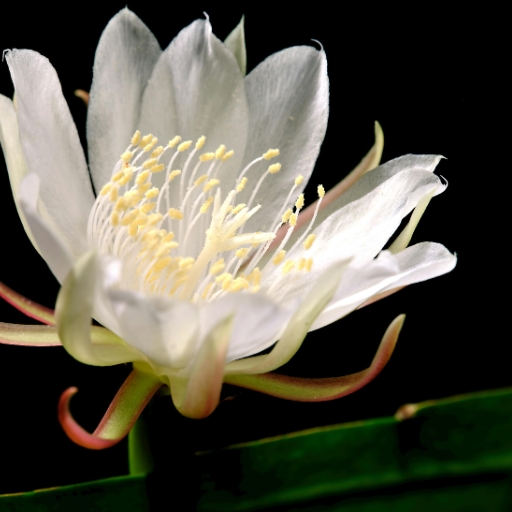
Scientific Name: Epiphyllum oxypetalum
Native Region: Central and South America
Blooming Time: Summer nights
Flower Colors: White
Aroma: Strong, sweet fragrance
Interesting Facts:
- Blooms only at night and lasts one evening
- Considered a rare and magical flowering event
How to Plant / Growing Tips:
- Grow in partial shade
- Use well-drained cactus soil
- Water moderately
- Protect from direct harsh sun
3. Queen’s Cup
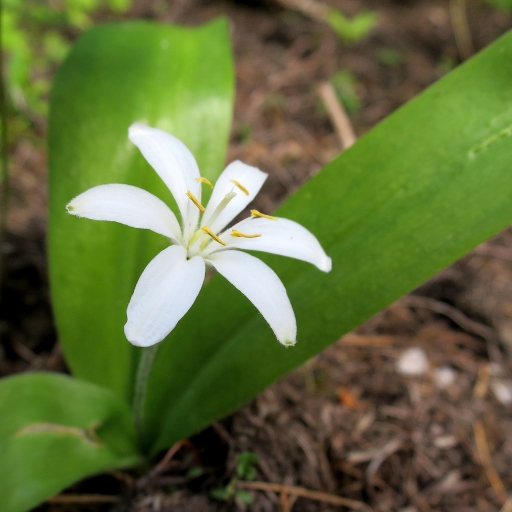
Scientific Name: Clintonia uniflora
Native Region: North America
Blooming Time: Spring to early summer
Flower Colors: White
Aroma: Mild
Interesting Facts:
- Woodland plant with delicate flowers
- Produces bright blue berries
How to Plant / Growing Tips:
- Plant in partial to full shade
- Use moist, rich soil
- Water regularly
- Ideal for forest-style gardens
4. Queen’s Wreath
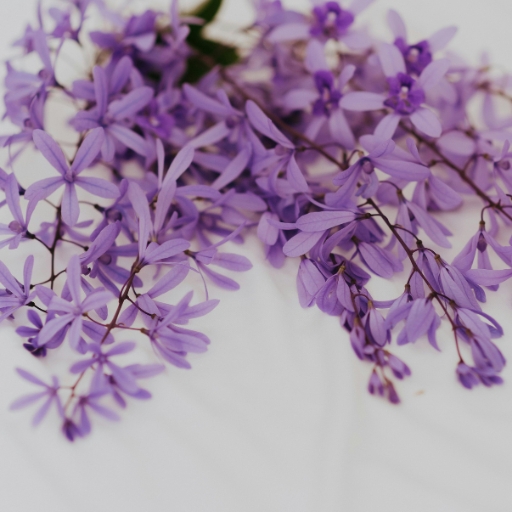
Scientific Name: Antigonon leptopus
Native Region: Mexico
Blooming Time: Summer to fall
Flower Colors: Pink, white
Aroma: Light, sweet
Interesting Facts:
- Fast-growing climbing vine
- Loved by bees and butterflies
How to Plant / Growing Tips:
- Plant in full sun
- Use well-drained soil
- Provide strong support
- Water moderately
5. Queen’s Tears
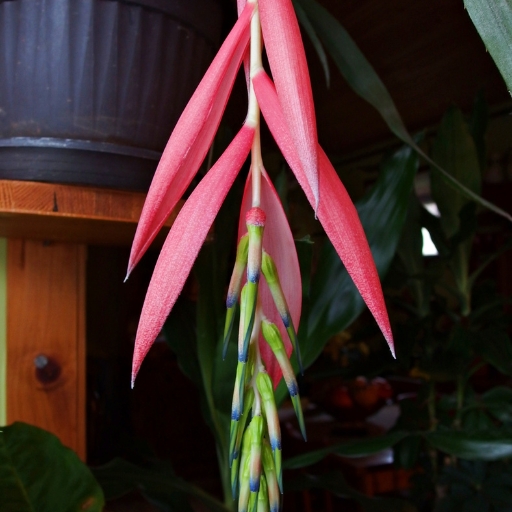
Scientific Name: Billbergia nutans
Native Region: South America
Blooming Time: Spring
Flower Colors: Pink, green, blue
Aroma: Mild
Interesting Facts:
- A bromeliad with arching flower stems
- Easy to grow indoors
How to Plant / Growing Tips:
- Grow in bright, indirect light
- Use well-drained soil
- Water in the central cup
- Tolerates drought
6. Queen’s Flower
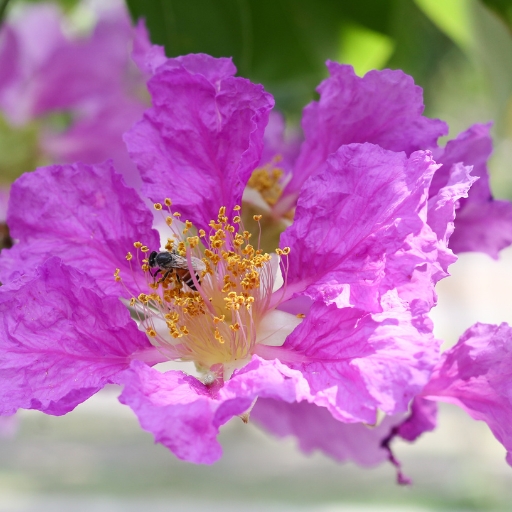
Scientific Name: Lagerstroemia speciosa
Native Region: Southeast Asia
Blooming Time: Summer
Flower Colors: Pink, purple
Aroma: Mild
Interesting Facts:
- Also known as Pride of India
- Produces large, showy clusters
How to Plant / Growing Tips:
- Plant in full sun
- Use well-drained soil
- Water regularly
- Prune to shape
7. Quaking Grass
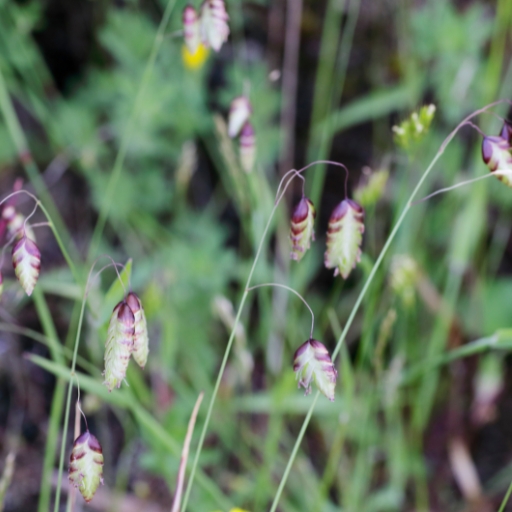
Scientific Name: Briza media
Native Region: Europe
Blooming Time: Late spring
Flower Colors: Green, purple
Aroma: None
Interesting Facts:
- Grown for ornamental seed heads
- Moves beautifully in the wind
How to Plant / Growing Tips:
- Plant in full sun
- Use well-drained soil
- Water moderately
- Low maintenance
8. Quamoclit (Cypress Vine)
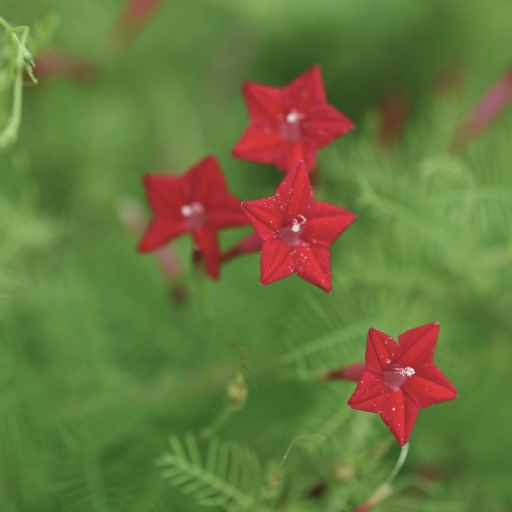
Scientific Name: Ipomoea quamoclit
Native Region: Tropical Americas
Blooming Time: Summer to fall
Flower Colors: Red, white, pink
Aroma: Mild
Interesting Facts:
- Star-shaped flowers with feathery foliage
- Attracts hummingbirds
How to Plant / Growing Tips:
- Plant in full sun
- Provide trellis support
- Use well-drained soil
- Water regularly
9. Quince Blossom
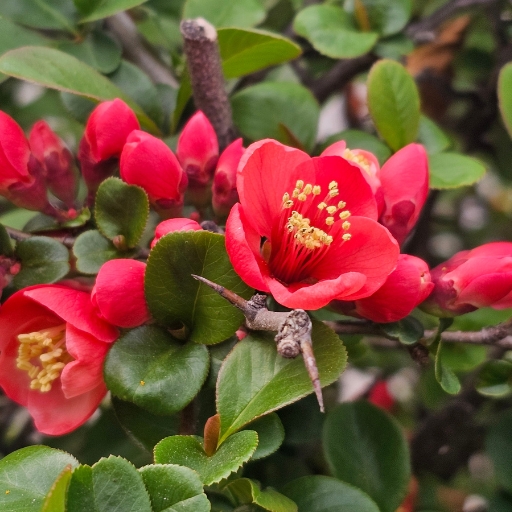
Scientific Name: Chaenomeles speciosa
Native Region: East Asia
Blooming Time: Early spring
Flower Colors: Red, pink, white
Aroma: Light
Interesting Facts:
- Blooms before leaves appear
- Produces edible fruit
How to Plant / Growing Tips:
- Plant in full sun
- Use well-drained soil
- Water moderately
- Prune after flowering
10. Queensland Bottle Tree Flower
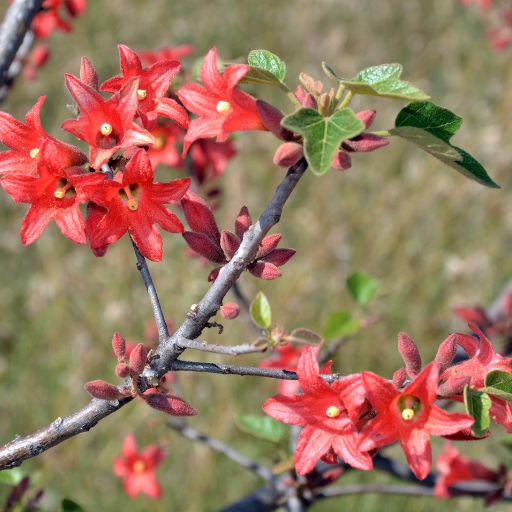
Scientific Name: Brachychiton rupestris
Native Region: Australia
Blooming Time: Spring
Flower Colors: Cream, yellow
Aroma: Mild
Interesting Facts:
- Tree stores water in its trunk
- Flowers are small but attractive
How to Plant / Growing Tips:
- Plant in full sun
- Use well-drained soil
- Water sparingly once established
- Ideal for dry climates
11. Queensland Bluebell
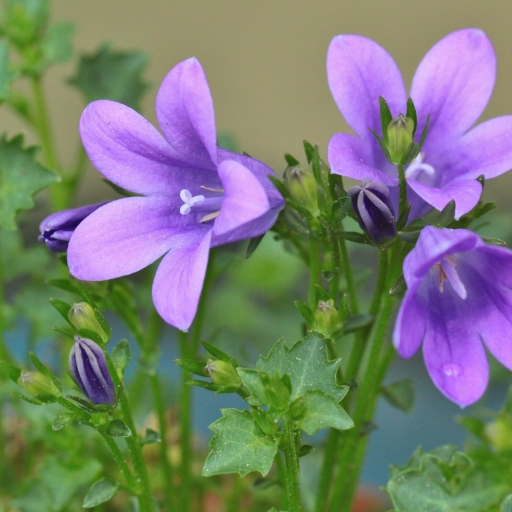
Scientific Name: Wahlenbergia gracilis
Native Region: Australia
Blooming Time: Spring to summer
Flower Colors: Blue, purple
Aroma: Mild
Interesting Facts:
- Delicate, bell-shaped flowers
- Great for rock gardens
How to Plant / Growing Tips:
- Plant in full sun
- Use well-drained soil
- Water moderately
- Suitable for containers
12. Quisqualis (Rangoon Creeper)
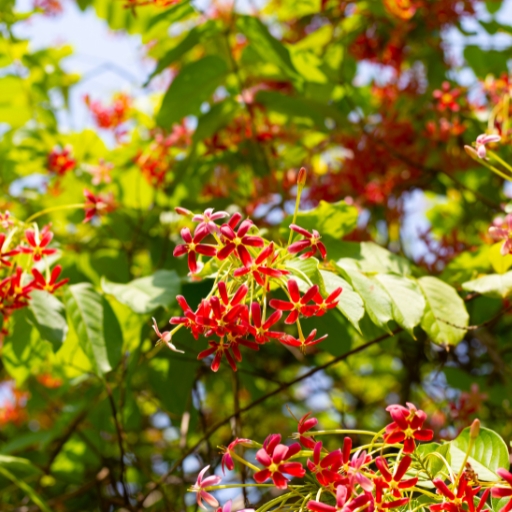
Scientific Name: Combretum indicum
Native Region: Southeast Asia
Blooming Time: Summer
Flower Colors: White, pink, red
Aroma: Strong, sweet fragrance
Interesting Facts:
- Flowers change color over time
- Popular ornamental climber
How to Plant / Growing Tips:
- Plant in full sun
- Use well-drained soil
- Provide support
- Water regularly
13. Quercus Flower (Oak Blossom)
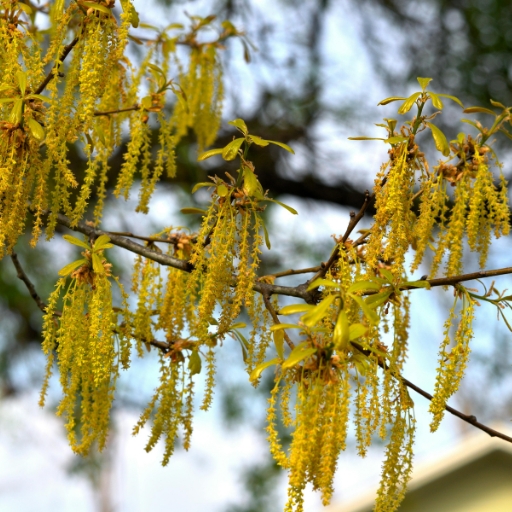
Scientific Name: Quercus spp.
Native Region: Northern Hemisphere
Blooming Time: Spring
Flower Colors: Yellow-green (catkins)
Aroma: Mild
Interesting Facts:
- Produces both male and female flowers
- Essential for ecosystem biodiversity
How to Plant / Growing Tips:
- Plant in full sun
- Use well-drained soil
- Water during early growth
- Requires space to grow
14. Quillwort Flower
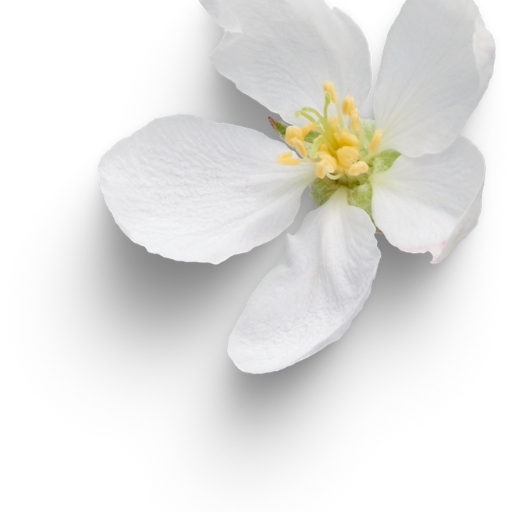
Scientific Name: Isoetes spp.
Native Region: Worldwide (aquatic habitats)
Blooming Time: Varies
Flower Colors: Green (spore-producing structures)
Aroma: None
Interesting Facts:
- Ancient plant species
- Grows underwater or in wetlands
How to Plant / Growing Tips:
- Plant in aquatic environments
- Needs clean, still water
- Provide full sun
- Minimal maintenance
15. Queen Palm Flower
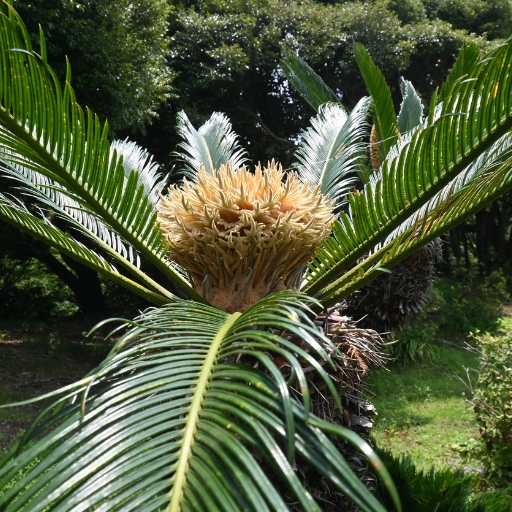
Scientific Name: Syagrus romanzoffiana
Native Region: South America
Blooming Time: Spring to summer
Flower Colors: Cream, yellow
Aroma: Light
Interesting Facts:
- Produces large flower clusters
- Followed by edible fruits
How to Plant / Growing Tips:
- Plant in full sun
- Use well-drained soil
- Water regularly
- Fertilize occasionally
16. Queensland Frangipani
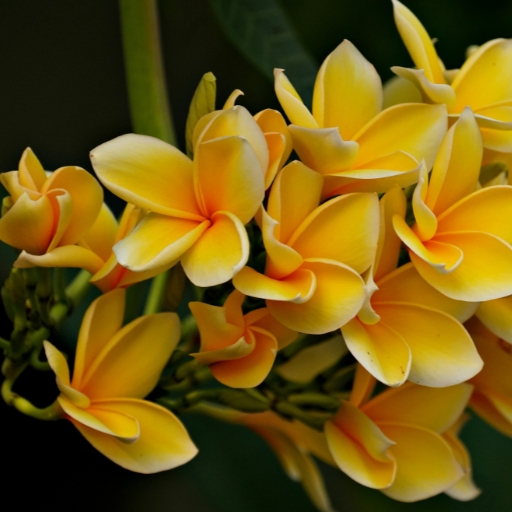
Scientific Name: Hymenosporum flavum
Native Region: Australia
Blooming Time: Spring to summer
Flower Colors: Cream, yellow
Aroma: Strong, sweet
Interesting Facts:
- Not a true frangipani
- Fragrance intensifies at night
How to Plant / Growing Tips:
- Plant in full sun to partial shade
- Use well-drained soil
- Water moderately
- Protect from frost
17. Queen’s Delight
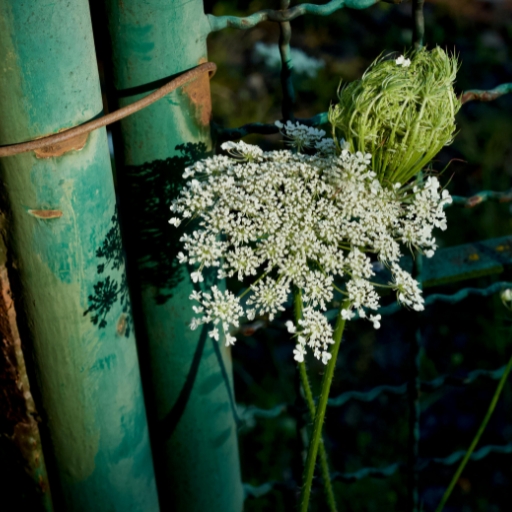
Scientific Name: Stillingia sylvatica
Native Region: North America
Blooming Time: Spring to summer
Flower Colors: Yellow-green
Aroma: Mild
Interesting Facts:
- Used historically in herbal medicine
- Native wildflower
How to Plant / Growing Tips:
- Plant in full sun
- Use well-drained soil
- Water moderately
- Low maintenance
18. Quararibea Flower
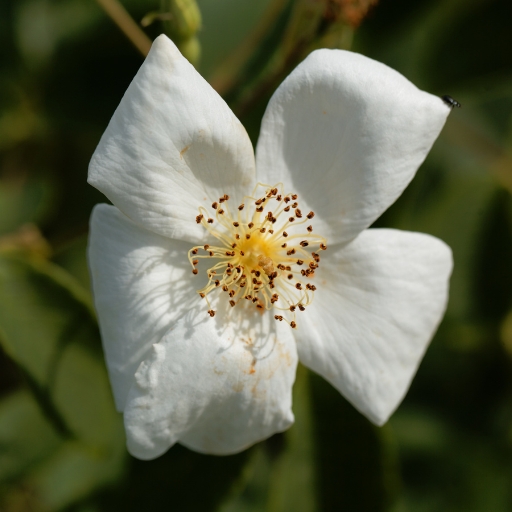
Scientific Name: Quararibea funebris
Native Region: Central America
Blooming Time: Summer
Flower Colors: Brownish, cream
Aroma: Strong, spicy fragrance
Interesting Facts:
- Used in traditional beverages in Mexico
- Unique scent profile
How to Plant / Growing Tips:
- Plant in warm climates
- Use well-drained soil
- Water regularly
- Protect from cold
19. Queen’s Crape Myrtle
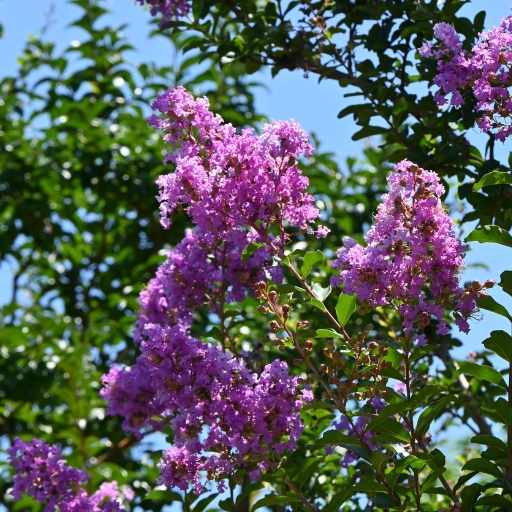
Scientific Name: Lagerstroemia speciosa
Native Region: Southeast Asia
Blooming Time: Summer
Flower Colors: Pink, purple
Aroma: Mild
Interesting Facts:
- Produces vibrant flowering displays
- Common in tropical landscapes
How to Plant / Growing Tips:
- Plant in full sun
- Use well-drained soil
- Water regularly
- Prune for shape
20. Queen’s Orchid
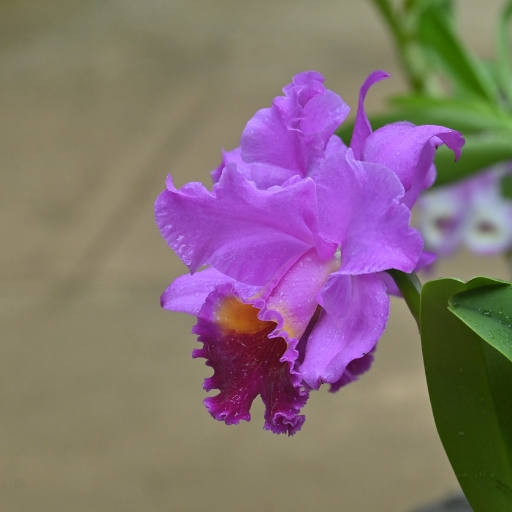
Scientific Name: Cattleya labiata
Native Region: Brazil
Blooming Time: Fall
Flower Colors: Purple, pink
Aroma: Strong, sweet
Interesting Facts:
- Known as the “queen of orchids”
- Highly prized by collectors
How to Plant / Growing Tips:
- Grow in bright, indirect light
- Use orchid mix
- Water moderately
- Ensure good air circulation
Final Thoughts
Flowers that start with the letter Q may be rare, but they bring a unique and exotic charm that can make any garden stand out. From the enchanting night blooms of Queen of the Night to the climbing beauty of Rangoon creeper, these plants are perfect for gardeners who want something truly distinctive.
Now here’s a simple question for you: Which of these “Q” flowers would you love to add to your garden for a truly unique touch?