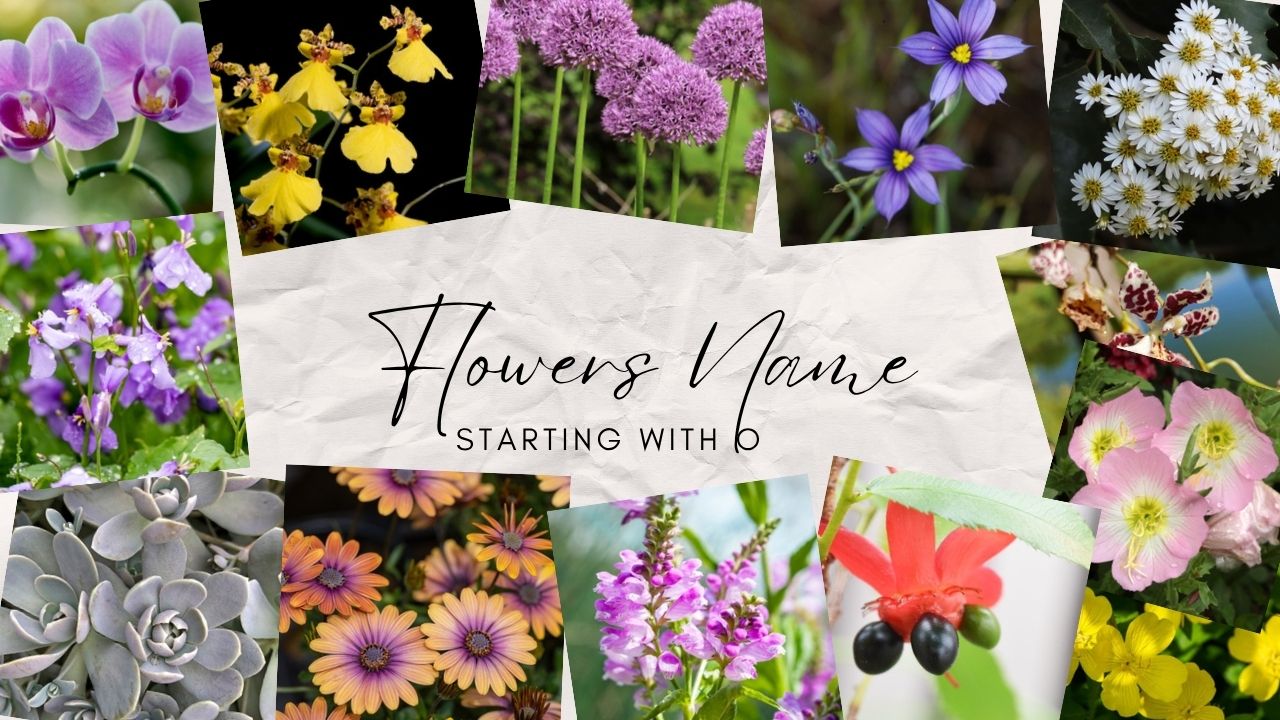
The world of flowers is full of surprises, and the letter O brings together a small but fascinating collection of blooms. While this category isn’t as crowded as some other letters, the flowers that do belong here are anything but ordinary. Many of them stand out for their unusual shapes, vibrant colors, or special roles in gardens and natural landscapes.
From the graceful beauty of orchids to charming wildflowers and hardy garden plants, “O” flowers offer a mix of elegance and character. Whether you’re building a themed garden, expanding your plant knowledge, or simply curious about botanical names, these blooms are worth discovering.
In the list below, you’ll find 16 real flowers that start with the letter O, each with key details and beginner-friendly growing tips to help you understand and cultivate them successfully.
1. Orchid
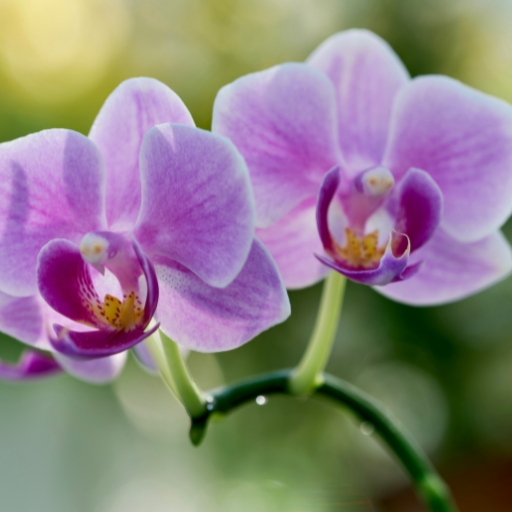
Scientific Name: Orchidaceae family
Native Region: Worldwide (especially tropical regions)
Blooming Time: Varies by species
Flower Colors: White, pink, purple, yellow, red
Aroma: Mild to strongly fragrant (varies)
Interesting Facts:
- One of the largest plant families in the world.
- Known for exotic and long-lasting blooms.
How to Plant / Growing Tips:
- Provide bright indirect light: Direct sun can scorch leaves.
- Use orchid potting mix: Ensures proper drainage and airflow.
- Water sparingly: Allow roots to dry slightly between watering.
- Maintain humidity: Orchids thrive in humid environments.
2. Osteospermum (African Daisy)
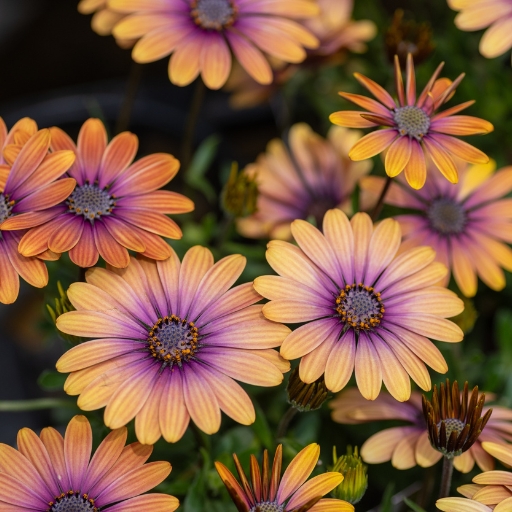
Scientific Name: Osteospermum spp.
Native Region: South Africa
Blooming Time: Spring to fall
Flower Colors: White, purple, pink, yellow
Aroma: Mild
Interesting Facts:
- Flowers open in sunlight and close at night.
- Known for vibrant, contrasting centers.
How to Plant / Growing Tips:
- Plant in full sun: Essential for blooming.
- Use well-drained soil: Prevents root rot.
- Water moderately: Avoid overwatering.
- Deadhead blooms: Encourages more flowers.
3. Oxalis (Wood Sorrel)
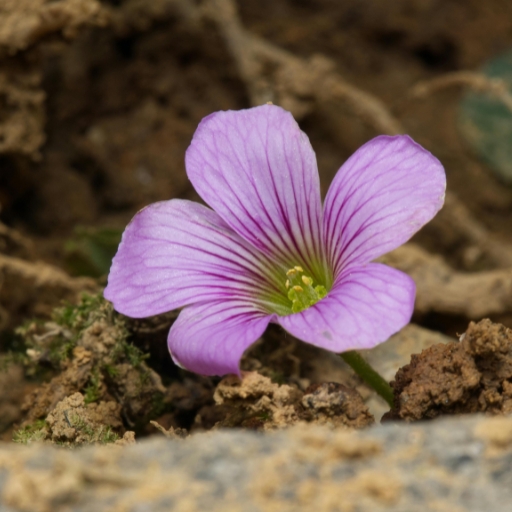
Scientific Name: Oxalis spp.
Native Region: Worldwide
Blooming Time: Spring to summer
Flower Colors: Yellow, pink, white, purple
Aroma: Mild
Interesting Facts:
- Leaves resemble clover.
- Some varieties are edible and tangy.
How to Plant / Growing Tips:
- Plant in partial sun: Prefers mild light conditions.
- Use well-drained soil: Prevents root issues.
- Water regularly: Keep soil slightly moist.
- Allow dormancy: Reduce watering when plant rests.
4. Oenothera (Evening Primrose)
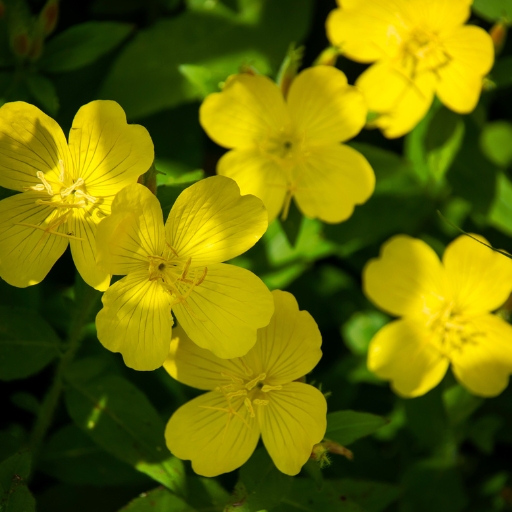
Scientific Name: Oenothera spp.
Native Region: North America
Blooming Time: Spring to summer
Flower Colors: Yellow, pink
Aroma: Light, sweet
Interesting Facts:
- Blooms open in the evening.
- Seeds are used for oil production.
How to Plant / Growing Tips:
- Sow seeds directly outdoors: Easy to grow.
- Plant in full sun: Encourages blooms.
- Use well-drained soil: Prevents root issues.
- Allow spreading: Naturalizes easily.
5. Ornamental Onion (Allium)
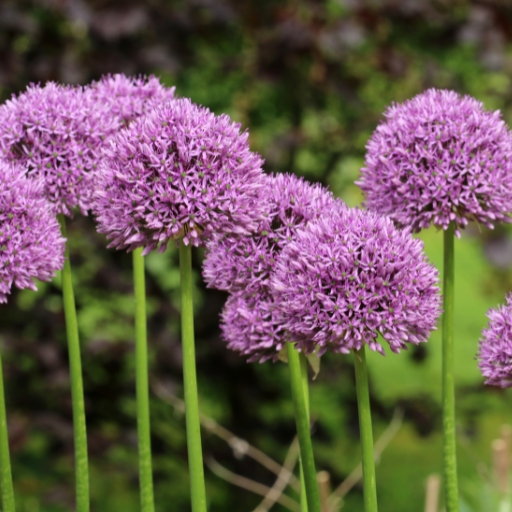
Scientific Name: Allium spp.
Native Region: Northern Hemisphere
Blooming Time: Late spring to summer
Flower Colors: Purple, white, pink
Aroma: Mild onion scent
Interesting Facts:
- Related to garlic and onions.
- Produces globe-shaped flower heads.
How to Plant / Growing Tips:
- Plant bulbs in fall: For spring blooms.
- Choose full sun: Promotes strong stems.
- Use well-drained soil: Prevents bulb rot.
- Water moderately: Avoid soggy soil.
6. Obedient Plant
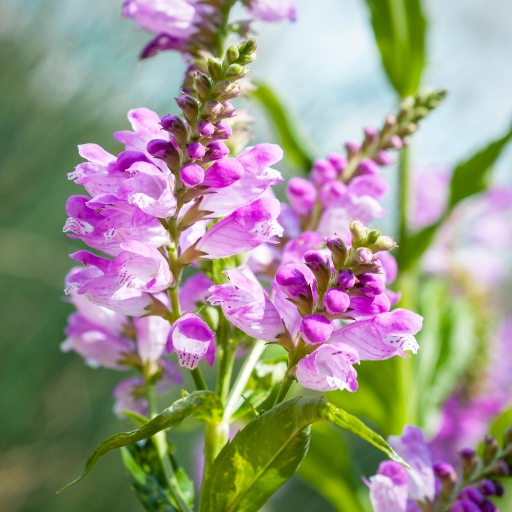
Scientific Name: Physostegia virginiana
Native Region: North America
Blooming Time: Summer
Flower Colors: Pink, purple, white
Aroma: Mild
Interesting Facts:
- Flowers can be positioned and stay in place.
- Spreads quickly in gardens.
How to Plant / Growing Tips:
- Plant in full sun: Encourages blooming.
- Use moist, well-drained soil: Supports growth.
- Water regularly: Keep soil moist.
- Control spread: Can become invasive.
7. Olearia (Daisy Bush)
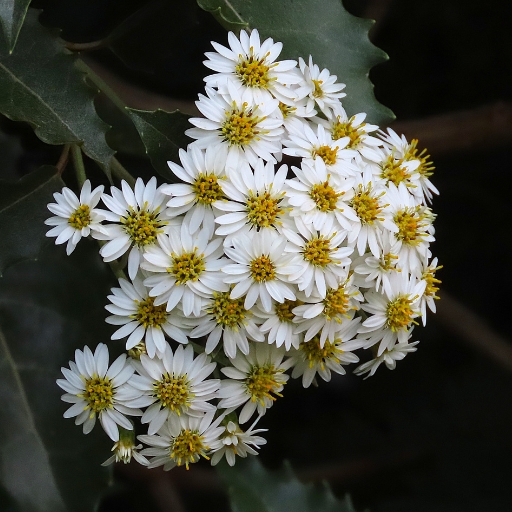
Scientific Name: Olearia spp.
Native Region: Australia, New Zealand
Blooming Time: Spring to summer
Flower Colors: White, purple
Aroma: Light
Interesting Facts:
- Shrub with daisy-like flowers.
- Great for hedges and borders.
How to Plant / Growing Tips:
- Plant in full sun: Encourages flowering.
- Use well-drained soil: Prevents root issues.
- Water moderately: Tolerates dry conditions.
- Prune regularly: Maintains shape.
8. Ornithogalum (Star of Bethlehem)
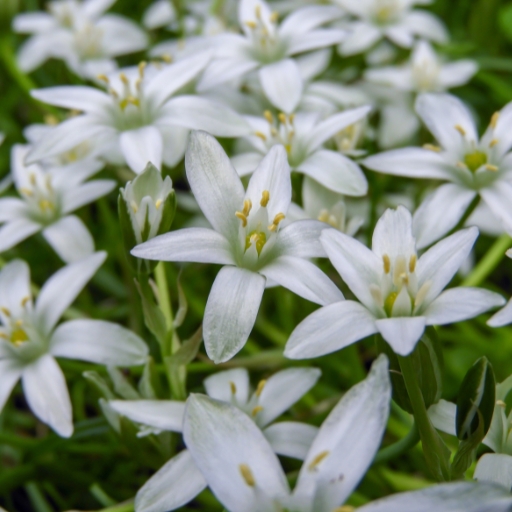
Scientific Name: Ornithogalum spp.
Native Region: Europe, Africa
Blooming Time: Spring
Flower Colors: White, orange
Aroma: Mild
Interesting Facts:
- Star-shaped blooms.
- Some species are invasive.
How to Plant / Growing Tips:
- Plant bulbs in fall: For spring blooms.
- Choose full sun: Promotes flowering.
- Use well-drained soil: Prevents bulb rot.
- Water moderately: Avoid overwatering.
9. Orychophragmus (Chinese Violet Cress)
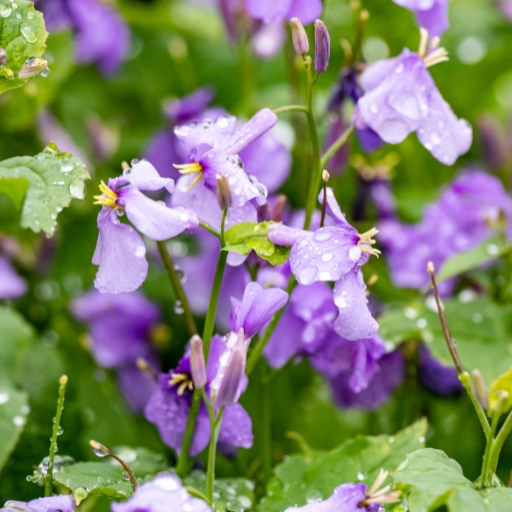
Scientific Name: Orychophragmus violaceus
Native Region: China
Blooming Time: Spring
Flower Colors: Purple
Aroma: Mild
Interesting Facts:
- Early spring bloomer.
- Often used in ornamental gardens.
How to Plant / Growing Tips:
- Sow seeds outdoors: Easy to grow.
- Plant in full sun: Encourages blooms.
- Use well-drained soil: Prevents root issues.
- Water moderately: Keep soil slightly moist.
10. Oxeye Daisy
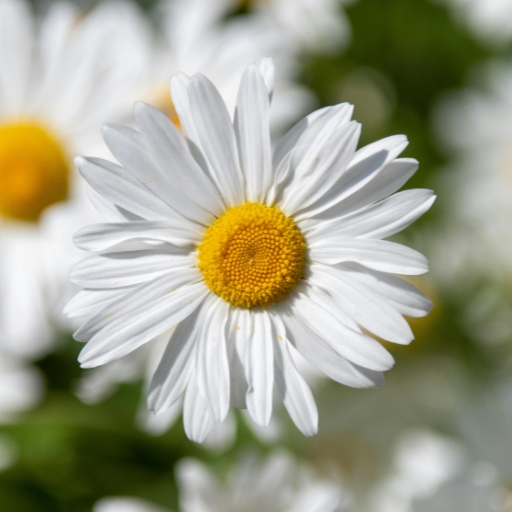
Scientific Name: Leucanthemum vulgare
Native Region: Europe
Blooming Time: Summer
Flower Colors: White with yellow center
Aroma: Mild
Interesting Facts:
- Classic wildflower.
- Can spread easily in fields.
How to Plant / Growing Tips:
- Plant in full sun: Encourages blooms.
- Use well-drained soil: Prevents root issues.
- Water lightly: Drought-tolerant once established.
- Control spread: Can naturalize quickly.
11. Orostachys (Dunce Cap Succulent Flower)
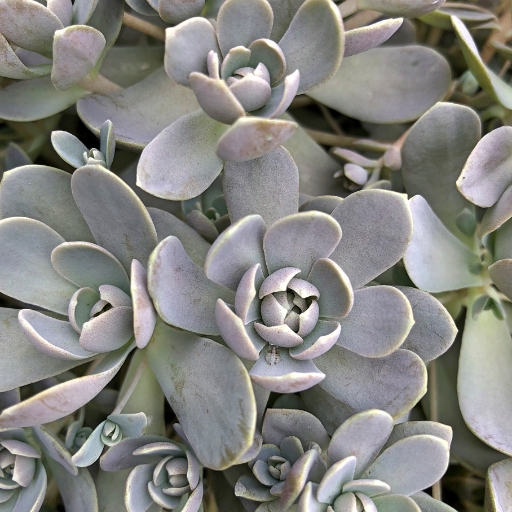
Scientific Name: Orostachys spp.
Native Region: Asia
Blooming Time: Summer
Flower Colors: White, yellow
Aroma: Mild
Interesting Facts:
- Succulent with cone-shaped rosettes.
- Flowers appear on tall spikes.
How to Plant / Growing Tips:
- Plant in full sun: Promotes compact growth.
- Use cactus soil: Ensures drainage.
- Water sparingly: Avoid overwatering.
- Protect from excess moisture: Especially in winter.
12. Olsynium (Blue Eyed Grass Relative)
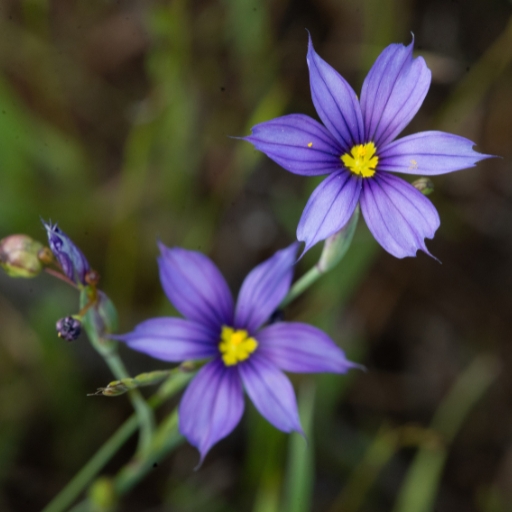
Scientific Name: Olsynium spp.
Native Region: South America
Blooming Time: Spring
Flower Colors: Blue, purple
Aroma: Mild
Interesting Facts:
- Grass-like foliage with starry blooms.
- Ideal for rock gardens.
How to Plant / Growing Tips:
- Plant in full sun: Encourages blooms.
- Use well-drained soil: Prevents root issues.
- Water moderately: Keep soil lightly moist.
- Plant bulbs or seeds: Easy propagation.
13. Oenothera speciosa (Pink Evening Primrose)
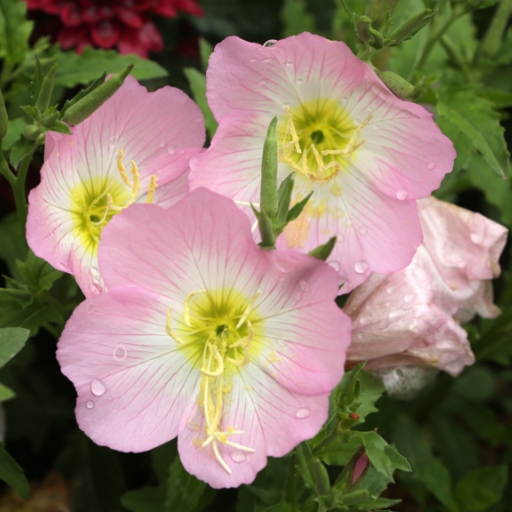
Scientific Name: Oenothera speciosa
Native Region: North America
Blooming Time: Spring to summer
Flower Colors: Pink
Aroma: Light
Interesting Facts:
- Spreads quickly as ground cover.
- Soft pink blooms brighten landscapes.
How to Plant / Growing Tips:
- Plant in full sun: Promotes blooms.
- Use well-drained soil: Prevents root issues.
- Water moderately: Drought-tolerant once established.
- Control spread: Can become invasive.
14. Ochna (Mickey Mouse Plant Flower)
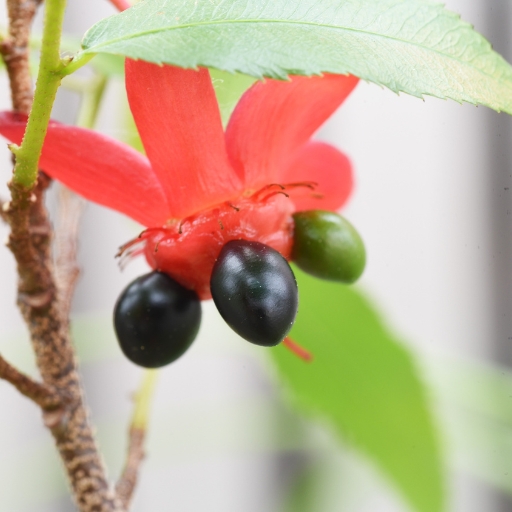
Scientific Name: Ochna spp.
Native Region: Africa
Blooming Time: Spring
Flower Colors: Yellow
Aroma: Mild
Interesting Facts:
- Known for colorful fruit resembling Mickey Mouse.
- Attractive ornamental shrub.
How to Plant / Growing Tips:
- Plant in full sun: Encourages flowering.
- Use well-drained soil: Supports growth.
- Water regularly: Keep soil moist.
- Protect from cold: Best in warm climates.
15. Odontoglossum Orchid
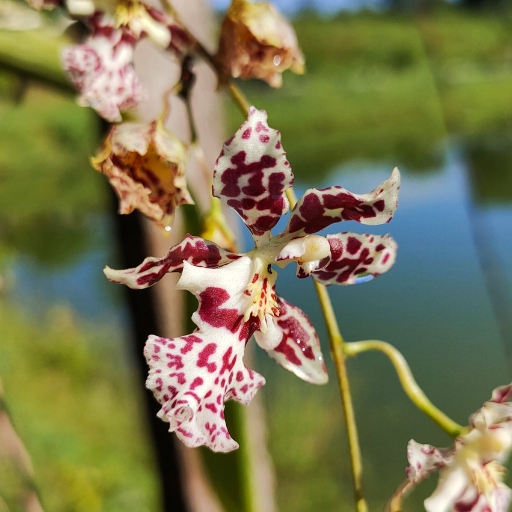
Scientific Name: Odontoglossum spp.
Native Region: Central and South America
Blooming Time: Varies
Flower Colors: White, purple, yellow, spotted
Aroma: Mild to fragrant
Interesting Facts:
- Known for intricate patterns.
- Thrives in cooler climates compared to many orchids.
How to Plant / Growing Tips:
- Provide bright indirect light: Avoid direct sun.
- Use orchid mix: Ensures proper drainage.
- Water moderately: Keep roots moist but not soggy.
- Maintain cool temperatures: Ideal for growth.
16. Oncidium (Dancing Lady Orchid)
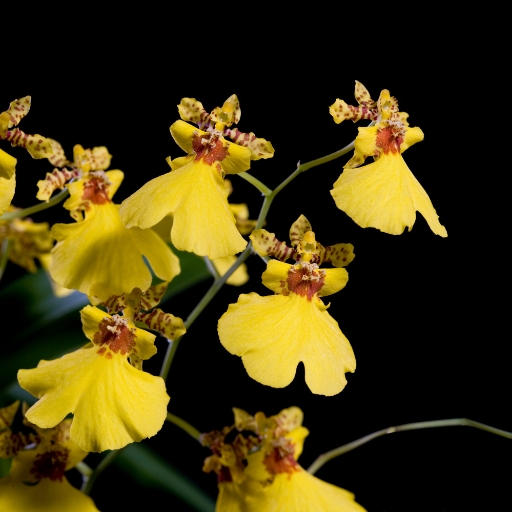
Scientific Name: Oncidium spp.
Native Region: Central and South America
Blooming Time: Varies
Flower Colors: Yellow, brown, red
Aroma: Light, sweet
Interesting Facts:
- Nicknamed “dancing lady” due to flower shape.
- Popular indoor orchid variety.
How to Plant / Growing Tips:
- Provide bright, indirect light: Essential for blooms.
- Use well-draining orchid mix: Prevents root rot.
- Water when dry: Avoid overwatering.
- Maintain humidity: Helps flowering.
🌼 Final Thoughts
Flowers that start with “O” may be fewer, but they offer a unique mix—from exotic Orchids to cheerful Osteospermum and easy-growing Oxalis.
If you’re just starting out, I’d recommend Osteospermum, Oxalis, or Ornamental Onion—they’re easy to care for and bring plenty of color without much effort.