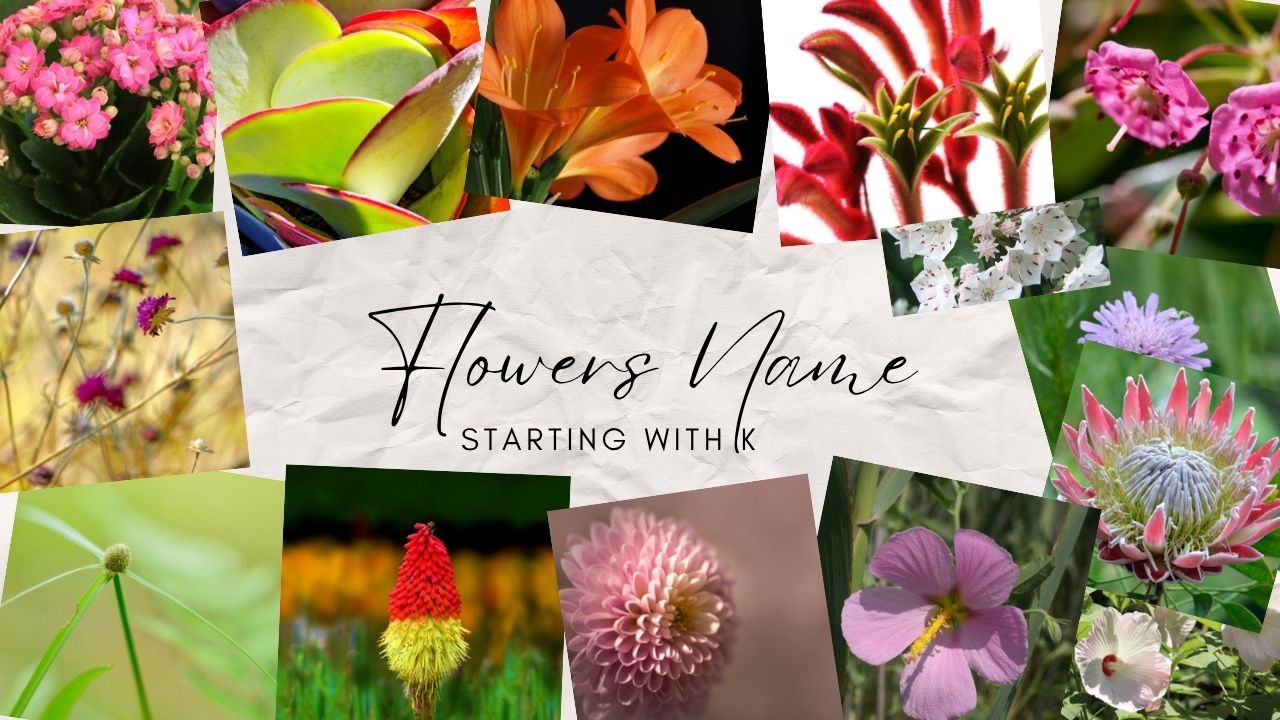
Looking for flowers that start with the letter K? You’re in for a fun little treasure hunt. This letter may not be packed with as many blooms as others, but what it lacks in quantity, it more than makes up for in character. From striking garden standouts to lesser-known wildflowers and tropical gems, K-flowers bring a unique twist you won’t find everywhere.
Below, you’ll discover a handpicked list of 18 real flowers that begin with “K,” along with simple, beginner-friendly growing tips and key details to help you bring these uncommon beauties to life in your own garden.
1. Kalanchoe
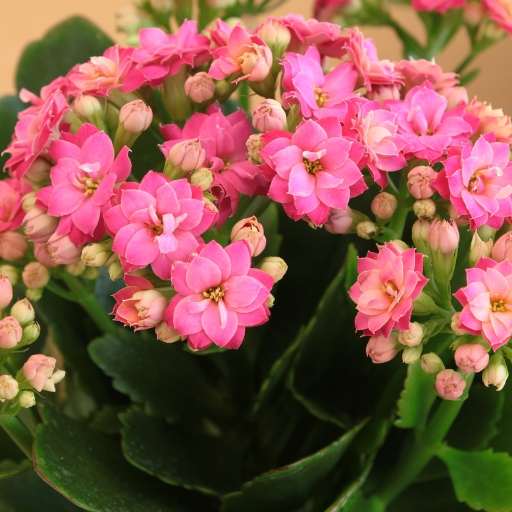
Scientific Name: Kalanchoe blossfeldiana
Native Region: Madagascar
Blooming Time: Winter to spring
Flower Colors: Red, pink, yellow, orange, white
Aroma: Mild
Interesting Facts:
- A popular indoor succulent with long-lasting blooms.
- Blooms during shorter daylight periods.
How to Plant / Growing Tips:
- Place in bright light: Needs strong indirect sunlight indoors.
- Use cactus or succulent soil: Ensures excellent drainage.
- Water sparingly: Allow soil to dry completely between watering.
- Avoid overwatering: Prevents root rot, the most common issue.
2. Kangaroo Paw
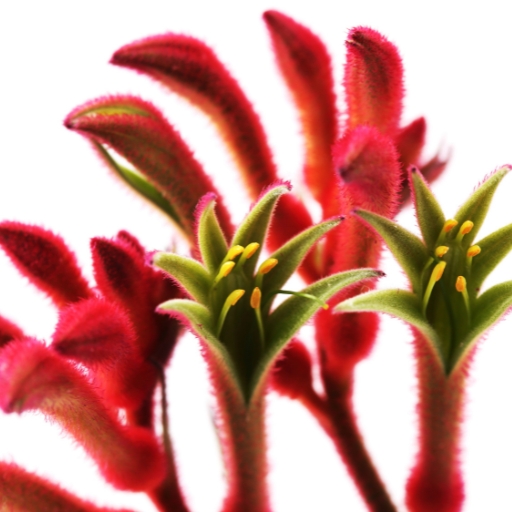
Scientific Name: Anigozanthos spp.
Native Region: Australia
Blooming Time: Spring to summer
Flower Colors: Red, yellow, orange, green
Aroma: Mild
Interesting Facts:
- Named for its paw-shaped flowers.
- Attracts birds and pollinators.
How to Plant / Growing Tips:
- Plant in full sun: Essential for vibrant blooms.
- Use sandy, well-drained soil: Prevents root issues.
- Water lightly: Drought-tolerant once established.
- Trim spent stems: Encourages new growth.
3. Kaffir Lily
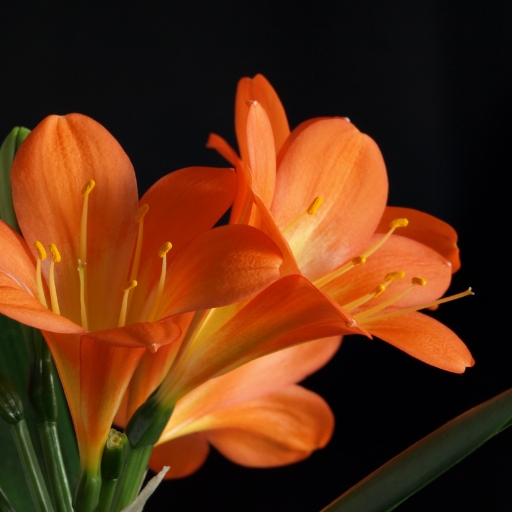
Scientific Name: Clivia miniata
Native Region: South Africa
Blooming Time: Late winter to spring
Flower Colors: Orange, red, yellow
Aroma: Mild
Interesting Facts:
- Popular indoor flowering plant.
- Long-lived and easy to maintain.
How to Plant / Growing Tips:
- Grow in bright indirect light: Avoid direct sun indoors.
- Use well-drained soil: Prevents root rot.
- Water moderately: Allow soil to dry slightly between watering.
- Provide a rest period: Helps trigger blooming.
4. Knautia (Field Scabious)
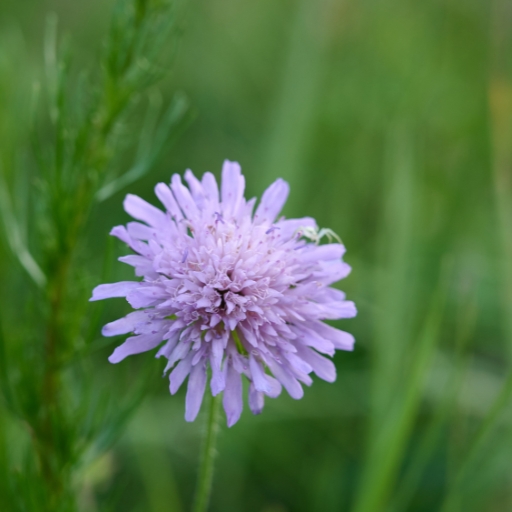
Scientific Name: Knautia arvensis
Native Region: Europe
Blooming Time: Summer
Flower Colors: Pink, purple
Aroma: Mild
Interesting Facts:
- Attracts bees and butterflies.
- Great for wildflower gardens.
How to Plant / Growing Tips:
- Plant in full sun: Promotes abundant blooms.
- Use well-drained soil: Prevents root issues.
- Water moderately: Tolerates dry conditions.
- Deadhead regularly: Extends blooming season.
5. Kniphofia (Red Hot Poker)
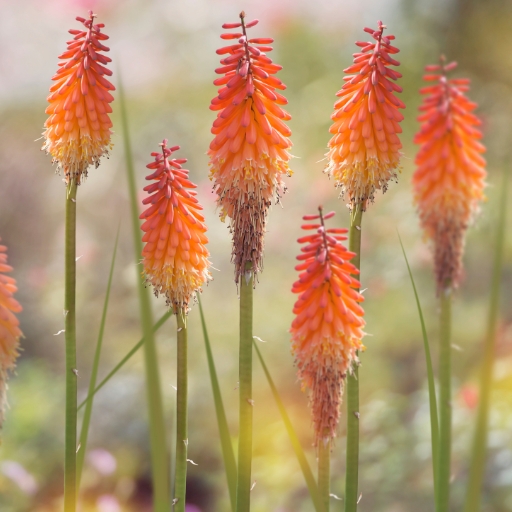
Scientific Name: Kniphofia uvaria
Native Region: Africa
Blooming Time: Summer to fall
Flower Colors: Red, orange, yellow
Aroma: Mild
Interesting Facts:
- Known for torch-like flower spikes.
- Attracts hummingbirds.
How to Plant / Growing Tips:
- Plant in full sun: Essential for strong blooms.
- Use well-drained soil: Prevents crown rot.
- Water regularly at first: Becomes drought-tolerant later.
- Protect crowns in winter: Use mulch in colder climates.
6. Korean Chrysanthemum
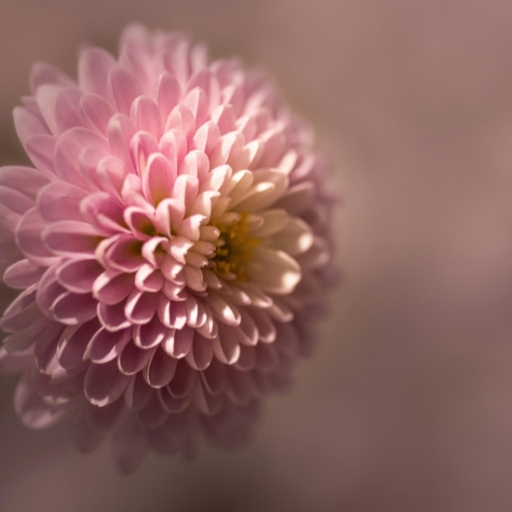
Scientific Name: Chrysanthemum zawadskii
Native Region: Asia
Blooming Time: Fall
Flower Colors: Yellow, pink, white
Aroma: Light
Interesting Facts:
- Hardy and cold-tolerant variety.
- Blooms later than most flowers.
How to Plant / Growing Tips:
- Plant in full sun: Encourages fall blooms.
- Use fertile, well-drained soil: Supports growth.
- Water regularly: Keep soil evenly moist.
- Pinch back early growth: Promotes bushier plants.
7. King Protea
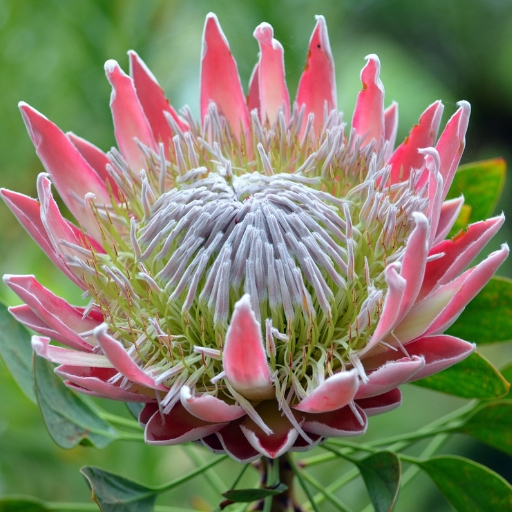
Scientific Name: Protea cynaroides
Native Region: South Africa
Blooming Time: Spring to summer
Flower Colors: Pink, red, white
Aroma: Mild
Interesting Facts:
- National flower of South Africa.
- Produces very large, striking blooms.
How to Plant / Growing Tips:
- Plant in full sun: Essential for flowering.
- Use sandy, well-drained soil: Prevents root rot.
- Water sparingly: Prefers dry conditions.
- Avoid heavy fertilizers: Sensitive to nutrients.
8. Kalmia (Mountain Laurel)
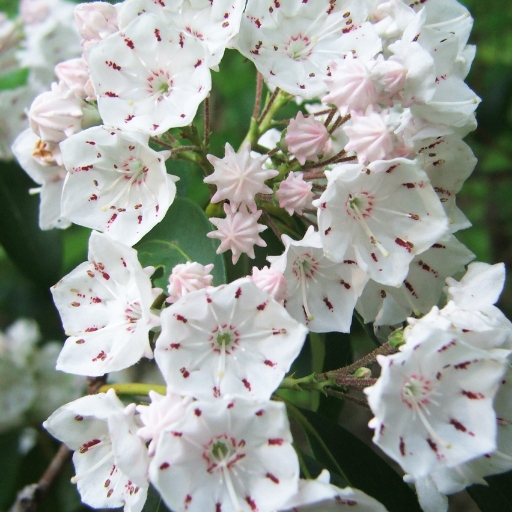
Scientific Name: Kalmia latifolia
Native Region: North America
Blooming Time: Late spring
Flower Colors: Pink, white
Aroma: Mild
Interesting Facts:
- Native evergreen shrub.
- Flowers have intricate patterns.
How to Plant / Growing Tips:
- Plant in partial shade: Protect from strong sun.
- Use acidic soil: Similar to azaleas.
- Water regularly: Keep soil moist.
- Mulch around roots: Helps retain moisture.
9. Kosteletzkya (Seashore Mallow)
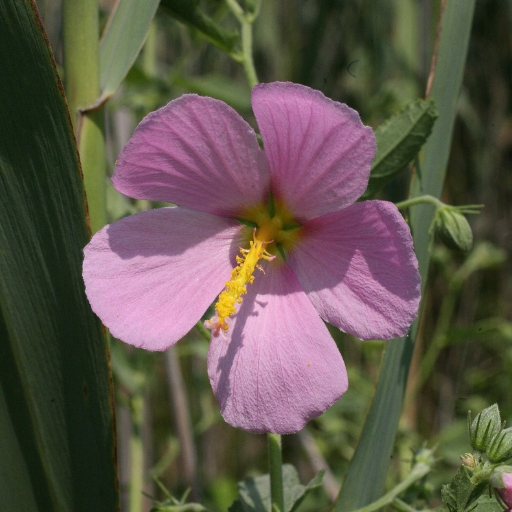
Scientific Name: Kosteletzkya virginica
Native Region: North America
Blooming Time: Summer
Flower Colors: Pink
Aroma: Mild
Interesting Facts:
- Tolerates salty and coastal conditions.
- Attracts pollinators.
How to Plant / Growing Tips:
- Plant in full sun: Encourages flowering.
- Use moist soil: Thrives in wet conditions.
- Water regularly: Especially in dry weather.
- Ideal for coastal gardens: Handles salt well.
10. Kudzu Flower
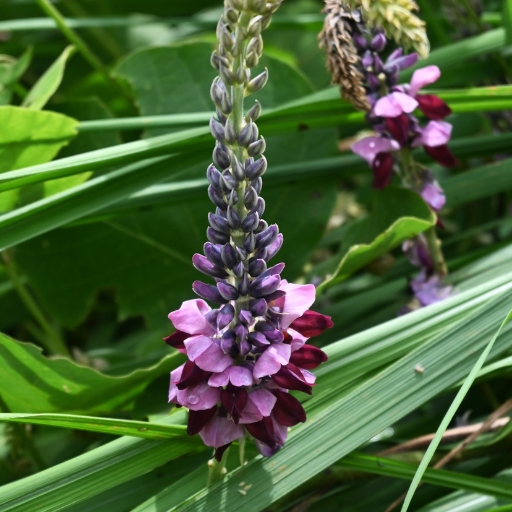
Scientific Name: Pueraria montana
Native Region: Asia
Blooming Time: Late summer
Flower Colors: Purple
Aroma: Sweet, grape-like scent
Interesting Facts:
- Known for rapid, invasive growth.
- Produces fragrant flower clusters.
How to Plant / Growing Tips:
- Plant in full sun: Encourages growth.
- Use well-drained soil: Adapts to many conditions.
- Control aggressively: Can spread quickly.
- Prune regularly: Keeps it manageable.
11. Kerria
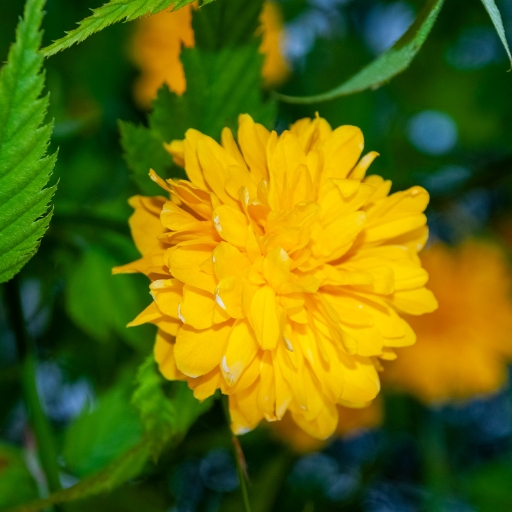
Scientific Name: Kerria japonica
Native Region: Asia
Blooming Time: Spring
Flower Colors: Yellow
Aroma: Mild
Interesting Facts:
- Bright, rose-like blooms.
- Easy-to-grow shrub.
How to Plant / Growing Tips:
- Plant in full sun to partial shade: Flexible conditions.
- Use well-drained soil: Prevents root issues.
- Water moderately: Keep soil moist during growth.
- Prune after flowering: Maintains shape.
12. Knautia macedonica
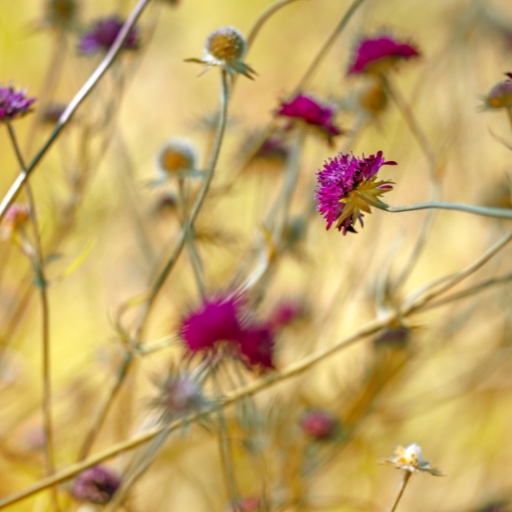
Scientific Name: Knautia macedonica
Native Region: Europe
Blooming Time: Summer to fall
Flower Colors: Deep red
Aroma: Mild
Interesting Facts:
- Known for rich, dark red blooms.
- Excellent for pollinator gardens.
How to Plant / Growing Tips:
- Plant in full sun: Encourages flowering.
- Use well-drained soil: Prevents root issues.
- Water moderately: Tolerates dry spells.
- Deadhead blooms: Extends flowering season.
13. Kalanchoe thyrsiflora (Paddle Plant Flower)
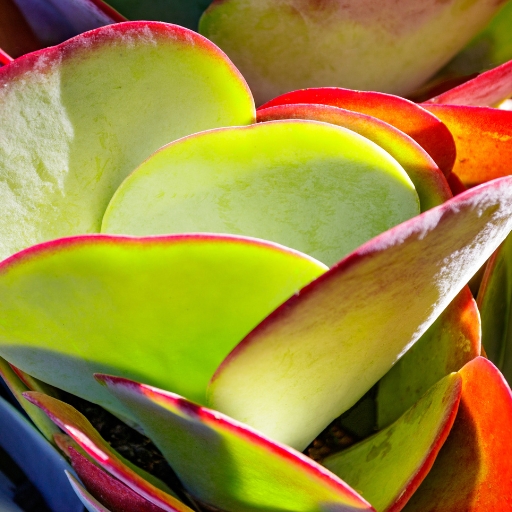
Scientific Name: Kalanchoe thyrsiflora
Native Region: South Africa
Blooming Time: Winter to spring
Flower Colors: Yellow
Aroma: Mild
Interesting Facts:
- Known for large, paddle-shaped leaves.
- Blooms after several years of growth.
How to Plant / Growing Tips:
- Plant in full sun: Promotes healthy growth.
- Use succulent soil mix: Ensures drainage.
- Water sparingly: Avoid overwatering.
- Provide warm temperatures: Sensitive to cold.
14. Kalmia angustifolia (Sheep Laurel)
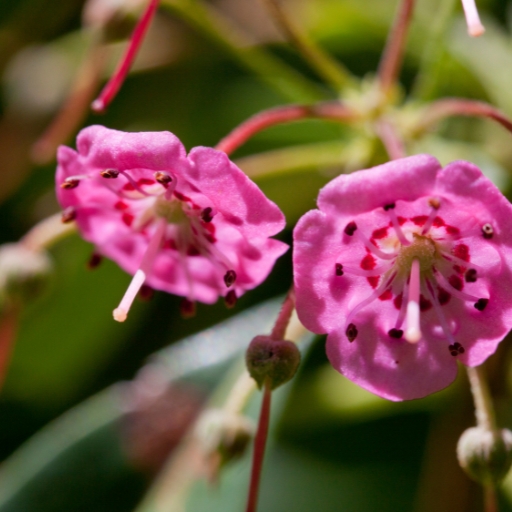
Scientific Name: Kalmia angustifolia
Native Region: North America
Blooming Time: Late spring to summer
Flower Colors: Pink
Aroma: Mild
Interesting Facts:
- Native shrub found in woodlands.
- Toxic if ingested.
How to Plant / Growing Tips:
- Plant in partial shade: Prefers woodland conditions.
- Use acidic soil: Essential for growth.
- Water regularly: Keep soil moist.
- Avoid disturbance: Sensitive root system.
15. Knautia integrifolia
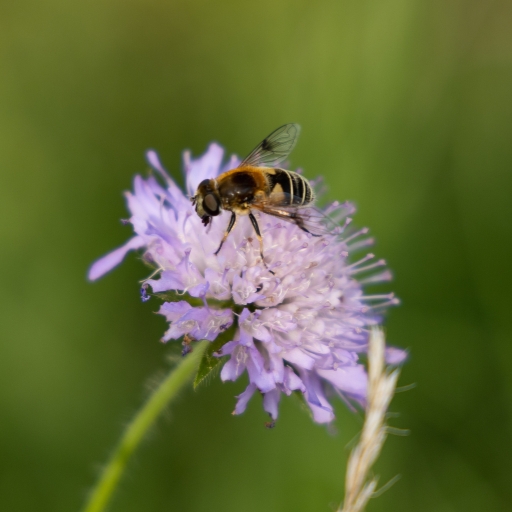
Scientific Name: Knautia integrifolia
Native Region: Europe
Blooming Time: Summer
Flower Colors: Purple
Aroma: Mild
Interesting Facts:
- Compact and easy to grow.
- Attracts bees and butterflies.
How to Plant / Growing Tips:
- Plant in full sun: Encourages blooming.
- Use well-drained soil: Prevents root issues.
- Water moderately: Avoid soggy soil.
- Deadhead regularly: Promotes more flowers.
16. Kniphofia ‘Flamenco’
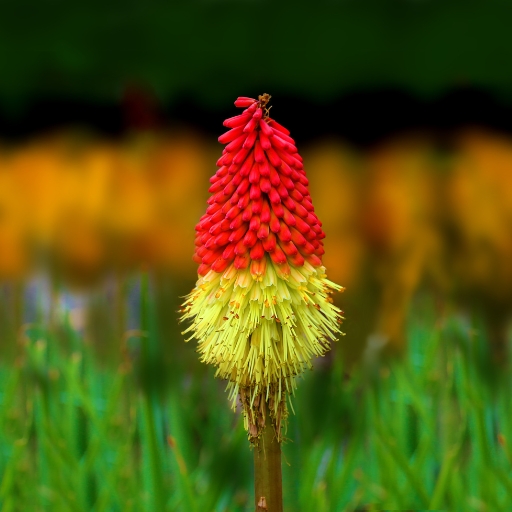
Scientific Name: Kniphofia spp.
Native Region: Africa
Blooming Time: Summer
Flower Colors: Red, yellow
Aroma: Mild
Interesting Facts:
- A popular hybrid variety.
- Produces vibrant, torch-like blooms.
How to Plant / Growing Tips:
- Plant in full sun: Essential for flowering.
- Use well-drained soil: Prevents root issues.
- Water moderately: Drought-tolerant once established.
- Protect in winter: Use mulch in colder areas.
17. Kosteletzkya pentacarpos
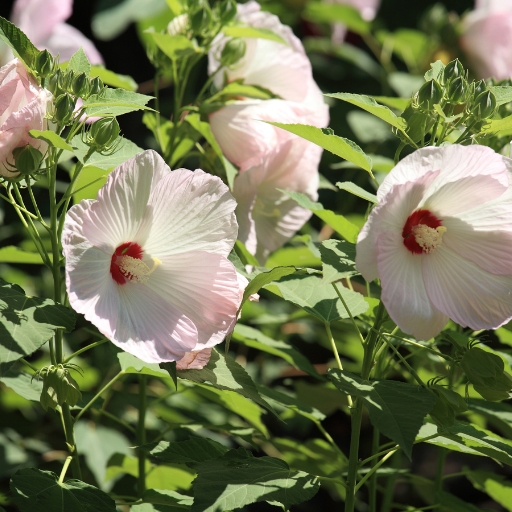
Scientific Name: Kosteletzkya pentacarpos
Native Region: Europe
Blooming Time: Summer
Flower Colors: Pink
Aroma: Mild
Interesting Facts:
- Salt-tolerant plant.
- Ideal for wetland gardens.
How to Plant / Growing Tips:
- Plant in full sun: Encourages blooms.
- Use moist soil: Thrives in damp areas.
- Water regularly: Needs consistent moisture.
- Provide space: Can grow tall.
18. Kyllinga (Green Kyllinga Flower)
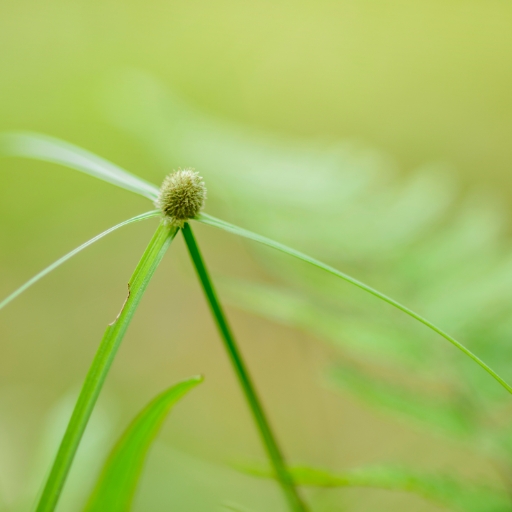
Scientific Name: Kyllinga brevifolia
Native Region: Tropical regions worldwide
Blooming Time: Summer
Flower Colors: Green
Aroma: Mild
Interesting Facts:
- Grass-like plant with small flower heads.
- Often used in ground cover.
How to Plant / Growing Tips:
- Plant in full sun: Encourages growth.
- Use moist soil: Prefers damp conditions.
- Water regularly: Keep soil hydrated.
- Control spread: Can spread quickly.
🌼 Final Thoughts
Flowers that start with “K” bring a unique touch to any garden—from bold statement plants like King Protea to easy growers like Kalanchoe and Kerria.
If you’re just getting started, I’d recommend Kalanchoe, Kniphofia, or Kalmia—they’re visually striking, relatively easy to care for, and add something a little different to your space.